
 Iffa Jayyana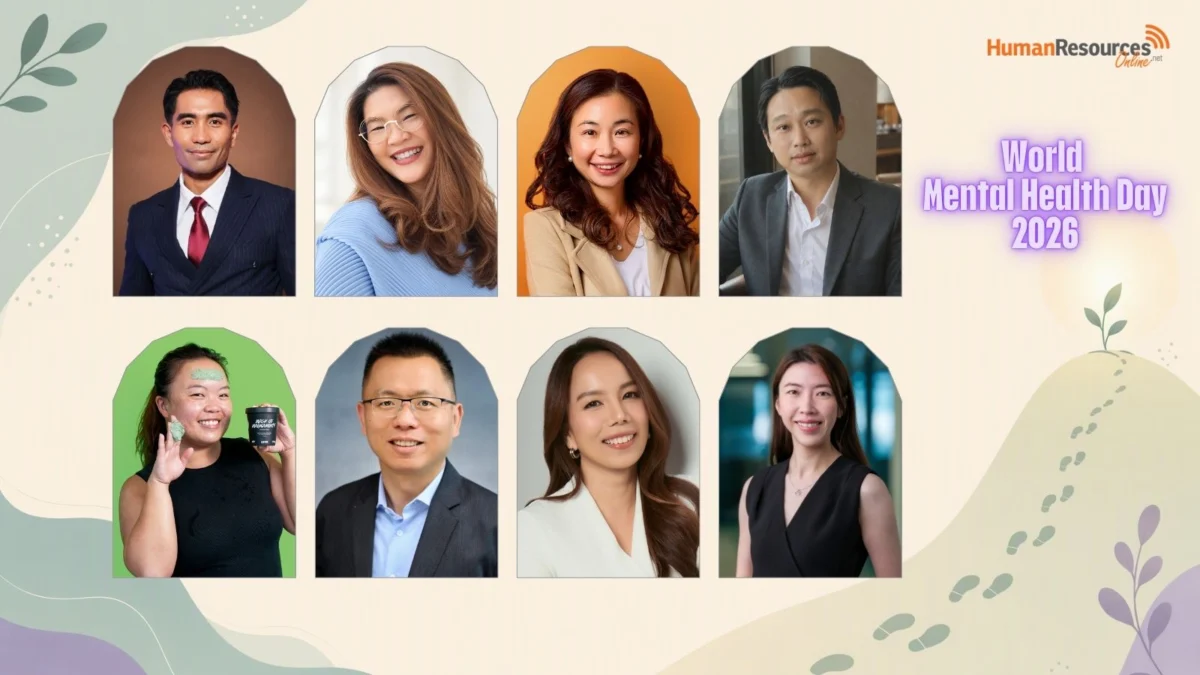
By [Your Name/Editorial Staff] | Featuring insights from Tracy Chan and Aditi Sharma Kalra
In the modern corporate landscape, the definition of a "strong" employee is undergoing a radical transformation. As the world observes World Mental Health Day on October 10, the conversation within the Human Resources sector has shifted from broad awareness campaigns to the implementation of "micro-actions"—small, consistent gestures that foster long-term psychological safety.
Mental health is inherently personal, yet its impact is profoundly collective. With the average professional spending approximately one-third of their life at work, the workplace has become the primary frontier for mental health intervention. HR leaders across the Asia-Pacific region are now emphasizing that meaningful support does not always require massive budgetary allocations or complex corporate overhauls. Instead, it begins with a genuine conversation, active listening, and the proactive initiative to check in on colleagues before a crisis emerges.
Main Facts: The Shift from Awareness to Actionable Empathy
The core message from regional HR leaders this year is clear: the era of "grand gestures" is being replaced by the era of "consistent connection." While Employee Assistance Programs (EAPs) and wellness apps remain valuable, they are often reactive. The current trend focuses on proactive, everyday interactions that prevent burnout before it starts.

Key themes emerging from the region’s top HR strategists include:
- Redefining Resilience: Moving away from "pushing through" toward "speaking up."
- Managerial Accountability: Transitioning mental health from an HR-only initiative to a core managerial responsibility.
- Semantic Shifts: Changing the language of support from closed questions to open-ended offers of help.
- Holistic Integration: Viewing wellbeing as a performance driver rather than a separate perk.
Chronology: The Evolution of Workplace Mental Health
To understand the current emphasis on "small actions," one must look at the trajectory of workplace wellness over the last decade.
- The Pre-Pandemic Era (Prior to 2020): Mental health was often a taboo subject, relegated to "safety" protocols or handled strictly through private insurance. Awareness was minimal, and the stigma associated with seeking help was high.
- The Crisis Response (2020–2022): The COVID-19 pandemic forced mental health to the top of the corporate agenda. Organizations scrambled to provide remote support, Zoom-based yoga sessions, and digital therapy. This period was marked by high-intensity, reactive measures.
- The Integration Phase (2023–Present): Companies are now moving toward a sustainable "new normal." The focus has shifted to building "resilient cultures" where mental health is woven into the fabric of daily operations. This is the context in which World Mental Health Day 2024 (and looking toward 2025/2026) operates—focusing on the "small changes" that ensure long-term stability.
Supporting Data: The High Stakes of Mental Wellbeing
The drive for these small actions is backed by sobering economic and social data. According to the World Health Organization (WHO), depression and anxiety result in an estimated $1 trillion in lost productivity globally each year. Furthermore, research from Gallup indicates that employees who feel their employer cares about their wellbeing are 69% less likely to actively search for a new job and 71% less likely to report experiencing a lot of burnout.
In the APAC region specifically, the "hustle culture" has historically contributed to high levels of presenteeism—where employees are physically present but mentally disengaged due to stress. By pivoting toward a culture of "psychological safety," companies are seeing a direct correlation with increased innovation and lower turnover rates.

Official Responses: Insights from the Frontlines of HR
To mark this year’s World Mental Health Day, eight prominent HR leaders shared their perspectives with Human Resources Online regarding the small actions that make the biggest difference.
Redefining "Strength" and Psychological Safety
Emily So, Head of Employee Experience & Insights at HAECO Group, argues that the corporate definition of strength needs a reboot. "Resilience can sometimes be mistaken for simply pushing through," So explains. "But supporting mental wellbeing also means creating the psychological safety for people to pause, speak up, and ask for help." She emphasizes that this starts with leaders being open about their own challenges, thereby normalizing vulnerability.
Similarly, Srithai Srisaichon, HR Director at Merz Aesthetics, suggests that resilience should be treated as a "core career skill," equivalent to leadership or digital literacy. By teaching employees how to navigate setbacks in healthy ways, companies can build a workforce that is adaptable rather than just "tough."
The Managerial Responsibility
A recurring theme among leaders is the decentralization of mental health support. Ritthawat Chinnawong, APAC HR Director at Altadia Group, posits that wellbeing should be an integral part of every manager’s responsibility. "Managers should be responsible for observing changes in employees’ behaviour and recognising early signs of stress," Chinnawong states. He believes a simple conversation can prevent a small concern from spiraling into a serious issue.

Jason Wang, HR Director for ASEAN & Operations at Ingredion Thailand, echoes this sentiment. He encourages managers to start meetings with genuine check-ins rather than immediately diving into deadlines. "It signals that wellbeing is not separate from work, but an important part of how people experience the workplace every day," Wang notes. He highlights that a manager doesn’t need to have all the answers—just being present and empathetic is often enough.
The Power of Language and Connection
The specific language used by leaders can either open or close doors. Wilai Palangrattanakul, HR Director at Fabrinet Company, suggests a simple but profound shift: replacing "Are you okay?" with "How can I support you?" This open-ended approach invites a more honest dialogue and removes the pressure for the employee to simply answer "I’m fine."
In the high-pressure world of hospitality, Nithis Ben-Ar-Lee, Senior Cluster Director of HR at Compass Hospitality, emphasizes the "sincere check-in." He notes that while the industry focuses on guest experiences, the wellbeing of the service providers is the foundation of that success. "When we genuinely care for our people, they become more resilient and empowered to care for others," he says.
Structural Support and Radical Openness
Some organizations are integrating wellness into their physical and operational structures. Julie Chow, Group CHRO at FWD Group, highlights their ‘LiveLife’ programme, which addresses emotional, physical, and financial wellness. For World Mental Health Day, FWD encourages a "mindful pause"—a dedicated day for wellbeing activities that allow staff to recharge.

At LUSH, the approach is one of "radical openness." Florence Tsui, People Services Specialist, explains that they invest in staff spa facilities, allowing employees to use the brand’s own self-care products during work hours. "Normalising vulnerable conversations allows staff to ask for what they need before reaching burnout," Tsui explains. She views safeguarding people not just as goodwill, but as a way to "safeguard our business."
Implications: The Future of the Mentally Healthy Workplace
The insights provided by these leaders suggest several long-term implications for the future of work in the region:
1. The Death of the "Work-Life" Binary
The distinction between "work self" and "personal self" is fading. Leaders like Emily So and Florence Tsui suggest that a mentally healthy workplace is one where people feel safe to "be themselves," even when things are difficult. This authenticity is becoming a prerequisite for employee engagement.
2. Wellbeing as a Performance Metric
As suggested by Julie Chow and Ritthawat Chinnawong, wellbeing and performance are now viewed as "hand in hand." In the future, managers may be evaluated not just on the output of their teams, but on the "health" of their teams. This shift will require new training for managers in emotional intelligence and mental health first aid.

3. The Rise of "Micro-Flexibility"
The "small changes" mentioned—such as a 10-minute check-in or a "mindful pause"—point toward a trend of micro-flexibility. Rather than just offering "Work from Home" Fridays, companies are allowing for the flexibility to pause and recover throughout the workday, acknowledging that mental energy fluctuates.
4. Cultural Sustainability
Ultimately, the focus on small actions is about sustainability. Grand initiatives are often short-lived, but the habit of "active listening" and "genuine checking-in" creates a self-sustaining culture. As the world of work becomes more unpredictable, these small acts of human connection will be the glue that holds organizations together.
Conclusion
As World Mental Health Day 2024 reminds us, supporting mental wellbeing does not always require a grand manifesto. It requires the courage to be vulnerable, the patience to listen, and the consistency to check in. For HR leaders across the region, the message is clear: the smallest actions often yield the most significant results. By treating resilience as a skill and empathy as a responsibility, the modern workplace can transform from a source of stress into a sanctuary of support.
For more insights on HR trends and manpower news across the region, follow Human Resources Online on Telegram and Instagram.

 Pevita Pearce
 Suro Senen
 Laily UPN
 Rifan Muazin

 Lina Hope
 Lina Irawan