
 Reynand Wu
For years, Sprout Social has stood as a titan in the social media management landscape. Renowned for its robust reporting, deep social listening capabilities, and enterprise-grade infrastructure, it is a formidable tool for large organizations. However, that power comes with a significant price tag. With solo plans starting at $99 per month and team plans climbing to $249 per user monthly, many creators, small business owners, and growing agencies are finding that the platform’s cost structure has outpaced their operational needs.
As a former Sprout Social user and long-time social media consultant, I have seen firsthand how the "all-in-one" promise can quickly turn into a budgetary burden. If you are questioning whether your current platform is delivering the ROI your business requires, you are not alone. Fortunately, the market has matured significantly, offering a suite of alternatives that provide comparable—and in some cases, superior—functionality at a fraction of the cost.
The Financial Implication: Why Marketers Are Re-Evaluating
The decision to migrate away from an established tool is rarely taken lightly. However, for smaller teams, the math is becoming increasingly difficult to justify. When a tool consumes a significant portion of a marketing budget, it restricts the ability to invest in content production, paid advertising, or influencer partnerships.

Beyond cost, there is the issue of "feature bloat." Enterprise tools often come with complex dashboards that can overwhelm a lean team. Many marketers are finding that they pay for sophisticated analytics suites they rarely open or advanced social listening features that are secondary to their core need: consistent, efficient content scheduling and community engagement.
Comparative Analysis: Finding Your Match
| Tool | Best For | Starting Price |
|---|---|---|
| Buffer | Creators & SMBs (Flexibility) | Free / $6/channel/mo |
| Hootsuite | Large Teams & Support | $149/user/mo |
| Agorapulse | ROI-Focused Teams | $99/user/mo |
| Sendible | Agencies (White Label) | $35/mo |
| CoSchedule | Content Strategy Integration | Free / $39/mo |
| Later | Visual-First/Influencer Brands | Free / $25/mo |
| Metricool | Paid Ads & Data Nerds | Free / $25/mo |
| RecurPost | Video-Heavy Presence | $9/mo |
1. Buffer: The Gold Standard for Efficiency
Having used virtually every tool in the space, I consistently return to Buffer. It strips away the unnecessary complexity of enterprise software, focusing instead on a frictionless publishing experience.
Key Strengths:

- The Free Plan: One of the most generous in the industry, perfect for those testing the waters.
- Intuitive UI: The "Create" space allows for seamless collaboration, making it ideal for teams who need to move quickly.
- Simplified Reporting: It focuses on actionable data rather than overwhelming metrics.
For those requiring more, the Essentials plan starts at just $6 per channel, providing a clear, predictable cost structure that scales linearly with your growth rather than penalizing you with high per-user fees.
2. Hootsuite: The Enterprise Powerhouse
If your workflow involves managing high volumes of incoming customer support requests across dozens of channels, Hootsuite remains a strong contender. Its strength lies in its ecosystem—over 100 integrations, including Zendesk and HubSpot, allow it to act as a bridge between social media and customer success.
Implications for Teams:
While expensive, the value for large organizations is clear: it centralizes the chaos of multi-channel engagement. Its ability to create custom, filtered inboxes ensures that no mention or message goes unaddressed, making it a critical asset for brand reputation management.
3. Agorapulse: Proving the Value of Social
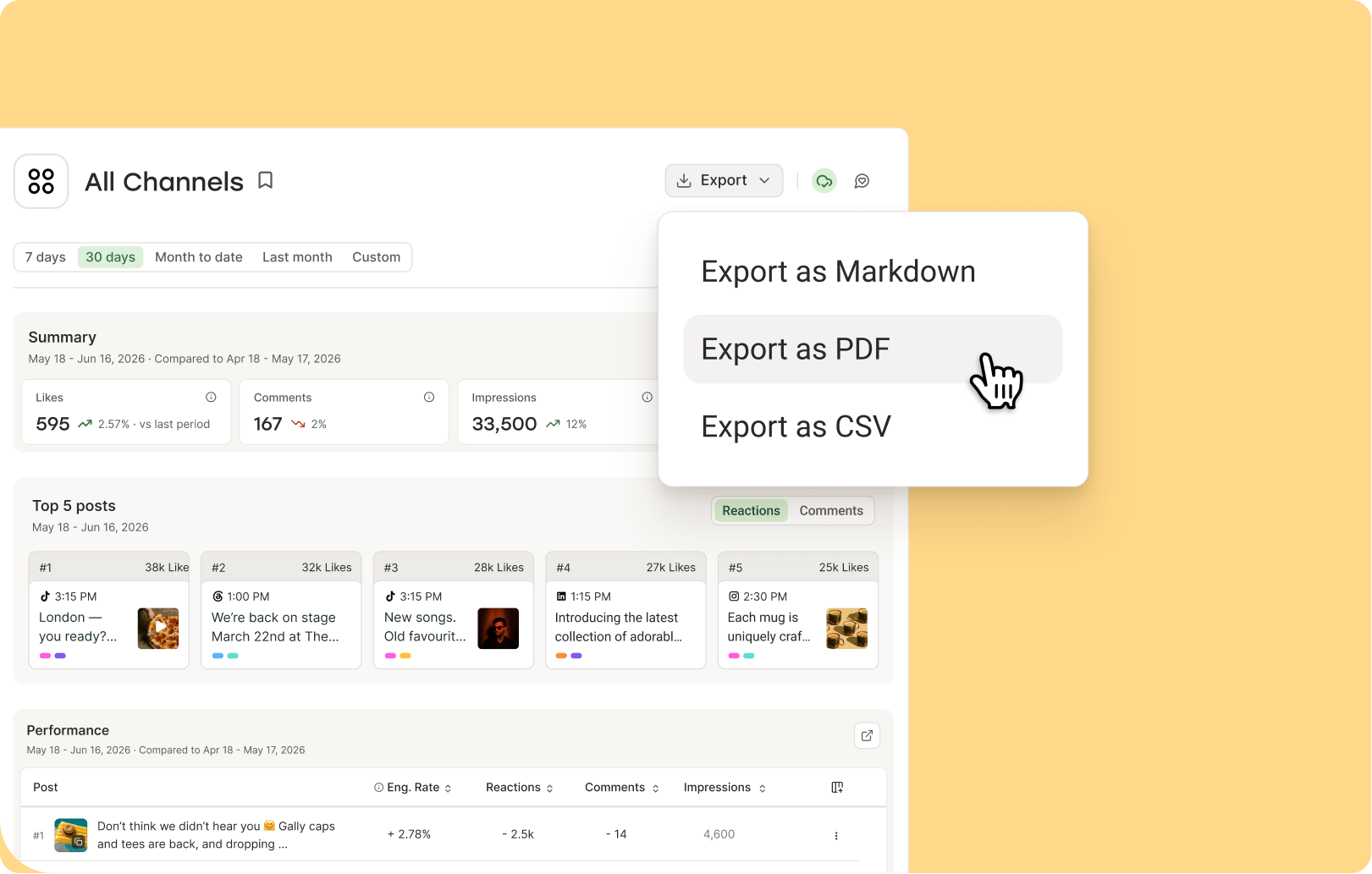
For teams that report to stakeholders who demand to see the bottom-line impact of social media, Agorapulse is unmatched. It excels at tracking the conversion journey, allowing marketers to tie specific posts to lead generation and sales.
Data-Driven Focus:
Agorapulse provides the "why" behind the "what." Its reporting tools are sophisticated enough to satisfy C-suite executives while remaining accessible for day-to-day managers. If your biggest challenge is proving ROI to leadership, this is the platform that will help you secure your budget for next year.
4. Sendible: The Agency’s Secret Weapon
Agencies face a unique challenge: managing multiple clients with distinct voices and reporting needs. Sendible handles this with aplomb, offering white-label reporting and a dedicated Client Connect portal.

Why Agencies Choose It:
The ability to grant clients restricted access without providing full platform credentials is a massive time-saver. By allowing clients to approve posts or view reports directly, Sendible reduces the "email back-and-forth" that typically clutters an agency’s workflow.
5. CoSchedule: Beyond Social Media
If you view social media as just one spoke in a larger content marketing wheel, CoSchedule is a game-changer. It is the only platform on this list that integrates your blog, newsletter, and email marketing calendar with your social schedule.
Chronology of a Campaign:
With CoSchedule, you can map out a product launch from the initial blog post draft through to the final social media promotion, all within one calendar view. It is less a social tool and more a project management command center for content creators.

6. Later: The Visual Storyteller
Later began as an Instagram-specific scheduler, and its DNA remains rooted in visual aesthetics. For brands whose identity is built on Instagram and TikTok, the visual planner is an essential feature that makes other, list-based schedulers feel antiquated.
Influencer Integration:
Later has evolved to become a powerhouse for influencer marketing. It provides tools for brands to manage campaigns and for creators to monetize their content, bridging the gap between social media management and partnership management.
7. Metricool: The Data Analyst’s Choice
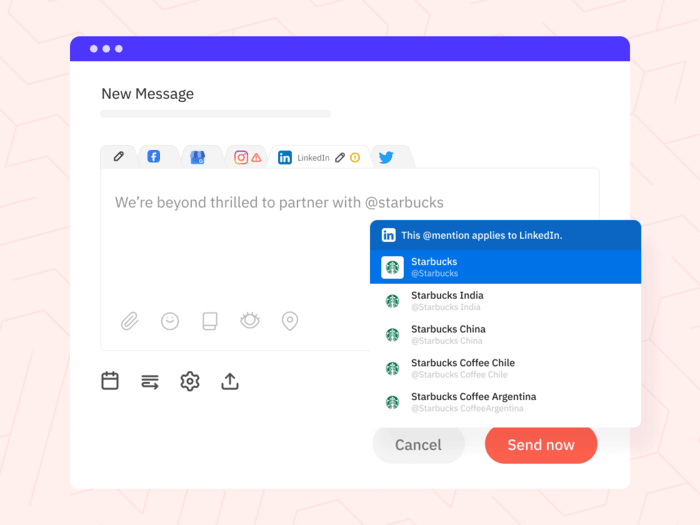
Metricool has rapidly gained favor among social media managers who want to see their organic and paid social efforts in a single dashboard. Its ad-management capabilities are surprisingly robust for the price point.
Standout Features:
The heatmap-style content calendar, which suggests the best times to post based on your unique audience engagement, is a standout. Additionally, the ability to track competitors and monitor hashtags provides a level of market intelligence that is usually reserved for much more expensive tiers.
8. RecurPost: Maximizing Video ROI
For creators and teams prioritizing video content (Reels, TikToks, Shorts), RecurPost offers a specialized toolkit. It goes beyond simple scheduling, allowing for advanced features like automated DMs upon posting and full YouTube video uploads.
The "Evergreen" Advantage:
RecurPost’s library feature allows you to recycle high-performing content automatically. This is a massive time-saver for teams that want to maintain a consistent presence without having to manually curate and schedule every single post every day.

Strategic Considerations for Migration
Transitioning from one platform to another can feel daunting, but it is often necessary for long-term sustainability. If you are considering a move, follow these best practices:
- Don’t Start from Scratch: Choose a platform like Buffer that offers robust data migration. Many modern tools can sync previous post data, ensuring you don’t lose years of insights.
- Audit Your Requirements: Before trialing a new tool, define the "must-haves." Is it deep analytics? Is it a unified inbox? Is it a lower price point? Rank these priorities to filter out noise.
- The "Trial Week" Rule: Do not commit to a yearly plan until you have spent at least one full week inside the platform. Use the free trial to schedule real content, engage with comments, and export a report. If the workflow feels intuitive by Friday, you have found your winner.
- Overlap Your Subscriptions: If possible, keep your current subscription active for a few days while you get the new system running. This allows you to export your queued content from the old system and re-import it into the new one without missing a beat in your publishing schedule.
Final Thoughts
There is no "perfect" tool; there is only the tool that aligns with your specific goals, team structure, and budget. While Sprout Social offers an impressive array of features, the landscape of digital marketing is shifting toward modularity. Marketers are increasingly opting for specialized, agile tools that allow them to move faster and spend smarter.
Whether you are a solo creator looking for a free, reliable scheduler or an agency head needing white-label reporting, there is an alternative that will not only save you money but potentially improve your day-to-day workflow. The best way to find your answer is to step outside the familiar, take advantage of the free trials listed above, and see which platform makes your content feel like a priority rather than a chore.

 Azzam Bilal Chamdy
 Iffa Jayyana
 Laily UPN

 Rifan Muazin
 Suro Senen
 Lina Hope
 Lina Irawan