
 Laily UPN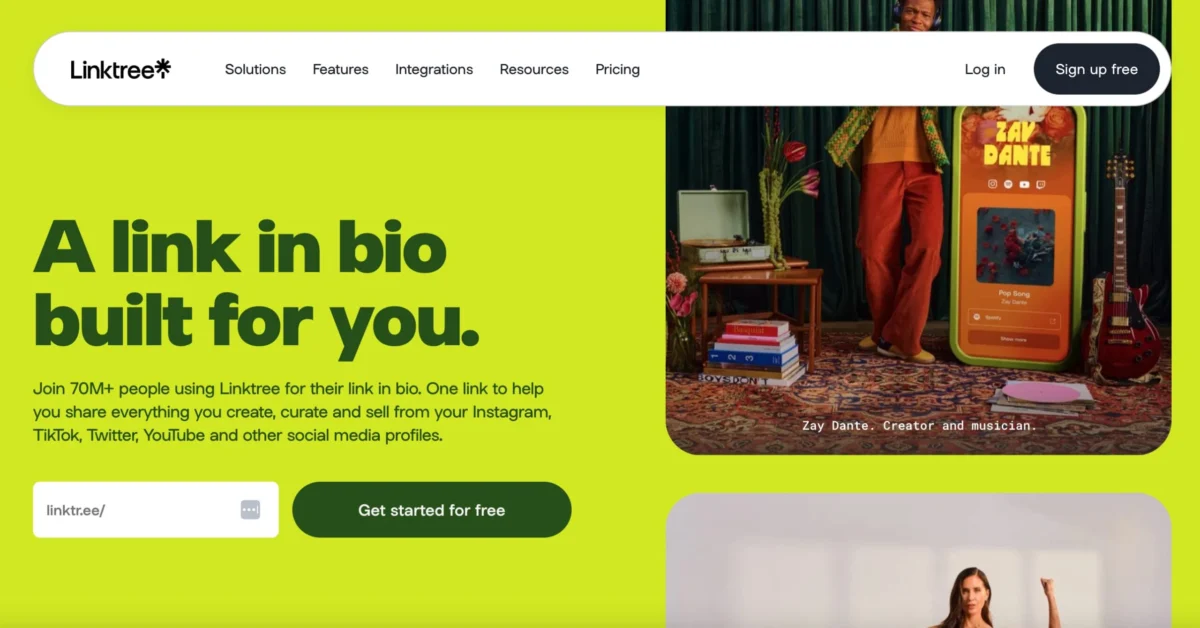
In the modern digital landscape, social media platforms serve as the primary storefront for millions of brands and creators. However, platforms like Instagram have historically restricted outbound traffic, limiting users to a single, static clickable URL in their profile bios. This constraint creates a "bottleneck effect" where brands struggle to funnel followers toward specific products, blog posts, or service pages.
Enter the "link-in-bio" tool—a sophisticated middleware solution that centralizes multiple destination URLs into one dynamic, mobile-optimized landing page. By utilizing these tools, brands can bypass restrictive platform limitations, effectively turning passive social media engagement into active website traffic and measurable conversions.
The Evolution of the Link-in-Bio: A Chronological Overview
The necessity for link-in-bio tools emerged in tandem with the rise of "influencer marketing" and social commerce. When Instagram launched in 2010, its primary focus was visual storytelling, not direct-response marketing. As the platform matured, brands began to exploit the comment section to drive traffic, which proved cumbersome and ineffective.
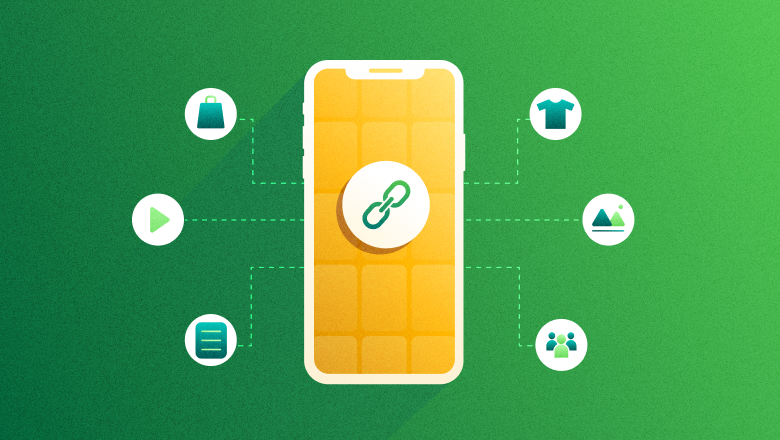
- 2016–2017: The Emergence of Aggregators. As the need for better traffic management grew, early tools like Linktree arrived, providing a simple, list-based interface for multiple URLs.
- 2018–2020: The Rise of Visual Commerce. As social commerce gained momentum, platforms began integrating "shoppable" features. Link-in-bio tools evolved from simple link lists into interactive grids that mirrored the aesthetic of an Instagram profile.
- 2021–Present: The "All-in-One" Creator Economy. The current generation of tools has moved beyond simple redirection. Today’s platforms, such as Stan Store or Beacons, function as full-service commerce hubs, allowing creators to accept payments, host digital courses, and capture email leads directly within the landing page interface.
Supporting Data: Why Centralization Matters
The data behind link-in-bio optimization is compelling. According to internal analysis by Sprout Social, users who transition to integrated, dynamic link-in-bio solutions experience an average 17% lift in daily profile engagement.
The rationale is clear: when a user clicks a bio link, they expect a seamless transition from the social post to the relevant content. If the user is forced to navigate a cluttered website homepage rather than a curated landing page, bounce rates spike. By providing a "clickable grid" that visually mirrors the Instagram feed, brands reduce the "cognitive load" on the visitor, leading to higher click-through rates (CTR) and improved conversion funnels.
Top 8 Tools to Optimize Your Social Traffic
1. Sprout Social (SproutLink)
Best for: Integrated social media workflows.
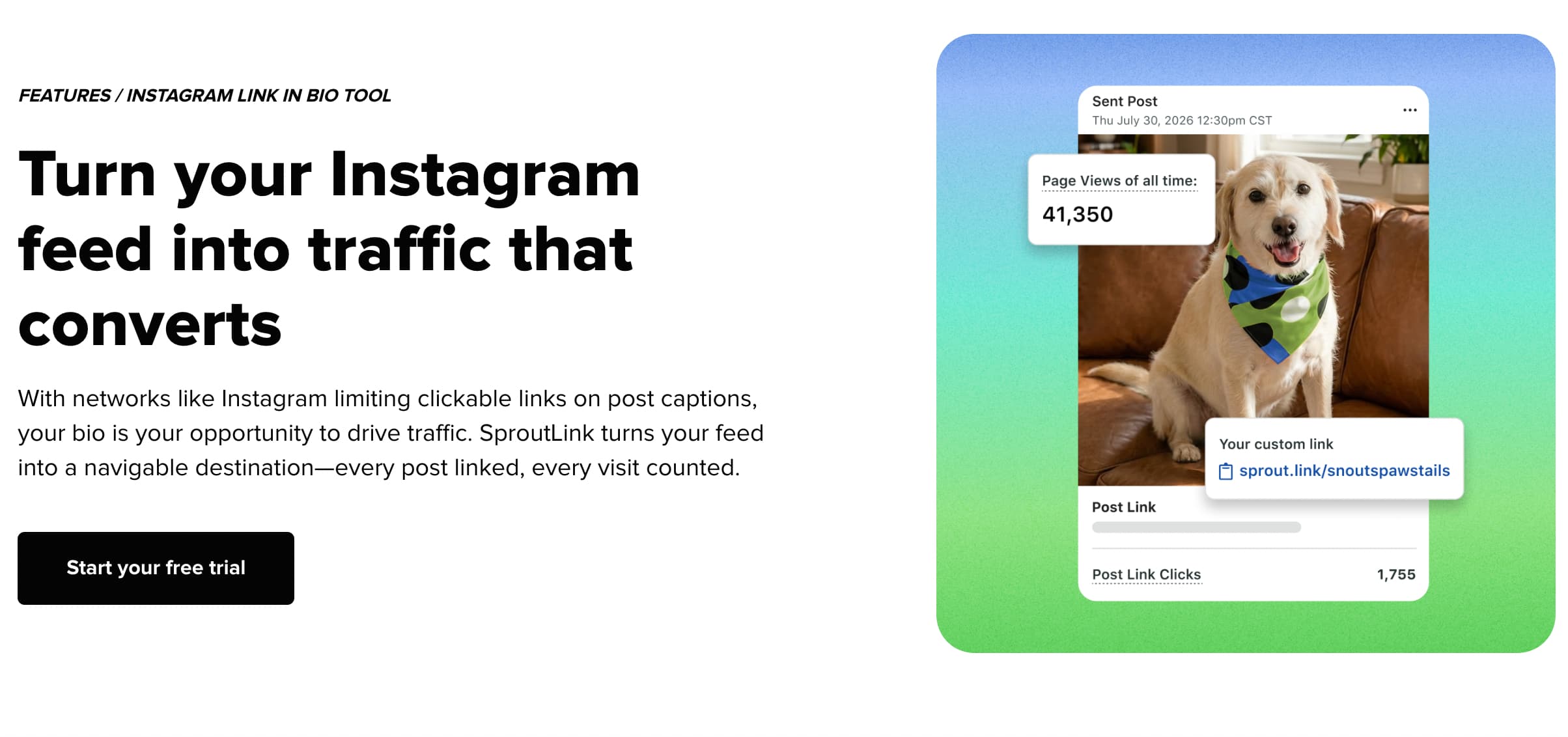
SproutLink distinguishes itself by baking the tool directly into a comprehensive social media management suite. Rather than managing a separate app, social teams can attach destination URLs while scheduling their posts. The tool automatically updates the landing page, ensuring that every post is supported by a functional, branded link.
2. Linktree
Best for: Speed and simplicity.
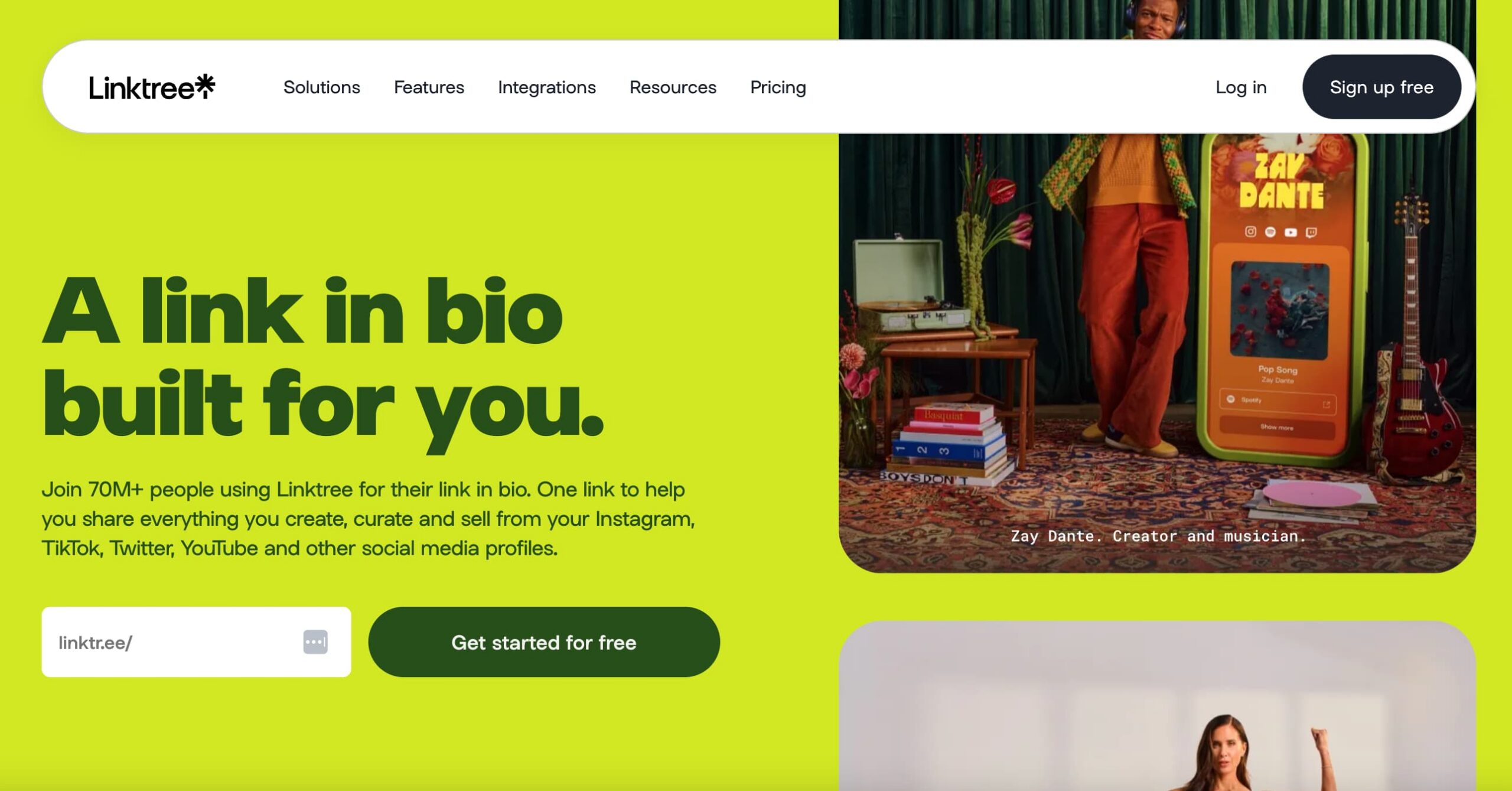
Often considered the pioneer of the category, Linktree offers a "no-frills" approach. It is ideal for solopreneurs who need a functional page in minutes. Its strength lies in its ecosystem, which supports QR codes for offline-to-online traffic mapping.
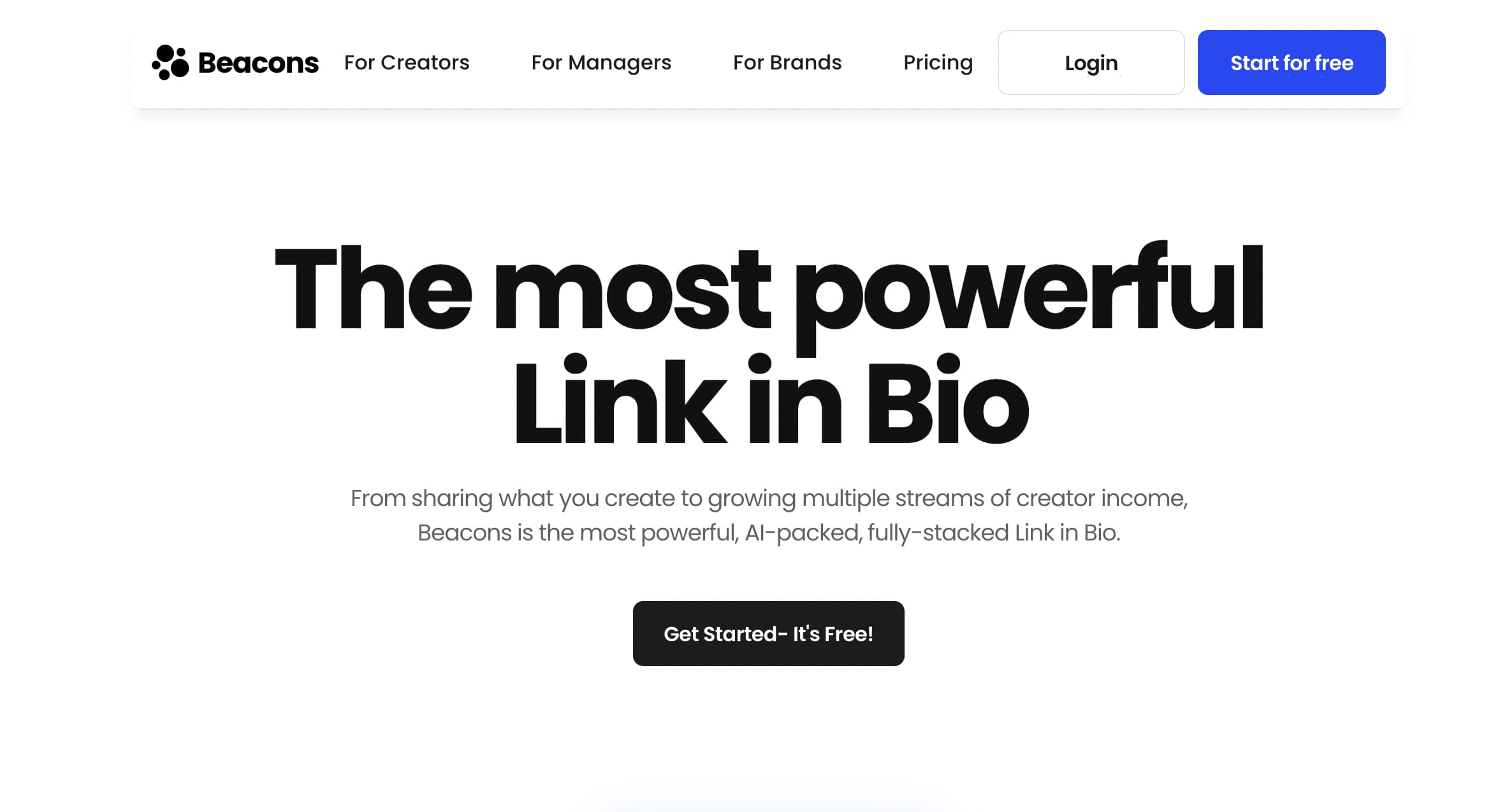
3. Beacons
Best for: Monetization-focused creators.
Beacons functions as a mini-business hub. Beyond links, it allows users to embed music players, product displays, and complex signup forms. It is effectively a "website-in-a-box" for creators who need to manage their entire digital presence from one dashboard.
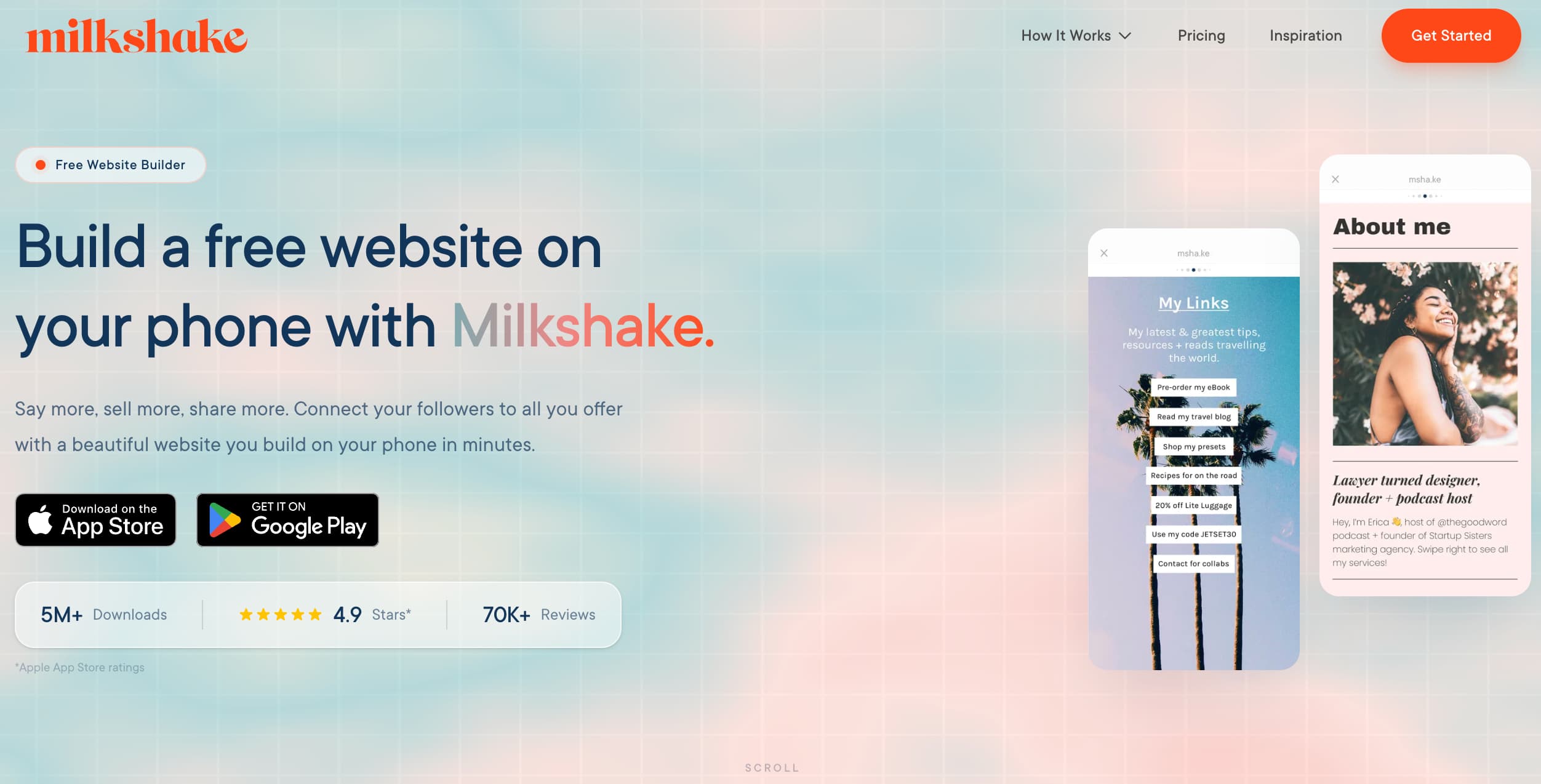
4. Milkshake
Best for: Mobile-first, visual storytelling.
Milkshake operates on a "Cards" system. Instead of a long, scrolling list, users swipe through cards to find what they need. It is visually arresting and designed specifically for the mobile user, making it highly effective for brands prioritizing aesthetics.
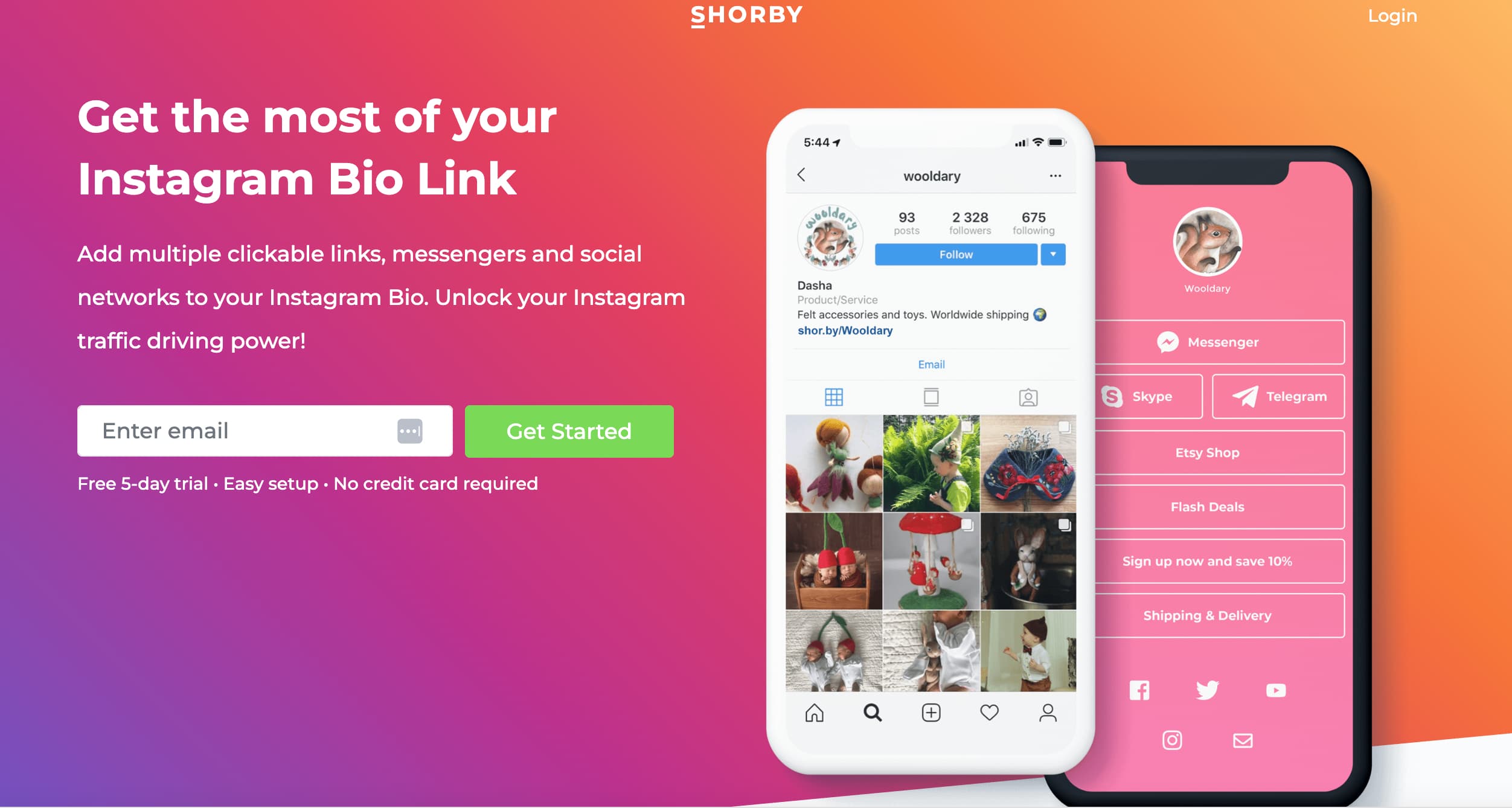
5. Shorby
Best for: Data-driven marketers.
Shorby is built for those obsessed with analytics. By integrating with tracking pixels, the tool allows brands to retarget visitors who clicked a link in their bio with specific ads on other platforms. This is essential for teams focused on ROAS (Return on Ad Spend).
6. Carrd
Best for: Customization and design freedom.
While other tools rely on rigid templates, Carrd provides a true, one-page website builder. It is perfect for brands that want their landing page to match their brand guidelines precisely, offering support for custom domains and third-party integrations like Stripe.
7. Stan Store
Best for: Selling digital products.
Stan Store is the premier choice for creators selling coaching, e-books, or courses. It removes the "friction" of the traditional e-commerce checkout, offering one-tap purchase functionality directly from the bio link.
8. Lnk.Bio
Best for: Minimalists.
For those who want a clean, no-nonsense list, Lnk.Bio offers the most straightforward interface. It is highly reliable and affordable, perfect for those who do not require advanced marketing automation.
Official Industry Perspectives: The Strategic Shift
Industry leaders emphasize that the "link-in-bio" is no longer just a technical workaround—it is a critical touchpoint in the customer journey. According to digital strategy experts, the transition from "social media manager" to "social commerce lead" requires a shift in how these tools are viewed.
"The goal isn’t just to get someone off the platform," says one lead strategist. "The goal is to provide a landing experience that feels as native to the brand as the social post itself. When the experience is disconnected, the brand loses the ‘trust-momentum’ built on the social feed."
Implications for Your Brand’s Marketing Strategy
Implementing a link-in-bio tool has three primary implications for your digital strategy:
- Attribution Accuracy: By using these tools, you can finally see exactly which social post is driving specific traffic. Without a centralized hub, attributing a sale to a specific Instagram post is notoriously difficult.
- Brand Credibility: A branded URL (e.g.,
link.yourbrand.com) provides a level of professionalism that generic URLs lack. It signals to the consumer that they are in a safe, controlled environment. - Future-Proofing: Social media algorithms are volatile. Relying solely on the algorithm to push your content is a risk. A link-in-bio tool allows you to capture email addresses or move traffic to your owned properties (websites, newsletters), effectively insulating your business from platform volatility.
How to Choose the Right Tool
To select the right solution, you must audit your organization’s needs:
- The Workflow Test: If your social media team is already using a platform like Sprout Social, it is inefficient to manage links in a separate, third-party tool. Opt for integrated solutions.
- The Monetization Test: If you are a coach or digital seller, prioritize tools like Stan Store that prioritize the checkout process.
- The Design Test: If your brand identity is your primary differentiator, opt for Carrd or Milkshake to ensure your landing page doesn’t look like everyone else’s.
Conclusion: Making Every Click Count
In the era of short-form video and rapid-fire content, the "link-in-bio" serves as the bridge between curiosity and commitment. A well-optimized landing page transforms a casual viewer into a subscriber, a customer, or a lead. By selecting the right tool and aligning it with your broader marketing strategy, you ensure that every interaction on your social channels is maximized for growth.
The question is no longer whether you need a link-in-bio tool—the question is how efficiently your chosen tool is converting your social audience into tangible business results. Whether you prioritize workflow automation or deep-level analytics, the solution exists to ensure that no click is wasted.


 Nana Wu
 Suro Senen
 Raul Delapena Setiawan
 Dwi Wanna
 Muslim


 Rifan Muazin