
 Suro Senen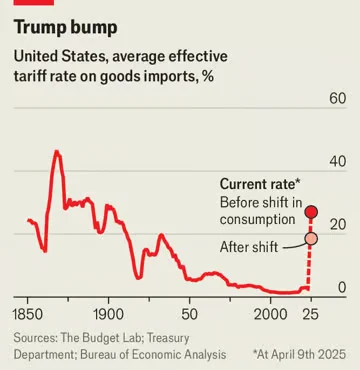
The global financial landscape has spent the better part of 2025 navigating a period of unprecedented turbulence, largely driven by a seismic shift in U.S. trade policy. After years of a relatively steady, albeit slow, climb, the stock market has transformed into a high-stakes roller coaster. In a matter of months, investors have witnessed historic dips—with total market value swinging by as much as 20%—followed by rapid recoveries that have, as of mid-year, brought indices back near their previous peaks.
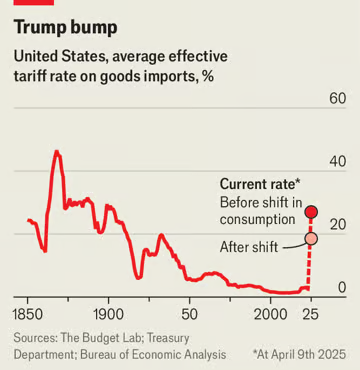
While financial markets often move on opaque signals, the current volatility has a clear, singular catalyst: the aggressive implementation and threat of international tariffs. As the U.S. government engages in a worldwide trade battle, the ripple effects are being felt from corporate boardrooms to the household budgets of everyday investors.
Chronology: From Market Stability to Trade Turbulence
The current state of affairs marks a distinct departure from the economic norms of the last several decades.

- February 2025: The stock market reached a multi-year milestone, capping off a period of consistent growth. However, this peak proved to be the calm before the storm, as the administration began signaling a radical departure from established free-trade protocols.
- April 2025: The introduction of "Liberation Day" tariff announcements triggered one of the most significant single-day market drops since 1932. Investors who succumbed to panic-induced selling locked in substantial losses, ignoring the long-term historical trends that typically favor staying the course.
- May–June 2025: A period of "ping-pong" diplomacy followed. As the administration hinted at softening certain tariff stances, the market responded with reflexive rallies. This pattern has underscored the extreme sensitivity of the current economic environment to executive rhetoric.
Understanding the Mechanism: What is a Tariff?
At its core, a tariff is a tax on imports. While political rhetoric often frames tariffs as a fee paid by foreign nations, the economic reality is far more localized. When a government imposes a tariff, the immediate burden falls upon the importer—be it a multinational corporation or a small business owner.
When companies like Apple, Walmart, or local manufacturers pay these import taxes, they are faced with a binary choice: absorb the cost, thereby reducing profit margins, or pass the cost on to the end consumer. Given the mandate of fiduciary responsibility to shareholders, most corporations choose the latter. Consequently, a tariff functions as a broad-based national sales tax, effectively shrinking the purchasing power of the average citizen.
The Hidden Costs to Infrastructure and Innovation
Beyond consumer goods, tariffs strike at the foundation of the economy. When building materials such as steel, copper, and lumber face steep import taxes, the cost of capital projects—ranging from new corporate facilities to residential housing—increases significantly. This leads to a slower, less efficient economy where capital that could have been directed toward innovation or expansion is instead swallowed by increased overhead.

Supporting Data: The Case for Free Trade vs. Protectionism
Economists generally view tariffs as blunt instruments that should be used with extreme caution. While the protection of domestic industries—such as the defense sector—is often cited as a strategic necessity, the systemic costs are rarely highlighted in political discourse.
The "Honda vs. GM" Paradox
Consider a hypothetical scenario where a $5,000 tariff is placed on imported vehicles. While this may provide a short-term boost to domestic manufacturers like General Motors by making their vehicles relatively cheaper, it imposes a "hidden" cost on the entire economy. As competitors face artificial barriers, the incentive to innovate wanes. Furthermore, if logistics companies like Amazon are forced to pay more for their delivery fleets due to these inflated prices, those costs are inevitably pushed down the supply chain, raising prices for everyone.
The Bipartisan Reality
The trend of protectionism is not confined to one political party. Both the Biden administration and the subsequent Trump administration have utilized tariffs in attempts to court specific voting blocs. One notable example is the tariff on solar panel components. By taxing the very technology that provides low-cost energy, the government effectively raises the cost of living and hampers industrial productivity. Economists argue that restricting the flow of such wealth-generating technology is counterproductive to long-term national prosperity.

Official Responses and Political Strategy
The current administration’s approach to trade has left both Wall Street and international observers bewildered. Donald Trump has frequently characterized tariffs as a source of national wealth, focusing on the immediate, tangible benefits—such as domestic job creation in specific sectors—while disregarding the systemic inefficiencies they create.
The "Dictatorship" Concern
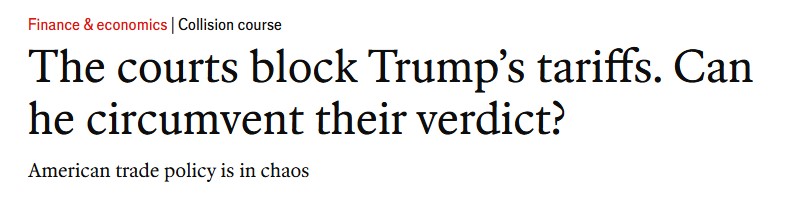
Critics argue that the current economic volatility is a symptom of a broader constitutional issue: the concentration of economic power in the hands of a single executive. When trade policy shifts on a daily basis via social media or executive decree, businesses lose the ability to plan for the long term. This unpredictability creates a "chilling effect" on capital investment. The judicial branch has begun to intervene, with various legal challenges aiming to determine the extent of executive authority in imposing these taxes without congressional oversight.
Implications for the Long-Term Investor
For those invested in the stock market for the long haul, the current climate presents a psychological, rather than a financial, challenge.
Inventory Lag and Future Inflation
While many consumers have not yet felt the full brunt of these policies, the lag is primarily due to existing inventory. Businesses operate on a "just-in-time" supply chain, and many firms stockpiled goods in anticipation of the trade barriers. As these stockpiles deplete, the market is likely to see genuine shortages and price increases throughout the remainder of 2025.
The "This Too Shall Pass" Philosophy
There are two primary scenarios for the conclusion of this trade saga:
- The "New Normal": Should these high tariffs become permanent, the U.S. economy would likely transition into a more insular, higher-cost environment. This would necessitate a restructuring of corporate strategies and a permanent shift in consumer spending power.
- The Correction: More likely, the current tariff regime serves as a high-stakes, if blunt, negotiating tactic. History suggests that the economic drag of sustained protectionism eventually forces a return to freer trade, as the globalized nature of modern industry makes full economic isolationism untenable.
Conclusion: Avoiding the Headlines, Managing the Portfolio
The most vital lesson for investors in the current climate is the distinction between market noise and economic reality. Modern commercial media is heavily incentivized to generate outrage and fear, as these emotions drive engagement and advertising revenue. Whether a news source leans left or right, the profit motive of the headlines remains the same.
True economic expertise requires looking past the daily ticker tape. The fact that the stock market has remained resilient, and in some cases reached new highs despite high tariffs, suggests that the collective intelligence of the market expects a return to relative stability.
For the average investor, the strategy remains unchanged: stay the course, avoid reactionary selling, and maintain a focus on long-term growth. As we move through the remainder of the year, the best path forward is often to ignore the daily volatility, keep a watchful eye on one’s own financial foundation, and remember that, historically, the markets have always found a way to balance out. The "circus" may be in town, but for the disciplined investor, the show is largely irrelevant.


 Ali Ikhwan
 Layla Zulfa
 Laily UPN
 Iffa Jayyana
 Rifan Muazin

 Lina Hope
 Lina Irawan