
 Layla Zulfa
The social media landscape is in a constant state of flux, driven by rapid technological advancements and shifting user behaviors. Between early 2025 and late 2026, major platforms—including Instagram, TikTok, X, LinkedIn, and YouTube—have undergone significant structural and functional overhauls. These changes reflect a broader industry trend toward deeper community engagement, increased AI integration, and a persistent struggle to balance algorithmic curation with authentic, chronological connection.
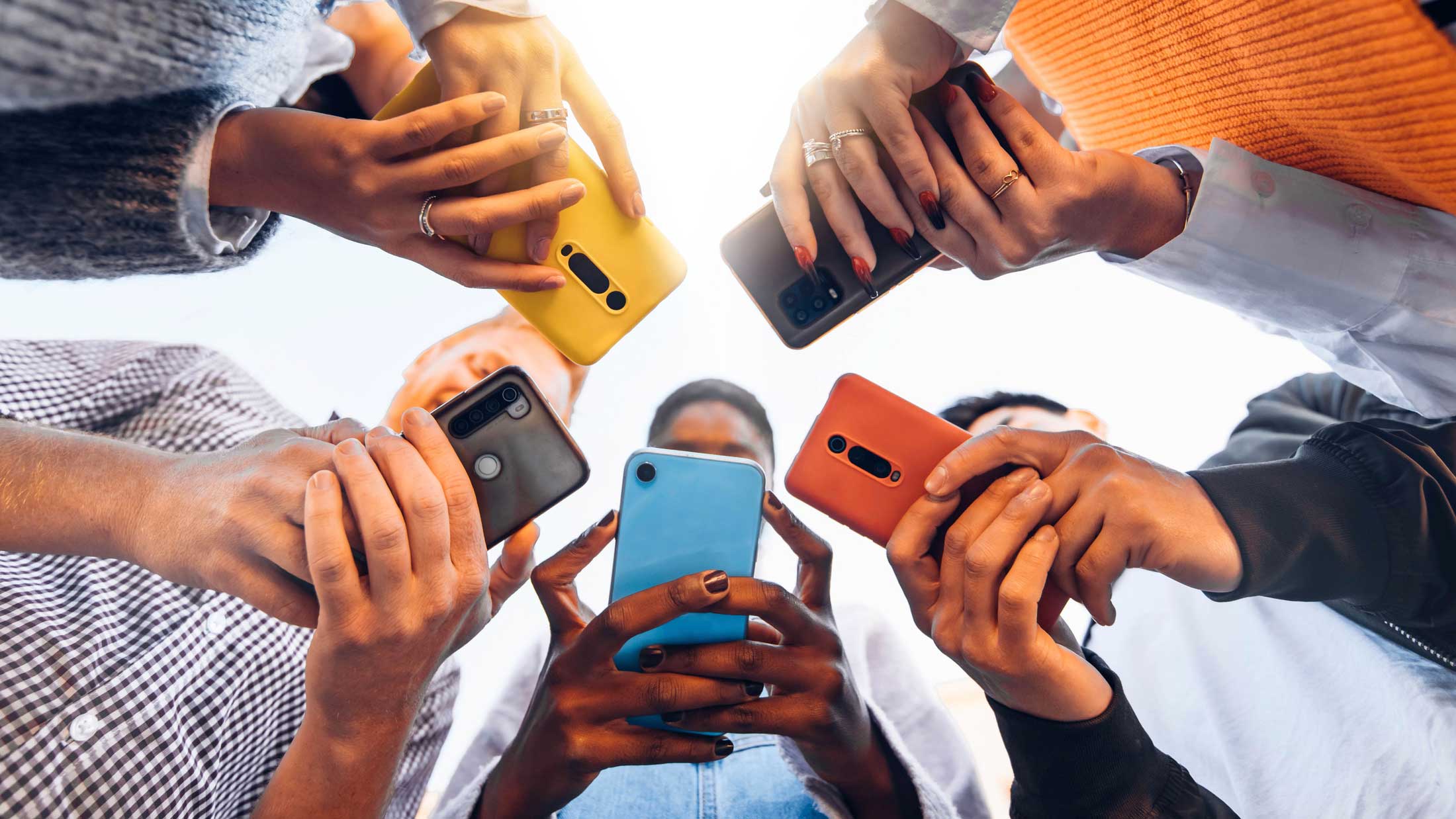
This report synthesizes the critical updates that have defined the last eighteen months, detailing the technical shifts, the strategic implications for brands, and the broader cultural impact of these platform evolutions.

1. The Shift Toward AI-Driven Personalization and Transparency
One of the most profound shifts in social media during this period has been the aggressive integration of Artificial Intelligence, not just as a content creation tool, but as a mechanism for platform governance and user experience.

AI Transparency and Labeling
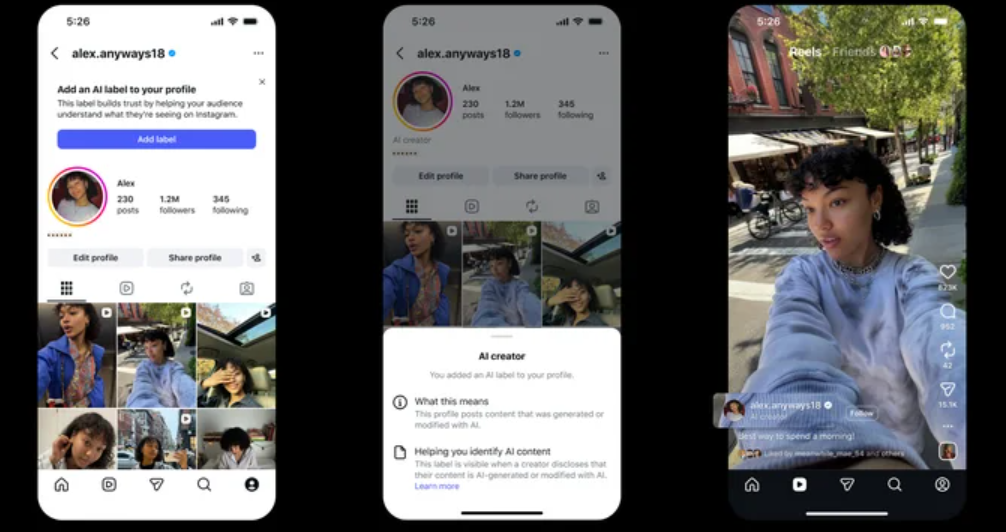
As AI-generated content became ubiquitous, platforms moved from experimentation to strict enforcement of disclosure. Instagram, for instance, transitioned its "AI creator" labels to the more descriptive "AI-generated profile" designation. Any account operating via an AI persona is now mandated to disclose this clearly to maintain their standing; failure to do so risks a significant reduction in algorithmic reach. This move is a clear signal from Meta: audience trust is now a quantifiable metric tied to transparency.

The Rise of Generative Video
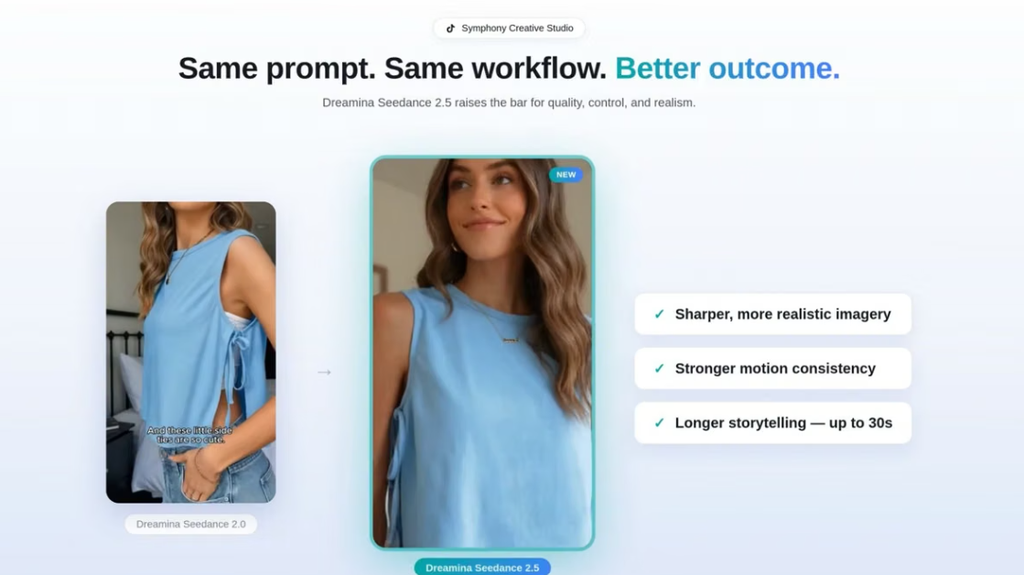
The creative bottleneck for advertisers has been addressed through tools like TikTok’s "Symphony" and the "Dreamina Seedance 2.5" model. Advertisers can now generate 30-second clips, utilize multi-modal references, and refine visuals with unprecedented speed. Similarly, OpenAI’s Sora made a massive impact upon its release, climbing to the top of app stores almost instantly, while Meta launched Vibes, an AI-only video feed, to capture the growing appetite for synthetic, yet highly engaging, visual media.

2. Chronology of Key Platform Evolutions
The following timeline highlights the most impactful feature rollouts from early 2025 through September 2026.
Early 2025: The Foundation of New Tools
- January 2025: Instagram launched "Trial Reels," allowing creators to test content on non-followers without cluttering their main profile grid. LinkedIn began its push into vertical video, adopting a TikTok-style full-screen player to capitalize on a 36% year-over-year increase in video engagement.
- February/March 2025: Facebook introduced monetization for Stories, and Threads launched its long-awaited native DM inbox, signaling a move toward autonomy from the Instagram ecosystem. Meanwhile, the announcement of "Edits," a specialized short-form video creation app from Meta, promised a new era of collaborative editing.
Late 2025: Community and Search
- September 2025: TikTok rolled out its "Nearby Feed" in European markets, directly challenging traditional local search engines like Google Maps.
- October 2025: Snapchat introduced "infinite retention" for group chats, moving away from its roots as a purely ephemeral messaging service.
- November 2025: YouTube announced advanced likeness detection tools to combat unauthorized AI deepfakes, providing creators with a digital safety net.
2026: The Maturity of the Ecosystem
- April 2026: Instagram allowed carousel post reordering, a simple yet transformative tool for aesthetic management.
- July 2026: Meta enabled stablecoin payments for ads, signaling a pivot back toward crypto-integrated commerce despite previous regulatory hurdles.
- September 2026: Instagram redesigned its profile grid, moving from the traditional square format to a rectangular layout that mirrors the verticality of Reels. Additionally, TikTok introduced voice comments and photo carousels, fundamentally changing the architecture of social interaction.
3. Supporting Data: The Engagement Economy
The motivation behind these updates is grounded in hard data regarding user behavior. LinkedIn’s Q2 2026 performance report revealed an 18% year-over-year increase in time spent in comment sections. This single statistic prompted the platform to overhaul its comment ranking system, surfacing relevant discussions directly in the feed to keep users on the app longer.
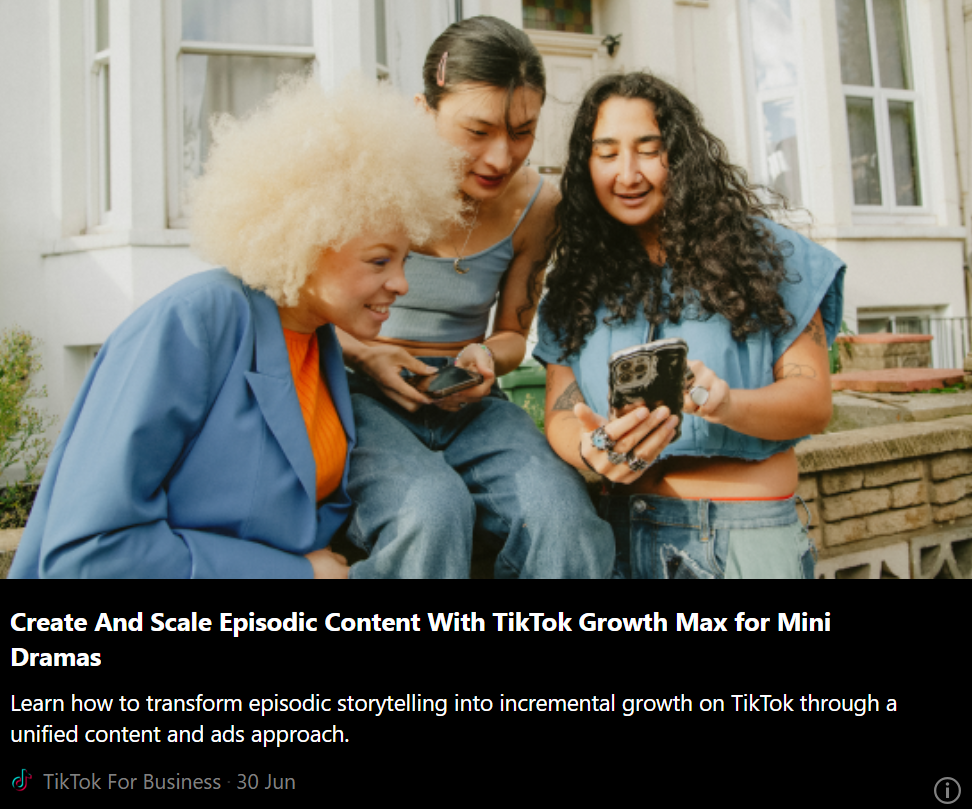
Similarly, TikTok’s "Growth Max" campaigns were reported to drive a 52% increase in incremental reach compared to off-platform acquisition, justifying the platform’s investment in "Mini Dramas" and episodic content.
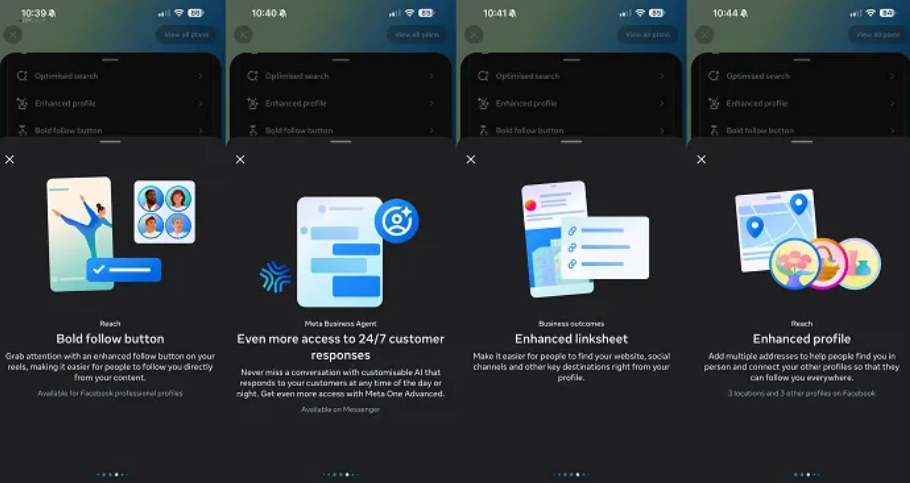
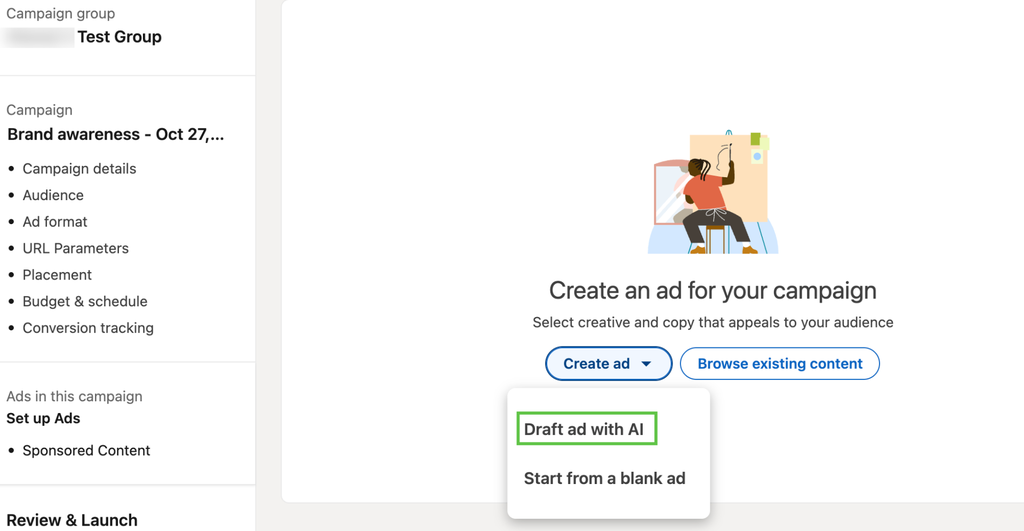
The most striking data point, however, relates to the impact of creative diversity. LinkedIn’s internal research found that ad campaigns utilizing five or more creative variants saw a 20% higher click-through rate. This has led to the deployment of "Brand Kit" and "AI Ad Variants" within the LinkedIn Campaign Manager, effectively turning ad optimization into a data-driven science rather than a manual chore.
4. Official Responses and Industry Sentiment
The response to these changes has been a mixture of enthusiasm and skepticism.
The "MySpace" Comeback Narrative
Perhaps the most unusual industry development was the tease of a MySpace revival. Owners Tim and Chris Vanderhook noted that the modern user’s fatigue with algorithm-driven feeds has created a vacuum. By promising a chronological, algorithm-free experience with "Top 8" lists and profile music, they aim to tap into a growing segment of the population that feels alienated by the "optimized" experience of TikTok and Instagram.
Instagram’s Grid Controversy
When Instagram transitioned to vertical grid thumbnails in 2026, the outcry was immediate. Many creators felt their "grid aesthetic" was ruined. Adam Mosseri’s response was characteristically pragmatic: the change was necessary because users no longer view the grid as a static portfolio but as a dynamic entry point to vertical video content.

5. Strategic Implications for Brands and Creators
For social media managers and brands, the takeaway from the 2025–2026 cycle is clear: Adaptability is the only constant.
- Collaboration is the New Reach: With the ability to add tagged posts to one’s own grid and the rise of collaborative stories, brands can now maximize the ROI of influencer partnerships. A single sponsored post can effectively live on the grids of both the brand and the creator, compounding reach without additional production costs.
- Community as a Product: Features like Threads’ live chat co-hosting and TikTok’s "Bulletin Boards" show that platforms are prioritizing high-signal, small-group interactions. Brands should shift focus from "broad reach" to "community cultivation."
- The Death of the "Link in Bio": The ability to add links directly to Instagram captions—though currently limited to select verified users—marks the beginning of the end for the clunky "link in bio" workarounds. Brands should prepare for a future where friction is removed from the conversion path.
- Audit Your AI Presence: With platforms now enforcing transparency, brands must audit their content pipelines. Using AI is acceptable, but failing to label it will likely lead to "shadow-banning" or restricted visibility. Trust is the currency of the future.
Conclusion: Looking Ahead
The social media landscape of late 2026 is one that rewards depth over breadth. While algorithms still dictate the flow of content, the power to define the user experience is slowly being handed back to the user—through topic controls on Instagram, filtering options on Pinterest, and the return of chronological, community-focused spaces.
As we move forward, the most successful brands will be those that treat these new features not just as marketing tools, but as ways to foster genuine, transparent, and persistent connections with their audiences. The "broken internet" that BuzzFeed’s Jonah Peretti describes is being rebuilt, block by block, in the comments, the DMs, and the collaborative spaces of these evolving digital giants. The challenge for 2027 and beyond will be to maintain that human connection in an increasingly AI-mediated world.

 Ammar Sabilarrohman

 Raul Delapena Setiawan
 Dwi Wanna
 Muslim
 Nana Wu

 Rifan Muazin