
 Raul Delapena Setiawan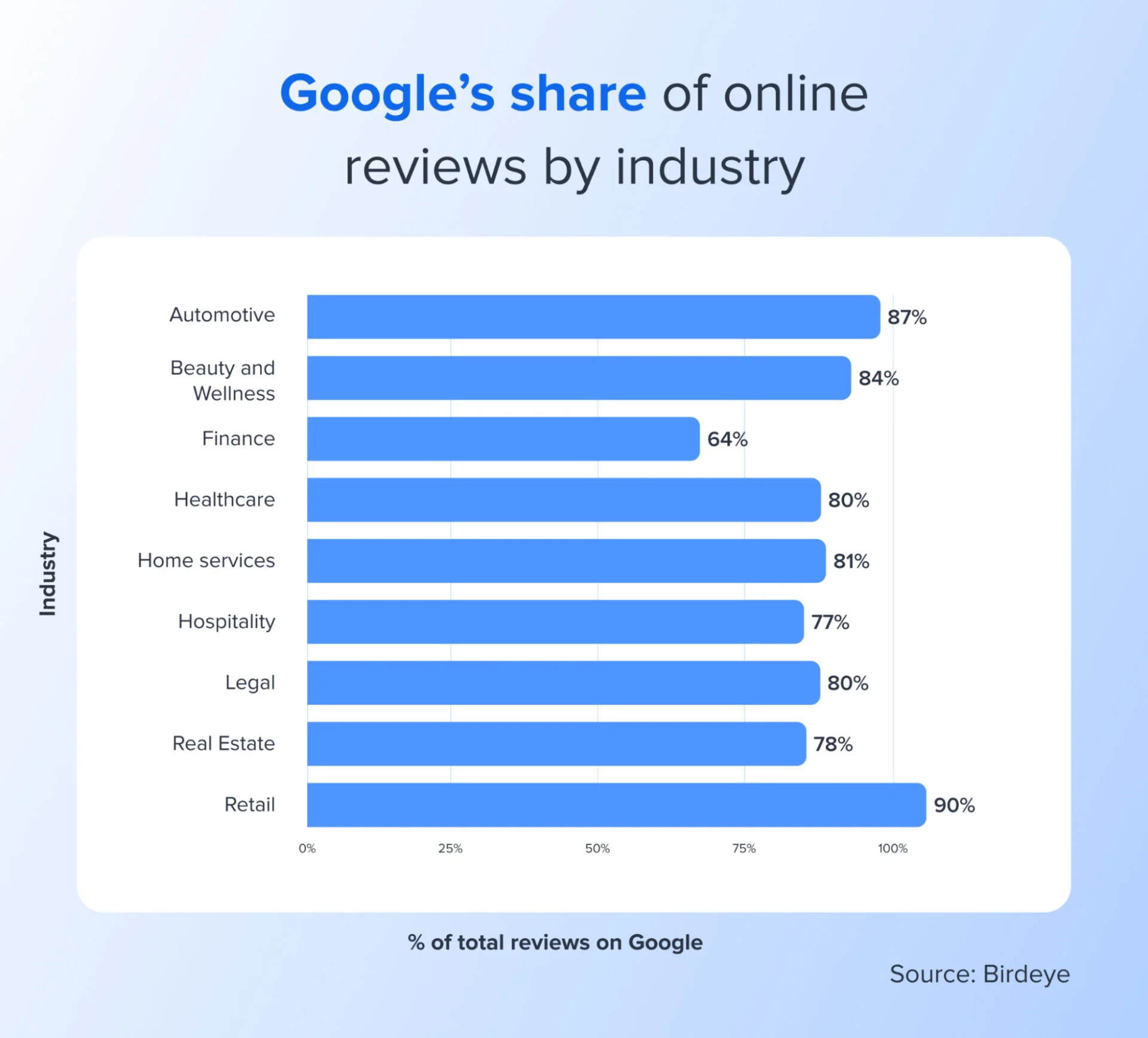
In the modern digital economy, a business’s reputation is no longer defined solely by its marketing campaigns or its storefront aesthetic. Instead, it is being meticulously crafted—one star at a time—by the collective voice of the consumer. Every day, across platforms like Google, Yelp, Facebook, and industry-specific aggregators, customers are engaged in a global conversation about your brand. This "digital word-of-mouth" has become the primary filter through which potential clients evaluate their options, making the management of online reviews a critical imperative for businesses of all sizes.
For the modern enterprise, understanding these customer conversations is not just a PR exercise; it is a fundamental business strategy. Whether you are a local boutique or a multinational corporation, your online review profile serves as the ultimate arbiter of your credibility, visibility, and, ultimately, your bottom line.
The Architecture of Reputation: Understanding the Landscape
Online reviews function as the new social currency. When a customer searches for a service or product, they are not merely looking for a transaction; they are looking for validation. The digital landscape has shifted from a one-way street of corporate messaging to a dynamic, participatory environment where consumers act as both judge and jury.
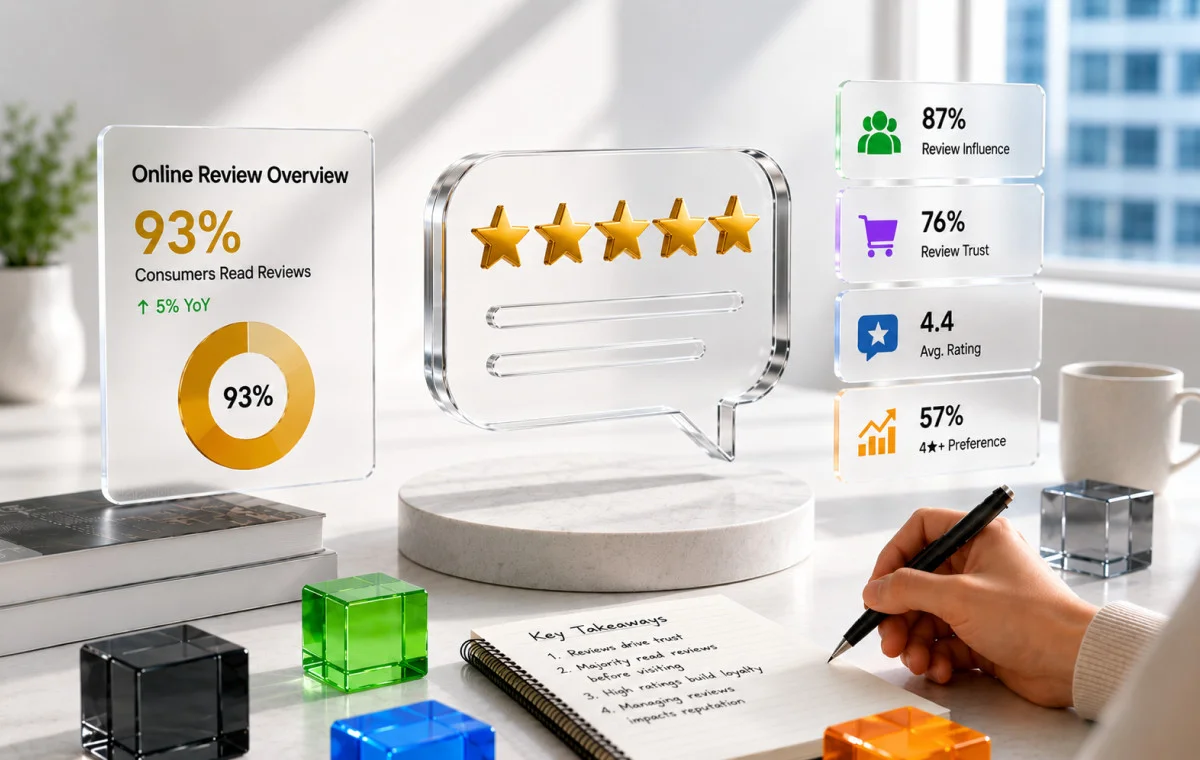
This shift has created a high-stakes environment where businesses must be proactive. To ignore these platforms is to cede control of your brand narrative to whoever happens to be typing. By monitoring and managing these mentions, companies can transform potential crises into customer service triumphs and turn passive shoppers into brand advocates.
General Online Review Statistics: The Numbers Behind the Trust
The influence of online reviews is not anecdotal; it is empirically backed by a massive body of data. Research consistently shows that consumer behavior is inextricably linked to the star ratings and written feedback left by previous patrons.
The Threshold of Credibility
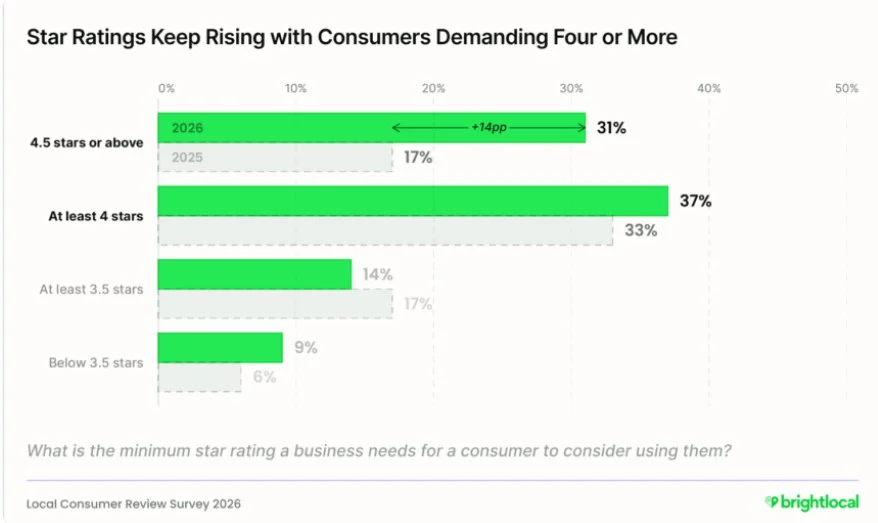
Consumers have become increasingly discerning. Data indicates that there is a "trust threshold"—a minimum star rating that a business must maintain before a consumer even considers engaging with them. Falling below this threshold is akin to locking your doors to new business. For many, a rating below 3.5 stars is an immediate disqualifier.
The Influence of Volume and Recency
It is not enough to have a good rating; the feedback must be current. Modern consumers are skeptical of "stale" reviews. A business with a 4.8-star rating from 2021 carries significantly less weight than one with a 4.5-star rating from last week. The volume of reviews also serves as a proxy for business health and stability, with higher numbers of reviews correlating with higher consumer confidence.
Sector-Specific Dynamics: How Reviews Shape Different Industries
While the demand for high-quality reviews is universal, the implications vary significantly across industries.
Healthcare: The Trust Imperative
In the healthcare sector, reviews carry a weight of life-altering importance. Patients seeking medical care rely heavily on peer experiences to determine the bedside manner, competence, and reliability of practitioners. A single negative review in this sector can have a much more profound impact on a provider’s practice than in retail, as the stakes—personal health and well-being—are significantly higher.
Hospitality and Dining: The Visual Economy
For restaurants and hotels, the "visual review" is becoming the new gold standard. Platforms that allow for photo and video uploads have revolutionized the industry. Potential diners are no longer just reading about the quality of the food; they are viewing high-resolution imagery of the presentation and the ambiance. Trends show that listings featuring user-generated photos receive substantially more clicks and higher conversion rates than those relying solely on text.
B2B and Software: Professional Vetting
In the B2B and software-as-a-service (SaaS) space, the review cycle is longer and more analytical. Decision-makers in these sectors look for detailed, feature-specific feedback. They are not interested in "five stars"; they are interested in "scalability," "customer support responsiveness," and "integration ease." Consequently, the reviews that hold the most power here are long-form, analytical testimonials that address specific pain points.
The Power of the Response: An Official Perspective
How a business handles feedback is just as important as the feedback itself. A business’s response to a negative review is effectively a public performance. It demonstrates to the world how the company handles adversity and accountability.
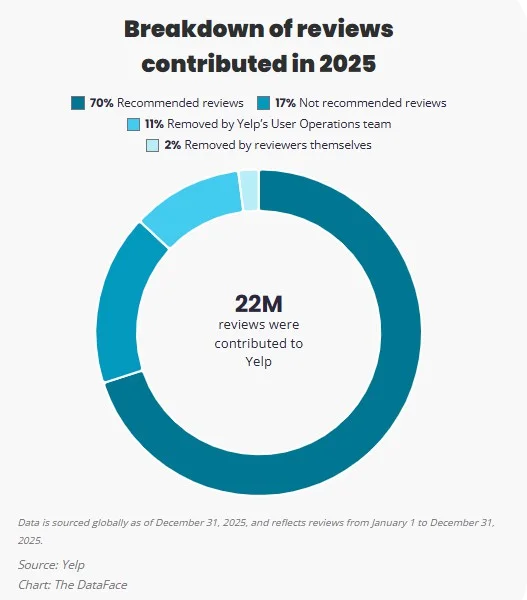
Industry experts and reputation management firms emphasize that ignoring a review is a tactical error. A professional, empathetic response—one that acknowledges the customer’s frustration and offers a path toward resolution—can often mitigate the damage of a one-star review. In fact, many consumers report that they are more impressed by a brand that handles a complaint gracefully than one that has no complaints at all. The response is not just for the aggrieved customer; it is for every prospective customer who will read that thread in the future.
Emerging Trends: The Future of Consumer Feedback
As we look toward the future, the mechanisms of review collection and consumption are evolving:
- Multimedia Integration: Text-based reviews are being supplemented by video and photographic evidence. This adds a layer of authenticity that is difficult to fabricate.
- AI-Driven Sentiment Analysis: Businesses are increasingly using AI to scan thousands of reviews, identifying patterns in consumer sentiment that might go unnoticed by human managers. This allows for rapid pivots in operations or service delivery.
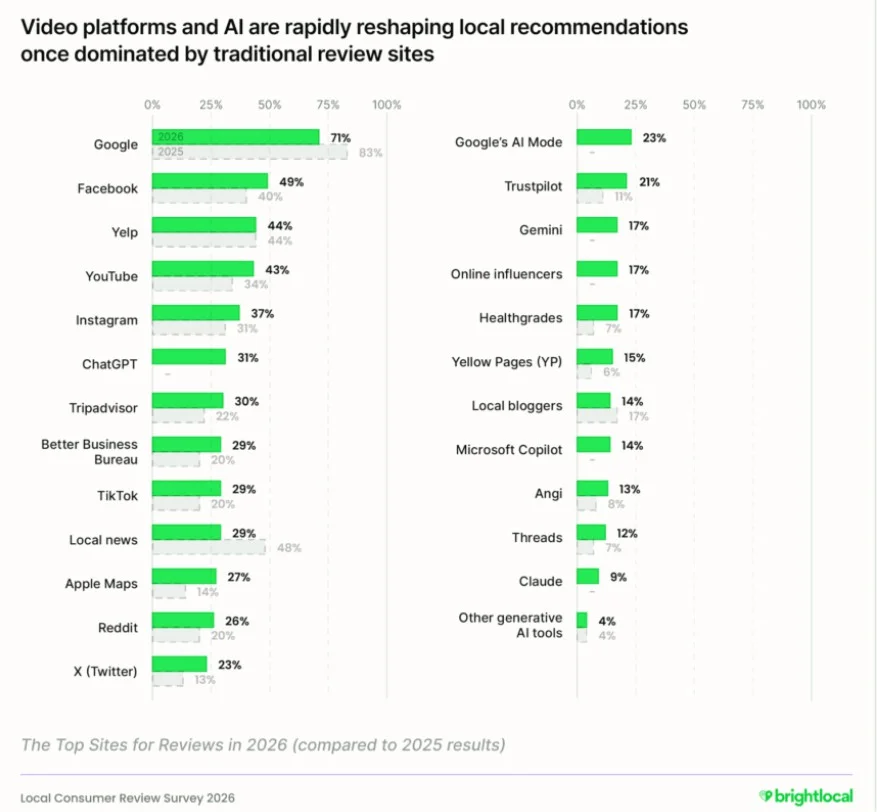
- The Rise of Niche Platforms: While Google and Yelp remain dominant, industry-specific platforms (such as G2 for software or TripAdvisor for travel) are seeing increased usage as consumers seek more specialized, vetted information.
The Business Implications: Why You Cannot Afford Neglect
The consequences of neglecting your online presence are quantifiable and severe.
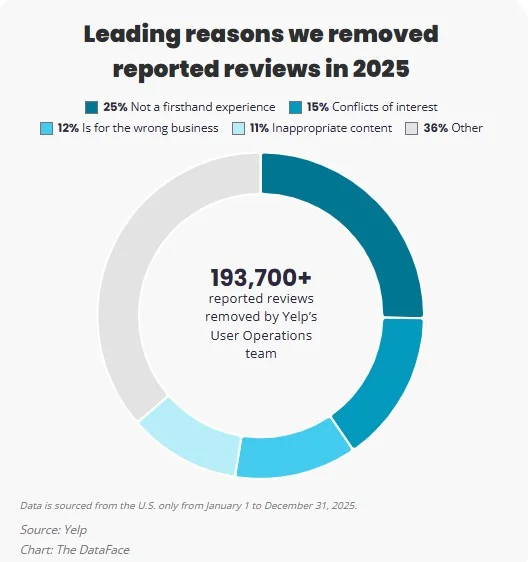
- Visibility: Search engine algorithms, particularly Google’s, use review data as a ranking factor. A consistent stream of positive reviews improves your Local SEO, pushing your business higher in search results.
- Trustworthiness: In an era of digital scams, reviews are the primary indicator of legitimacy. A lack of recent, positive reviews is often interpreted by algorithms and humans alike as a sign that a business is inactive or unreliable.
- Sales Revenue: The correlation between star ratings and revenue is linear. Studies consistently demonstrate that even a marginal increase in your average rating can lead to a double-digit percentage increase in conversion rates.
Conclusion: Taking Control of Your Digital Narrative
The digital marketplace is relentless, and your reputation is its most fragile asset. It is not enough to simply provide a good service; you must ensure that your service is reflected accurately and prominently in the digital sphere.
For the modern business owner, the solution lies in a unified approach to reputation management. By centralizing the monitoring of reviews, responding with empathy and professionalism, and leveraging positive customer experiences, businesses can create a virtuous cycle of growth.
Whether you are a small local shop or an expanding enterprise, the tools are available to help you capture, manage, and showcase your best work. Don’t wait for your customers to define your brand for you. Take the lead, engage with your community, and turn your online reviews into your most effective marketing tool. As the digital landscape continues to shift, those who prioritize their online reputation will be the ones who define the future of their respective industries.

 Suro Senen

 Laily UPN
 Iffa Jayyana
 Rifan Muazin
 Lina Hope
 Lina Irawan