
 Nila Kartika Wati
The long-standing wall between Apple’s mobile and desktop computing experiences is finally beginning to crumble. For over a decade, Apple executives—most notably the late Steve Jobs—maintained a firm philosophical stance against the integration of touchscreens into the Mac lineup. Jobs famously remarked that vertical touchscreens were "ergonomically terrible," suggesting that users would experience "gorilla arm" after extended use. However, as the lines between creative workflows and mobile consumption continue to blur, Cupertino appears ready to reverse course.
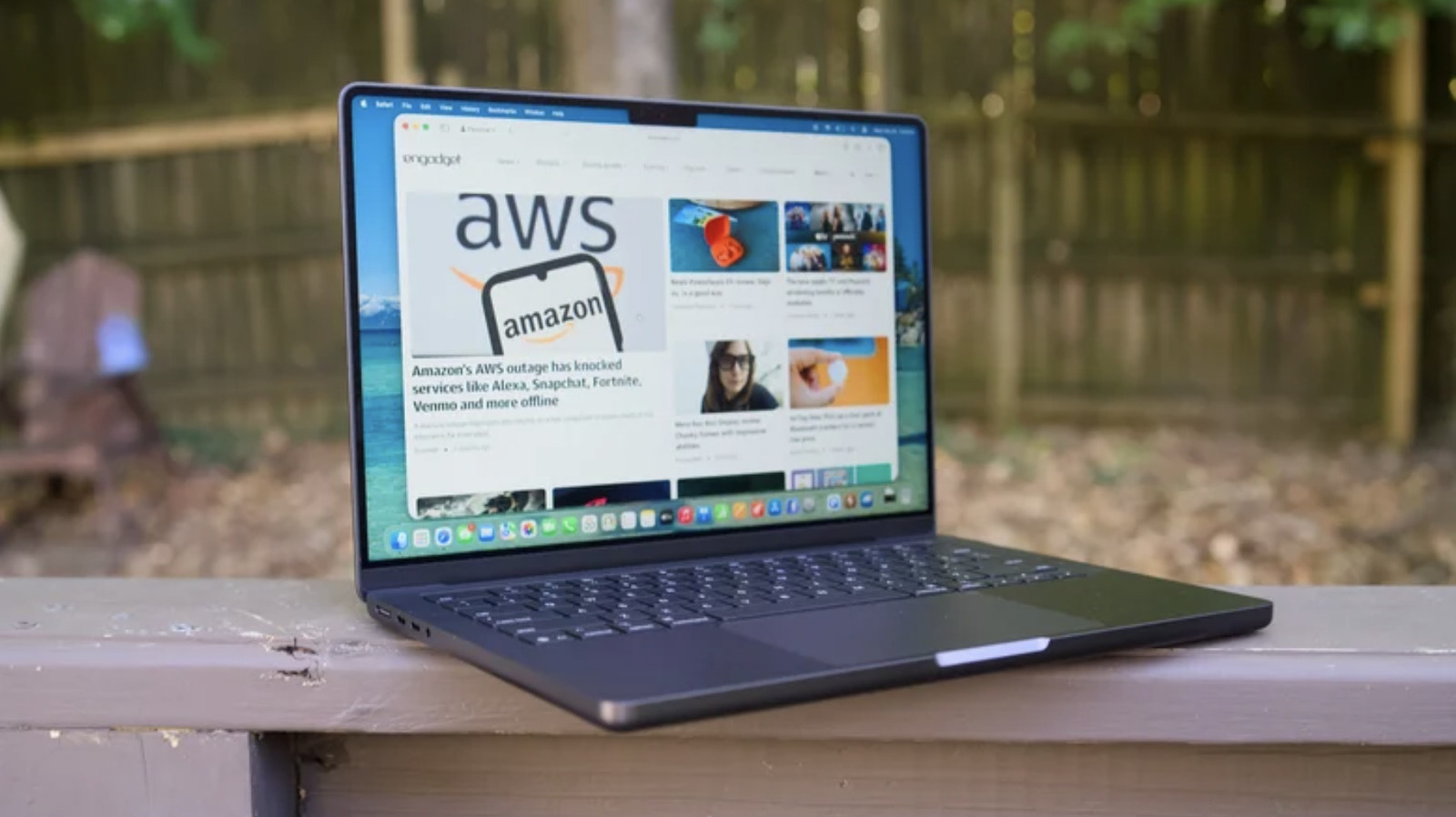
According to the latest reports from Bloomberg’s Mark Gurman, Apple is preparing to unveil its first-ever touchscreen MacBook, a device internally whispered to be the "MacBook Ultra," on or around October 27, 2026. This announcement, should it materialize as expected, will represent the most significant shift in Apple’s hardware strategy since the introduction of the M-series silicon in 2020.
Main Facts: What to Expect from the October Reveal
The October event is shaping up to be a watershed moment for Apple hardware. The headline act is undoubtedly the touchscreen MacBook. While specific technical specifications remain subject to final verification, industry insiders suggest the device will feature a "dynamic interface"—a software layer within macOS designed to interpret touch inputs differently depending on the application in use.
Beyond the laptop, Apple is diversifying its refresh cycle. The company is reportedly planning a significant overhaul of the iPad Mini. The new model is expected to trade its traditional LCD screen for a vibrant, high-contrast OLED display, catering to the growing demographic of digital artists and professionals who rely on the tablet for precise, on-the-go creative work.
Furthermore, the standard 14-inch MacBook Pro and the iMac, which currently rely on M5 and M4 chipsets respectively, are expected to receive internal upgrades to the M6 processor. This move aims to standardize the performance baseline across the entry-level professional lineup, ensuring that even the most "affordable" machines in the Apple ecosystem can handle the computational demands of modern AI-integrated software.
Chronology: A History of Resistance and Evolution
To understand the magnitude of this October reveal, one must look back at the long road Apple has traveled to reach this point.
- 2010–2015: The Era of Skepticism. During this period, Apple solidified the "distinct OS" philosophy. macOS was built for precision (trackpads/mice), while iOS was built for direct manipulation.
- 2016: The Touch Bar Experiment. Apple introduced the Touch Bar on the MacBook Pro. While it allowed for touch-based interactions, it was widely criticized as a "gimmick" that failed to replace a true touchscreen, ultimately being phased out in later models.
- 2020: The Silicon Transition. The introduction of Apple Silicon (M1) began to bridge the gap. Because Macs could now run iPad apps natively, the lack of a touch interface became increasingly glaring to end-users.
- 2023: The First Rumors. The first credible leaks regarding a touchscreen MacBook surfaced, suggesting that Apple’s engineering teams were prototyping high-end laptops with touch-capable OLED panels.
- 2026: The "Ultra" Pivot. After years of internal debate, the convergence of high-performance silicon and user demand has led to the current October roadmap.
Supporting Data: The Convergence of Silicon and Software
The technical feasibility of a touchscreen Mac rests entirely on the maturation of Apple’s M-series architecture. Previous fears regarding battery drain and thermal throttling are largely mitigated by the efficiency of the M5 and M6 chips.
Market analysis shows that the "prosumer" market is demanding more versatile hardware. With the release of the "iPhone Duo" earlier this summer—Apple’s first foray into foldable technology—the company has signaled that it is no longer afraid to experiment with new form factors. The integration of touch into the MacBook line is a logical progression, allowing Apple to compete directly with devices like the Microsoft Surface Laptop and the high-end ASUS ZenBook Pro.
Regarding the M6 chip, early benchmarks from the recent Mac Mini refresh indicate a roughly 20% increase in multi-core performance compared to the M5 series. By rolling out this chip to the entry-level MacBook Pro and iMac, Apple is effectively future-proofing its ecosystem for at least the next 36 months of OS updates, which are expected to lean heavily into local machine learning and generative AI tasks.
Official Responses and Industry Sentiment
As is standard policy, Apple has declined to comment on the specific timing of its upcoming product events. However, industry analysts remain bullish. "Apple rarely enters a product category to play second fiddle," noted one industry consultant. "If they are bringing touch to the Mac, it won’t just be a screen you can poke. It will be a fundamentally re-engineered way of interacting with a desktop OS."
There is, however, a segment of the professional user base that remains skeptical. Critics argue that touchscreens are inherently suboptimal for desktop productivity, citing the need for constant cleaning of fingerprints and the physical strain of reaching toward a vertical display. Apple’s success will likely depend on whether they have developed a "Pro-Touch" interface that minimizes the need for frequent, large-scale arm movements.
Implications: The Future of the Apple Ecosystem
The implications of this move are twofold: professional productivity and brand unification.
1. A Unified UX: By introducing touch to the MacBook, Apple is preparing for a future where the distinction between "iPadOS" and "macOS" becomes entirely invisible to the user. This paves the way for a single, unified operating system that scales across screen sizes and form factors.
2. The Competitive Landscape: The PC market has been stagnant in terms of innovation for several years. By launching a touchscreen Mac, Apple is forcing a "refresh" across the entire laptop industry. Competitors will likely feel immense pressure to refine their own touch-based Windows experiences to keep pace with Apple’s hardware-software synergy.
3. The Smart Home Expansion: It is worth noting that the October 27 event follows a smaller, separate announcement scheduled for October 13, which will focus on smart home gadgets. This indicates a broader, two-pronged strategy: expanding the boundaries of personal computing while simultaneously tightening the company’s grip on the automated household.
Conclusion
As October 2026 approaches, the tech world stands at a crossroads. Apple, a company that once defined the industry by saying "no" to features its rivals embraced, is now saying "yes" to the future of interactive computing. Whether the "MacBook Ultra" becomes the new gold standard for laptops or a controversial experiment remains to be seen. What is certain, however, is that the era of the static, non-interactive desktop screen is coming to a close. For Apple, the wait to get our hands on the tech is almost over—and for the first time in history, we will be able to touch the interface directly.


 Lina Irawan
 Suro Senen
 Laily UPN
 Iffa Jayyana
 Rifan Muazin

 Lina Hope