
 Sagoh
Sagoh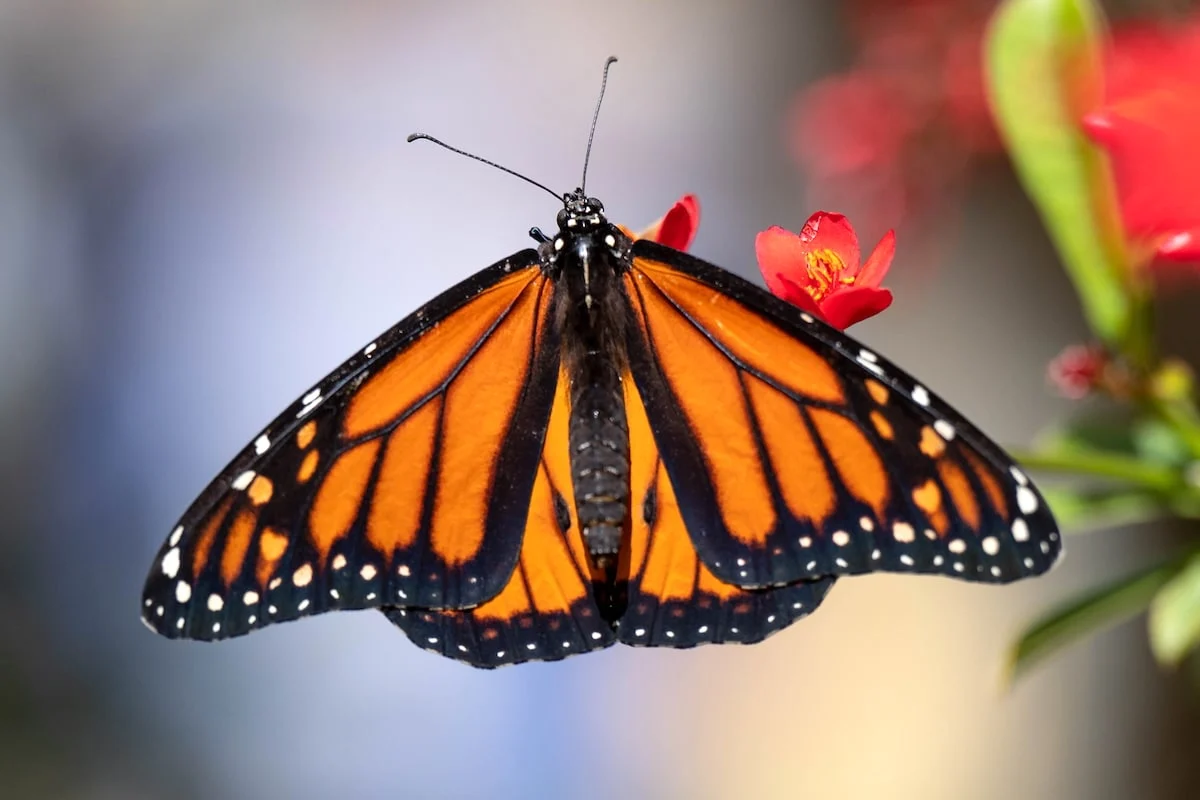
In the quiet groves of Pacific Grove, California—a site revered as a sanctuary for the migratory Western monarch butterfly—a grim discovery in January 2024 sent shockwaves through the conservation community. Hundreds of monarchs, typically seen fluttering in vibrant orange and black clusters, were found dead or dying on the forest floor. What initially appeared to be a localized ecological tragedy has now been confirmed as a symptom of a much broader, systemic threat: the pervasive use of neurotoxic pesticides.
A landmark peer-reviewed study, published in the journal Environmental Toxicology and Chemistry, provides definitive evidence linking this mass mortality event to a chemical cocktail of insecticides, herbicides, and fungicides. As the Western monarch population teeters on the brink of extinction, this study highlights the lethal intersection of agricultural chemistry and wildlife conservation, raising urgent questions about how we manage our landscapes.
A Chronology of the 2024 Pacific Grove Incident
The timeline of the tragedy began in early 2024, when concerned residents and conservationists in Pacific Grove reported an alarming number of monarch fatalities at a primary overwintering site. These sites are essential for the survival of the species, serving as thermal refuges where butterflies wait out the winter months before embarking on their spring migration.
Following the discovery, researchers from the Xerces Society for Invertebrate Conservation and other environmental scientists moved to investigate the cause. Initial field observations revealed signs consistent with neurotoxic poisoning, including tremors and paralysis—behavioral markers that diverged sharply from the natural decline expected during overwintering.
Over the subsequent months, samples of the deceased butterflies were transported to laboratories. Utilizing advanced analytical techniques, including liquid and gas chromatography and mass spectrometry, the team performed a comprehensive toxicological screening. By the summer of 2025, the results were published, confirming that the butterflies had been exposed to an average of seven different pesticides each, effectively painting a picture of a toxic environment that the monarchs were unable to escape.
The Toxic Burden: Analyzing the Data
The data revealed by the Environmental Toxicology and Chemistry study is both precise and damning. The researchers identified a total of 15 distinct chemicals within the tissues of the deceased butterflies. Most concerning were the high concentrations of human-made pyrethroid insecticides—specifically bifenthrin, cypermethrin, and permethrin.
"We found an average of seven different pesticides per butterfly, including multiple insecticides that are highly toxic to insects," stated Staci Cibotti, the study’s lead author and a pesticide risk prevention specialist at the Xerces Society.
The analytical results showed that:
- Universal Contamination: Every butterfly tested contained traces of bifenthrin and cypermethrin.
- Lethal Thresholds: Multiple samples contained these chemicals at or near their documented lethal doses, providing a clear causal link between the chemical exposure and the rapid die-off observed in the field.
- Chemical Synergy: While individual chemicals were present in dangerous amounts, the study also underscored the "cocktail effect," where the presence of multiple, interacting substances can increase the overall toxicity to the insect’s nervous system, a phenomenon that is often overlooked in standard regulatory testing.
The Broader Context: A Species in Decline
The Pacific Grove event did not occur in a vacuum. It is a singular, horrific data point in a long-term trend of population collapse. Since the 1980s, the Western monarch population has plummeted by an estimated 95%. The International Union for Conservation of Nature (IUCN) has classified the migratory monarch butterfly as endangered, reflecting a precarious state that has alarmed biologists for decades.
Recent counts have been sobering. The Xerces Society’s annual Western Monarch Count recorded the second-lowest population in history in 2024. By 2025, the number of overwintering Western monarchs had dwindled to a mere 9,119 individuals. According to projections cited by the Los Angeles Times, the U.S. Fish and Wildlife Service has estimated that without significant intervention and habitat restoration, there is a 99% probability of the Western monarch becoming extinct by the year 2080.

This decline is driven by a "triple threat": the loss of milkweed—the only plant upon which monarch caterpillars can feed—the acceleration of climate change, and the increasing, unregulated exposure to chemical pesticides in both rural and urban environments.
Official Responses and the Call for Policy Reform
The publication of the study has catalyzed a call to action from both the scientific community and policymakers. The Xerces Society has outlined a multi-pronged approach to prevent future mass mortality events, emphasizing that education and policy are just as important as habitat restoration.
Their recommendations include:
- Pesticide-Free Buffer Zones: Establishing strictly enforced "no-spray" zones around all known monarch overwintering sites.
- Regulatory Oversight: Improving coordination between state and local public officials to track and limit the use of pyrethroids in areas adjacent to critical butterfly habitats.
- Public Education: Launching campaigns to inform homeowners, landscapers, and municipal workers about the risks of using structural pesticides in ways that allow for chemical drift.
- Integrated Pest Management (IPM): Shifting toward non-chemical alternatives for pest control in landscaping and urban management.
Emily May, co-author of the study and agricultural conservation lead at the Xerces Society, emphasized that the issue is not limited to large-scale agriculture. "Protecting monarchs from pesticides will require both public education and policy change," she stated. "We are committed to working with communities and decision-makers to ensure that overwintering sites are healthy refuges for these butterflies."
Implications for the Future of Pollinators
The implications of this study reach far beyond the monarch butterfly. As a flagship species, the monarch serves as a barometer for the health of our ecosystems. If the environment is too toxic for the iconic monarch, it is likely too toxic for the thousands of native bees, beetles, and other insects that underpin global food security and biodiversity.
In a follow-up statement, Staci Cibotti highlighted the systemic nature of the problem: "Although this incident occurred in California, pesticide exposure is a widespread threat to monarchs across their range. These chemicals are commonly used not only in agriculture, but also across developed landscapes for structural pest control, home gardening, landscaping, turf management, mosquito abatement, and more."
The vulnerability of the monarch is magnified during its migratory and overwintering phases. Because these butterflies aggregate in such massive numbers, a single, localized spray event—intended for mosquitoes or landscape maintenance—can result in the death of hundreds, or even thousands, of individuals. This occurred not only in Pacific Grove in 2024 but also in North Dakota in 2020, following an aerial mosquito control spray.
The lesson from these incidents is clear: the current methods of chemical application fail to account for the mobility and sensitivity of migratory insects. Protecting these creatures requires a paradigm shift in how we define "pests" and how we manage the spaces we share with nature.
Conclusion: A Path Toward Recovery
The death of the Pacific Grove monarchs is a tragedy, but it is also a clarion call. By identifying the specific chemicals responsible and mapping the pathways of exposure, scientists have provided the tools necessary for local governments and private landowners to change their practices.
The recovery of the Western monarch population is not impossible, but it demands an immediate cessation of the indiscriminate use of neurotoxic chemicals. Whether through the creation of pesticide-free sanctuaries or the adoption of sustainable urban landscaping, society must act to ensure that the monarch’s wintering grounds remain a place of refuge, not a site of chemical catastrophe. As the 2080 deadline looms, every action taken today—every spray bottle left on the shelf and every buffer zone established—is a heartbeat for the future of one of nature’s most resilient, yet fragile, travelers.


 Dwi Wanna
 Iffa Jayyana
 Raul Delapena Setiawan
 Muslim
 Nana Wu

 Rifan Muazin