
 Ali Ikhwan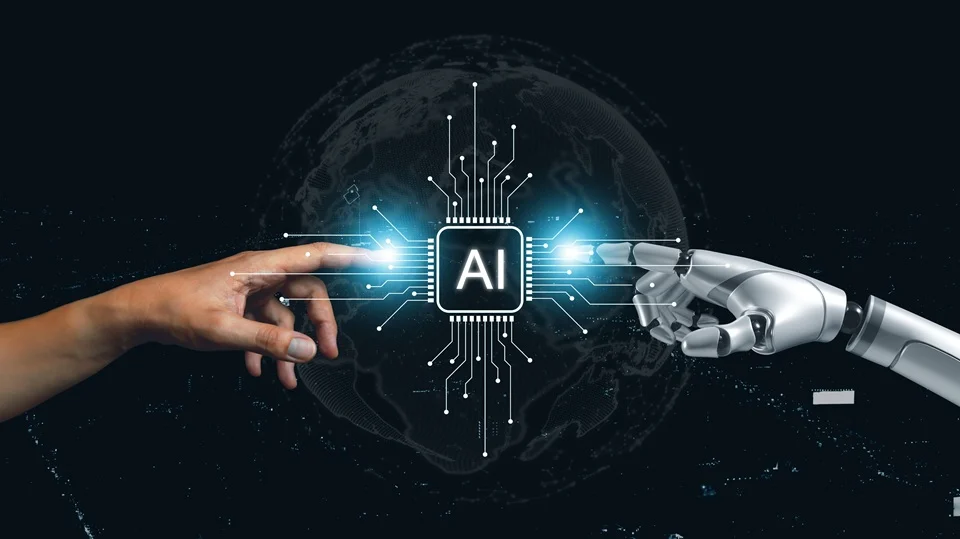
In a landscape often defined by the gloomy rhetoric of trade wars, protectionist tariffs, and regional conflict, a singular, powerful force is quietly insulating the global economy: the insatiable appetite for artificial intelligence. According to the latest DHL Globalisation Tracker, produced in collaboration with New York University’s Stern School of Business, the frenetic race to build AI infrastructure has become the primary engine of global commerce, effectively offsetting the disruptive pressures of geopolitical instability.
While policymakers focus on tariffs and military blockades, the real story of the mid-2020s is the emergence of a hyper-specialized supply chain that demands absolute precision. As global trade data for the first half of 2026 shows, the movement of semiconductors, advanced networking hardware, and data-transmission equipment has reached unprecedented levels, creating a resilient economic current that flows right through the friction of traditional trade barriers.
The Main Facts: AI as the Global Economic Anchor
The data is unequivocal: the AI boom is not just a technological trend; it is a macroeconomic stabilizer. In 2025, trade in AI-enabling goods accounted for 42% of all growth in goods trade. By the first quarter of 2026, that figure had skyrocketed to 76%, as reported by WTO and OECD analysis cited in the tracker.
This surge has pushed global goods trade to its fastest growth rate in a decade and a half, excluding the anomalous post-pandemic rebound. While traditional sectors have faced volatility, the "AI infrastructure stack"—the physical hardware required to power massive language models and decentralized computing—has remained immune to the cooling effects of protectionist policies.
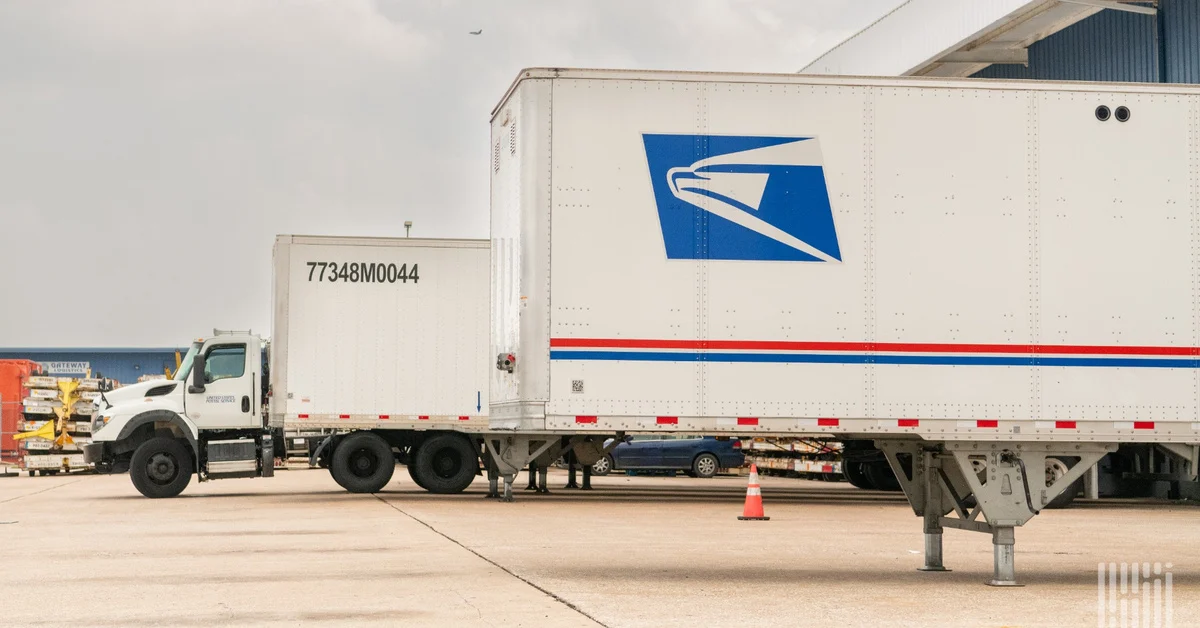
The logistical implications are profound. Air cargo capacity out of East and Southeast Asia, once dominated by consumer electronics and e-commerce, is now being aggressively claimed by heavy-duty AI hardware. This shift marks a fundamental transition in how global supply chains operate, moving from high-volume consumer goods to high-value, time-sensitive industrial components.
Chronology of a Trade Transformation
To understand how global trade pivoted toward AI, one must examine the progression of the last 18 months:
- Early 2025: The "AI Pivot" begins in earnest. Investment in data centers surges globally, sparking a massive increase in the export of high-end GPUs and cooling systems from East Asian manufacturing hubs.
- Late 2025: The first wave of restrictive trade measures is announced. Despite fears of a "de-globalization" trend, trade flows remain robust as the sheer necessity of AI components forces manufacturers to find workarounds.
- January–March 2026: The AI-enabling goods share of trade growth hits 76%. Concurrently, the escalation of tensions in the Middle East leads to the closure of the Strait of Hormuz.
- April–May 2026: While Middle Eastern trade routes suffer severe disruptions, the global trade volume remains resilient. The East Asia and Pacific region records a 24% increase in trade value compared to the same period in 2025, signaling that the technological demand from the West and the production capacity of the East are locked in a symbiotic, high-speed loop.
- Mid-2026: Forecasts are revised upward. The expectation for annual global trade growth through 2029 is now set at 3.4% per year, significantly outpacing the 2.7% growth rate observed between 2014 and 2024.
Supporting Data: The Regional Shift and Resilience
The DHL Globalisation Tracker provides a granular look at how different regions are absorbing these shocks. The East Asia and Pacific region serves as the epicenter of this activity. Not only did it lead the world in trade value growth (up 24%), but it also deepened its internal integration. The share of regional trade staying within East Asia rose from 57% in 2025 to 60% in early 2026. This reflects a strategic "clustering" of supply chains, where the proximity of semiconductor foundries to assembly and testing facilities has become a competitive advantage.
Conversely, the data highlights the uneven impact of geopolitical strife. The disruption in the Middle East was not a global catastrophe, but it was a localized disaster. Saudi Arabia saw its trade value plummet by 37%, and the United Arab Emirates saw a 7% decline. This stark contrast underscores a key finding: the global economy is becoming increasingly "modular." Disruptions in one region do not necessarily collapse the entire network, provided that the high-value, high-demand trade flows—like those for AI—are not directly blocked.
Furthermore, the US tariff regime, while rhetorically aggressive, has had a muted impact on global trade. With only 13% of global imports attributed to the US, and half of those imports exempted from the latest tariff hikes as of August 2026, the global trade apparatus has proven highly adept at navigating policy shifts. Rather than retreating into autarky, most nations have responded to protectionism by aggressively seeking new trade agreements and alternative markets.
Official Responses: The Logistics Perspective
For industry leaders, the current trade environment is a test of logistical agility. John Pearson, CEO of DHL Express, emphasizes that the AI revolution is fundamentally a logistics challenge.
"The biggest story in global trade right now is AI—not tariffs," Pearson remarked. "Every AI query ultimately depends on logistics. Chips, networking equipment, and the many other goods behind this technology must be in the right place at the right time. DHL connects the businesses and markets behind these complex supply chains. Whenever innovation creates new trade flows, our global network helps keep them moving."
This sentiment is echoed by Prof. Steven A. Altman, director of the DHL Initiative on Globalization at NYU Stern. Altman notes that the resilience of trade is not a surprise to those who understand the mechanics of modern production.
"The surprise is not only that global trade kept growing through new tariffs and the Iran war," Altman stated. "The outlook is now stronger than it was before either shock. This reminds us to look beyond the most visible disruptions and recognize the deeper reasons why trade remains so resilient. The AI trade boom highlights the demand for goods and services that can only be provided efficiently when specialized producers work together across countries."
Implications: The Future of Global Commerce
The implications of this data for the remainder of the decade are transformative. We are witnessing the emergence of a "Tech-First" globalization.
1. The Decline of "Just-in-Time" in Favor of "Resilient-by-Design"
The AI supply chain is too expensive to fail. Companies are moving away from the lean, brittle supply chains of the 2010s. Instead, they are prioritizing a multi-nodal approach where the movement of specialized chips is protected by redundant logistics pathways.
2. The Limits of Protectionism
The data suggests that protectionist measures are becoming increasingly ineffective against the tide of technological necessity. When an industry—like AI—becomes the bedrock of national competitiveness, governments are less likely to impose tariffs that would cripple their own tech sectors. This creates a "technological immunity" for certain trade flows.
3. Regionalization vs. Globalization
While the report notes that intra-regional trade in East Asia is growing, this should not be mistaken for a retreat from globalization. Rather, it is a consolidation of the supply chain to ensure speed and efficiency. The AI boom requires intense collaboration between US design firms, Taiwanese foundries, Japanese material suppliers, and Southeast Asian assembly plants. This is the definition of globalized production, even if the "final" product is destined for a specific regional market.
4. A New Growth Paradigm
The projection of 3.4% annual growth through 2029 is perhaps the most optimistic indicator of all. It suggests that the current era of "polycrisis"—the intersection of war, trade barriers, and economic uncertainty—is being tempered by a massive, structural upgrade to the global economy. As AI integrates into every facet of business, from manufacturing to logistics to finance, the trade of AI-enabling goods will likely transition from a growth-driver to a permanent, foundational layer of global trade.
Conclusion
The DHL Globalisation Tracker serves as a sobering reminder that economic reality is often far more complex than the headlines suggest. While the threat of trade wars and the reality of regional conflict remain constant, the underlying momentum of human ingenuity and technological demand continues to drive the world forward.
We are currently in the midst of a historic realignment. The "Silicon Era" of trade has arrived, and it is proving to be a robust, high-speed, and deeply interconnected system. As long as the demand for AI continues to climb, the engines of global trade are unlikely to stall, regardless of the political storms that may gather on the horizon. The future of global commerce, it seems, is being built one semiconductor at a time.

 Basiran
 Neng Nana
 Iffa Jayyana
 Raul Delapena Setiawan
 Rifan Muazin
 Asro
Asro