
 Lina Irawan
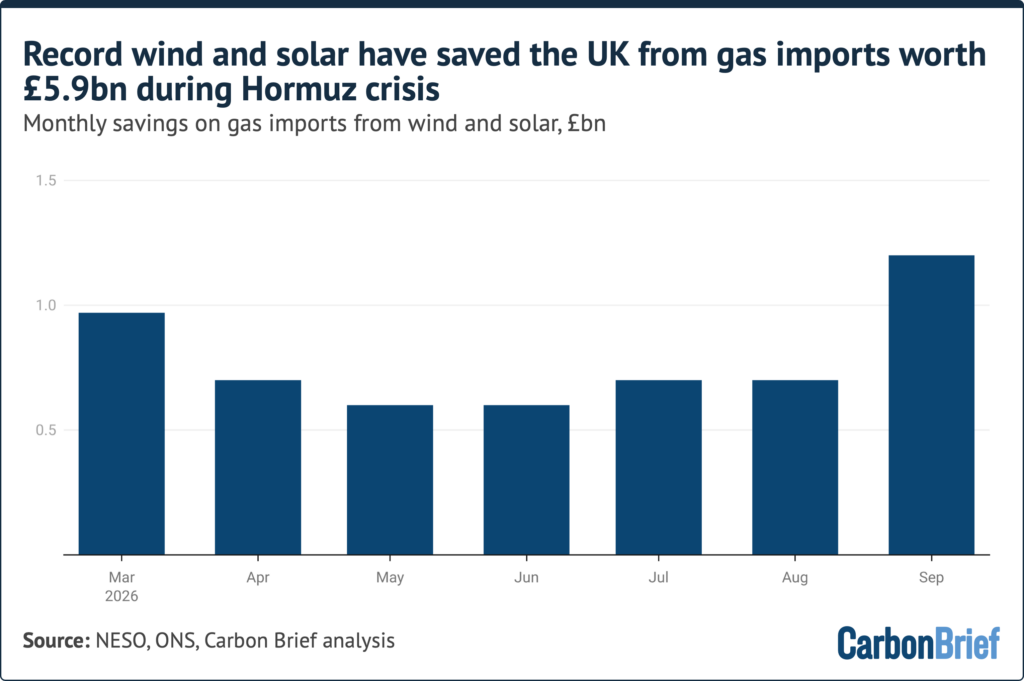
As the geopolitical landscape in the Middle East shifts into a state of volatile confrontation, the United Kingdom has found itself navigating an energy crisis of significant proportions. The ongoing Hormuz crisis, ignited by the outbreak of conflict between the United States and Iran in February 2026, has sent global commodity markets into a tailspin. Yet, amidst the rising costs of fossil fuels and the threat of severe energy shortages, a powerful domestic counter-narrative has emerged. New analysis from Carbon Brief reveals that record-breaking generation from wind and solar power has insulated the UK from a staggering £5.9 billion in potential gas import costs since the conflict began.
The Main Facts: A Buffer Against Global Volatility
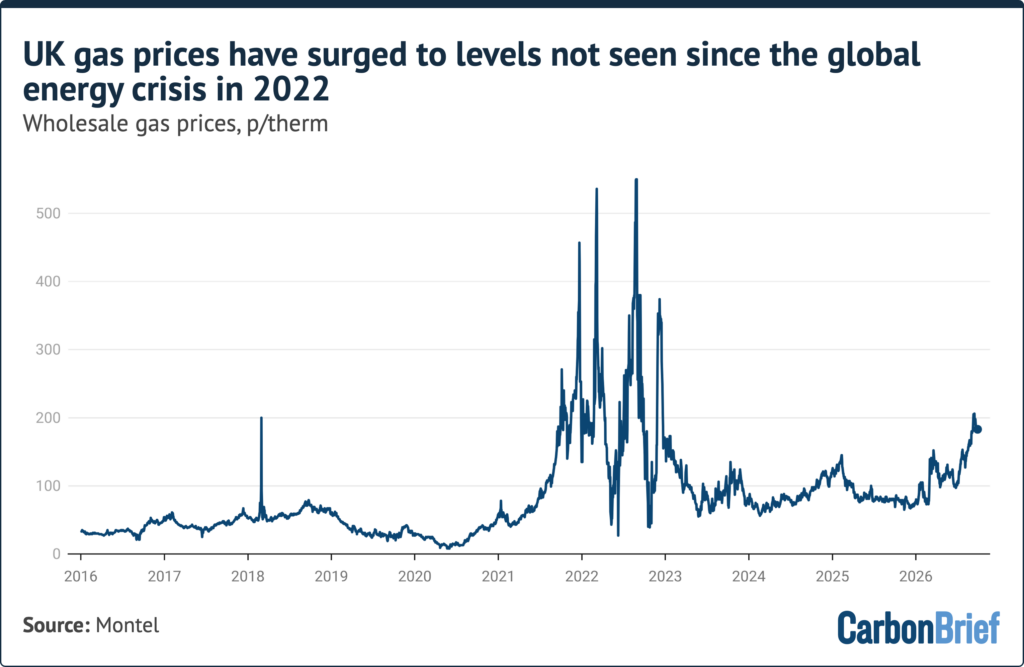
The UK’s energy infrastructure is currently undergoing a stress test of historic proportions. With global gas prices reaching levels not witnessed since the height of the 2022 energy crisis—a period defined by the fallout from the Russian invasion of Ukraine—the UK’s reliance on foreign gas imports could have been catastrophic. However, the data confirms that a pivot toward clean energy is providing a vital buffer.
In 2026, wind and solar power have accounted for a record-shattering 41% of the nation’s electricity requirements. By contrast, gas-fired electricity generation has fallen to 25%. This shift is not merely statistical; it represents a tangible reduction in the UK’s vulnerability to international supply chain disruptions. By generating massive amounts of clean power, the UK has avoided the need to procure the equivalent of more than 100 liquefied natural gas (LNG) tanker deliveries.
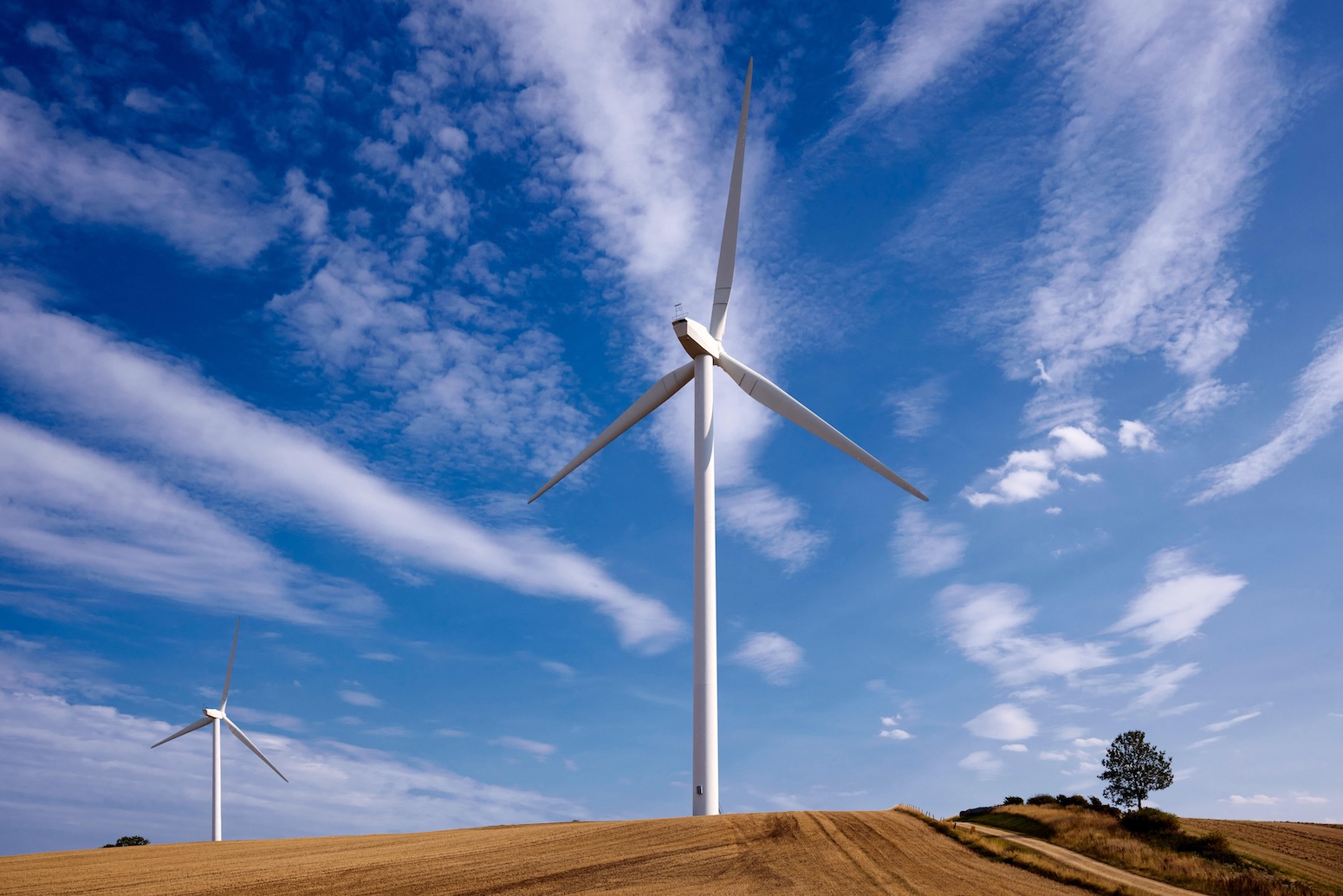
The financial implications are profound. In September 2026 alone, the UK saved approximately £1.3 billion in import costs, driven by a record output of nearly 10 terawatt-hours (TWh) of renewable energy combined with the current surge in wholesale gas prices.
A Chronology of Conflict and Cost
The current economic strain on the UK energy market is the result of a multi-year convergence of geopolitical events. To understand the current £5.9 billion saving, one must look at the timeline of the energy transition:
- 2022: The Russian invasion of Ukraine creates a structural break in global energy markets. Gas supplies to Europe are curtailed, driving prices to historic highs. The UK, still heavily reliant on gas for heating and power, begins an accelerated push toward renewables.
- 2023–2025: A period of relative stabilization where gas prices averaged 90p per therm—still three times the pre-crisis levels of 2019.
- February 2026: The outbreak of the US-Iran war in the Strait of Hormuz sends global markets into a panic. The disruption to one of the world’s most critical maritime energy chokepoints triggers an immediate supply crunch.
- March–August 2026: Gas prices begin a steady ascent, averaging 134p per therm. Carbon Brief’s initial reporting in April and May highlights the growing importance of domestic wind and solar as a defensive economic strategy.
- September 2026: As winter approaches and global stocks remain critically low, prices spike to an average of 189p per therm. The strategic importance of the UK’s clean energy fleet is cemented as the only thing preventing a full-scale national energy price disaster.
Supporting Data: Breaking the Price Link
The divergence between gas and electricity price trends is the most compelling evidence of the "green shield" effect. While gas prices are currently hovering at roughly four times their 2019 levels, the impact on electricity bills has been significantly dampened by the influx of renewable energy.
According to research from the thinktank Nesta, typical household gas bills are set to rise by 33%—an increase of approximately £200 per year—starting October 1, 2026. Conversely, household electricity bills are projected to rise by only 4% in the same period. This discrepancy validates the hypothesis that the direct link between volatile international gas prices and domestic electricity retail prices is beginning to fracture.
The efficiency of this transition is further highlighted by the transportation sector. With diesel prices reaching a record £2 per litre, the cost-benefit analysis for consumers has shifted sharply. Current data indicates that electric vehicles (EVs) are now up to nine times cheaper to operate than their petrol or diesel counterparts, providing households with a secondary mechanism to insulate themselves from the inflationary pressures of the Hormuz crisis.
Official Responses: The Government’s Strategic Pivot
The political response to the 2026 crisis has been marked by a shift in rhetoric, moving away from simple market reliance toward a model of energy sovereignty. At the recent Labour Party conference, Energy Secretary Miatta Fahnbulleh emphasized the urgency of the situation, noting that the UK’s historical exposure to global fossil-fuel markets has left the economy vulnerable to the "whims of foreign conflicts."
Prime Minister Andy Burnham echoed these sentiments, framing the expansion of renewables as a matter of national security rather than merely an environmental policy. "We are already taking more control of our electricity prices with a massive expansion of home-grown renewables and nuclear," the Prime Minister stated. He confirmed that he has instructed the Energy Secretary to accelerate the decoupling of electricity prices from the international gas market, a move intended to provide long-term price stability for households and businesses.
This policy shift represents a significant departure from the previous decade’s reliance on global spot markets. By prioritizing "home-grown" energy, the government aims to ensure that when global chokepoints like the Strait of Hormuz are threatened, the UK’s core economic functions remain protected.
Implications: The Future of Energy Security
The 2026 energy crisis serves as a brutal but effective catalyst for the global energy transition. For the UK, the implications are three-fold:
1. The End of Cheap Gas
The era of cheap, easily accessible gas is effectively over. With European gas stocks remaining low and the necessity to compete with Asian markets for limited LNG cargoes, the UK can no longer afford to treat fossil fuels as a reliable, cost-effective baseload for its energy needs.
2. Renewables as a Macroeconomic Stabilizer
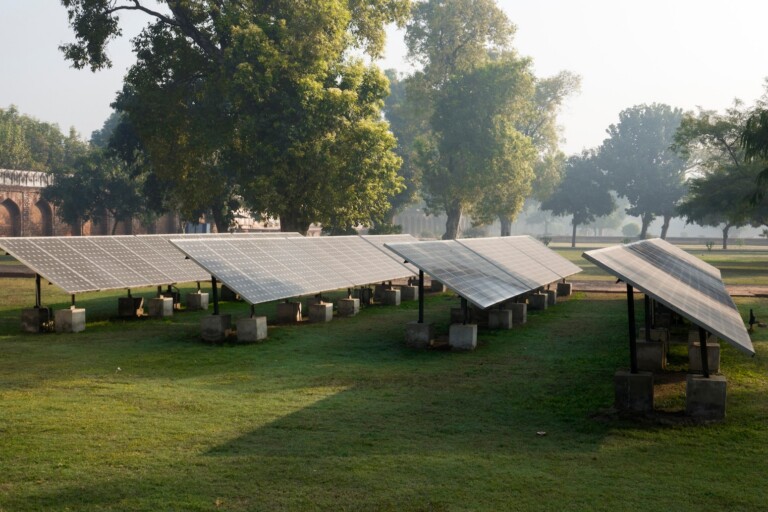
The £5.9 billion saved this year demonstrates that renewable energy is no longer a peripheral environmental initiative; it is a macroeconomic stabilizer. Every terawatt-hour produced by wind and solar is a terawatt-hour that does not need to be imported at a premium price. This keeps wealth within the UK economy rather than exporting it to volatile foreign suppliers.
3. The Need for Systemic Reform
While the surge in renewables has prevented a catastrophe, the UK’s energy grid is still in a state of transition. Future efforts must focus on "long-duration energy storage"—the ability to store the excess power generated during peak wind and solar days for use during periods of low generation. Without robust storage solutions, the full potential of a renewable-heavy grid will remain capped.
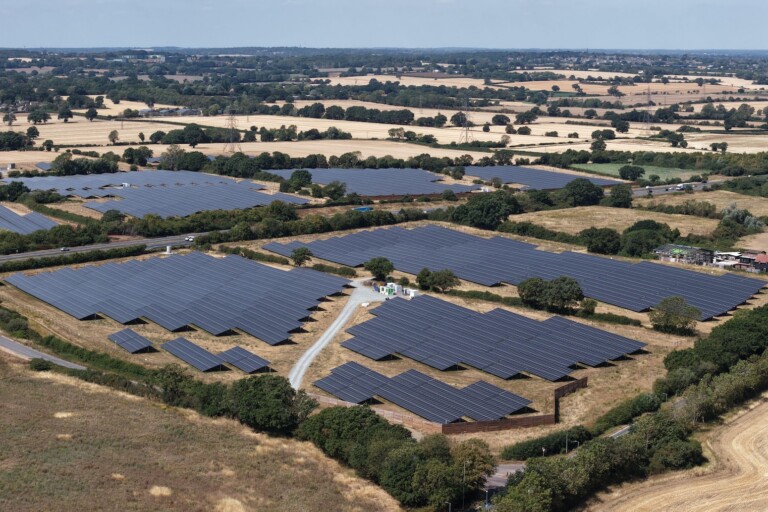
As winter draws near, the UK faces a period of continued uncertainty. However, the data suggests that the gamble on green energy is paying dividends. By decoupling the nation’s power supply from the volatility of the Middle East, the UK is not only reducing its carbon footprint but is building a more resilient, cost-effective, and secure economic future. The crisis in the Strait of Hormuz may be global, but the UK’s response has proven that the path to stability lies in the wind, the sun, and the acceleration of domestic infrastructure.


 Laily UPN
 Dwi Wanna
 Basiran
 Neng Nana
 Iffa Jayyana
 Raul Delapena Setiawan
 Rifan Muazin
 Asro
Asro