
 Iffa Jayyana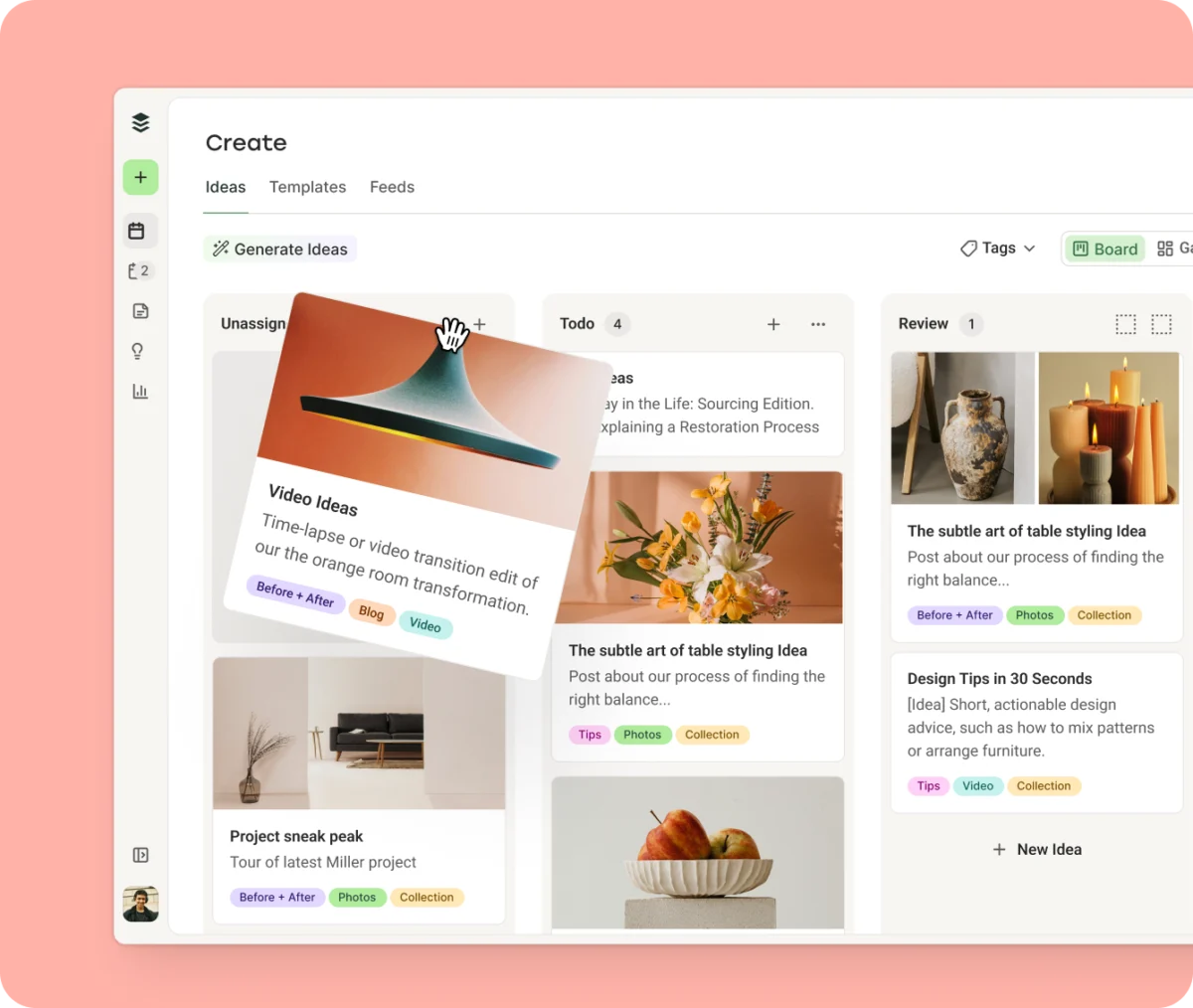
Managing a digital footprint in 2026 is no longer a simple task of hitting "post." Whether you are a solopreneur, a creator building a personal brand, or an agency lead juggling dozens of client accounts, the modern social media landscape requires a sophisticated tech stack. You are expected to be a content creator, a data analyst, a community manager, and a trend forecaster all at once.
If you find yourself logging in and out of platforms, manually tracking engagement, or feeling the burnout of "always-on" marketing, you aren’t alone. Fortunately, the social media management software ecosystem has matured significantly. These tools are designed to move you from chaotic manual posting to a streamlined, strategic workflow.
Why Social Media Management Tools Are Essential
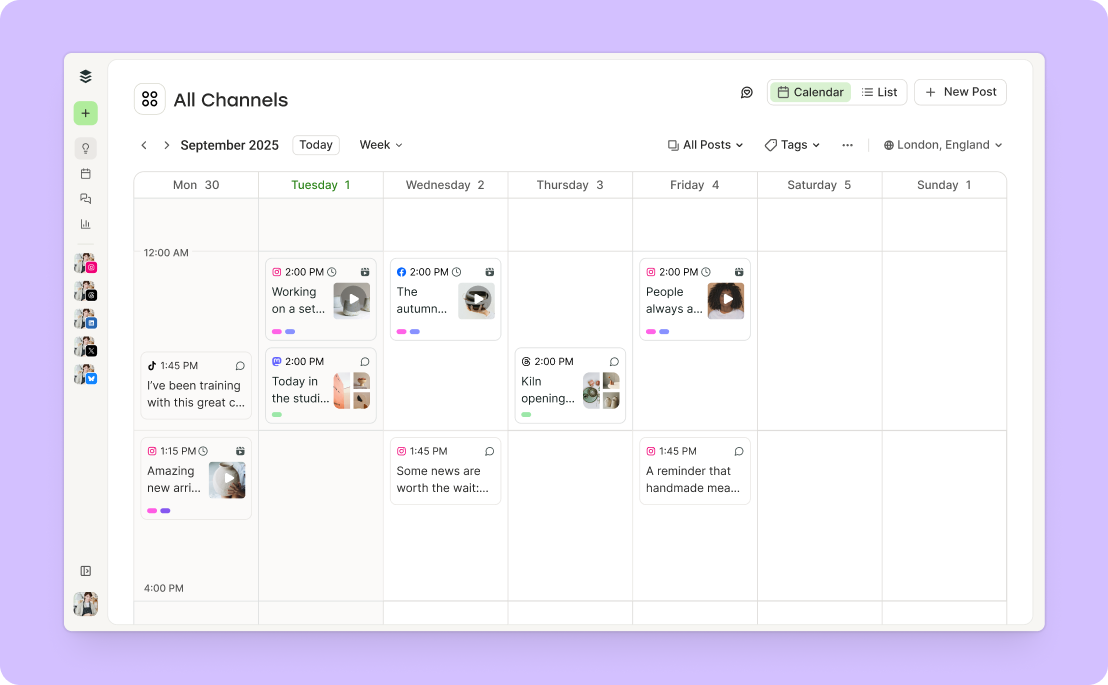
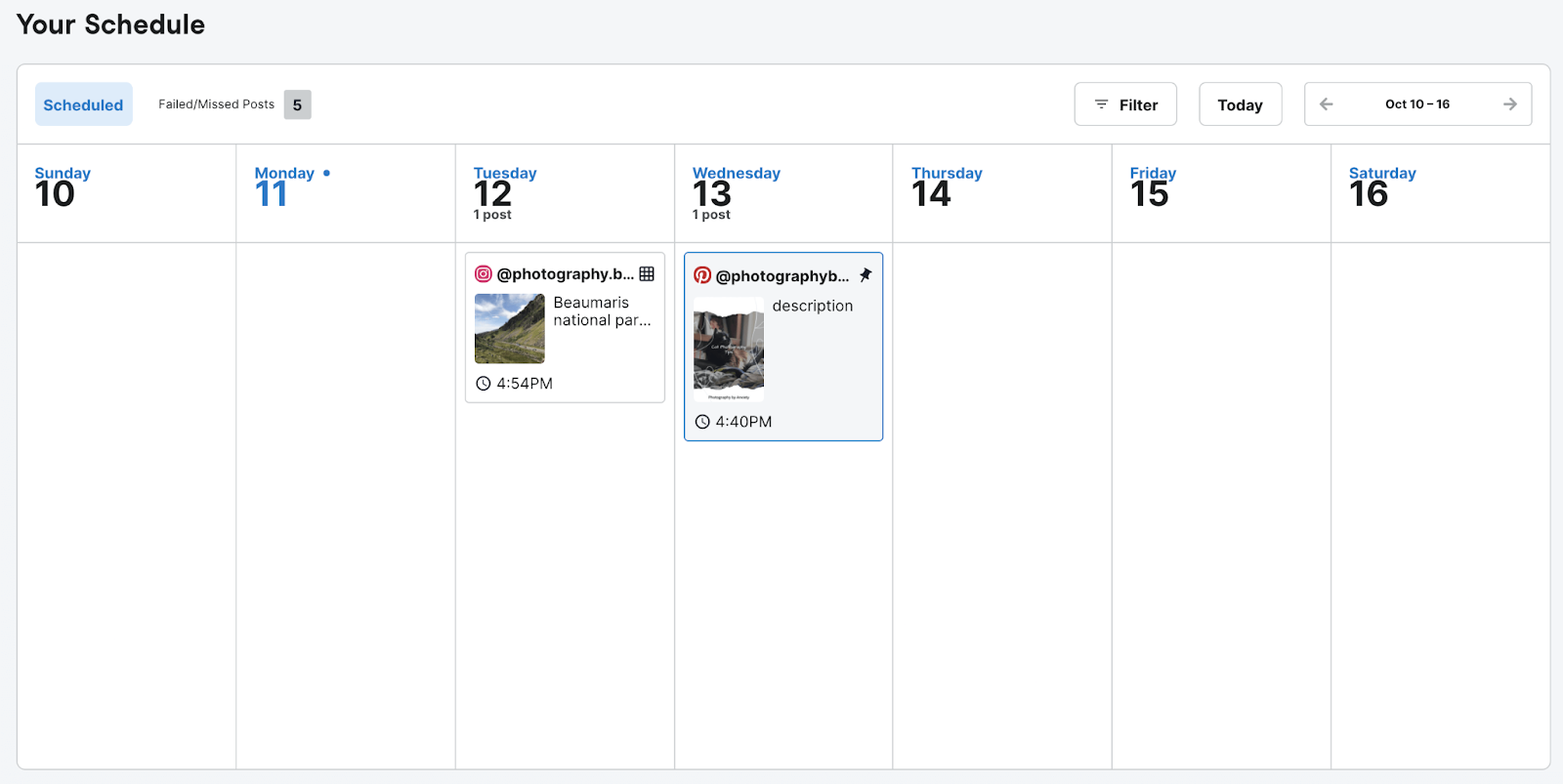
At their core, social media management tools are centralized dashboards that allow you to plan, schedule, publish, monitor, and analyze content across multiple networks simultaneously. By aggregating your feeds, these apps eliminate the "platform hopping" that kills productivity.
Beyond simple scheduling, the top-tier platforms now offer unified inboxes for DMs and comments, AI-driven content generation, and enterprise-grade reporting. Choosing the right tool isn’t just about feature lists; it is about finding software that integrates into your daily life and reduces the friction between having an idea and publishing it to the world.
Chronology of the Social Media Tool Evolution
The journey of social media management tools has mirrored the platforms themselves.
- The Early Era: Initially, tools were simple "buffers"—queues that held posts to be released at set times to avoid spamming followers.
- The Engagement Shift: As algorithms grew more complex, platforms pivoted to "Social Media Management" (SMM) systems, introducing unified inboxes and basic analytics.
- The Intelligence Era (2020–2024): The integration of AI and machine learning allowed for sentiment analysis, automated reporting, and sophisticated content repurposing.
- The Ecosystem Era (2025–Present): Today, we are in the era of "Unified CX," where social media tools are no longer silos. They now plug directly into CRMs, influencer discovery databases, and buyer-journey tracking software, turning social media into a direct revenue driver rather than just a brand awareness channel.
The Top 11 Social Media Management Tools (2026 Edition)
| Tool | Best For | Standout Feature | Free Plan |
|---|---|---|---|
| Buffer | Creators/SMBs | Per-channel pricing | Yes (3 channels) |
| Hootsuite | Large Teams | Talkwalker Listening | No |
| Tailwind | One-click Pin design | Yes (Limited) | |
| SocialPilot | Agencies | White-label dashboards | No |
| Zoho Social | Zoho Users | CRM Integration | Yes |
| Sprout Social | Advocacy/Influencers | Employee Advocacy | No |
| Oktopost | B2B | Buyer-journey tracking | No |
| Later | Influencers | Creator discovery | No |
| Socialinsider | Deep Analytics | Competitor KPIs | No |
| Manychat | Automation | 24/7 DM workflows | Yes |
| Sprinklr | Enterprise | AI Image detection | No |
1. Buffer: The Gold Standard for Efficiency
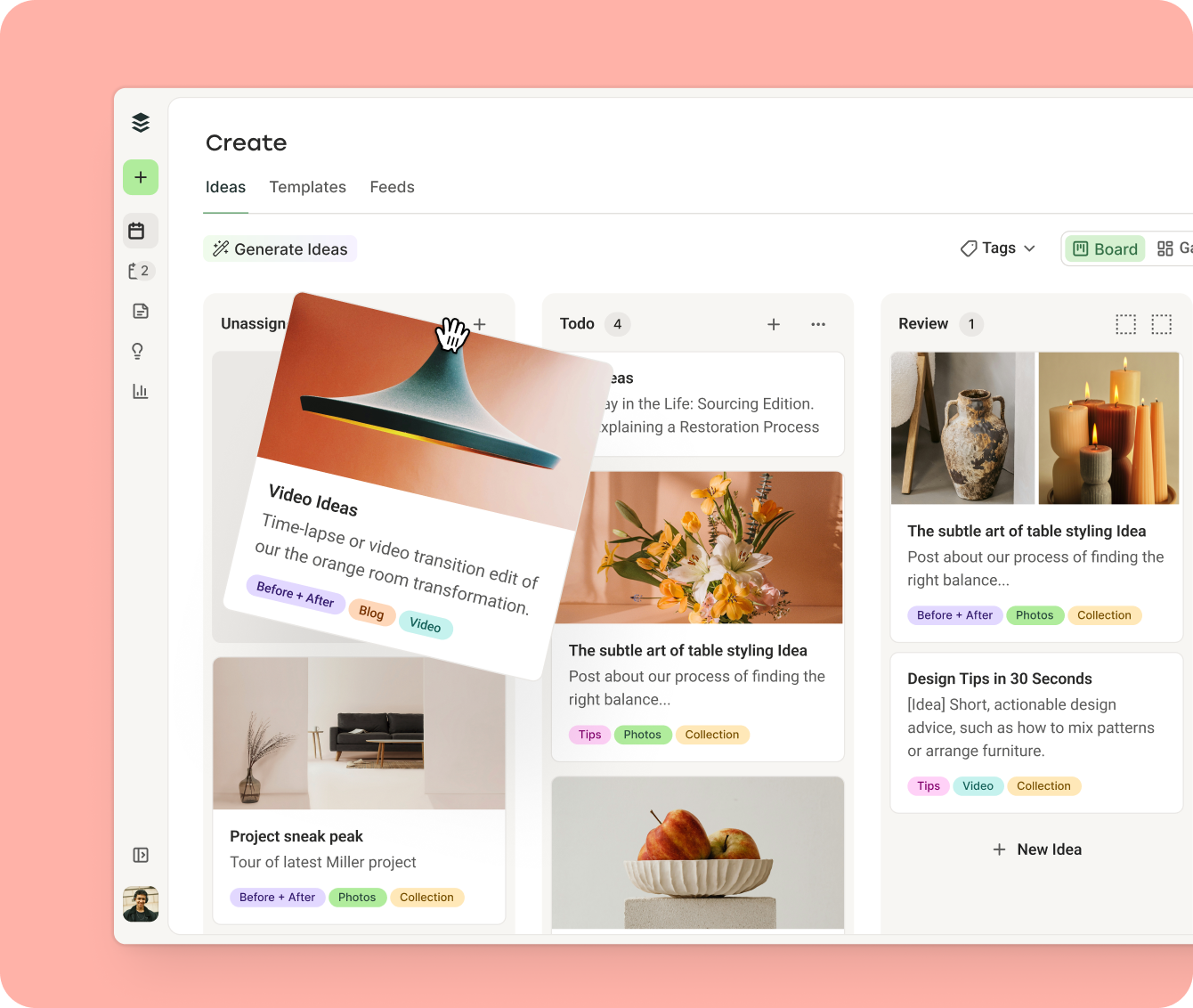
Buffer remains the most recommended tool for creators and small businesses. Its strength lies in its "plug-and-play" nature. You don’t need a degree in data science to set it up. Its per-channel pricing (starting at $6/mo) allows you to pay only for what you use, making it exceptionally scalable for those just starting out. With features like the "Community" inbox and AI-assisted content planning, it turns a daunting task into a manageable morning routine.
2. Hootsuite: The Powerhouse for Social Listening
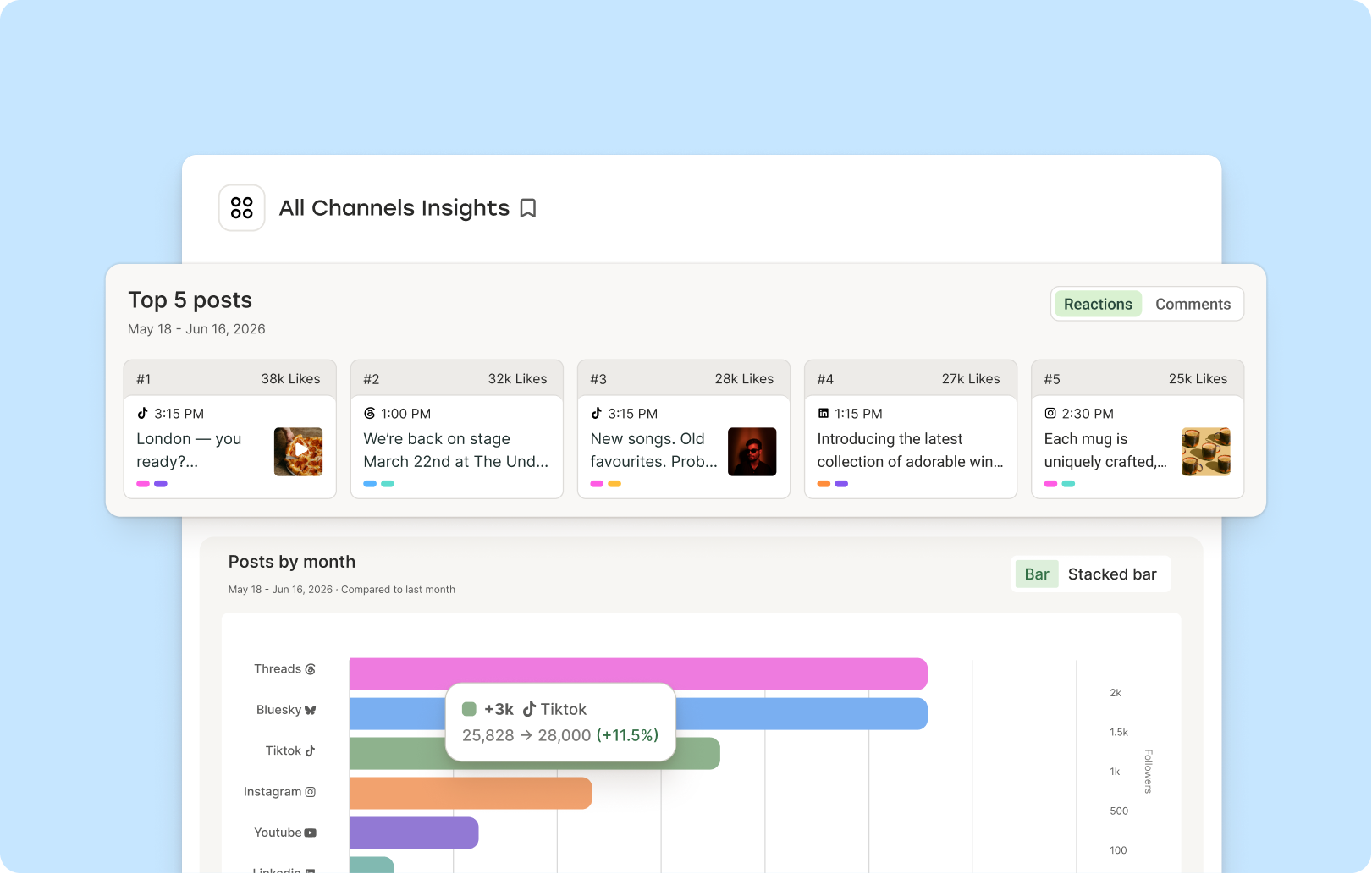
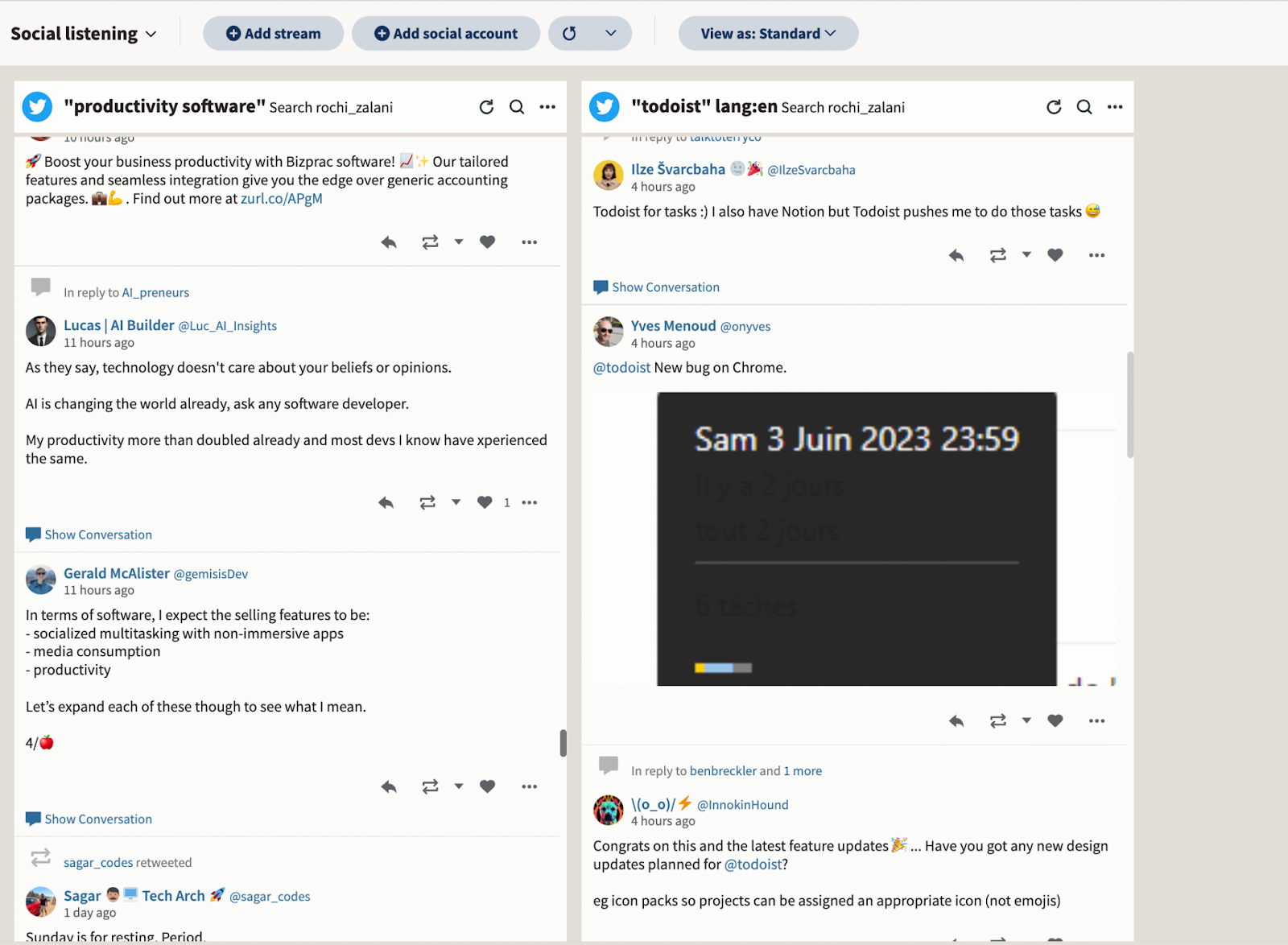
For larger organizations, Hootsuite provides a comprehensive command center. Its integration with Talkwalker offers industry-leading social listening, allowing brands to monitor global conversations around their topics of interest. While the steep learning curve and $199/mo price tag make it overkill for a solo creator, it is an essential asset for teams that need granular control over workflows and deep audience insights.
3. Sprout Social: The All-in-One Enterprise Choice
Sprout Social is the "Swiss Army Knife" of the enterprise world. By acquiring Tagger Media, they have successfully bridged the gap between traditional social management and influencer marketing. If your brand relies on employee advocacy and large-scale influencer collaborations, Sprout’s ability to fold these activities into a single, beautifully designed dashboard is unmatched.
Supporting Data: Selecting Your Ideal Tool
Choosing a tool is a long-term investment. Before committing to a subscription, evaluate your needs against these five core criteria:
- Network Compatibility: Does the tool support emerging platforms? While Facebook and LinkedIn are standard, niche platforms like Substack Notes or Bluesky may be vital for your specific niche.
- Reporting Depth: Are you looking for vanity metrics (follower counts) or ROI metrics (conversion rates and lead attribution)? Ensure the reporting suite matches your stakeholders’ expectations.
- Collaboration Tools: If you work in a team, look for "granular permissions." You want to ensure an intern can draft a post, but only a manager can approve it.
- Scalable Pricing: Don’t look at the entry price. Look at what the cost will be when you have 10 accounts and five team members.
- Specialized Features: Do you need a link-in-bio builder? Do you need DM automation? Sometimes, it is better to choose a tool with a "specialized" USP than a generalist tool that does everything at an average level.
Official Perspectives and Implications
Industry experts agree: the era of manual posting is effectively dead. According to recent market analysis, brands that utilize centralized management tools see an average 30% increase in consistent engagement.
The Implications for Small Businesses:
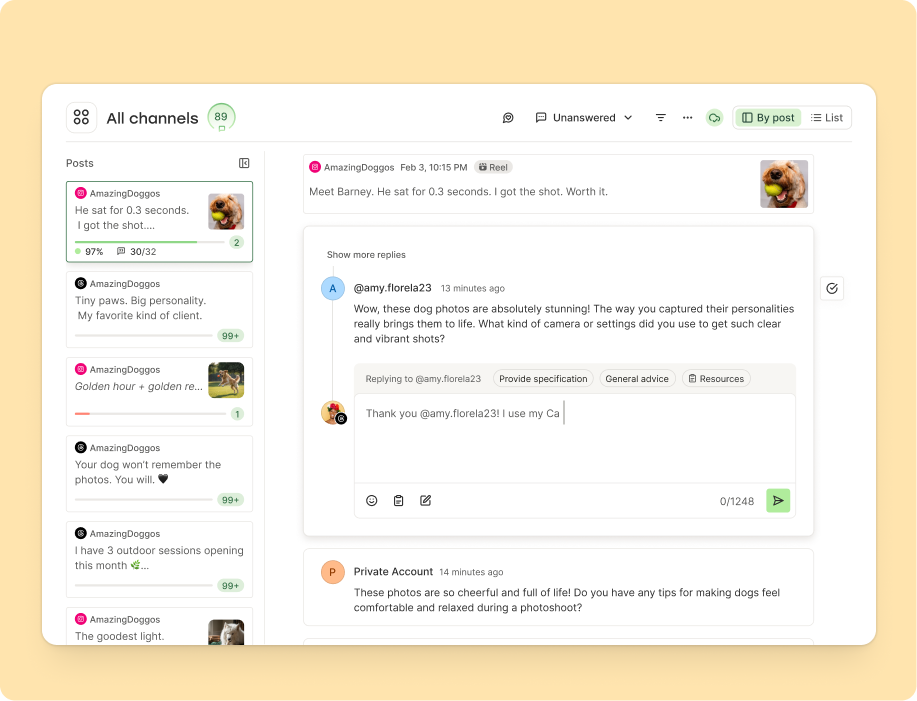
For the small business owner, the implication is clear: you are competing with brands that have dedicated social teams. To level the playing field, you must automate the "grunt work" (scheduling, routine replies) so you can focus on the "human work" (creative storytelling and community building).
The Implications for Enterprises:
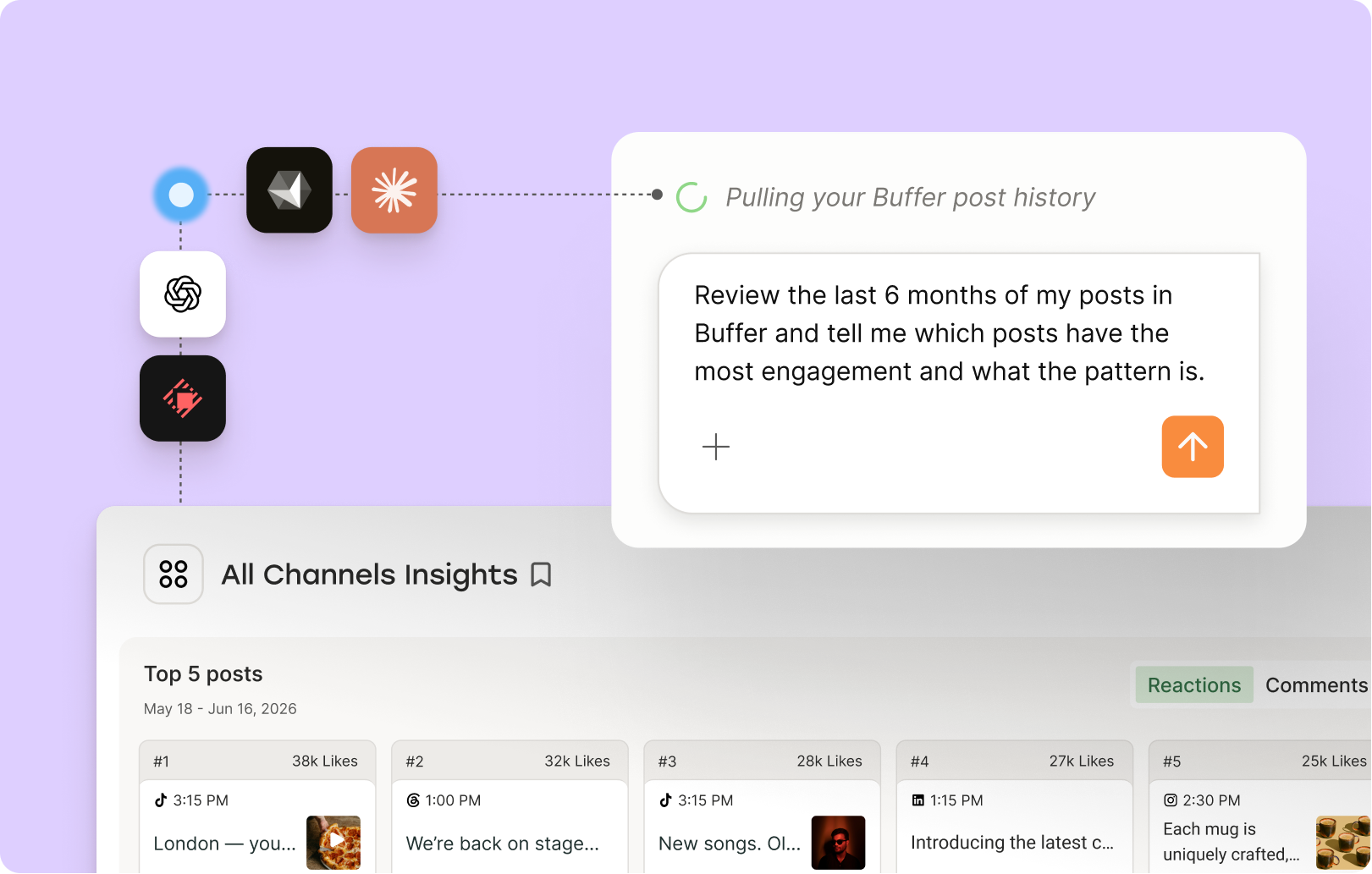
For larger entities, the focus is shifting toward "Governance." With the rise of AI-generated content, maintaining brand voice and ensuring regulatory compliance across multiple regions is the primary driver behind the adoption of tools like Sprinklr or Hootsuite.
Frequently Asked Questions
Do I really need a separate tool for analytics?
In many cases, the built-in analytics of your management tool are sufficient for day-to-day optimization. However, if you are reporting to a C-suite or managing a high-stakes paid ad budget, a dedicated tool like Socialinsider provides a level of competitor benchmarking that generalist tools often lack.
What is the biggest mistake people make when choosing a tool?
The most common error is choosing a tool based on "feature density" rather than "usability." If a tool is so complex that it takes three hours to schedule a single post, you will stop using it. The best tool is the one that you actually open every single day.
How do I future-proof my strategy?
Select a platform that is platform-agnostic. Avoid tools that are built for only one network (unless that network is your sole focus, like Tailwind for Pinterest). Look for providers that have a history of adding API support for new social platforms within weeks of their launch.
Conclusion: Making the Final Call
Your social media strategy is a marathon, not a sprint. The right software should feel like an extension of your own workflow—quiet, reliable, and invisible until you need it.
If you are a solo creator or a small team, start with Buffer to establish consistency. If you are a B2B brand focused on revenue, look at Oktopost. If you are an agency, SocialPilot offers the best white-label experience.
Do not be afraid to switch. Most tools offer 14-day trials—use that time not to look at the features, but to simulate your actual work week. If you can move through your weekly planning faster and with less stress, you have found your winner. Now, go forth and build your audience!

 Basiran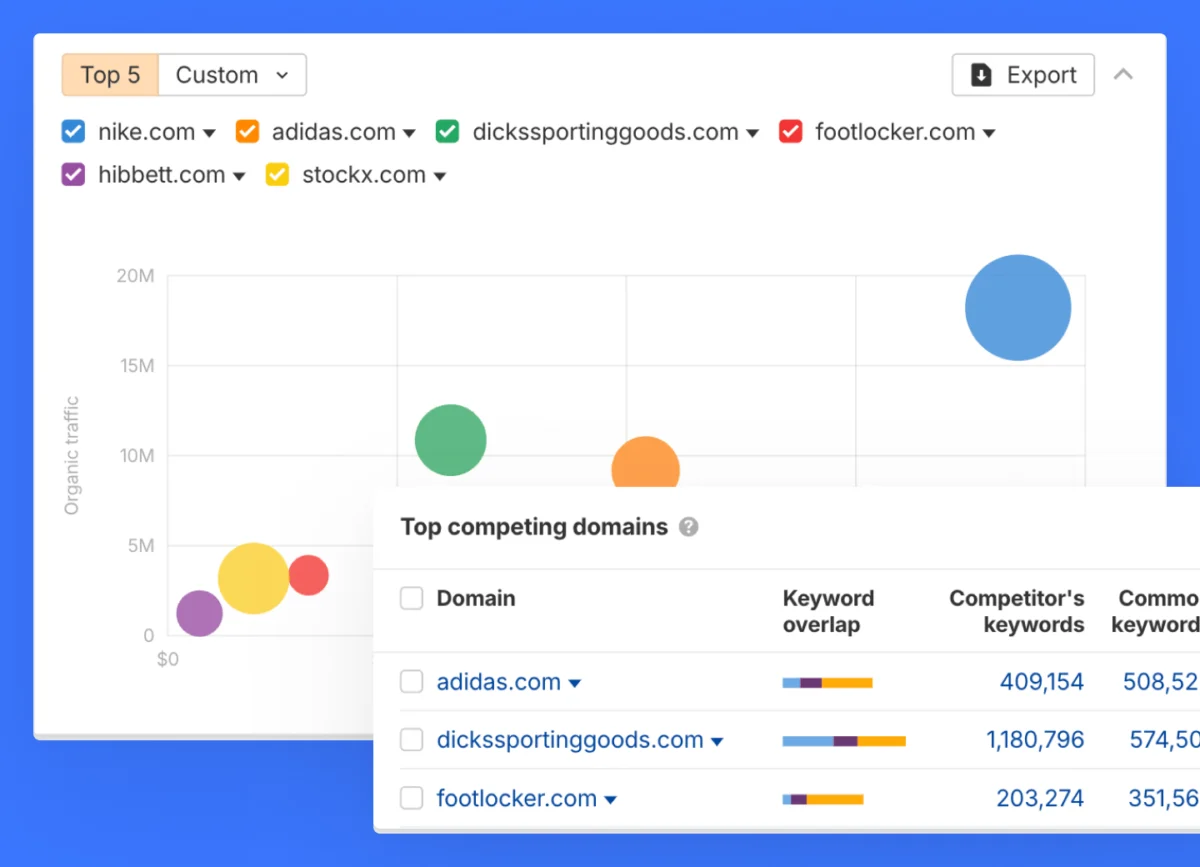
 Ali Ikhwan
 Nila Kartika Wati
 Jia Lissa

 Sagoh
Sagoh

 Lina Hope