
 Neng Nana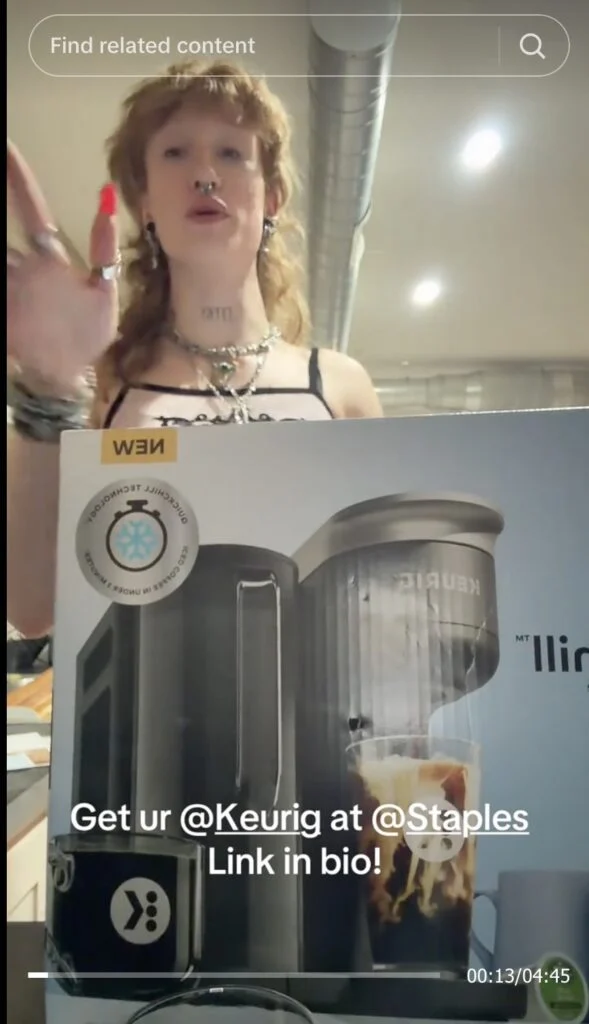
For over a decade, the digital marketing playbook was deceptively simple: chase followers, build a massive audience, and watch the revenue roll in. Follower counts served as the ultimate vanity metric—a shorthand for brand authority and market reach. However, as we move through 2026, that strategy has not only become obsolete; it has become a liability.
The social media landscape has undergone a seismic shift. We are no longer living in the era of the chronological feed, where your reach was strictly capped by the size of your existing audience. We are living in the age of the algorithmic recommendation engine. In this new paradigm, relevance is king, and discoverability is the currency of growth.
The Paradigm Shift: From Follower Counts to Algorithmic Relevance
The modern social experience—defined by platforms like TikTok’s "For You" page and Instagram’s "Reels" tab—is built on a foundation of content-first discovery. Today, a post can rack up millions of views from complete strangers while simultaneously being ignored by the accounts that follow the creator.
Data from Sprout Social reveals the magnitude of this transition: 60% of the time, more than 70% of a post’s total views come from non-followers. In this ecosystem, the "follower count" is no longer a reliable trust signal. In fact, current consumer sentiment suggests that only 17% of users check an account’s follower count before deciding to engage or follow.
For brands, this necessitates a complete overhaul of their content strategy. The objective is no longer to capture a digital mailing list of followers, but to produce content so hyper-relevant to a specific topic that it triggers the algorithm to push that content to new, high-intent audiences.
Chronology of a Disruption: How We Got Here
The evolution of social media has been marked by three distinct eras:
- The Chronological Era (2010–2015): Social media was a direct broadcast medium. If you followed a brand, you saw their content. Success was measured by the speed at which you could aggregate a following.
- The Engagement Era (2016–2021): Algorithms began to deprioritize chronological posts in favor of engagement-heavy content. Brands focused on "hacky" ways to drive comments and likes to game the system.
- The Discoverability Era (2022–Present): Algorithms moved beyond simple engagement metrics to deep semantic understanding. Platforms now parse audio, on-screen text, and visual context to serve content to users based on intent and interest, regardless of their connection to the creator.
This shift has effectively "democratized" reach. A small, nimble account with high-quality, relevant content can now easily outperform a legacy brand with millions of followers that relies on dated, broadcast-style messaging.
Supporting Data: Why Small is the New Big
The obsession with "mega-influencers" is waning, replaced by a strategic pivot toward niche creators and micro-influencers. The numbers bear this out:
- Purchase Intent: Buyers are 21% more likely to purchase a product based on a recommendation from a niche creator, compared to just 15% for mega-influencers.
- The Trust Gap: Smaller influencers possess a unique form of social capital. Because their audiences are smaller and more targeted, their recommendations feel less like advertisements and more like peer-to-peer advice.
- The "User-First" Expectation: 80% of consumers demand that influencers actually use the products they promote. Nearly half (44%) of consumers want to see a history of long-term usage before trusting an influencer’s endorsement.
This shift underscores a vital truth: authenticity is no longer a soft skill—it is a performance metric. Brands that treat creators as "megaphones" for broad messaging will continue to see diminishing returns. Conversely, brands that partner with creators who live and breathe their niche see higher conversion rates and stronger community sentiment.
Official Responses: Leading Brands Lean into Employee Advocacy
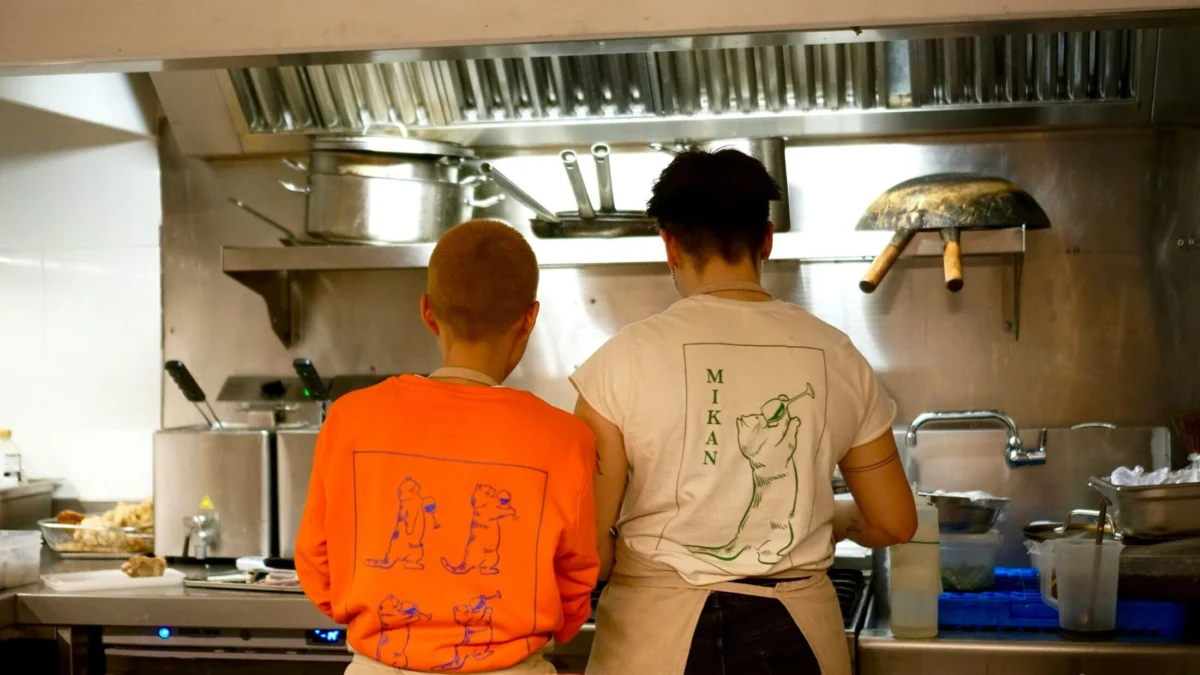
While some brands are still trapped in the "chase the follower" cycle, industry leaders are exploring a new frontier: the employee as a creator.
The viral success of the "Staples Baddie"—a frontline employee whose authentic, behind-the-scenes content garnered national attention—was a watershed moment. It signaled that consumers are weary of over-polished marketing assets. They want to see the real, unvarnished reality of the workplace.

Data indicates that 40% of consumers—and 62% of Gen Z—discover new products through employee-generated content at least once a month. Recognizing this, corporations like Gap and Starbucks are formalizing employee advocacy programs. These programs offer a blueprint for the future: providing employees with creative guidelines and fair compensation, while trusting them to represent the brand in their own authentic voices.
The Tactical Mechanics: Social SEO and AEO
If discoverability is the goal, then Social Media SEO (SOSEO) is the mechanism. Social platforms have evolved into powerful search engines. For many younger users, the traditional "Googling" process is being replaced by searching directly on TikTok or Instagram.
To win in this environment, brands must treat social content with the same structural rigor as website SEO:
- Keywords: Use terms that your audience is actually searching for, not just buzzwords.
- Multimodal Optimization: Modern algorithms index spoken audio, on-screen text overlays, and captions. A video is not just a visual asset; it is a data set.
- The "Evergreen" Effect: By optimizing for search, content life cycles are expanding. A post is no longer dead after 48 hours; it can be discovered weeks or months later by someone typing a query into a search bar.
Furthermore, the rise of AI Answer Engines (AEO)—such as ChatGPT, Claude, and Gemini—means that social content is being pulled into AI-generated responses. If your content is optimized for discoverability, it has a higher chance of being cited as a source by these AI tools, creating a flywheel of perpetual organic traffic.
Implications for the Future: A Strategy for 2026 and Beyond
What does this mean for the CMO? It means that the KPIs of yesterday are failing the business of tomorrow.
1. Shift the Focus from "Reach" to "Relevance"
Stop auditing partners based on follower count. In fact, if a potential partner has millions of followers but poor engagement and low topical authority, they may be a liability. Evaluate partners on their ability to command a niche and their consistency in creating content that aligns with user search intent.
2. Invest in Internal Infrastructure
Your frontline employees are your most underutilized marketing asset. Start building an employee-creator program today. Focus on paying them for their contribution and giving them the creative freedom to be "human." Authenticity sells, and nothing is more authentic than a worker who loves what they do.
3. Integrate SOSEO into the Content Workflow
SEO is no longer the domain of the web team alone. Your social media team must be trained in keyword research, on-screen text optimization, and audio-based discovery. Every piece of content should be designed to answer a question or solve a problem that your audience is actively searching for.
4. Prepare for the "Evergreen" Shift
Stop treating social media as a disposable feed. Treat it as an indexed library. By optimizing for search and AEO, you transform your social presence into an evergreen asset that builds brand equity long after the "post" button is pressed.
Conclusion
The era of the "follower" was an era of vanity. The era of "discoverability" is an era of utility. Brands that continue to obsess over the size of their audience will find themselves shouting into an empty void. Conversely, brands that prioritize relevance, authenticity, and technical search optimization will find themselves at the center of the customer journey.
The lesson for 2026 is clear: stop trying to build a crowd. Instead, build content that brings the crowd to you. In the algorithmic age, the most successful brands will be the ones that understand that being found is far more important than being followed.

 Siti Muinah
 Nila Kartika Wati
 Jia Lissa
 Basiran
 Sagoh
Sagoh

 Lina Hope