
 Muslim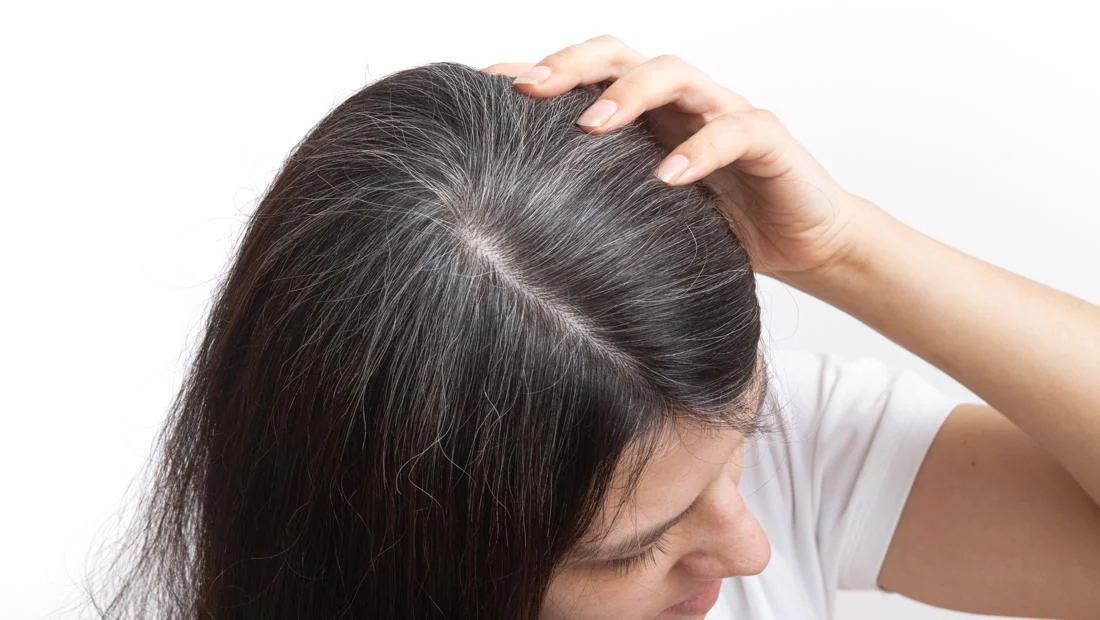
Jakarta, Indonesia – The appearance of grey hair is a ubiquitous and often anticipated sign of aging in adults, a natural progression that many embrace while others seek to conceal. However, a recent and rather startling notion has begun circulating, suggesting that the emergence of grey hair might be an indicator of the body actively combating cancerous cells. This intriguing yet potentially misleading claim has prompted a wave of public discussion, prompting medical experts to weigh in with authoritative clarity.
Dr. Yenny Rachmawati, M. Biomed, a distinguished lecturer at the Faculty of Medicine and Nutrition, IPB University, has decisively refuted this widespread assumption. In a statement released via the IPB University official channels, Dr. Rachmawati unequivocally asserted that the presence of grey hair bears no relation to the human immune system’s fight against disease, nor can it serve as a biological marker for cancer risk.
"Grey hair does not mean the body is actively fighting cancer. Hair color cannot be used as a marker to estimate a person’s cancer risk," Dr. Yenny emphasized, directly addressing the growing public concern. This expert opinion underscores the critical importance of distinguishing between biological phenomena and unsubstantiated health claims, particularly when dealing with serious conditions like cancer.
Deconstructing the Myth: A Closer Look at the Speculated Link
The notion linking grey hair to the body’s battle against cancer, while captivating, lacks robust scientific backing. Understanding the genesis of this hypothesis is crucial to discerning its flaws and preventing public misinformation.
The Genesis of the Hypothesis: A 2025 Study’s Nuance
The widespread belief that grey hair might signal an internal fight against cancer appears to have stemmed, at least in part, from speculative interpretations of a research finding in 2025. This particular study, as referenced in public discourse, explored the intricate relationship between DNA damage and its potential cellular outcomes. Researchers reportedly observed that DNA damage could manifest in two distinct pathways: either leading to the premature greying of hair or, alternatively, contributing to the formation of lesions that could potentially progress into melanoma, a severe form of skin cancer.
It is vital to highlight the nuanced nature of this finding. The study did not conclude that grey hair is a sign of fighting cancer. Instead, it proposed that a common underlying mechanism – DNA damage – could lead to either greying or lesions, depending on various cellular responses and genetic predispositions. The critical distinction here is between correlation and causation, and between two separate outcomes stemming from a common root, rather than one outcome actively combatting the other. Public interpretation often simplifies complex scientific findings, leading to misrepresentations that can spread rapidly, especially in the age of digital information. The idea that greying is a "side effect" of a beneficial internal struggle against cancer is an oversimplification and a misattribution of the research’s actual scope.
The Absence of Epidemiological Evidence
Despite the intriguing nature of the 2025 study’s findings, Dr. Yenny Rachmawati firmly stated that there is currently no epidemiological evidence to support the claim that individuals who experience premature greying are at an increased risk of developing melanoma or any other form of cancer. This lack of epidemiological data is a cornerstone of the medical community’s skepticism towards the myth.
Epidemiology is the branch of medicine that deals with the incidence, distribution, and possible control of diseases and other factors relating to health. For a medical claim to be considered valid and impactful on public health recommendations, it must typically be supported by extensive epidemiological studies involving large populations over significant periods. Such studies would look for patterns and statistically significant associations between factors like premature greying and cancer incidence. The absence of such robust evidence means that, from a public health perspective, the link remains unproven and speculative. Relying on preliminary or misinterpreted research without broader epidemiological validation can lead to dangerous health decisions, as individuals might falsely believe their grey hair offers some form of protection or insight into their cancer status.
The Science of Greying: Unpacking Hair Pigmentation and Its Decline
To fully appreciate why grey hair is a natural biological process rather than a cancer indicator, it is essential to delve into the intricate science of hair pigmentation.
The Role of Melanocytes and Melanin
The color of our hair is a marvel of biological engineering, primarily determined by specialized cells called melanocytes. These cells reside within the hair follicles, the tiny, sac-like structures in the skin from which hair grows. Melanocytes are responsible for producing melanin, the pigment that gives hair its distinctive hue.
There are two primary types of melanin:
- Eumelanin: This pigment produces black and brown hair colors. Higher concentrations of eumelanin result in darker hair.
- Pheomelanin: This pigment is responsible for red and yellow tones. The presence of pheomelanin, often alongside eumelanin, contributes to blonde, ginger, and auburn hair colors.
The specific combination and quantity of these two types of melanin, packaged into structures called melanosomes, determine the vast spectrum of human hair colors. As hair grows, melanocytes inject melanosomes into the keratinocytes (the cells that make up the hair shaft), effectively coloring the hair from the inside out.
The Melanocyte Stem Cell Depletion Theory
The process of hair greying, scientifically known as canities, is predominantly an age-related phenomenon rooted in the gradual decline of melanocyte activity. The critical players in maintaining hair color are not just the melanocytes themselves, but also their progenitor cells: melanocyte stem cells. These stem cells are a reservoir of new melanocytes, continuously replenishing the pigment-producing cells throughout the hair growth cycles.
Each hair follicle undergoes a cyclical process of growth (anagen), regression (catagen), and rest (telogen). With each new anagen phase, new melanocytes are generated from the stem cell pool to color the emerging hair shaft. However, as we age, several factors contribute to the depletion and dysfunction of these vital melanocyte stem cells. Over time, the pool of viable stem cells diminishes, and the remaining melanocytes become less efficient at producing melanin.
This progressive reduction in melanin production leads to a gradual loss of pigment in the hair shaft. Hair that once contained abundant melanin begins to grow with less or no pigment, appearing white, silver, or grey. The "grey" appearance is often an optical illusion created by a mixture of pigmented and unpigmented (white) hairs. Ultimately, hair becomes entirely white when melanocytes cease to function altogether, and no melanin is incorporated into the growing hair. This process is a natural, genetically programmed aspect of human aging, not an indication of the body actively fighting disease.
Multifactorial Influences on Hair Greying: Beyond Just Age
While age is undeniably the primary driver of hair greying, the speed and extent of this process are influenced by a complex interplay of genetic, environmental, and physiological factors. Understanding these contributors further solidifies the understanding that grey hair is a multi-faceted biological outcome, not a disease signal.
Genetic Predisposition: The Hereditary Factor
Genetics play a profound role in determining when an individual will start greying and how quickly the process will advance. It is common to observe familial patterns, where children often begin to grey at a similar age to their parents or grandparents. Research has identified specific genes associated with hair greying, with the IRF4 gene being a notable example. This gene is involved in regulating melanin production and storage, and variations within it have been linked to an increased likelihood of premature greying. While genes don’t dictate an exact timeline, they set a strong predisposition for the onset and progression of canities.
Oxidative Stress: An Internal Adversary
Oxidative stress is a state where there is an imbalance between the production of reactive oxygen species (free radicals) and the body’s ability to neutralize them with antioxidants. These free radicals can damage cells, proteins, and DNA throughout the body, including the delicate melanocyte stem cells in hair follicles. Chronic oxidative stress can accelerate the depletion of these stem cells and impair the function of existing melanocytes, thereby contributing to premature greying. Factors like environmental pollution, UV radiation, smoking, and even psychological stress can increase oxidative stress.
Lifestyle and Environmental Contributors
Beyond genetics and internal cellular processes, various external and lifestyle factors can influence the onset and progression of grey hair.
- Smoking: Tobacco smoke contains thousands of toxic chemicals that generate immense oxidative stress throughout the body. Studies have consistently linked smoking to premature greying, often decades earlier than non-smokers. The toxins in cigarette smoke can directly damage hair follicles and melanocytes, impairing pigment production.
- Pollution and UV Exposure: Similar to smoking, exposure to environmental pollutants and excessive ultraviolet (UV) radiation from the sun can generate free radicals, contributing to oxidative stress in the scalp and hair follicles. Prolonged exposure can accelerate cellular damage and, consequently, greying.
- Dietary Deficiencies: More Than Just a Pigment Issue
While a balanced diet won’t prevent age-related greying, severe deficiencies in certain vitamins and minerals can contribute to premature greying or changes in hair health.- Vitamin B12: Essential for DNA synthesis, red blood cell formation, and neurological function. A deficiency can impact overall cell metabolism, including melanocyte activity.
- Iron: Crucial for oxygen transport in the blood, including to hair follicles. Iron deficiency anemia can lead to a range of hair problems, including premature greying.
- Copper: An essential trace mineral and a co-factor for tyrosinase, an enzyme critical for melanin synthesis. Copper deficiency can directly impair pigment production.
- Other Vitamins and Minerals: Deficiencies in Vitamin D, Folic Acid, and certain proteins can also indirectly affect hair health and pigmentation.
It is important to note that these deficiencies are usually identified through blood tests and often accompanied by other symptoms, not just greying hair.
- Underlying Health Conditions: When Greying Signals Something Else
In some instances, premature greying can be a symptom of an underlying medical condition, although these are typically rare and accompanied by other clinical signs.- Thyroid Disorders: Both hypothyroidism (underactive thyroid) and hyperthyroidism (overactive thyroid) can disrupt metabolic processes throughout the body, affecting hair growth, texture, and pigmentation.
- Autoimmune Diseases: Conditions like Vitiligo (where the immune system attacks melanocytes in patches of skin and hair), Pernicious Anemia (an autoimmune condition leading to B12 deficiency), and Alopecia Areata (an autoimmune condition causing patchy hair loss) can be associated with premature greying.
- Rare Genetic Syndromes: Extremely rare conditions such as Progeria and Werner Syndrome, which cause accelerated aging, also manifest with premature greying among numerous other severe symptoms.
- Psychological Stress: An Indirect Influence
While the direct link between stress and grey hair is often debated, chronic psychological stress can indirectly contribute to greying. Stress can trigger hormonal changes and increase oxidative stress, both of which can impact the health and function of hair follicles and melanocytes over time. It’s more likely an accelerator for an existing predisposition rather than a sole cause.
Expert Perspectives and Public Health Directives
The rapid dissemination of health-related myths, particularly through social media, poses a significant challenge to public health. The firm stance taken by medical professionals like Dr. Yenny Rachmawati is crucial in combating misinformation and guiding the public toward evidence-based health practices.
Reinforcing the Medical Consensus: Dr. Yenny’s Stance
Dr. Yenny Rachmawati’s statements serve as a vital anchor in the sea of health information. Her core message is unequivocal: "We do not need to associate the appearance of grey hair with the body’s ability to stop cancer. This proper understanding is important so that we do not ignore cancer risk factors just because our hair is starting to turn white." This caution highlights the primary danger of the myth: a false sense of security. If individuals believe their grey hair is a sign of cancer protection, they might become complacent about actual, proven cancer prevention strategies and early detection methods.
Her professional opinion, stemming from her expertise in medicine and nutrition, represents the broader scientific consensus. Dermatologists, oncologists, and general practitioners consistently affirm that hair color changes, in isolation, are not diagnostic markers for cancer risk or indicators of the body’s immune response to malignancy. This unified medical voice is essential for maintaining public trust and ensuring health information remains grounded in scientific fact.
The Peril of Health Misinformation
The grey hair-cancer myth is a stark example of how misinterpretations of scientific research can evolve into widespread health misconceptions. Such misinformation is not benign; it can have tangible, negative impacts on public health. When individuals place their faith in unsubstantiated claims, they risk:
- Delayed Diagnosis: Ignoring genuine symptoms of cancer because they believe their grey hair is a protective sign.
- Anxiety and Fear: Unnecessarily worrying about their grey hair if they perceive it as a negative health signal (if the myth were reversed).
- Misallocation of Resources: Potentially seeking unproven "cures" or remedies based on false premises.
- Erosion of Trust: Undermining public trust in established medical science when conflicting information abounds.
Medical professionals and public health organizations play a critical role in actively debunking myths, providing accessible and accurate information, and educating the public on how to critically evaluate health claims.
Implications for Health Awareness and Cancer Prevention
The debunking of the grey hair-cancer myth carries significant implications for how individuals approach their health, particularly concerning cancer prevention and early detection.
Avoiding False Sense of Security
The most significant danger of the grey hair-cancer myth is the false sense of security it could instill. If someone believes their grey hair indicates their body is successfully fighting cancer, they might unwittingly neglect crucial, evidence-based cancer prevention strategies or ignore actual warning signs of the disease. Cancer is a complex illness with diverse causes and manifestations, and its prevention and treatment rely on rigorous scientific research, not on superficial physiological changes like hair color. Proactive health management requires vigilance, awareness of established risk factors, and adherence to medical advice.
Genuine Cancer Prevention Strategies
Dr. Yenny Rachmawati succinctly outlined the true pillars of cancer prevention, which remain unchanged regardless of hair color:
- Healthy Lifestyle: This encompasses a balanced diet rich in fruits, vegetables, and whole grains, along with regular physical activity. Maintaining a healthy weight significantly reduces the risk of various cancers.
- Avoiding Carcinogens: Foremost among these is smoking cessation, as tobacco use is a leading cause of numerous cancers. Limiting alcohol consumption is also vital.
- Sun Protection: Protecting the skin from excessive ultraviolet (UV) radiation is paramount in preventing skin cancers, including melanoma. This includes using sunscreen, wearing protective clothing, and seeking shade.
- Regular Screenings and Self-Examinations: Age-appropriate screenings (e.g., mammograms, colonoscopies, Pap tests) are critical for early detection. Regular self-examinations, such as checking for changes in moles or skin lesions, are also crucial.
- Attention to Suspicious Changes: Any persistent or unusual changes in the body, such as unexplained weight loss, persistent pain, lumps, or altered bowel habits, should prompt a medical consultation without delay.
When to Seek Medical Advice for Greying
While grey hair is predominantly a normal part of aging, Dr. Yenny advises that a medical check-up is warranted if greying appears "very early" and is accompanied by other unusual symptoms or complaints. This is particularly true if the greying is sudden, patchy, or associated with signs of nutritional deficiency, thyroid dysfunction, or other systemic health issues. A medical professional can assess whether the greying is merely cosmetic or indicative of an underlying condition that requires attention.
Embracing or Managing Grey Hair: A Personal Choice
Ultimately, the appearance of grey hair is a personal journey. For many, it is a symbol of wisdom and maturity, embraced with grace. For others, the cosmetic aspect leads to choices about coloring or other hair treatments. It is crucial to distinguish these personal preferences and societal perceptions from medical facts. The decision to embrace or alter one’s grey hair should be entirely separate from any health-related anxieties, especially those stemming from unproven myths.
Conclusion: A Natural Phenomenon, Not a Medical Signal
The emergence of grey hair is primarily a natural, genetically influenced aspect of human aging, a testament to the intricate biological processes that govern our bodies. It is not a secret signal from the immune system battling cancer, nor can it serve as a diagnostic tool for disease risk. The professional medical community, represented by experts like Dr. Yenny Rachmawati, stands firm in debunking such myths, emphasizing the importance of evidence-based medicine.
For individuals navigating their health, the message is clear: do not be swayed by speculative claims or misinformation. Instead, focus on established cancer prevention strategies – maintaining a healthy lifestyle, avoiding carcinogens, protecting against environmental damage, and adhering to recommended screenings. Grey hair is a fascinating and normal part of life’s journey, but our health decisions must always be guided by robust science and informed medical advice, ensuring proactive and effective care for our well-being.
(nir/faz)


 Asep Darmawan
 Basiran
 Raul Delapena Setiawan
 Reynand Wu
 Sagoh
Sagoh

 Azzam Bilal Chamdy
 Ali Ikhwan