
 Basiran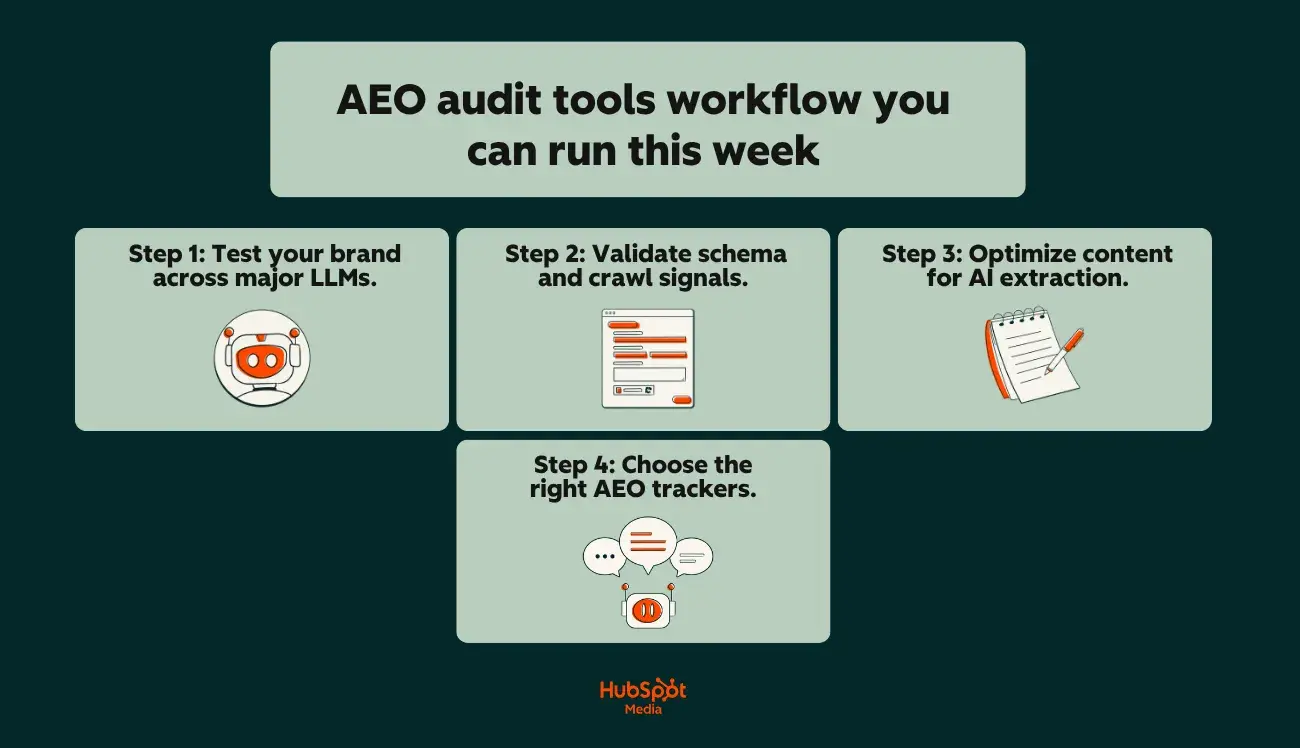
As the search landscape shifts from blue links to conversational AI, the traditional SEO playbook is facing an existential crisis. Buyers are no longer just Googling keywords; they are asking ChatGPT, Perplexity, and Gemini for direct product recommendations. For growth marketers, content strategists, and SEO managers, the ability to appear in these AI-generated responses—and to ensure the information provided is accurate—has become the defining challenge of the modern digital era.
Enter Answer Engine Optimization (AEO). While traditional SEO audits focus on crawl health and search rankings, AEO audit tools are designed to measure brand visibility across the platforms where modern buyers actually discover solutions. For teams that have not yet integrated this measurement layer into their workflow, the risk is not just losing traffic—it is becoming invisible in the age of AI.
The Evolution of Discovery: Why AEO Audits Matter
The core premise of search has changed. Users now prioritize speed and synthesis, opting for a single, curated answer over a list of ten websites. This "answer-driven discovery" means that if your brand is not cited in the AI’s response, you are effectively absent from the conversation.
However, visibility is not static. AI models are constantly retraining, and competitors are aggressively optimizing their content for extraction. A brand that enjoys prime citation in a Perplexity response today could vanish tomorrow if a competitor publishes a more authoritative or better-structured source. This necessitates a transition from "snapshot" reporting to ongoing, cadence-based AEO monitoring.
Chronology of an AEO Audit Workflow
To master this new landscape, teams must adopt a rigorous, multi-step process. AEO is not a "set it and forget it" task; it is a cycle of testing, refining, and reporting.
Phase 1: Establishing the Baseline
Before investing in enterprise software, teams must determine if they are currently being surfaced at all. This involves a baseline visibility check across major platforms. Utilizing tools like HubSpot’s AI Search Grader allows teams to see a snapshot of their current standing without upfront costs.
Phase 2: Content Extraction Readiness
Once the baseline is established, the focus shifts to the technical and structural integrity of the content itself. AI models act as "extractors," pulling snippets from your pages. If your content is buried in complex prose, it is likely being ignored. Marketers must reformat their high-value pages to include:
- Answer-first introductions: An immediate, concise answer to the user’s intent.
- Q&A blocks: Structured, query-answer pairs that mimic how users phrase questions.
- Comparison tables: Data-rich layouts that AI models prefer for objective benchmarking.
Phase 3: Tracker Deployment
With content prepared, the focus turns to active monitoring. Dedicated AEO audit tools map which queries trigger citations and, crucially, verify if your brand is the one being recommended. This phase bridges the gap between "we exist" and "we are the authority."
Supporting Data: The Cost of Inaction
The urgency for these tools is backed by shifting buyer behaviors. According to industry trend reports, users are increasingly moving away from SERPs (Search Engine Results Pages) toward "Answer Engines."
- Accuracy Risks: In regulated industries, an AI model hallucinating a price point or a product feature can have significant legal and brand implications. Weekly citation audits act as a safeguard, ensuring the data presented by AI is a true reflection of the brand’s current offerings.
- The "Zero-Click" Reality: As AI continues to dominate, traditional click-through rates (CTR) on organic search are declining. The primary metric of success for 2026 is "Citation Share"—the frequency with which your brand appears in an AI response for a high-intent, industry-relevant query.
Strategic Implications: Matching Tools to Team Maturity
One size does not fit all in the AEO world. Selecting the right audit tool depends on the organizational structure and the level of technical maturity.

For Startups and SMBs: The "Discovery" Tier
Smaller teams should prioritize validation. The primary question at this stage is: Is AI search a viable channel for us? If your baseline audit shows zero presence, the investment should be in content strategy and structural reformatting, not expensive software. Focus on high-intent, long-tail queries where the competition is less aggressive.
For Mid-Market Teams: The "Efficiency" Tier
Manual spot-checks are unsustainable for teams of 5 to 20 marketers. This tier requires platforms that layer citation tracking onto existing SEO workflows. The goal is to avoid "tool sprawl" by integrating AEO data into existing marketing dashboards, allowing teams to monitor citations with minimal manual overhead.
For Enterprise Organizations: The "Compliance" Tier
At the enterprise level, the challenge is governance. Organizations must ensure that across multiple product lines and regions, the brand representation in AI remains consistent and accurate. Enterprise stacks should prioritize tools that consolidate tracking, provide robust API access for custom reporting, and offer deep integrations with CRM systems like HubSpot to tie citation data back to revenue attribution.
Avoiding Common Pitfalls
Even with the right tools, many teams fail because they approach AEO with an "SEO-legacy" mindset.
- Tool-First Buying: The most dangerous mistake is purchasing an expensive AEO platform before running a manual audit. You must understand your content’s "extraction readiness" before expecting a tool to fix a structural problem.
- The "ChatGPT-Only" Blindspot: Many teams test their visibility solely on ChatGPT. However, each engine (Gemini, Perplexity, Claude, Bing) uses different logic and data sources. An AEO strategy that ignores the diversity of the AI ecosystem is incomplete.
- Lack of Measurement Frameworks: AEO is not just about rankings; it’s about sentiment and accuracy. Without a predefined framework that links citation data to business goals, teams often get lost in "vanity metrics" that don’t move the bottom line.
Creating a Sustainable AEO Reporting Cadence
To ensure long-term success, translate your audit findings into a recurring workflow:
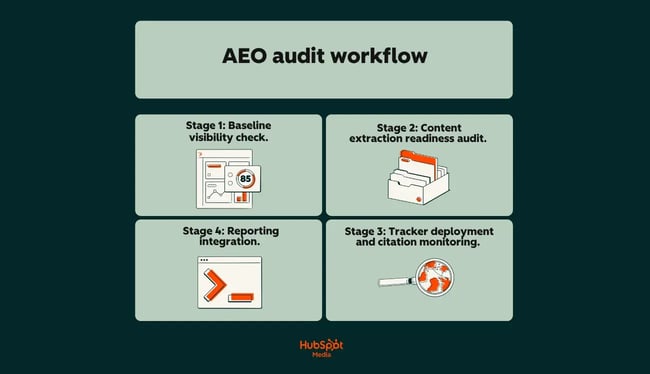
- Weekly (The Operational Layer): Automate citation alerts to monitor for "brand drift." If an AI misrepresents your pricing or features, you need to know immediately to adjust your source content.
- Monthly (The Strategic Layer): Analyze "Citation Share" against competitors. Are you winning the queries that matter? This is the cadence for reporting to leadership and justifying budget allocations.
- Quarterly (The Evaluative Layer): Rerun full baseline tests and evaluate your tech stack. As the AI landscape shifts, the tool that worked in Q1 may be obsolete by Q4.
Conclusion: The Future is Answer-First
The transition to AI-driven search is not a temporary trend; it is a fundamental shift in how information is consumed and how purchasing decisions are made. Brands that treat AEO as an afterthought will find themselves systematically excluded from the buyer’s journey.
By implementing a disciplined audit process—starting with baseline visibility, progressing to content reformatting, and scaling through integrated tracking tools—marketers can regain control over their digital presence. Whether you are a startup validating your first AI touchpoints or an enterprise organization governing global brand accuracy, the tools to master this environment are available.
The question is no longer whether you should optimize for AI. The question is whether you are ready to be the answer.
Ready to get started? Begin your journey today by running a baseline test and aligning your content strategy with the realities of the modern AI ecosystem.


 Reynand Wu
 Iffa Jayyana
 Raul Delapena Setiawan

 Sagoh
Sagoh

 Azzam Bilal Chamdy
 Ali Ikhwan