 Muslim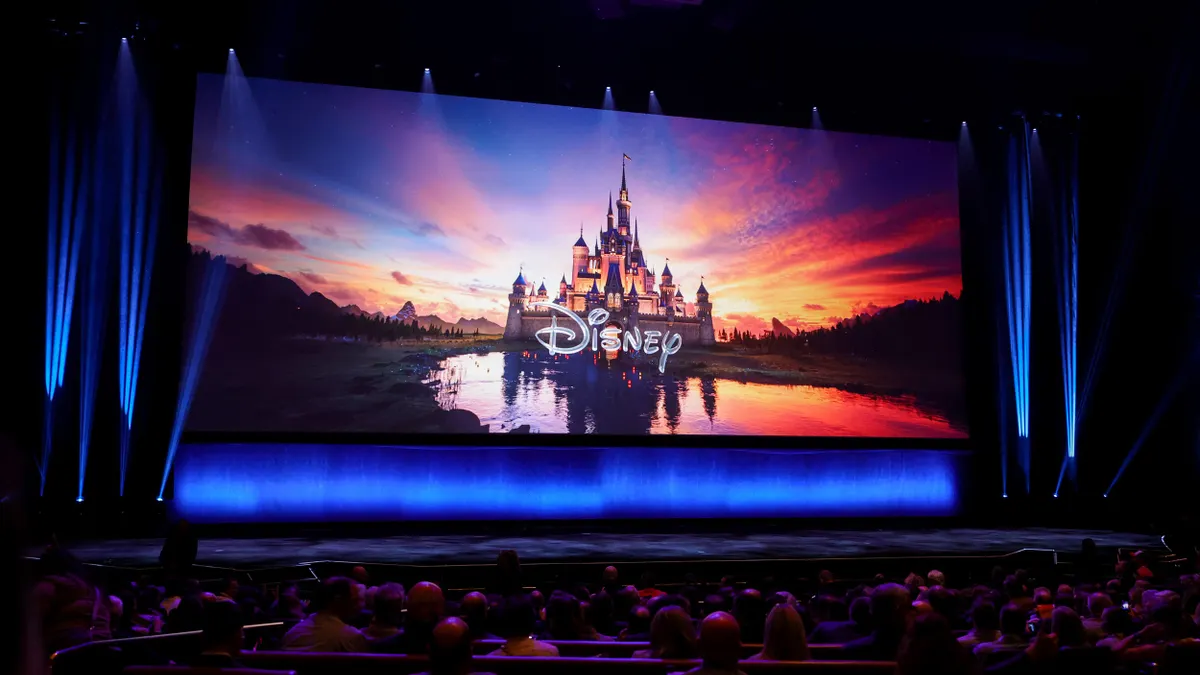
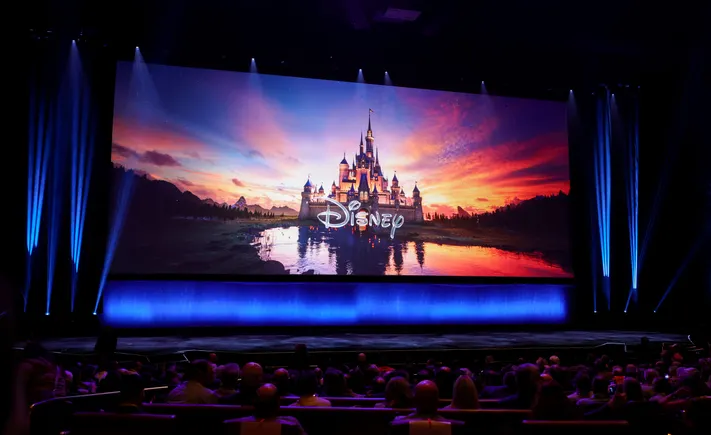
In a move that signals a seismic shift in how major media conglomerates engage with digital audiences, The Walt Disney Company and TikTok have announced a landmark partnership. The two giants are set to launch the "Disney Creator Ambassador" program, a strategic initiative designed to integrate top-tier content creators into the marketing ecosystems of some of the world’s most powerful entertainment franchises, including Marvel, Star Wars, Pixar, and FX.
This collaboration represents more than a mere promotional effort; it is a fundamental acknowledgment by Disney that the future of franchise longevity lies in the hands of the creator economy. By providing creators with exclusive access to film and television assets, Disney aims to capture the cultural zeitgeist that TikTok’s massive user base dictates, effectively turning the social platform into an extension of its own marketing machine.
The Mechanics of the Ambassador Program
The Disney Creator Ambassador program will enter its pilot phase in the United States later this year, with a stated objective to scale the operation globally as the framework matures. Under this arrangement, selected creators will be granted unprecedented access to behind-the-scenes content, early previews, and promotional assets related to Disney’s extensive library of intellectual property (IP).
The initiative is deeply integrated with "Verts," a vertical video feature that Disney+ introduced to its mobile app in March 2026. Verts functions as a native, TikTok-like experience within the Disney+ interface, allowing users to browse short-form, algorithmic-driven video content. By populating Verts with creator-led content sourced from TikTok, Disney hopes to keep subscribers engaged on its platform for longer durations, bridging the gap between passive streaming and active social participation.
A Chronology of Strategic Pivots
To understand the significance of this partnership, one must look at the recent evolution of Disney’s digital strategy.
- March 2026: Disney launches "Verts" on the Disney+ mobile app, signaling a commitment to mobile-first, short-form viewing habits that mirror the success of TikTok and Instagram Reels.
- March 2026 (Concurrent): OpenAI unexpectedly shutters its generative video tool, Sora, effectively collapsing a $1 billion licensing deal between Disney and the AI firm. That deal had intended to use Sora to automate the creation of user-generated content (UGC) for Disney+ promotions.
- March 2026 (Industry Context): Tubi, the ad-supported streaming service owned by Fox, launches its own creator incubator program, setting a precedent for integrating social stars into the streaming ecosystem.
- August 5, 2026: Disney formally announces the TikTok partnership on the heels of a Q3 earnings report that highlighted an 11% surge in streaming revenue, reaching $5.3 billion.
The shift from an AI-centric approach (the failed Sora deal) to a human-centric approach (the TikTok creator partnership) marks a pivotal change in how Disney views the production of "fan-culture" content.
The Economic and Data Landscape
The necessity of this deal is underscored by compelling data regarding consumer behavior. According to internal data from TikTok, the platform’s users shared an average of 6.5 million film and TV-related posts daily throughout 2025. Perhaps more importantly for Disney’s bottom line, 50% of surveyed viewers reported that they went on to watch a TV series or film specifically after discovering content on TikTok.
This data suggests that the "discovery funnel" for entertainment has moved away from traditional television advertising and toward the recommendation engines of social media. For Disney, which reported Q3 earnings that exceeded Wall Street’s profit expectations—despite missing top-line revenue targets—leveraging this funnel is essential. The company is currently riding a wave of theatrical success, with summer box office records being shattered by blockbuster franchise installments, providing a perfect testing ground for the new TikTok integration.
Furthermore, Disney’s recent upfront negotiations have been a success, yielding double-digit volume gains and a sold-out inventory for the upcoming Super Bowl LXI. The TikTok partnership is intended to complement these traditional media wins by sustaining momentum for projects long after the initial theatrical or streaming release date.
Expert Analysis and Official Implications
Industry observers view the TikTok deal as a pragmatic "do-over" of the failed OpenAI initiative. Mike Proulx, Vice President and Research Director at Forrester, suggests that Disney has finally come to terms with the organic power of fan-created content.

"Disney’s TikTok partnership feels like a do-over of its failed Sora initiative," Proulx noted. "Disney has, ironically, come to terms with the value of fan-created content built around its popular IP and, using TikTok, just found another way to get there. With TikTok, Disney is basically plugging into the world’s largest fandom platform. TikTok already has the creators, the audience, and the recommendation engine."
The implication here is that Disney is no longer trying to manufacture "viral moments" through top-down corporate messaging or AI automation. Instead, it is outsourcing the heavy lifting of audience engagement to the creators who already understand the nuances of their specific niche communities.
Broader Implications for the Streaming Industry
The Disney-TikTok deal is not an isolated incident but rather a bellwether for the streaming industry at large. As household penetration for traditional linear television continues to decline, platforms like Disney+, Hulu, and Tubi are aggressively diversifying their mobile offerings.
The move toward "micro-dramas" and short-form video features like Verts reflects a broader industry trend where the living room television is no longer the sole primary point of contact for entertainment brands. Younger consumers, in particular, are increasingly accustomed to consuming content in bite-sized, vertically oriented formats. By integrating social creators into their ecosystem, streaming platforms are attempting to "de-silo" their content.
Moreover, the deal highlights the increasing professionalization of the creator economy. When a company as protective of its IP as Disney grants creators official "Ambassador" status and access to proprietary assets, it formalizes a relationship that was once relegated to the legal gray areas of "fair use." This signals a future where creators will likely serve as the primary marketing intermediaries for all major entertainment releases, effectively replacing traditional press junkets and influencer marketing campaigns with more sustained, long-term partnerships.

Looking Ahead: The Future of Fandom
As the pilot program begins, the industry will be watching closely to see if Disney can maintain its brand standards while allowing creators the creative freedom necessary to resonate on TikTok. The challenge lies in balancing the "Disney magic"—a highly curated, brand-safe environment—with the raw, authentic, and often unpredictable nature of TikTok content.
If successful, this partnership could establish a new blueprint for how intellectual property is managed in the 21st century. It suggests a future where the line between the "official" studio product and the "unofficial" fan community blurs, creating a self-sustaining loop of engagement. For Disney, the stakes are high: the company must continue to innovate to keep its massive streaming subscriber base engaged in a crowded marketplace. If the TikTok alliance can successfully convert the platform’s 6.5 million daily film-related posts into sustained viewership on Disney+, it will prove that in the modern media landscape, the most valuable asset isn’t just the IP itself—it’s the community that talks about it.

 Ammar Sabilarrohman
 Nana Wu
 Lina Irawan

 Suro Senen
 Jia Lissa