
 Rifan Muazin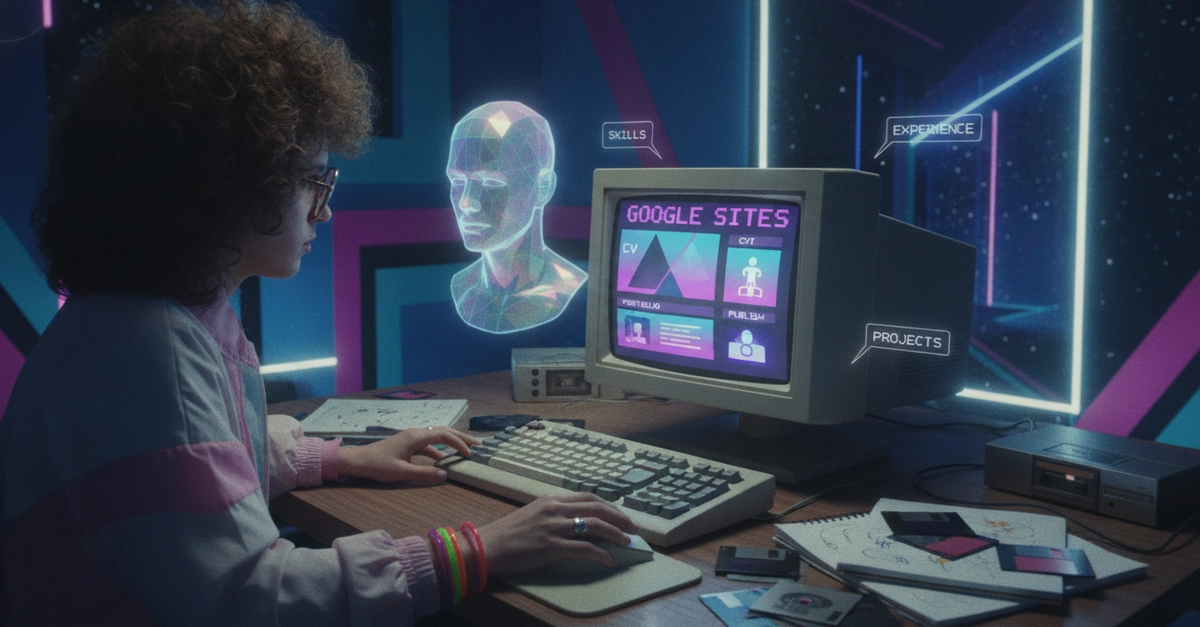
In an era defined by hyper-connectivity and dwindling attention spans, the traditional static PDF resume is rapidly becoming a relic of the past. As we approach 2026, the landscape of recruitment has undergone a seismic shift. Hiring managers, talent acquisition specialists, and automated AI recruitment agents no longer have the luxury of time to sift through thousands of monolithic, text-heavy documents.
Today, convenience is the ultimate currency. To secure a competitive advantage in a crowded job market, professionals must present their experiences—education, career milestones, and project portfolios—in a format that is not only human-readable but also optimized for AI ingestion. Vijay Thapa, a prominent voice in the developer community, posits that the future of personal branding lies in the "Digital Portfolio Website"—a centralized, authoritative hub that consolidates one’s professional identity.
The Evolution of the Job Application: From Paper to Presence
Historically, the job application process was transactional: a candidate would send a physical document or an email attachment and wait for a response. While these methods haven’t entirely vanished, they have been superseded by a more dynamic approach. Modern hiring is now heavily influenced by social media presence, personal brand authority, and the quality of content a professional shares online.
The "2026 CV" is no longer a document; it is an ecosystem. It is a link that lives in your social media bio, is pinned to your professional networking profiles, and acts as a landing page for your expertise. By consolidating your professional journey into a single, accessible web address, you move from being an applicant to being an authority.

The Case for Google Sites: Efficiency Meets Professionalism
When evaluating platforms to build this digital presence, candidates are often faced with a choice between complex, expensive custom-coded sites or rigid, template-heavy subscription services. Thapa highlights Google Sites as the superior, cost-effective solution for professionals across all sectors.
Google Sites is a drag-and-drop website builder that integrates seamlessly with the Google ecosystem. For the average job seeker, it offers several critical advantages:
- Zero Cost: It is entirely free to use, requiring nothing more than a standard Google account.
- Ease of Maintenance: Unlike managing a custom HTML site or a CMS like WordPress, Google Sites requires no hosting fees, server maintenance, or complex plugin updates.
- AI-Friendly Architecture: The clean, semantic structure of Google Sites makes it easier for AI recruitment agents to scrape and index your experience, ensuring your profile is visible to automated talent discovery tools.
- Professional Hosting: Leveraging Google’s infrastructure ensures that your portfolio is fast, secure, and accessible globally without downtime.
Chronology: The Shift Toward Digital Portfolios
The movement toward digital-first recruitment has accelerated over the last five years, driven by three distinct phases:
- 2020–2022: The Remote Work Pivot. As the world moved online, LinkedIn and digital PDFs became the standard. However, the sheer volume of applicants meant that recruiters began using automated systems to filter out candidates, making the "keyword density" of a resume more important than the content itself.
- 2023–2024: The Rise of the Creator Economy. Professionals began realizing that "showing" work is more effective than "telling" it. Portfolio sites began to replace static resumes for designers, developers, and marketers.
- 2025–2026: The AI Agent Era. We are now entering a phase where the "screener" is frequently an AI agent. To be effective in 2026, your profile must be structured in a way that an LLM (Large Language Model) can parse your skills, impact, and projects accurately. A well-structured Google Site acts as the perfect source of truth for these AI systems.
Supporting Data: Why Formatting Matters
Research into recruiter behavior consistently shows that the average recruiter spends less than 10 seconds on their initial scan of a resume. In a digital environment, this "scanability" is amplified.

According to various talent acquisition surveys, portfolios that feature clear visual hierarchies—such as those created with the PaperCV or CleanCV templates—see a 30% increase in engagement compared to standard text-heavy documents. The data is clear: when information is presented through a web-native interface rather than a compressed file format, hiring managers are more likely to click through to project links, read case studies, and ultimately, extend an invitation to interview.
Official Perspectives: The Professional Standard
Industry experts suggest that the "Professional Website" will become a standard requirement for senior roles by 2027. "The goal is to reduce friction," notes an anonymous HR consultant. "When I see a link to a clean, well-organized Google Site, I see a candidate who understands how to manage their own information architecture. It suggests they are organized, tech-savvy, and capable of presenting complex information simply—all soft skills that are highly prized in the modern workplace."
Furthermore, the ability to iterate on your CV in real-time is a massive advantage. Unlike a PDF, which is static and requires re-uploading every time a new project is completed, a digital portfolio is "living." You can update your latest achievements, add a new project gallery, or swap out a testimonial in seconds.
Implementing the Change: Leveraging Professional Templates
To assist those looking to make the transition, Thapa has developed specific, optimized templates that leverage the full potential of Google Sites.

The PaperCV Template: For the Minimalist Professional
The PaperCV design is engineered for maximum readability. It adopts a traditional, paper-like aesthetic but adds the interactivity of the web. It is ideal for professionals in fields such as law, finance, or traditional corporate management who want a digital footprint that remains professional and conservative while being thoroughly modern.
The CleanCV Template: The Modern Standard
For those in tech, creative arts, or startups, the CleanCV template offers a more contemporary layout. It focuses on high-impact visuals and modular project blocks. It allows the user to display their "Work, Impact, and Skills" in a high-contrast environment that demands attention without overwhelming the viewer.
Implications for the Future of Recruitment
As we move deeper into 2026, the implication for job seekers is clear: If you are not findable, you are not hireable.
By adopting a digital portfolio approach, you are effectively taking control of your SEO (Search Engine Optimization). When a recruiter googles your name, the first result should be your professional site—not a stray social media mention or a dated profile.

This transition represents a move away from the "gatekeeper" model of recruitment, where you are reliant on platforms to advocate for you, toward a "direct-to-consumer" model, where you advocate for yourself through your own digital real estate.
Conclusion: Taking the First Step
The transition to a digital portfolio is not just about aesthetics; it is about accessibility. Whether you are a student just starting your career or a seasoned veteran looking to pivot, the tools are now at your fingertips. By leveraging platforms like Google Sites, you can create a repository of your professional accomplishments that serves as an authoritative, searchable, and highly effective tool for career growth.
As Vijay Thapa notes, if he had known the utility of these tools earlier, he would have bypassed the static HTML and Blogger phases entirely. The technology is free, the barrier to entry is low, and the professional upside is immeasurable. The future of your career is waiting to be built—one web page at a time.


 Lina Hope
 Nila Kartika Wati
 Suro Senen
 Jia Lissa
 Evan Lee Salim

 Ali Ikhwan