
 Dwi Wanna
In the high-stakes world of modern real estate, the digital storefront has replaced the traditional office window. Today’s property market is driven by instant gratification; potential buyers and sellers expect real-time engagement at the speed of a double-tap. However, for many brokerages and real estate teams, the transition to a digital-first strategy has created a chaotic landscape of fragmented communication, off-brand content, and missed opportunities.
As social media becomes the primary funnel for lead generation, the difference between a thriving agency and a struggling one often boils down to a single question: Are you managing your social presence as a business, or as an afterthought?

The Current State of Digital Real Estate
For years, real estate agencies operated under the assumption that social media was a passive billboard—a place to post a listing and hope for an inquiry. That era has officially ended. Today, social media is an active, two-way conversation.
Recent industry data underscores a critical shift: while 90% of real estate businesses maintain a Facebook presence, the highest engagement rates are migrating to platforms like Instagram, where visual storytelling drives twice the engagement of traditional feed posts. Despite this, many firms continue to rely on manual processes—spreadsheets for scheduling, Slack DMs for approvals, and scattered inboxes for lead management. This fragmented approach is not just inefficient; it is a significant liability that leads to lost revenue.
A Chronology of the Digital Shift
The evolution of real estate marketing has moved through three distinct phases:
- The Directory Era: Agencies relied on Zillow, Realtor.com, and local MLS listings. Social media was merely a link-sharing destination.
- The Personal Brand Era: The rise of the "Influencer Agent." Agents began building personal profiles to humanize the buying process. This created a boom in leads but a nightmare for brokerage compliance.
- The Systematic Management Era: We are currently in this phase. Brokerages are realizing that to survive, they must implement enterprise-grade systems that allow agents to maintain personal brands while ensuring the brokerage maintains brand consistency, legal compliance, and centralized lead capture.
Core Components of a High-Performance Strategy
To move from reactive posting to proactive lead generation, firms must adopt a repeatable framework. This involves five critical pillars of management.

1. Centralized Content Calendars and Approval Workflows
The biggest risk to a brokerage’s reputation is a post that violates fair housing laws or contains inaccurate listing data. A centralized content calendar acts as a "single source of truth." By allowing agents to draft content that must pass through an automated approval workflow, managers can ensure that every post—from market updates to luxury listing tours—adheres to branding guidelines and regulatory disclosures before it ever touches the public eye.
2. Multi-Profile Publishing and Scheduling
Consistency is the currency of social media. An agent who posts sporadically will lose visibility in the algorithm. For brokerages with dozens of agents, the manual labor of logging into individual accounts is unsustainable. Using professional social media management tools allows for "content batching," where a central team can schedule high-quality, branded content across dozens of agent and office accounts simultaneously, ensuring a steady drumbeat of activity.
3. The Unified Inbox: Never Miss a Lead
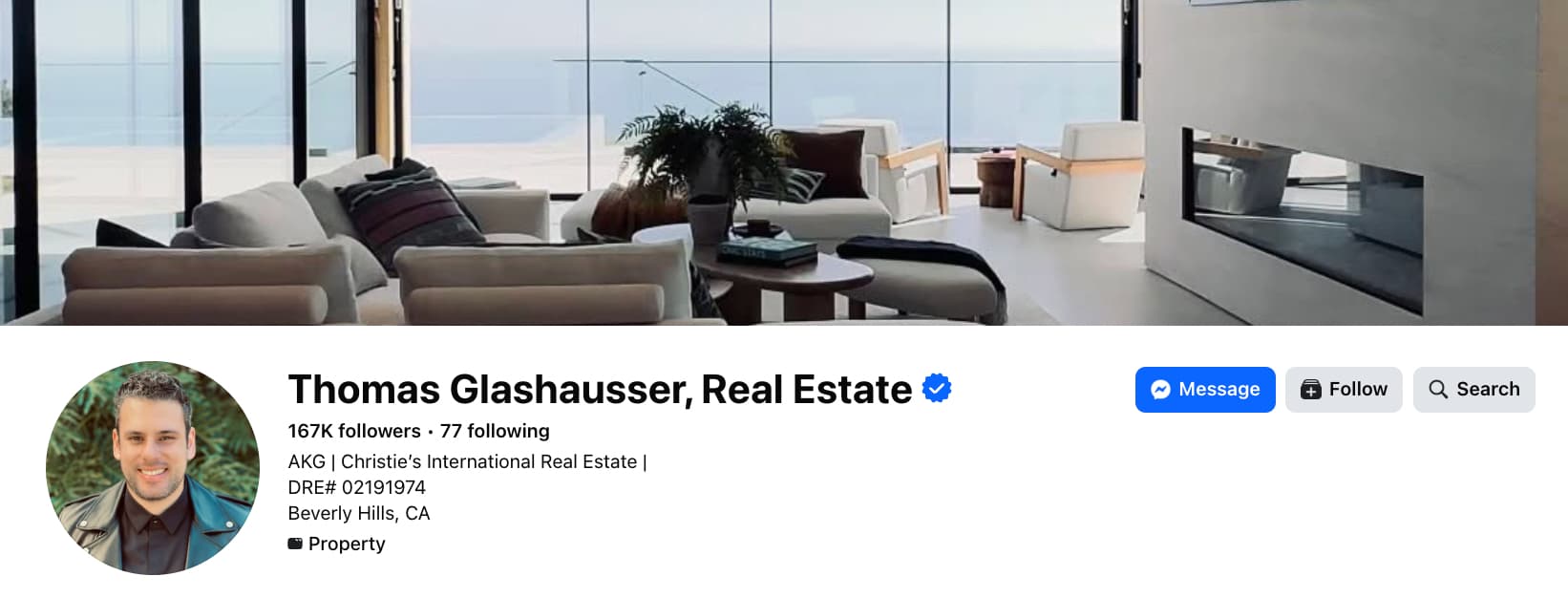
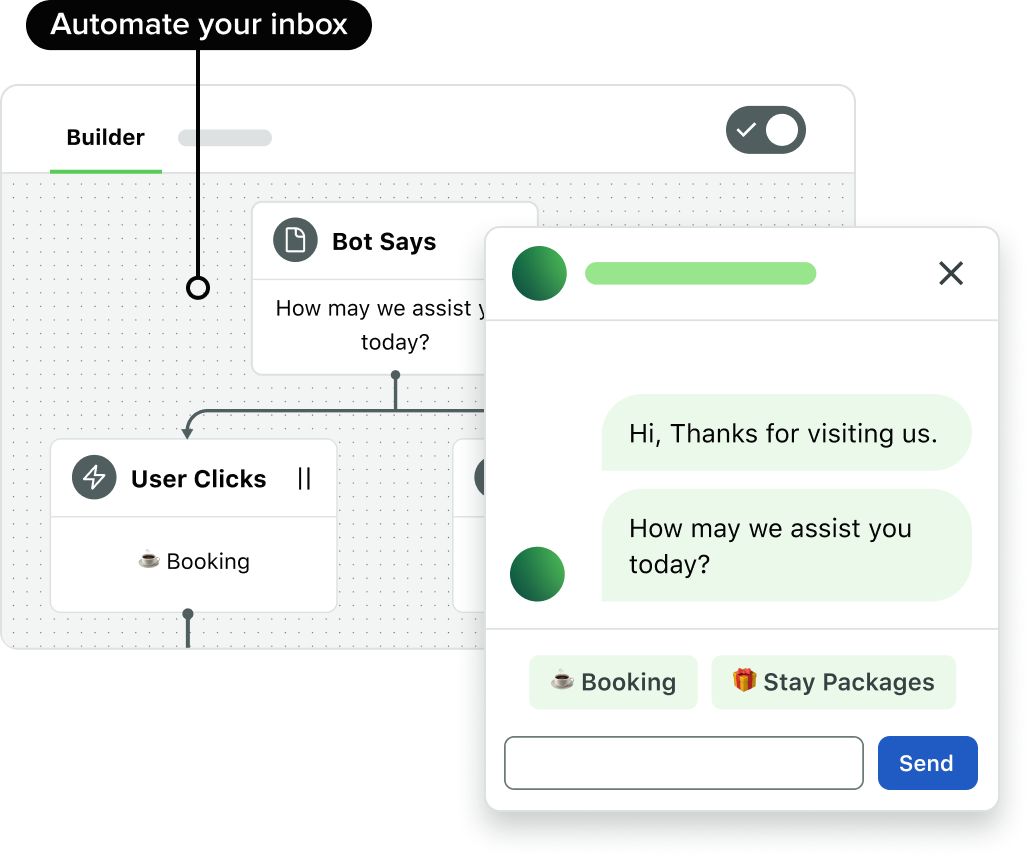
The "missing lead" phenomenon is the silent killer of real estate commissions. When a potential buyer sends a DM on Facebook, a comment on Instagram, and a message on LinkedIn, these often land in different folders. If an agent is busy at a showing, that lead can sit for hours or even days. A unified inbox consolidates every touchpoint into one dashboard, enabling teams to assign conversations to the right agent immediately, set automated response times, and ensure that no prospect is left waiting.
4. Social Listening for Market Signals
Social listening is the art of monitoring conversations you aren’t tagged in. By tracking keywords related to local market trends, upcoming neighborhood moves, or general sentiment about the housing market, agencies can identify potential clients before they ever reach out to an agent. This proactive outreach allows firms to capture intent-based leads, giving them a significant competitive advantage.
5. Moving Beyond Vanity Metrics
Leadership teams often fall into the trap of measuring success by "likes" and "impressions." These are vanity metrics. True ROI in real estate is measured by lead attribution and conversion rates. Advanced reporting tools now allow brokerages to track exactly which posts led to profile growth and, more importantly, which content channels are driving the most inquiries.
Implications for Brokerage Compliance and Growth
The cost of poor management is not just lost time—it is legal and financial risk. In the real estate sector, disclosures are non-negotiable. An agent posting an unverified claim or missing a required fair housing statement can expose the entire brokerage to litigation or fines.
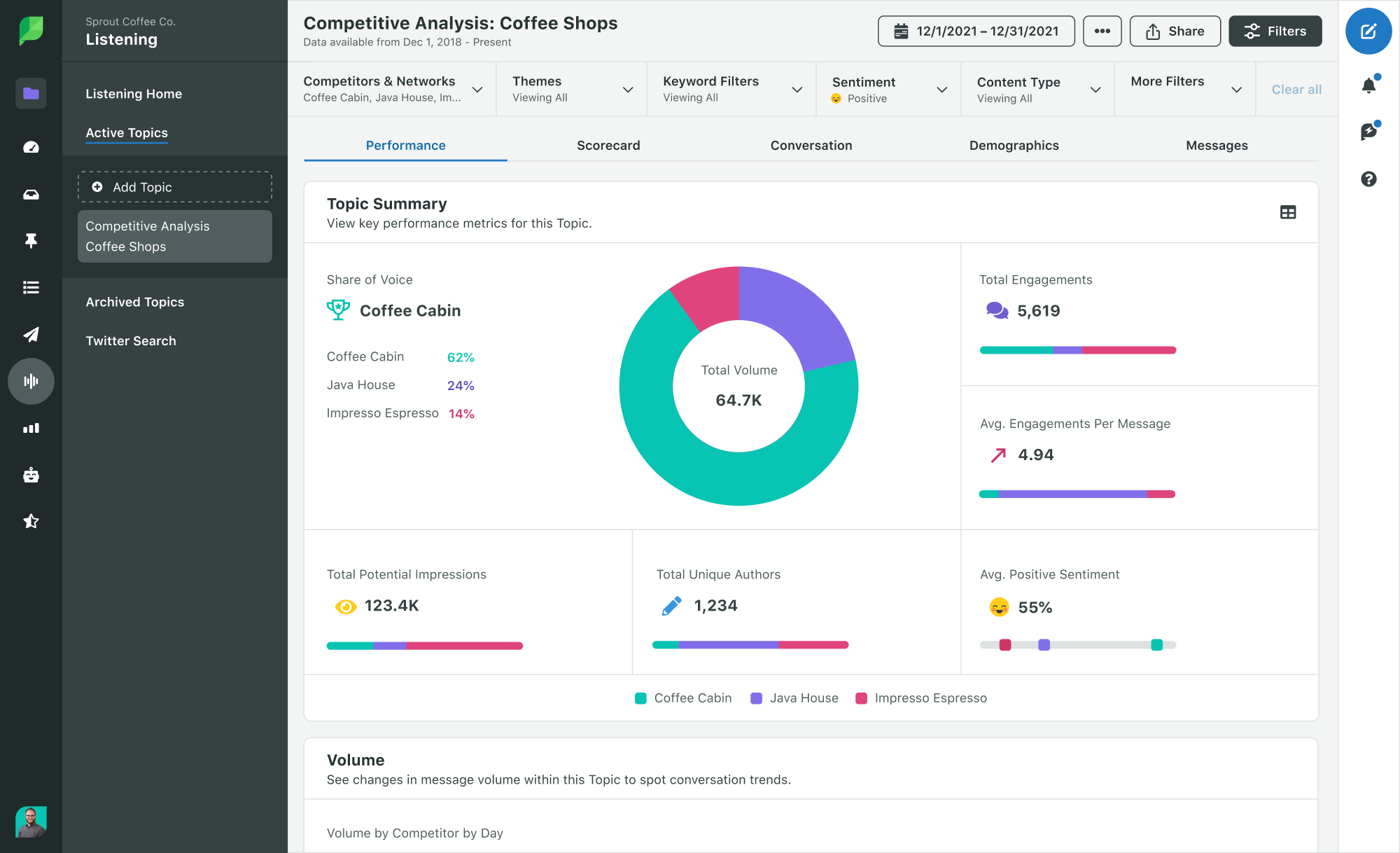
By implementing strict, systematic workflows, firms protect themselves while empowering their agents. When agents have access to a shared library of approved, high-quality assets, they spend less time designing graphics and more time closing deals. This shift effectively turns the social media team into a revenue-generating department rather than a support function.
Expert Insight: The Platform Allocation Strategy
Choosing where to focus is a strategic decision, not a creative one. Our analysis of the 2025 Content Benchmarks suggests a diversified approach:
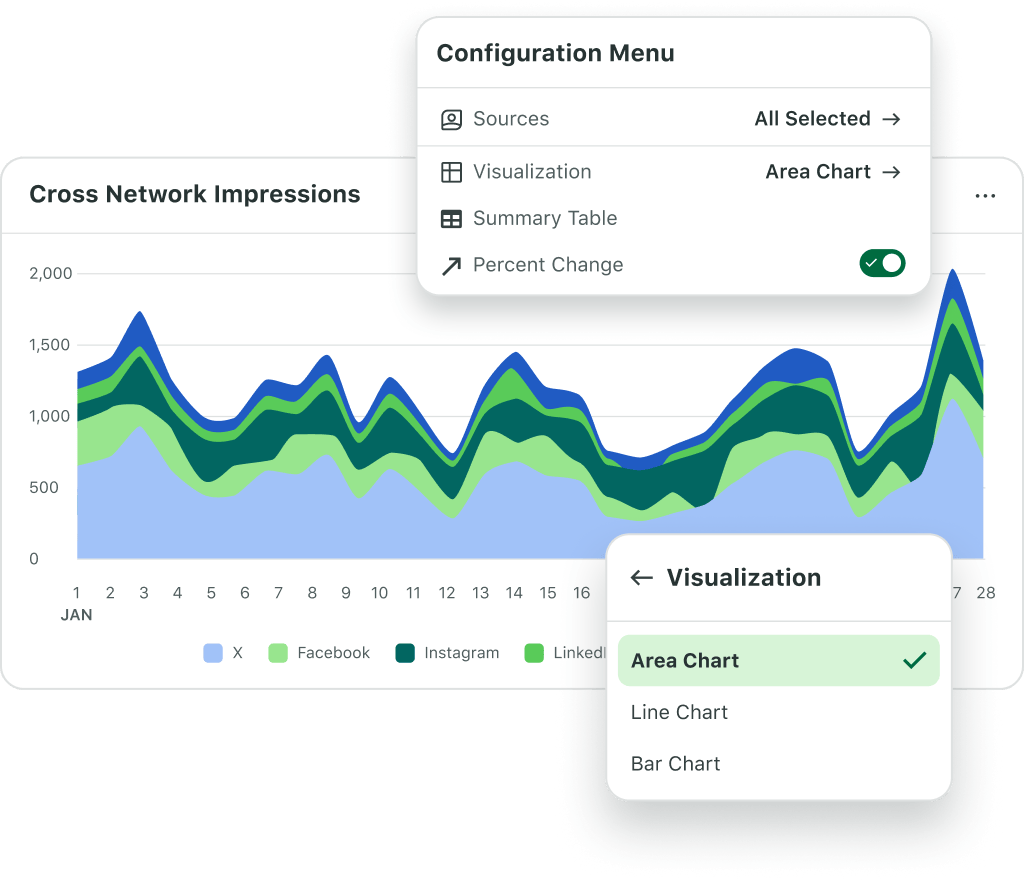
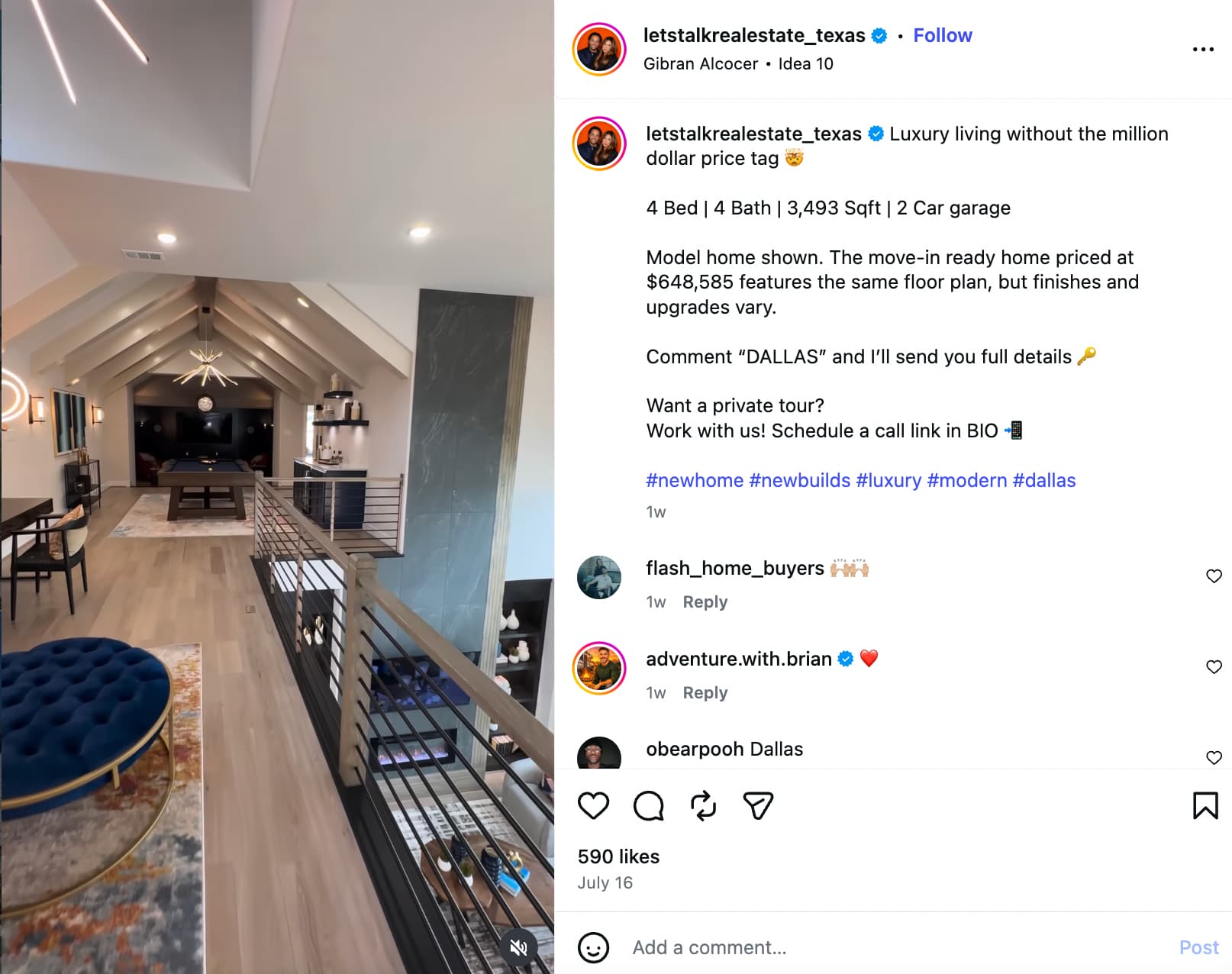
- Instagram (The Visual Hook): Ideal for Reels showcasing property tours. The audience here is looking for aesthetic inspiration and immediate "wow" factors.
- Facebook (The Conversion Engine): The best platform for direct response. Linking directly to calendars (via tools like Calendly) within listing posts transforms the platform from a social hub into a scheduling machine.
- LinkedIn (The Authority Builder): Use this for thought leadership. Market reports, interest rate analysis, and professional milestones build the credibility necessary to attract high-net-worth sellers.
- YouTube (The Long-Form Value): A repository for deep-dive tours and community guides that stay relevant for years, providing "evergreen" search traffic.
Avoiding the "Death by Disorganization" Trap
Even with the best tools, many teams fail because they repeat the same three mistakes:
- Brand Dilution: When every agent creates their own content, the brokerage’s visual identity disappears.
- The "Post and Ghost" Syndrome: Posting content but failing to engage with comments or messages is a death sentence for your social reach. Algorithms prioritize accounts that engage back.
- Manual Silos: Using spreadsheets to track content prevents collaboration. If the marketing manager is out of office, the entire content schedule grinds to a halt.
Conclusion: Professionalizing the Digital Front
The real estate market will always be about relationships, but in the 21st century, those relationships begin in the digital feed. The most successful firms are those that recognize social media management as a core business process, just like accounting or legal compliance.
By centralizing content, automating workflows, and treating every DM as a potential client, agencies can move from chasing leads to attracting them. The tools are available, the framework is proven, and the opportunity is waiting in the inbox. It is time for brokerages to stop treating social media as a hobby and start treating it as the primary engine for growth.
For those ready to scale, platforms like Sprout Social provide the essential infrastructure to manage publishing, inbox consolidation, and reporting in one unified system. Implementing such a system is the first step toward a more efficient, profitable, and compliant future for your real estate business.


 Ali Ikhwan
 Layla Zulfa
 Ammar Sabilarrohman
 Suro Senen
 Jia Lissa
 Evan Lee Salim