
 Nana
Nana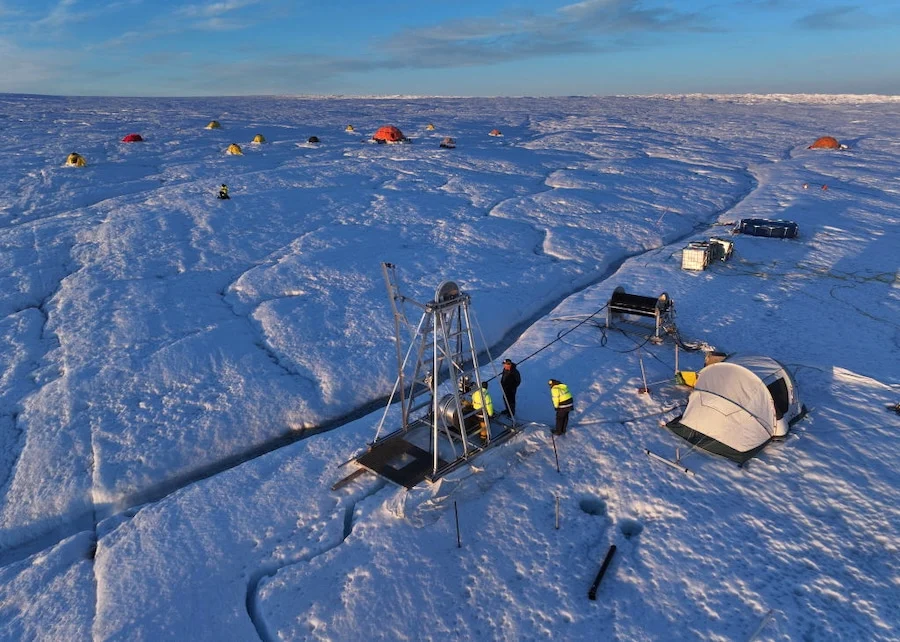
By Editorial Staff
Methane—an odorless, colorless hydrocarbon—has emerged as the most critical variable in the global effort to stabilize Earth’s climate. While carbon dioxide (CO2) remains the primary long-term driver of global heating due to its sheer volume and centuries-long atmospheric lifespan, methane acts as a high-octane accelerant. As the planet faces an escalating climate crisis, the scientific consensus is clear: methane mitigation represents the most effective "fast-acting" lever available to humanity to prevent the most catastrophic outcomes of global warming.
Quick Key Facts
- Global Warming Potential: Over a 20-year period, methane is 86 times more potent at trapping heat than CO2.
- Atmospheric Lifespan: Methane persists in the atmosphere for approximately 12 years, significantly shorter than the centuries-long life of CO2.
- The 2030 Goal: The IPCC calculates that a 34% reduction in methane emissions by 2030 is essential to limit global warming to 1.5°C.
- Human Contribution: Roughly 60% of all methane emissions are attributed to human activities, primarily agriculture, fossil fuel production, and waste management.
- Current State: Atmospheric methane concentrations have surged by 265% since pre-industrial levels, reaching 1,934 parts per billion (ppb) as of 2023.
A Chronology of the Methane Crisis
The rise of methane is intrinsically linked to the acceleration of the Industrial Revolution and the subsequent intensification of global agriculture and energy demand.

- Pre-Industrial Era: Methane concentrations remained relatively stable, with natural sources—such as wetlands and wild animal respiration—balanced by natural sinks like soil oxidation and tropospheric breakdown.
- 18th–20th Century: The advent of coal mining, massive livestock expansion, and the rise of the natural gas industry began to tilt the atmospheric balance.
- 2021 (COP26): The United Kingdom and the United States launched the Global Methane Pledge, aiming for a 30% reduction in emissions by 2030. To date, 159 nations have signed on.
- 2023–Present: Despite international pledges, emissions have continued to climb, with satellite data identifying a disturbing number of "super-emitter" events—localized leaks that account for a disproportionate share of global methane release.
Supporting Data: The Anatomy of Emissions
Methane is formed through two primary pathways: geological and biological. Geologically, heat and pressure transform organic matter into fossil fuels over millions of years. Biologically, methanogenesis occurs in oxygen-free environments, such as the digestive tracts of ruminants or waterlogged rice paddies.
The Measuring Divide: Bottom-Up vs. Top-Down
Historically, emissions were calculated using "bottom-up" methods—multiplying standard emission factors (e.g., methane per cow or per drilling rig) by the total number of sources. However, this method often fails to capture the "fat tail" of emissions.
"Top-down" satellite monitoring has revealed that the largest 5% of leaks are responsible for more than 50% of total industry emissions. A landmark study found that actual U.S. oil and gas emissions were 60% higher than EPA estimates, proving that current inventory-based reporting significantly underrepresents the scale of the problem.

Official Responses and Policy Failures
While the Global Methane Pledge represents a significant diplomatic milestone, the gap between promise and practice remains cavernous. As of 2023, only 13% of global methane emissions were covered by any meaningful regulatory policy.
The International Energy Agency (IEA) has noted that while 80% of oil and gas methane emissions could be reduced using existing technologies—often at no net cost—the industry has failed to implement these solutions. Instead of a rapid phase-out, we are seeing a massive expansion of Liquefied Natural Gas (LNG) infrastructure. Proponents have long touted natural gas as a "bridge fuel," arguing it is cleaner than coal. However, when methane leakage during extraction and transport is accounted for, LNG can have a 33% higher global warming potential than coal over a 20-year horizon.
Major governmental bodies, including the U.S. Department of Energy, have faced scrutiny for greenlighting export terminals that threaten to lock in decades of high-emission infrastructure, potentially overwhelming domestic climate progress.

The Implications: Public Health and Climate Tipping Points
Public Health Consequences
Methane is not only a climate threat; it is a direct hazard to human health. When methane reacts in the atmosphere, it forms ground-level ozone. This pollutant is linked to approximately 500,000 premature deaths annually. Exposure to ground-level ozone damages lung tissue, exacerbates asthma, and causes significant losses in global crop yields, including wheat, soy, and rice.
Climate Feedback Loops
The most chilling implication of methane release is the potential for positive feedback loops. As the planet warms, natural methane sources become more active.
- Permafrost Thaw: Arctic permafrost contains 2.5 times more carbon than exists in the atmosphere. As it thaws, it releases trapped methane, which accelerates warming, causing more thawing—a classic, self-reinforcing loop.
- Wetland Feedback: Increased rainfall and temperature in tropical and Arctic regions are expanding wetlands, which are naturally high-methane environments.
- Wildfires: As climate-driven wildfires increase, they release massive pulses of methane, further destabilizing the atmosphere.
Strategies for Mitigation: A Path Forward
Mitigating methane requires a three-pronged approach targeting the sectors responsible for over 90% of human-caused emissions.

1. Reforming Agriculture
Agriculture accounts for 40% of human-caused methane. Strategies include:
- Dietary Shifts: Moving toward plant-forward diets in wealthy nations could cut massive amounts of enteric methane.
- Feed Additives: Introducing seaweed supplements (like Asparagopsis) into cattle diets has been shown to reduce methane emissions by up to 82% in feedlot settings.
- Rice Cultivation: Shifting to "Alternative Wetting and Drying" methods in rice paddies can slash microbial methane production by nearly half.
2. Cleaning Up Fossil Fuels
The fossil fuel industry must shift from expansion to maintenance and repair.
- Leak Detection: Mandatory, frequent use of satellite-linked leak detection technology.
- Phase-out: The most effective mitigation is the transition to renewable energy sources, rendering methane-leaking gas wells obsolete.
- Capping: Plugging abandoned wells and mines to stop the "zombie" emissions of legacy infrastructure.
3. Waste Management
The waste sector is the fastest-growing source of methane.

- Circular Economy: Shifting to zero-waste systems and diverting organic waste from landfills to composting facilities is vital.
- Wastewater Upgrades: Implementing advanced treatment processes that capture biogas for energy use rather than allowing it to vent into the atmosphere.
Conclusion: The Urgency of Now
The challenge of methane is a paradox: it is one of our most daunting environmental obstacles, yet it is also our greatest opportunity for immediate progress. Because methane is a short-lived climate pollutant, the effects of reducing emissions are felt almost instantly.
While individual actions—such as reducing food waste, composting, or switching from gas appliances to heat pumps—are valuable, they must be paired with aggressive systemic change. We are currently at a crossroads where the build-out of new "methane bombs" threatens to derail our climate goals. By holding policymakers and energy corporations accountable for their emissions, and by prioritizing the rapid deployment of existing leak-detection technology, we can pull the climate lever that matters most, securing a safer, more stable future before the most dangerous tipping points are crossed.


 Ammar Sabilarrohman
 Nana Wu
 Lina Irawan

 Suro Senen
 Jia Lissa