
 Jia Lissa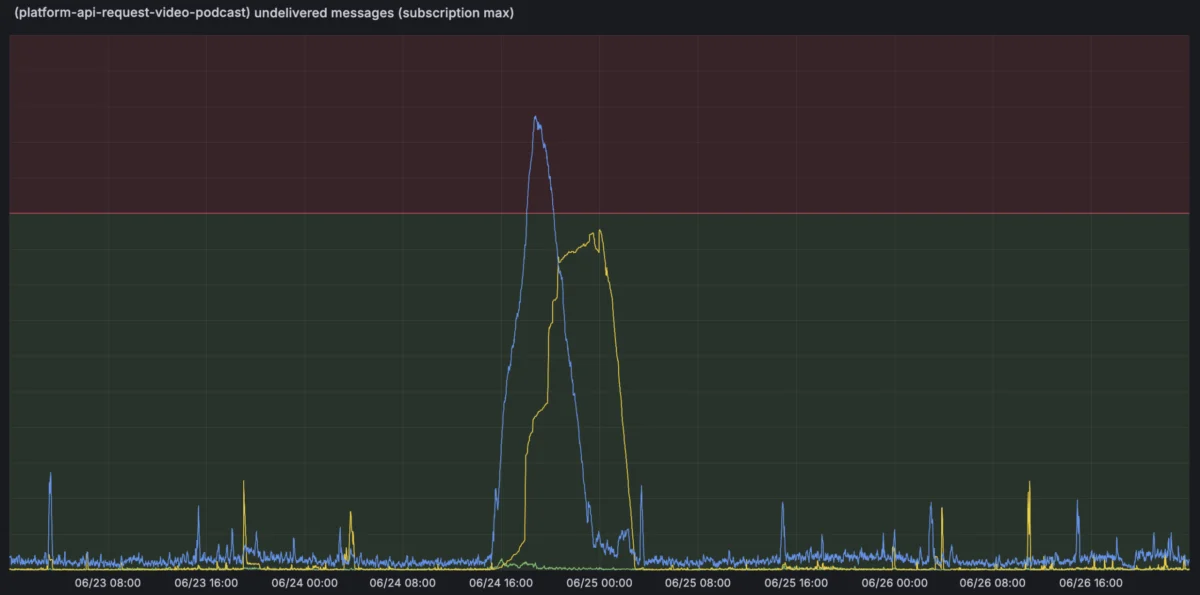
Over the past two months, the digital landscape for podcast creators has been marred by a series of technical disruptions on Spotify, undermining the platform’s reputation as a reliable host for creators. Among these challenges, the incident occurring on June 24 stands out as a significant failure in the platform’s infrastructure. This report provides an exhaustive breakdown of that specific event, the systemic failures that precipitated it, and the comprehensive reliability program Spotify is now undertaking to stabilize its publishing pipeline.
Understanding the Publishing Pipeline
To comprehend why the system failed, it is first necessary to understand the complexity of the "publish" button. When a creator uploads an episode, the process is far from instantaneous. The media undergoes a rigorous series of backend processing steps before it ever reaches a listener’s device.
The most critical phases include transcoding—where audio and video files are converted into the various compressed formats optimized for the diverse range of mobile and desktop apps—and content analysis, which ensures the integrity and metadata compliance of the upload. On June 24, this delicate assembly line hit a catastrophic bottleneck.
The June 24 Incident: A Systemic Breakdown
On the day in question, Spotify’s video transcoding infrastructure hit its maximum operational capacity. As a result, a massive backlog formed, effectively paralyzing the publishing of video podcast episodes for several hours.
Creators who attempted to upload content were met with silence. Their episodes simply failed to appear on the platform. As the delay stretched from minutes to hours, the lack of feedback from the system created a secondary issue: panic-driven user behavior. Understandably, many creators—believing their original upload had failed—attempted to re-upload their episodes. This "retry storm" only added further load to an already overwhelmed infrastructure, exacerbating the bottleneck.
Spotify has since taken full ownership of this failure. The platform admitted that the system should have provided clear, immediate feedback to the creator—confirming that the file was received and successfully queued—but the architecture failed to communicate this status, leaving users in the dark.
Data Analysis: The Queue Dynamics
Visualizing the incident through backend diagnostics reveals a dramatic spike in the platform’s "medium-priority" and "low-priority" queues. The medium-priority queue, which handles the publishing of new episodes, saw a vertical surge in traffic, while the low-priority queue (responsible for updates to existing library content) effectively stalled.
Four distinct factors converged to create this perfect storm:
- Resource Exhaustion: The transcoding cluster reached its hard capacity limit, preventing the ingestion of new files.
- Scheduling Bugs: A failure in the resource allocation logic meant that the system could not efficiently distribute the incoming load, leading to idle resources alongside overwhelmed processors.
- Communication Latency: The system’s inability to report queue status led to the aforementioned "retry storm," where creators inadvertently performed a self-inflicted Denial of Service (DoS) attack on their own uploads.
- Monitoring Thresholds: Existing alerts failed to trigger at the appropriate sensitivity level, masking the severity of the bottleneck during its nascent stages.
By the time the issue was fully identified, engineers were forced to stop a batch job, deploy an emergency patch for the resource scheduling bug, and add substantial processing capacity overnight. By the following morning, the queues were cleared, but the damage to creator confidence had been done.
Timeline of the Collapse
The timeline of the June 24 incident highlights a critical gap in response time. All times are recorded in Coordinated Universal Time (UTC):
- 12:30 UTC: Initial capacity strain begins as video ingestion volume exceeds historical baseline.
- 15:00 UTC: The transcoding queue begins to grow beyond standard operational limits.
- 16:35 UTC: First automated alerts trigger regarding batch job performance; engineering teams intervene to pause the job.
- 17:34 UTC: The severity of the backlog is fully recognized as queues breach critical thresholds.
- 18:00 – 21:00 UTC: Peak of the crisis; widespread reports of missing content and failed uploads from the creator community.
- 22:00 UTC: Corrective measures deployed, including increased compute capacity.
- 04:00 UTC (June 25): Backlogs cleared; normal service levels restored.
The most glaring takeaway from this timeline is the four-hour delay between the first internal alerts and the formal activation of the incident response team. This "observability gap" is a primary target for the company’s current remediation efforts.
Official Response: Addressing the Gap
In a formal acknowledgment of the incident, Spotify’s technical leadership emphasized that they are not merely "fixing" the bug, but fundamentally re-engineering the monitoring strategy.
"We want to do better," the company stated. "Engineers investigating the early alerts stopped the batch job at 16:35, but we did not recognize the full scope of the capacity problem until queues breached thresholds at 17:34."
The company has identified three specific steps taken in the immediate aftermath:
- Capacity Over-Provisioning: The team has permanently added significant "headroom" to the transcoding infrastructure to ensure that sudden bursts in creator activity do not lead to a total system lock-up.
- Alert Refinement: Monitoring tools have been reconfigured to trigger alerts based on queue growth rates rather than just total queue volume, allowing engineers to intervene long before a hard threshold is reached.
- Transparency Protocols: A new status dashboard initiative is being fast-tracked to provide creators with real-time updates when their files are successfully queued, even if processing is delayed.
Implications for the Creator Economy
The reliability of a platform is the bedrock of the creator economy. For podcasters, the "publish" button is the culmination of days, weeks, or even months of work. When that button results in a silent failure, it does more than just delay a release—it impacts listener engagement, advertising revenue, and the overall professional standing of the creator.
The recurring nature of these issues throughout the summer suggests that as Spotify continues to scale its podcasting infrastructure, the platform is outgrowing its legacy architecture. The shift from a music-first platform to a multi-modal media giant requires a more robust, decentralized, and resilient publishing pipeline.
The Broader Reliability Program
Beyond the June 24 fix, Spotify has initiated a broader "Reliability Program." This is a cross-team effort designed to audit the entire end-to-end publishing pipeline. Key areas of focus include:
- Load Balancing: Improving how incoming media files are distributed across globally distributed data centers.
- Graceful Degradation: Implementing systems that allow the platform to remain partially functional even if specific components (like high-res video transcoding) fail.
- Communication Feedback Loops: Ensuring that even during a system outage, the user interface provides accurate, human-readable status updates.
Conclusion: Earning Back Trust
When a creator hits publish, their audience is waiting, and in the high-velocity world of digital media, hours matter. The summer of instability has been a sobering experience for both the platform and its users. Spotify acknowledges that their recent performance fell short of the standards required for a world-class hosting service.
A report of this nature is only as valuable as the actions that follow it. The company’s pledge to overhaul its monitoring, increase its infrastructure overhead, and improve communication is a necessary start. However, the true test will be the platform’s performance during the next period of high creator traffic. Reliability is not a destination, but a continuous process of engineering and vigilance. For Spotify, the work of earning back the trust of the podcasting community has only just begun. The goal is clear: ensure that the next time a creator hits publish, the only thing they have to worry about is the quality of their content, not the stability of their host.


 Lina Hope
 Nila Kartika Wati
 Suro Senen

 Evan Lee Salim

 Ali Ikhwan