
 Reynand Wu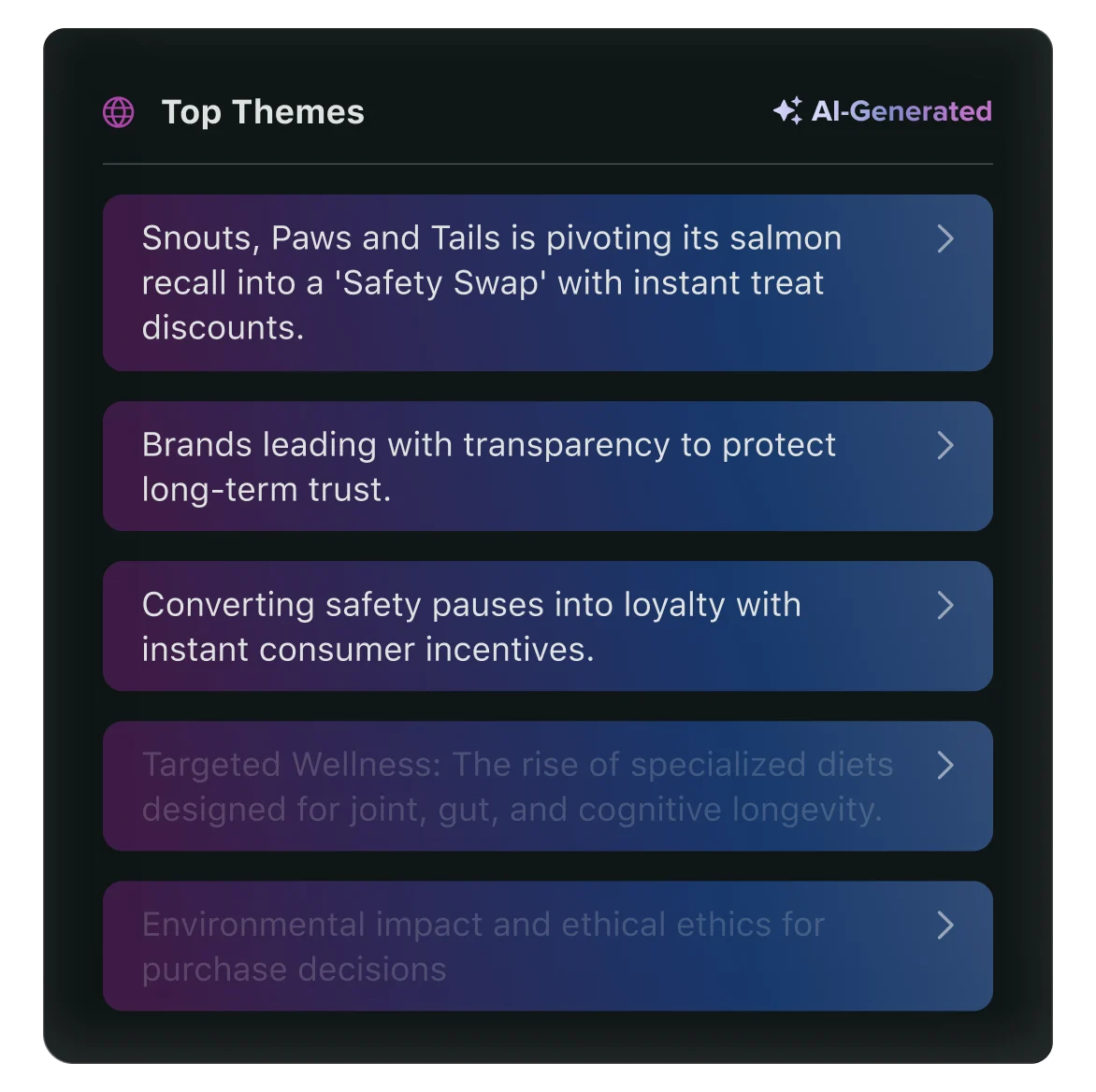
The traditional news cycle—once defined by the morning paper and the evening broadcast—has effectively ceased to exist. In its place, a volatile, 24/7 ecosystem of real-time updates has emerged, primarily driven by social media. According to the Q1 2026 Pulse Survey, social platforms have cemented their position as the primary source of news for the modern consumer. Headlines no longer originate solely from editorial desks; they surface through viral TikTok clips, breaking alerts on X, nuanced professional discourse on LinkedIn, and deep-dive community investigations on Reddit.
For modern organizations, this shift presents a daunting reality: conversations about your brand are occurring across these disparate platforms simultaneously. These narratives often feed into one another, creating a "butterfly effect" where a minor comment on a niche forum can escalate into a global brand crisis within minutes. In this environment, monitoring only traditional press coverage or checking direct brand mentions is akin to navigating a hurricane with a weather report from last week.
The Evolution of the Digital Information Ecosystem
The digital landscape is no longer a collection of silos; it is a hyper-connected web. A product grievance posted on a subreddit at 2:00 a.m. can be amplified by an influencer on TikTok by 8:00 a.m., reaching the mainstream news cycle by noon.
A Chronology of Crisis
Consider the typical life cycle of a modern brand narrative:
- The Spark: A user experiences a friction point with a service or product. They post a short video or a screenshot to a community platform.
- The Percolation: The post gains traction through algorithm-driven feeds, attracting comments that validate the negative experience.
- The Spillover: The narrative moves from community forums to broader social networks like X, where journalists and industry commentators pick up the story.
- The Peak: The brand is forced to issue a statement, often while already playing defense against a narrative that has reached millions of impressions.
Without a unified, cross-network strategy, brands are effectively flying blind. By the time a PR team notices a spike in mentions, the story has likely already "snowballed." The goal of contemporary brand management is to move from reactive crisis response to proactive narrative shaping.
Defining Cross-Network Brand Monitoring
Cross-network brand monitoring is the systematic practice of tracking, aggregating, and analyzing mentions of a company’s products, services, executives, and industry keywords across the entire digital spectrum. It is not merely a social media task; it is an intelligence-gathering operation.
This practice synthesizes data from discussion forums, review sites, blogs, independent digital news outlets, and major social platforms into a single, cohesive view. By unifying these streams, organizations turn fragmented, often chaotic online chatter into actionable data points. Whether the objective is to improve customer care, refine a product feature, or neutralize a PR threat, the methodology remains the same: identify, synthesize, and act.
The Strategic Imperative: Why Unified Monitoring Matters
The cost of failing to monitor the entire digital landscape is high. Beyond the obvious risk of public relations disasters, there is the silent, ongoing loss of "missed opportunities."

As Paul Quigley, GM of Listening at Sprout Social, notes, “Today, narratives—both opportunities and threats—can kick off anywhere. From a news story, a discussion on Reddit, a TikTok, a Substack post. Brands risk exposure and missed opportunities if their listening focuses too heavily on just a couple of sources. They need nothing less than the full media landscape at their fingertips.”
Implications for the Enterprise
- Brand Integrity: Early detection of negative sentiment allows for faster, more transparent responses, preventing minor complaints from evolving into reputational damage.
- Product Intelligence: Often, customers provide the most candid product feedback in community forums before they ever contact official support channels.
- Competitive Advantage: Monitoring the broader industry landscape allows brands to see how competitors are being received, identifying gaps in the market that can be exploited.
- Strategic Alignment: When social data is democratized across the organization, it informs everything from C-suite messaging to long-term R&D investments.
Building a Unified Foundation: The Roadmap
Constructing a robust monitoring program requires more than just software; it requires a structural overhaul of how a company handles information.
Phase 1: Mapping the Channels
The first step is a comprehensive audit of where your audience lives. A software company may need to prioritize GitHub and LinkedIn, while a consumer goods brand might focus on TikTok, Instagram, and Amazon reviews. Once the channels are mapped, the data must be funneled into a centralized dashboard to eliminate organizational silos. This "single source of truth" ensures that customer care, marketing, and communications are all working from the same intelligence.
Phase 2: Setting Strategic Objectives
Data is noise without a target. Organizations must define what they are tracking and why. Examples include:
- Share of Voice: How much of the industry conversation is owned by your brand versus competitors?
- Sentiment Trends: Are we seeing a shift in how our brand is perceived after a recent policy change?
- Feature Requests: What is the most requested improvement across all platforms?
- Executive Mentions: How are the public statements of our leadership being interpreted in the market?
The Shift to Agentic Monitoring
The most significant evolution in this field is the move from manual, dashboard-reliant monitoring to "agentic" monitoring. In the past, PR teams spent hours manually refreshing dashboards, interpreting graphs, and searching for context. This is a retrospective approach that is fundamentally incompatible with the speed of the modern internet.
The Role of Autonomous AI
Agentic monitoring, powered by advanced AI, changes the paradigm. Instead of waiting for a human to log in, AI agents—such as Sprout Social’s Trellis—operate 24/7. They don’t just count mentions; they analyze context. They understand the difference between a neutral mention and a critical, high-risk narrative shift.
As Quigley emphasizes, "The era of logging into dashboards to check things is over. Now, 94% of NewsWhip data is consumed off-platform—pushed to teams by monitoring agents, predictive alerts, and other formats, and landing into the right inboxes, Teams channels, and Slack groups."
These agents act as an "always-on" analyst. When a specific threshold is met—for example, if mentions of a "bug" spike by 200% in an hour—the agent immediately alerts the relevant stakeholders. This frees human staff to focus on high-level strategy and nuanced communication, rather than data triage.
Extracting Business Answers: The Conversational Layer
Perhaps the most exciting development in this space is the ability to "interrogate" the data. Rather than scouring through complex charts, users can now use natural language to query their social intelligence platforms.
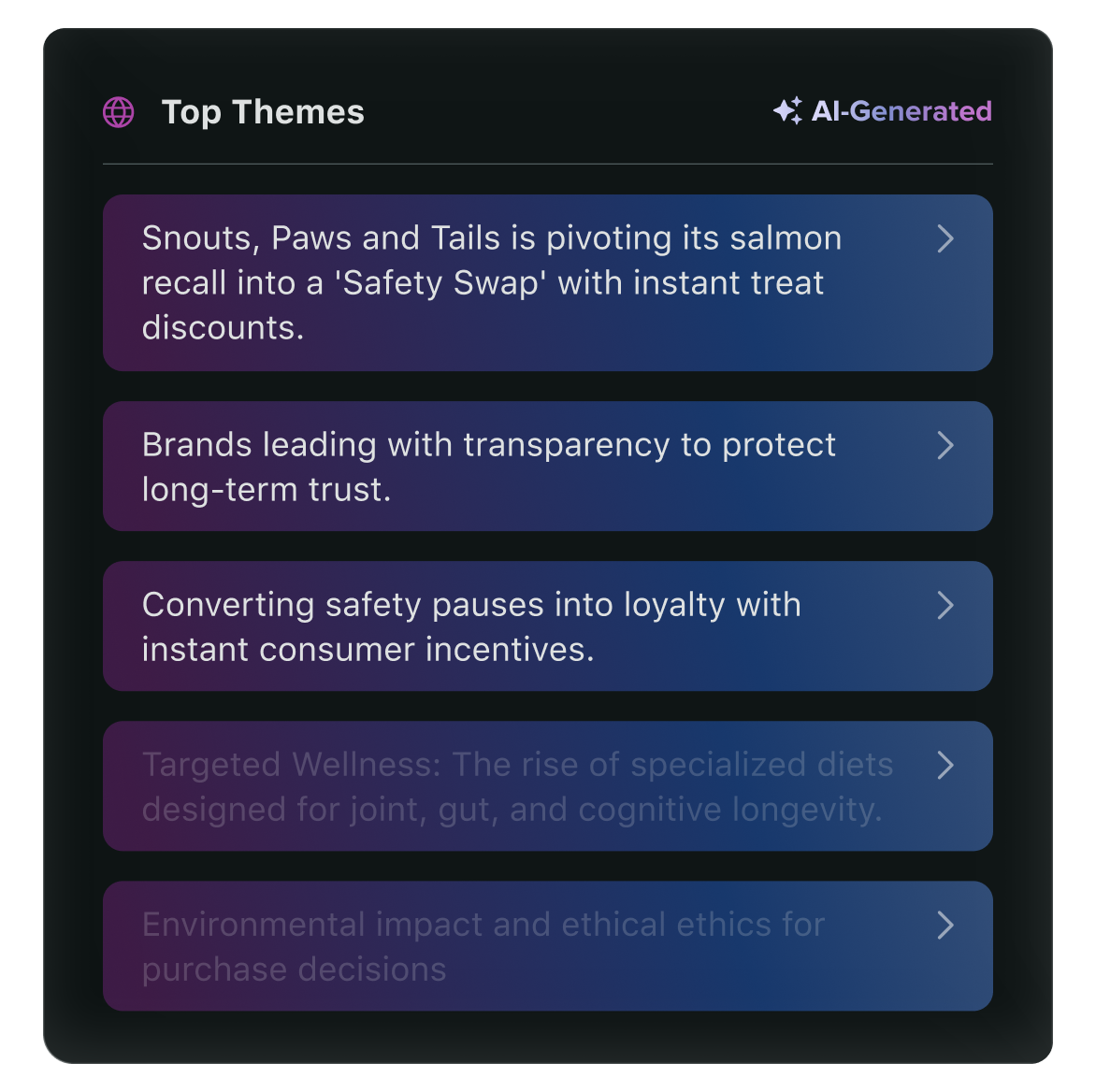
With tools like Trellis, a manager can ask, "What are the primary drivers behind yesterday’s sentiment drop on Reddit?" The system, having ingested data from across the web, provides a summarized, contextual answer. This transforms the role of the social media manager from a reporter of data to a strategist who can translate digital signals into executive-ready recommendations.
Building Internal Pathways for Escalation
All the intelligence in the world is useless if it doesn’t reach the person who can act on it. A common failure point in modern organizations is that social data remains trapped in the marketing department.
To succeed, brands must build "escalation pathways." If the AI identifies a high-priority customer complaint, it should be automatically routed to the customer service ticket system. If it flags a potential security vulnerability, it should hit the engineering Slack channel. By automating these workflows, companies can scale their monitoring efforts without adding headcount, ensuring that the right information reaches the right people at the right time.
Conclusion: From Noise to Strategy
The digital noise of the 2026 landscape is not going to quiet down. In fact, as platforms proliferate and AI-generated content grows, the volume of data will only increase. Brands that cling to reactive, dashboard-centric monitoring will inevitably find themselves surprised by the next market shift.
The future of brand resilience lies in a unified, agentic, and cross-network strategy. By centralizing data, deploying autonomous AI agents, and establishing clear internal escalation pathways, organizations can transform the chaos of the internet into a strategic advantage. The goal is no longer just to "monitor" the brand—it is to use real-time intelligence to steer the brand through an increasingly complex world.


 Iffa Jayyana
 Raul Delapena Setiawan

 Sagoh
Sagoh

 Azzam Bilal Chamdy
 Ali Ikhwan