
 Asro
Asro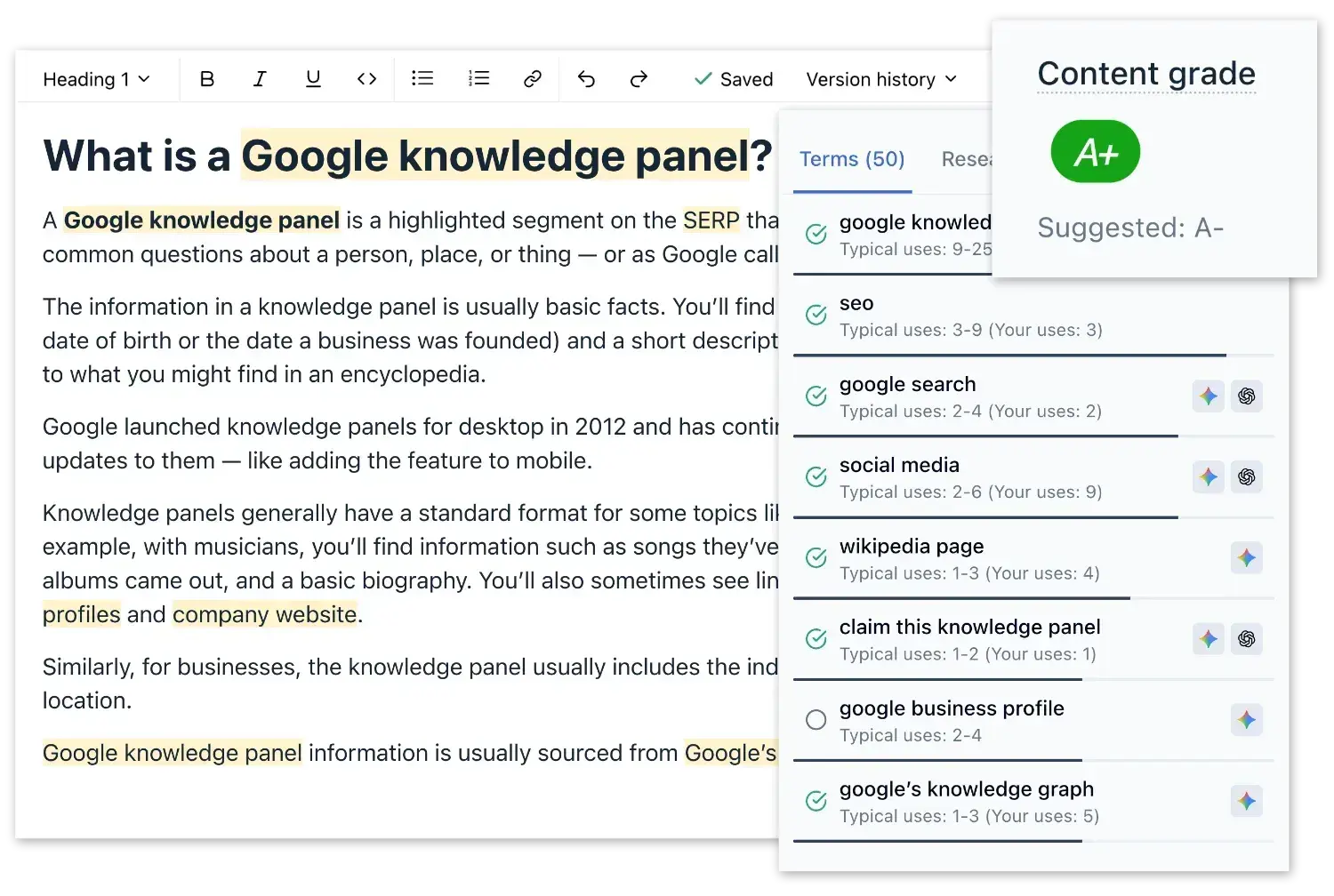
B2B SaaS businesses achieve an average ROI of 702% from SEO. Despite this staggering statistic, many marketing teams remain tethered to an SEO tool stack built for a bygone era of search. In a landscape where visibility in AI-generated answers is becoming as critical as a first-page Google ranking, the tools that powered growth three years ago are increasingly insufficient.
For SaaS companies, the challenge is unique: websites must simultaneously serve multiple buyer journeys, educate users at every funnel stage, and compete against authoritative aggregators like G2 and Capterra. To stay competitive, modern teams must pivot toward an integrated stack that handles research, technical health, content optimization, and, crucially, Answer Engine Optimization (AEO).
The Evolution of the SaaS SEO Landscape
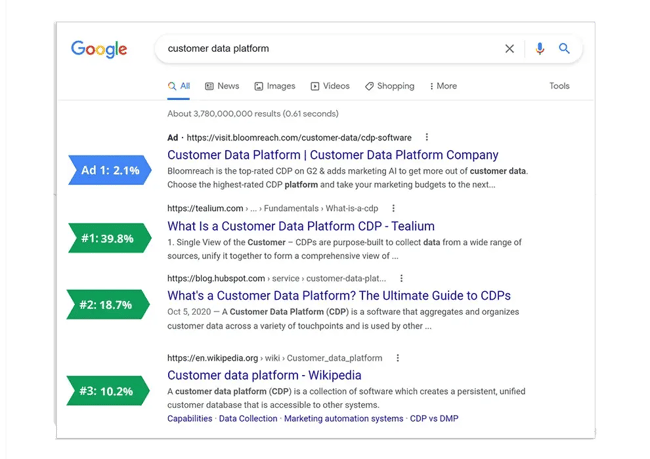
The core objective of SEO for SaaS has shifted. It is no longer just about driving clicks; it is about establishing authority across a fragmented search ecosystem. While organic search remains the highest-leverage investment for reducing customer acquisition costs, the SERP (Search Engine Results Page) has fundamentally changed.
Data from First Page Sage indicates that once a result falls outside the top three positions on Google, the click-through rate (CTR) drops into single digits. In the era of AI Overviews (AIO), ChatGPT, and Perplexity, the "top spot" is often an AI-generated summary that provides the answer without requiring a click to your website. Consequently, SaaS teams that fail to optimize for how AI models interpret and cite their content are effectively invisible to the modern researcher.

The Essential Components of a Modern SaaS SEO Stack
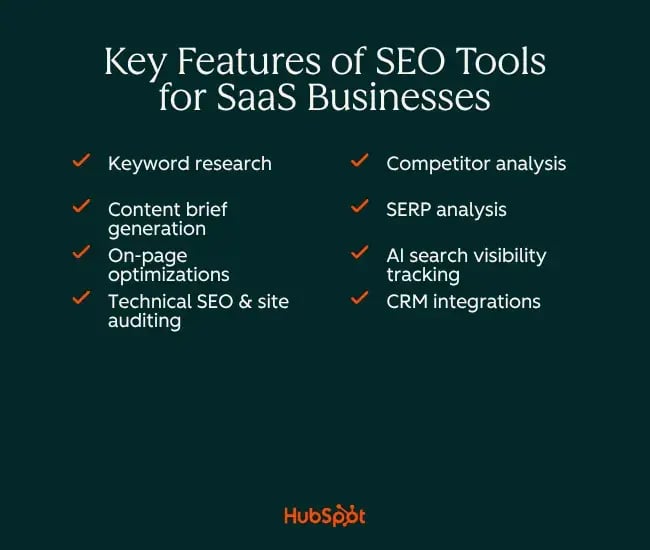
To navigate this complexity, teams must replace gut-instinct publishing with systematic, data-driven workflows. An effective stack addresses five critical areas:
1. Keyword Research and Intent Mapping
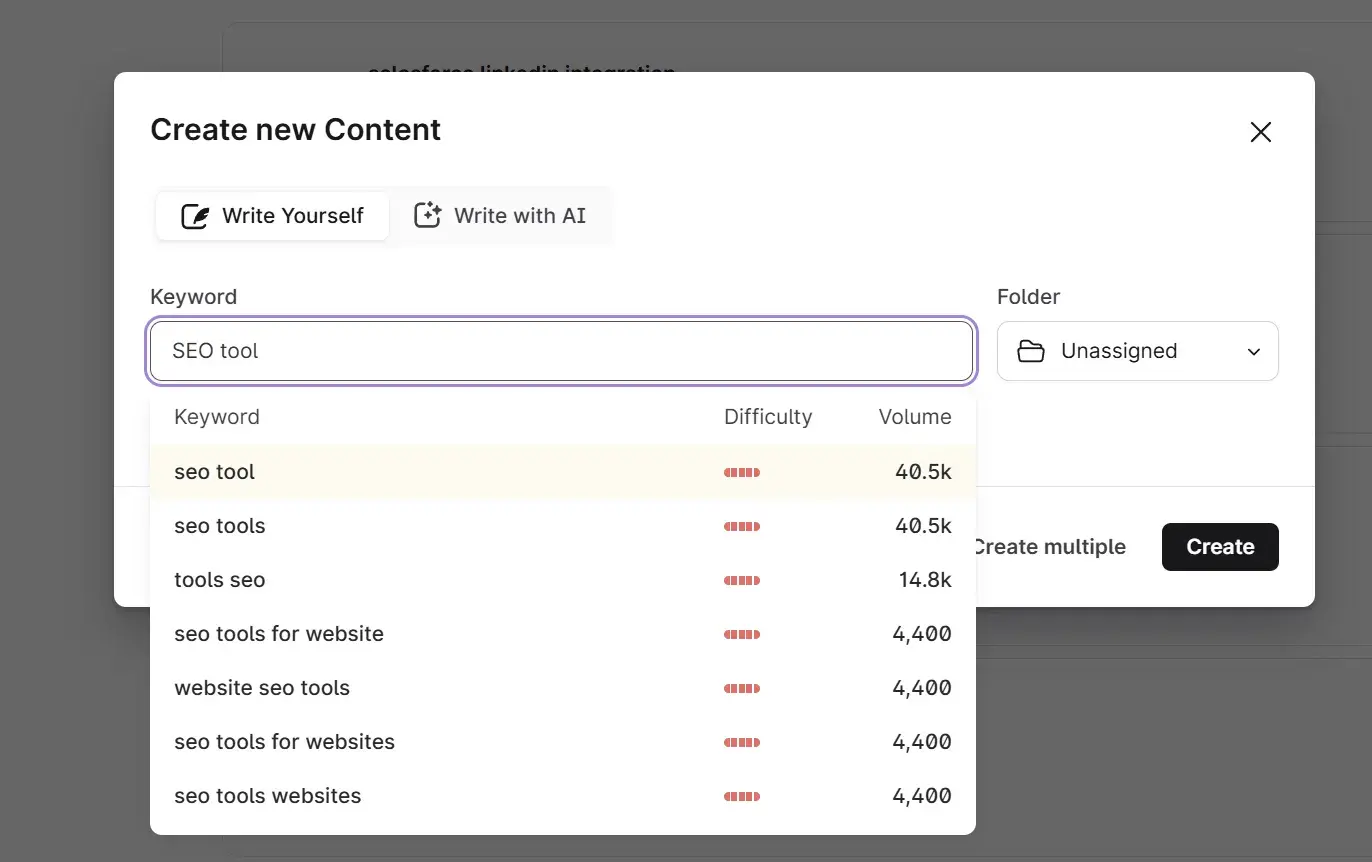
Winning in SaaS isn’t about targeting high-volume vanity terms; it’s about mapping intent. The best tools identify not just what a prospect is searching for, but why. High-growth teams utilize competitive intelligence to find gaps in the market, ensuring their content captures users from the awareness phase through to final decision-making.
2. Technical SEO Foundations
SaaS platforms often suffer from "technical debt" due to rapid product iterations and sprawling subdomains. A robust stack must include automated crawling to prioritize issues like broken internal links, slow page speeds, and indexation errors. Without a clean technical foundation, content strategy efforts are often wasted.
3. On-Page Content Optimization
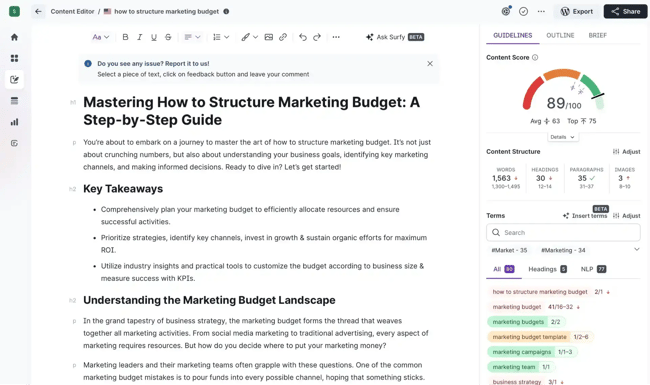
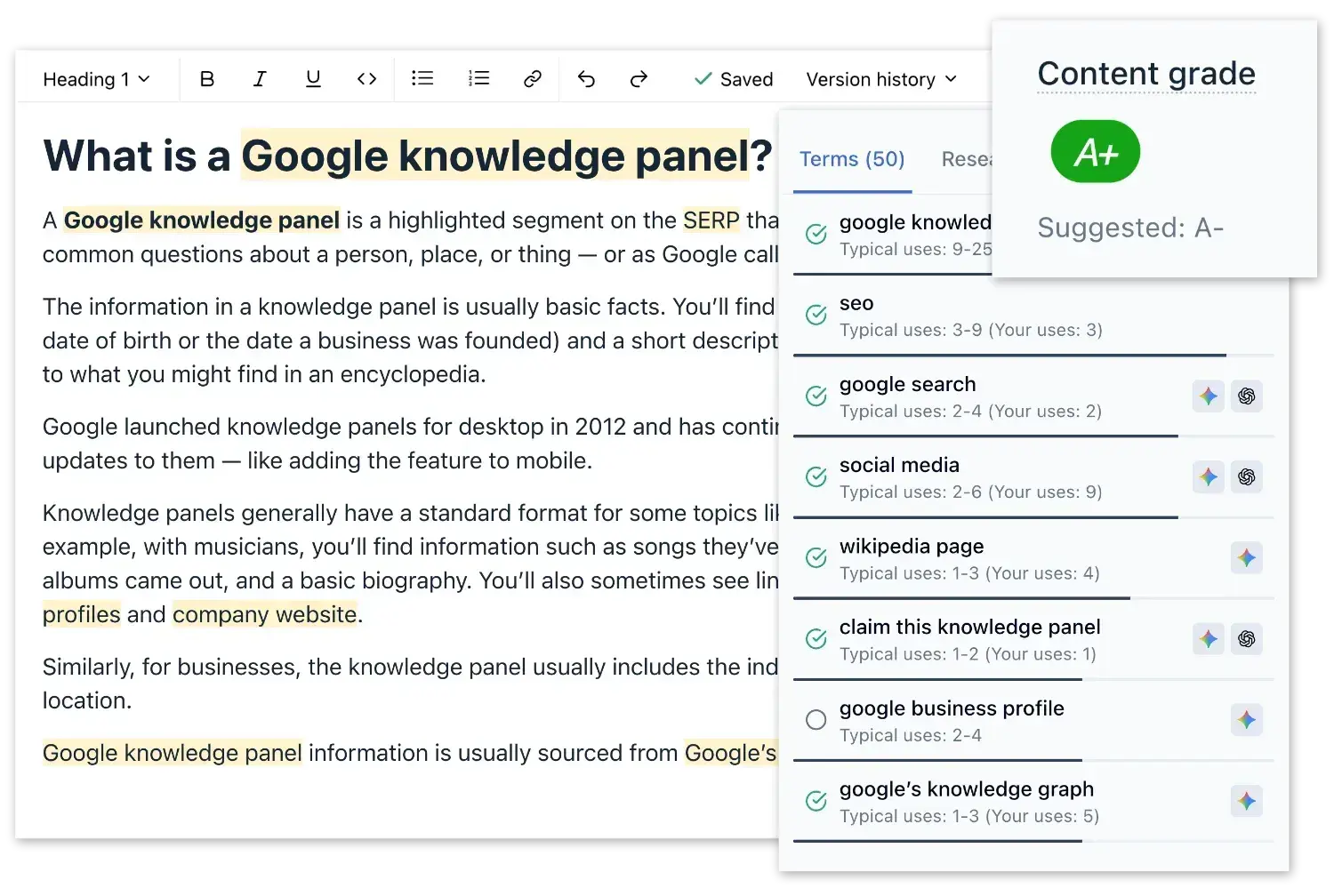
Scaling content production requires consistency. Modern tools provide real-time semantic scoring and readability guidance, ensuring that every piece of content—whether written by humans or AI—is optimized for relevance and authority before it hits the CMS.
4. AI Search and AEO Visibility
Answer Engine Optimization is the new frontier. SaaS brands must ensure their content is structured in a format that AI models can easily parse. This includes implementing schema markup and focusing on high-quality, cited answers that models prefer when generating summaries.
5. Reporting and CRM Attribution
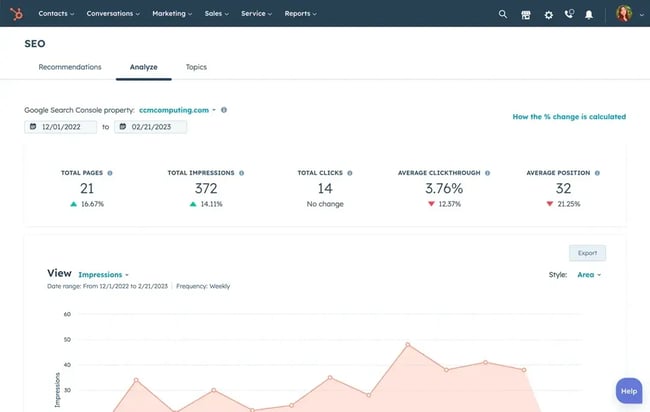
SEO only retains its budget when it can prove revenue impact. The best SaaS tools provide native connectivity to CRM platforms, allowing marketers to attribute organic traffic directly to pipeline and closed-won deals.
A Comparative Look at Leading SEO Tools
Selecting the right tools requires matching your stack to your team’s specific maturity level. Below is an overview of industry-standard platforms:
| Tool | Primary Category | Best For |
|---|---|---|
| HubSpot Marketing Hub | SEO & CRM Platform | Unifying SEO, attribution, and CRM data. |
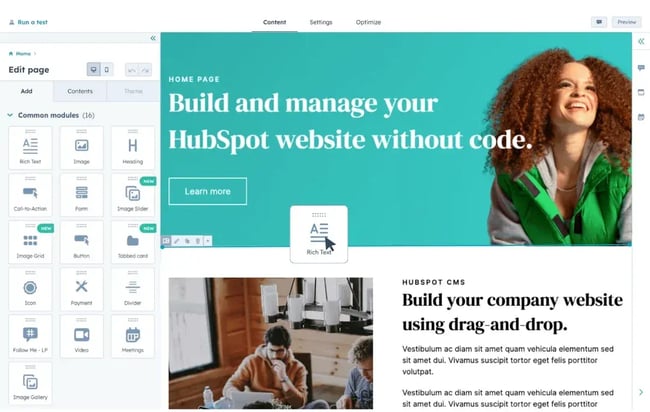
| HubSpot Content Hub | CMS & Content SEO | Embedding SEO guidance in the writing workflow. |
| Semrush | Research & Auditing | Comprehensive keyword and competitor analysis. |
| Ahrefs | Backlink Analysis | Deep link intelligence and traffic estimation. |
| Screaming Frog | Technical SEO | Granular site crawling and audit diagnostics. |
| Surfer SEO | On-Page Optimization | Data-backed briefs and real-time content scoring. |
| Clearscope | Content Optimization | Maintaining term coverage across large libraries. |
The Role of AI in Scaling Content Operations
One of the most significant shifts in 2026 is the integration of live search data into AI-assisted writing. Tools like the Enfra Chrome Extension are gaining popularity because they ground AI outputs in real-time SERP data. Rather than relying on static training data, these tools allow writers to see exactly what competitors are covering, surfacing "information gaps" that an AI model might otherwise ignore.
"Enfra is a game-changer," notes Liz Bowers, SEO Manager at Mosaic eMarketing. "It injects live SERP data and Google Search Console metrics directly into the AI interface. It allows us to optimize not just for Google’s blue links, but for the generative search era."
Strategic Implications: Building for Your Team Size
A common pitfall is over-investing in complex tools before the team is ready to manage them.
- Solo to 2-Person Teams: Prioritize free first-party data. Use Google Search Console (GSC) and Bing Webmaster Tools as your base. Focus on a single platform like HubSpot to connect your SEO efforts to your CRM, ensuring every click is tracked to a potential lead.
- Teams of 3 to 5: Add a specialized optimization tool like Surfer SEO or Clearscope to standardize content quality. Start conducting monthly technical audits to prevent issues from compounding.
- Teams of 10+: Invest in enterprise-grade auditing tools like Screaming Frog and advanced backlink intelligence from Ahrefs. At this scale, internal linking tools like Link Whisper become essential to maximize the equity of your existing content archive.
Official Perspective: The Importance of First-Party Data
While third-party tools are invaluable, experts consistently emphasize the non-negotiable status of Google Search Console (GSC). As the direct line of communication between a website and Google, it provides the most accurate performance metrics.
Furthermore, many SEO specialists are discovering that GSC surfaces "zero-volume" keywords—specific queries that paid tools often miss due to their low search volume. In the SaaS world, these are often the most valuable, high-intent terms that capture users ready to purchase.
The Future of SaaS SEO: Connecting to Revenue
The transition to AEO is not a temporary trend; it is a fundamental shift in how information is consumed. As AI engines take over the discovery phase of the buyer journey, the goal of the SEO professional must evolve from "ranking" to "being the definitive answer."
By leveraging tools that provide visibility into ChatGPT, Perplexity, and Gemini—such as the HubSpot AEO Grader—SaaS brands can proactively shape their presence in AI results. The ability to present this performance to stakeholders in business terms—showing how content visibility leads to pipeline growth rather than just "vanity" rankings—is what will ultimately secure the future of the SEO budget.
Conclusion
The divide between high-growth SaaS companies and the rest of the market is no longer defined by who produces the most content, but by who manages their digital infrastructure with the most precision. By integrating SEO workflows directly into the CRM, prioritizing AI search visibility, and utilizing tools that turn data into actionable content briefs, SaaS teams can move past the guesswork.
In a competitive market, those who adopt a modern, unified tech stack will not only capture the top spots on traditional search engines but will also become the trusted sources cited by the next generation of AI-powered research tools.


 Ammar Sabilarrohman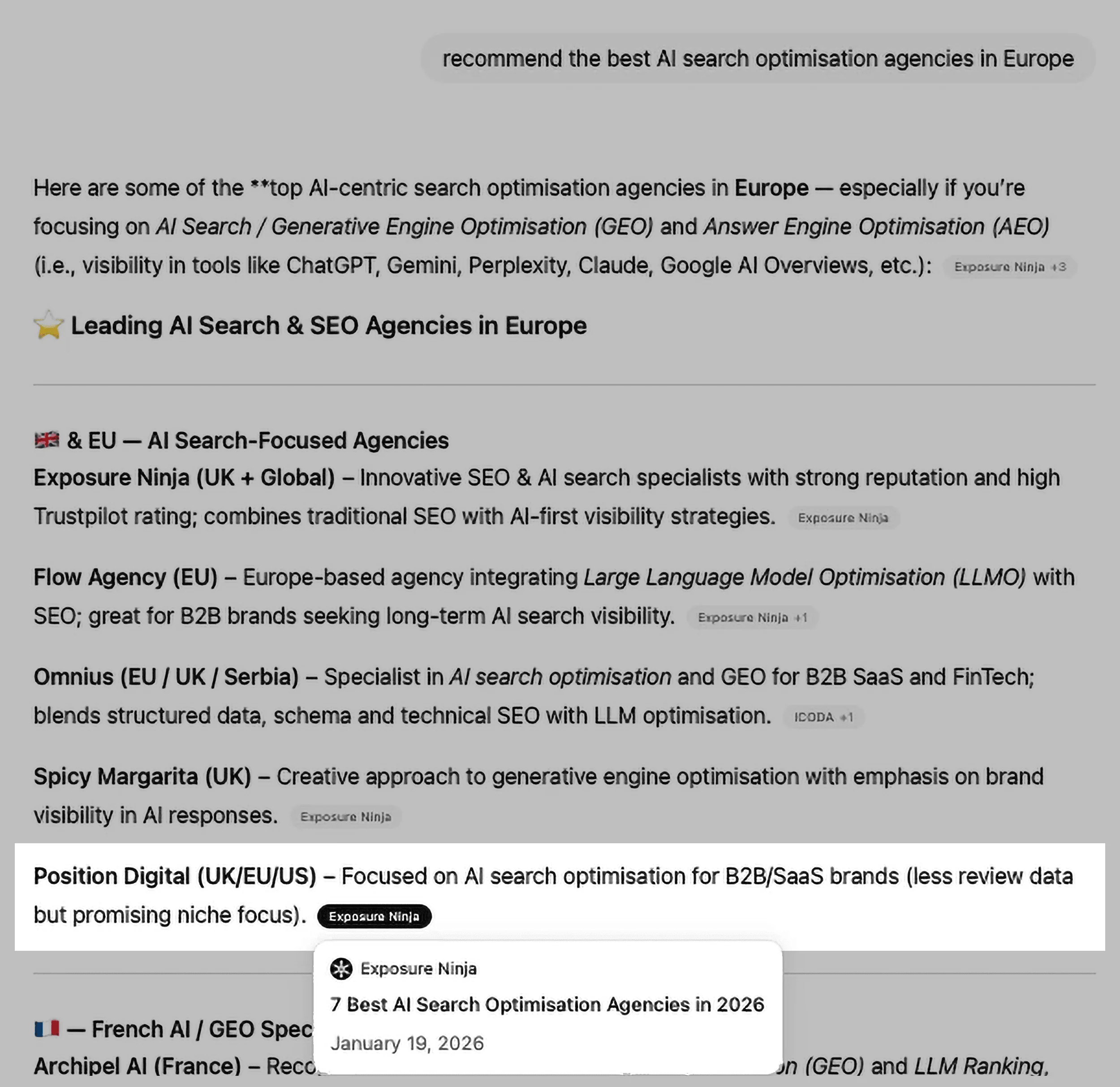
 Sagoh
Sagoh
 Raul Delapena Setiawan
 Reynand Wu


 Azzam Bilal Chamdy
 Ali Ikhwan