
 Asro
Asro
In the hyper-competitive landscape of modern e-commerce, the standard playbook for email marketing is well-worn: optimize the welcome sequence, trigger the cart abandonment flows, and push for the conversion. While these tactical maneuvers are essential for short-term revenue, they often treat subscribers as static data points rather than living, breathing members of a brand ecosystem.
The most resilient brands of the next decade are pivoting away from this purely transactional mindset. They are discovering that the true value of an email list lies not in its ability to generate a one-off sale, but in its potential to foster a genuine community. By treating the inbox as a relationship-first channel, businesses can build a moat of loyalty that protects them from rising customer acquisition costs and the volatility of social media algorithms.
The Paradigm Shift: From Mailing List to Community
The distinction between a list and a community is fundamental. A list is a collection of email addresses—a ledger of contacts who have expressed a fleeting interest in your product. A community, by contrast, is a group of individuals who feel a sense of belonging to something larger than the product itself.
The gap between these two states is rarely bridged by technical infrastructure; it is bridged by intent. Most e-commerce brands operate within a rigid funnel: welcome, browse abandonment, purchase, and win-back. This infrastructure is undeniably valuable for scaling revenue, but if it is the entirety of your communication strategy, you are leaving the most durable asset of your brand completely untouched.
Brands that successfully cultivate community treat revenue as a secondary byproduct of a primary relationship. They understand that if you provide value, context, and a voice that resonates, the sales become an inevitable, repeatable outcome rather than a constant, aggressive demand.
Insider Access: The Currency of Connection
To move from "vendor" to "partner," subscribers must feel that being on your email list provides an advantage. This does not require expensive loyalty programs or gated digital portals; it requires a transparent shift in how you share your brand’s journey.
Transparency as a Product Feature
Instead of broadcasting, "Our new collection is live," successful brands explain the why. They share the failures of previous iterations, the challenges encountered during the supply chain process, or the design philosophies that were discarded. When a subscriber understands the "why," they are no longer just buying a product; they are participating in the success of the project.
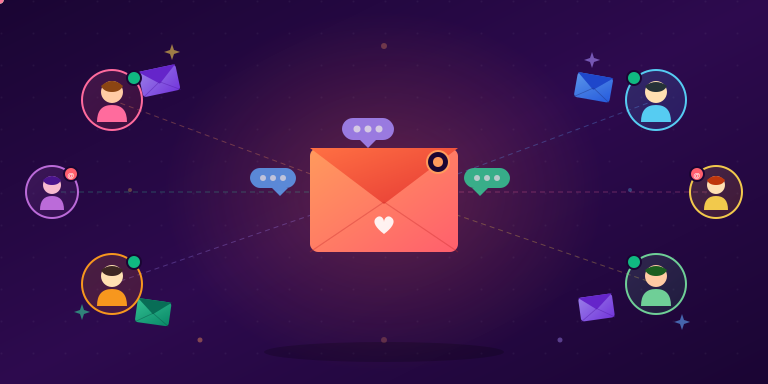
The Power of Behind-the-Scenes Content
Modern consumers have a high appetite for authenticity. Documenting the reality of running a business—the packaging decisions, the trips to suppliers, or even the mistakes that were corrected—humanizes the brand. This creates a "shared investment" in the brand’s output. When things go wrong, a community-backed brand is often met with empathy rather than cancellation, because the subscribers feel they are part of the story.
Founder-Led Communication
There is an undeniable, raw power in a founder’s voice. Many of the most successful, high-engagement email programs in the market have stripped away the high-production graphics and HTML-heavy templates. They rely on plain, text-based notes that feel like a direct correspondence from a person who cares. This "from the desk of" approach fosters a level of trust that polished, corporate-styled marketing can rarely replicate.
The Two-Way Street: Active Listening as a Strategy
Traditional email marketing is a one-directional megaphone. To build community, you must turn the megaphone into a conversation. The most effective way to do this is to solicit feedback—and, crucially, to act on it.
Instead of deploying generic 12-question surveys, brands should experiment with simple, direct questions at the end of their newsletters. Questions like, "What is the one thing you are still struggling with in this space?" or "What should we build next?" turn passive readers into active contributors.
When a subscriber takes the time to reply, the response from the brand must be genuine. While it is impossible to personally reply to 50,000 people, the impact of a few dozen real conversations per month creates a ripple effect. These people become your most vocal advocates, leaving detailed reviews and defending your brand in public forums. They feel heard, and in the digital age, being heard is a rare and precious experience.
Building a Recognizable Brand Voice
Community is fundamentally built on identity, and in the medium of email, that identity is carried by your voice. If your communications are indistinguishable from those of your competitors, you are merely a commodity.
A distinct voice is forged through deliberate, consistent choices. What does your brand refuse to do, even when it’s profitable? What does it advocate for? What are its core beliefs about the industry it occupies? When these values are woven into every email—whether it is a promotional blast or an educational piece—the subscriber begins to feel they know the person behind the screen. This sense of familiarity is the bedrock of long-term trust.
Quantitative Signals: Measuring Community Health
While community-building is an emotional investment, it must be tracked with data to ensure it is yielding a return. Standard metrics like open and click-through rates only tell part of the story. To gauge the strength of your community, look at these specific indicators:
- Reply Rates: If your inbox is silent, the door isn’t as open as you think. A growing reply rate is the clearest sign of a two-way relationship.
- Forward Rates: A forwarded email is the digital equivalent of a word-of-mouth referral. It signals that your content is not just being consumed, but advocated for.
- Referral Growth: Track how your list grows. If new subscribers cite a friend’s recommendation as their entry point, your community is officially functioning as a sustainable growth engine.
- Unsubscribe Patterns: Pay attention to which emails trigger spikes in unsubscribes. Conversely, if your engagement-heavy content keeps people around, it validates that your community-first approach is resonating.
Strategic Implications: Why This Matters Now
The cost of acquiring a new customer via paid social advertising has reached an all-time high. In this environment, "customer lifetime value" is the most important metric for any e-commerce founder.
By building a community through email, you reduce your reliance on expensive paid acquisition. You create a proprietary audience that you own, not one that is rented from a platform like Meta or Google. This ownership provides a safety net; if algorithms change or ad costs fluctuate, you still have direct, unfiltered access to your most loyal supporters.
Conclusion: The Path Forward
The most successful e-commerce programs of the future will not be those with the most sophisticated automated sequences, but those with the deepest connection to their audience.
Building a community is not an overnight task. It requires the courage to be vulnerable, the discipline to listen, and the commitment to treat subscribers as individuals rather than numbers. Tools like Omnisend can provide the necessary infrastructure—segmentation for relevance, automation for the heavy lifting, and analytics for performance—but the strategy must come from the brand itself.
If you are ready to stop chasing the next transaction and start building a lasting relationship, the first step is simple: write an email that makes your subscriber feel like they are on the inside. Start a conversation, listen to the answers, and watch as your list evolves from a database into a community.
For entrepreneurs ready to scale, consider leveraging the tools offered by platforms like Omnisend to handle the logistics, allowing you to focus on the human element that truly drives long-term success.


 Reynand Wu
 Lina Irawan

 Ammar Sabilarrohman
 Nana Wu

 Suro Senen
 Jia Lissa