
 Dwi Wanna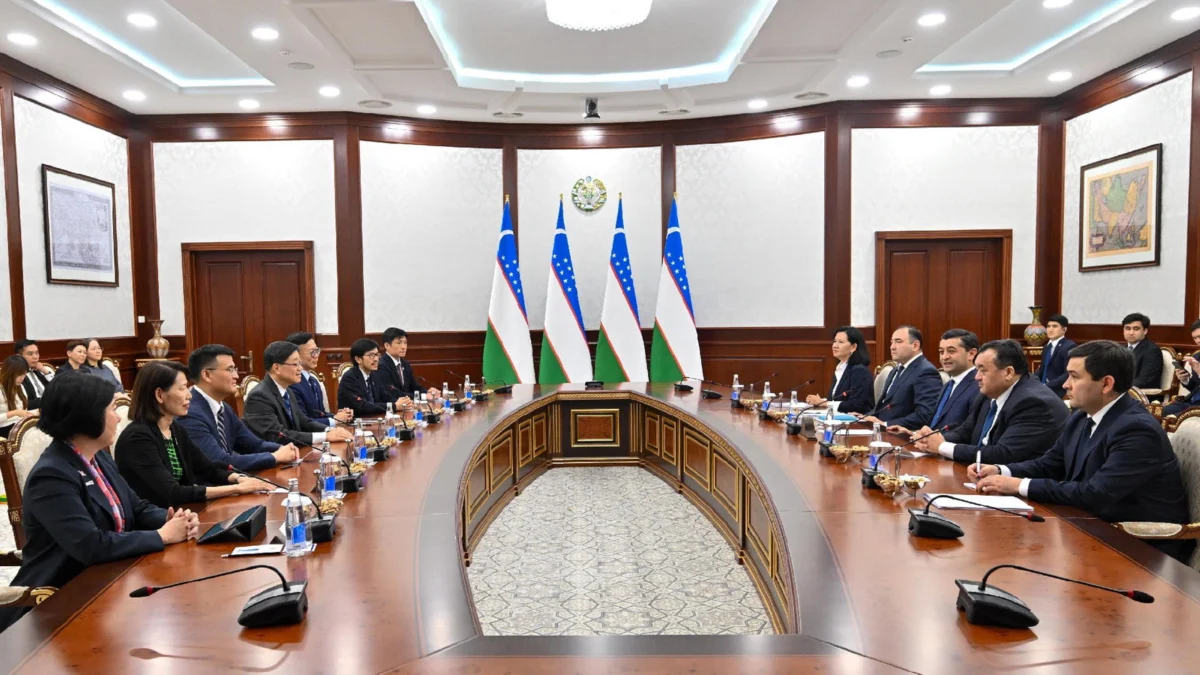
In a move signaling a significant pivot toward strengthening ties with the emerging markets of Central Asia, the Hong Kong Special Administrative Region (HKSAR) Government and the Government of Uzbekistan have formally initiated discussions to implement a 30-day mutual visa-free arrangement. This development, emerging from Chief Executive John Lee’s high-profile diplomatic mission to the region, marks a cornerstone in Hong Kong’s broader strategy to diversify its economic partnerships and solidify its role as a "super-connector" within the Belt and Road Initiative (BRI).
Main Facts: A New Era of Connectivity
The core of the recent announcement involves a substantial easing of travel restrictions between Hong Kong and Uzbekistan. Under the proposed framework, the current 10-day visa-free period for HKSAR passport holders visiting Uzbekistan will be tripled to 30 days. Conversely, Uzbekistan citizens—who currently face various levels of visa requirements—will see a major shift. Holders of Uzbek diplomatic and service passports will see their visa-free entry extended from 14 to 30 days, while ordinary passport holders, who currently must apply for a visa to enter Hong Kong, will be granted 30-day visa-free access.
This diplomatic exchange is not an isolated event but the latest in a series of strategic maneuvers by the Lee administration to tap into the "Middle Corridor" of global trade. The mission to Central Asia also encompassed a landmark visit to Kazakhstan, where the Hong Kong delegation secured 43 Memoranda of Understanding (MoUs) across diverse sectors including aviation, financial services, green technology, and the digital economy.
Furthermore, the physical infrastructure of this relationship is set to be bolstered by the aviation sector. Cathay Pacific has officially announced plans to launch direct flights between Hong Kong and Almaty, Kazakhstan, in the first quarter of 2027. This will represent the first direct air link between Hong Kong and Kazakhstan, providing the logistical backbone necessary for the newly signed agreements to flourish.
Chronology: The Central Asian Mission
The progression of these diplomatic achievements followed a structured itinerary designed to maximize Hong Kong’s exposure to the most robust economies in Central Asia.
The Kazakhstan Leg (Early June)
Chief Executive John Lee led a high-powered delegation comprising over 30 leaders from the fields of finance, investment, business, and technology. The primary focus in Kazakhstan was to establish Hong Kong as the premier gateway for Kazakh enterprises looking to enter the Chinese and Southeast Asian markets. During this period, 43 MoUs were signed, signaling a massive intent for bilateral cooperation. The discussions focused on how Hong Kong’s professional services—legal, accounting, and arbitration—could support Kazakhstan’s "Astana International Financial Centre" (AIFC).
The Uzbekistan Leg (Mid-June)
Following the success in Kazakhstan, the delegation moved to Uzbekistan, a nation currently undergoing rapid economic liberalization. The exchange of diplomatic notes regarding the visa-free arrangement occurred here. The focus shifted toward tourism, cultural exchange, and trade facilitation. The HKSAR government recognized Uzbekistan as a critical node in the ancient Silk Road, now being revitalized through modern trade routes.
The Aviation Milestone
Midway through the tour, on the sidelines of the business forums, Cathay Pacific’s leadership announced the 2027 Almaty route. This announcement served as a practical confirmation that the private sector is ready to follow the government’s lead in investing in Central Asian connectivity.
Supporting Data: Economic Synergy and Trade Potential
The push into Central Asia is backed by compelling economic data. Kazakhstan and Uzbekistan represent the two largest economies in the region, with significant growth trajectories.
The 43 MoUs: A Breakdown
The 43 agreements signed in Kazakhstan are not merely symbolic. They cover five critical pillars of modern economic development:
- Aviation and Logistics: Enhancing cargo throughput and passenger transit.
- Finance and Trade: Facilitating dual listings on the HKEX and the AIFC, and promoting the use of the Renminbi (RMB) in cross-border settlements.
- Innovation and Technology (I&T): Collaborative research in AI, smart city development, and data management.
- The Digital Economy: Developing fintech solutions and cross-border e-commerce platforms.
- Green Development: Focusing on ESG (Environmental, Social, and Governance) standards and green finance to support Central Asia’s transition to renewable energy.
Uzbekistan’s Growth Profile
Uzbekistan has maintained a GDP growth rate of approximately 5-6% annually over the last few years. With a population of over 35 million—the largest in Central Asia—it presents a massive consumer market and a burgeoning labor force. By extending visa-free access to 30 days, Hong Kong is positioning itself as the primary destination for Uzbek entrepreneurs and tourists, who have historically looked toward Europe or Russia.
The Cathay Pacific Almaty Route
The planned thrice-weekly service to Almaty is expected to drastically reduce travel time between the two regions. Currently, travelers must transit through Istanbul, Dubai, or Seoul, often resulting in travel times exceeding 15 hours. The direct flight is expected to take approximately 6 to 7 hours, facilitating more frequent business exchanges and "just-in-time" logistics for high-value goods like electronics and pharmaceuticals.
Official Responses: Voices of Strategy
Chief Executive John Lee emphasized that this mission was about "opening new doors." During a press briefing, Lee stated:
"Central Asia is a region of immense potential and a vital part of the Belt and Road Initiative. By extending visa-free access and signing these MoUs, we are not just facilitating tourism; we are building a corridor for talent, capital, and innovation. Hong Kong is the ‘super-connector’ and ‘super value-adder’ that will help Central Asian nations reach the global market."
Lavinia Lau, Cathay Pacific’s Chief Customer and Commercial Officer, highlighted the strategic importance of the new flight route:
"We are excited to announce our plans to link Hong Kong and Almaty. Kazakhstan is the heart of Central Asia, and this route will serve as a vital link for trade and cultural exchange. It aligns perfectly with our commitment to strengthening Hong Kong’s status as an international aviation hub."
Representatives from the Uzbekistan government expressed optimism that the 30-day arrangement would "revolutionize" bilateral relations, noting that the ease of travel is the first step toward deeper institutional cooperation in education and technology.
Implications: What This Means for the Future
The move toward a 30-day mutual visa-free arrangement and the broader engagement with Central Asia carry profound implications for Hong Kong’s geopolitical and economic standing.
1. Diversification of the Economic Base
For decades, Hong Kong’s economy has been heavily reliant on trade with the West and Mainland China. Amidst shifting global geopolitical tensions, diversifying into Central Asia allows Hong Kong to mitigate risks. Kazakhstan and Uzbekistan offer untapped resources and a growing demand for the sophisticated financial and legal services that Hong Kong excels in.
2. Strengthening the "Middle Corridor"
As the traditional Northern Corridor (through Russia) faces challenges, the Middle Corridor—connecting China to Europe via Central Asia and the Caspian Sea—is gaining prominence. Hong Kong’s involvement ensures that it remains the financial hub for the infrastructure projects and trade flows moving through this route.
3. HR and Manpower Implications
For the human resources and talent acquisition sector, these developments are significant.
- Talent Mobility: The 30-day visa-free access will allow for easier short-term assignments, consultancy work, and business scouting.
- Skill Exchange: The MoUs in I&T and the digital economy suggest an upcoming demand for professionals who understand both the Central Asian market and the Hong Kong/Greater Bay Area (GBA) ecosystem.
- Educational Ties: With increased travel, there is a higher likelihood of student exchange programs and academic collaborations, creating a pipeline of "Central Asia-ready" talent in Hong Kong.
4. Aviation Hub Status
The addition of Almaty to Cathay Pacific’s network is a defensive and offensive move. It defends Hong Kong’s status against rising hubs like Singapore and Doha by offering unique connectivity to a region that is currently underserved. Offensively, it captures the first-mover advantage in a region poised for an economic boom.
5. Tourism and Cultural Synergy
The extension to 30 days is particularly beneficial for the tourism sector. It allows for "slow travel" and deeper cultural immersion, which is essential for building the people-to-people bonds that underpin long-term economic partnerships. Uzbekistan’s UNESCO World Heritage sites and Hong Kong’s vibrant culinary and shopping scenes are now more accessible to each other’s citizens than ever before.
Conclusion
The diplomatic breakthrough between Hong Kong and Uzbekistan, paired with the expansive agreements reached in Kazakhstan, represents a sophisticated execution of "Belt and Road" diplomacy. By lowering the barriers to entry—both physical (via flights) and regulatory (via visas)—Hong Kong is successfully pivoting toward a future where Central Asia is no longer a distant frontier, but a core partner. As these arrangements move from discussion to implementation, the impact on trade, talent, and regional stability is expected to be transformative, reaffirming Hong Kong’s indispensable role in the global economy.


 Azzam Bilal Chamdy
 Layla Zulfa
 Asro
Asro
 Laily UPN
 Iffa Jayyana
 Raul Delapena Setiawan
 Siti Muinah