
 Rifan Muazin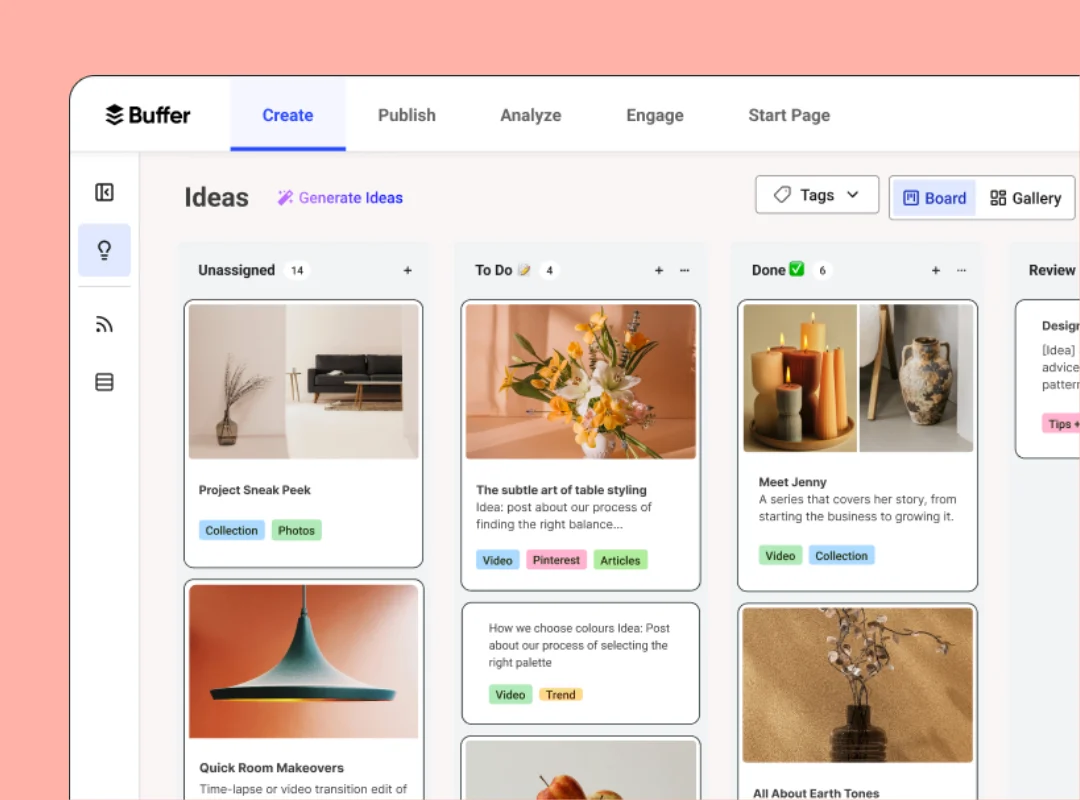
Despite the rapid emergence of newer, trend-driven platforms, Facebook remains an undisputed titan of the digital landscape. As we navigate 2026, the "little blue app" continues to prove its resilience, boasting a staggering 3.07 billion monthly active users. For marketers, creators, and small business owners, this isn’t just a vanity metric—it is a massive, diverse ecosystem ripe for organic growth.
Contrary to the belief that the platform is fading, data suggests a different story. Approximately 69% of millennials remain active on the platform, and while Gen Z adoption sits at a more modest 37%, the platform maintains a powerful hold on older demographics and remains a vital hub for community-building. With its evolving suite of AI-driven tools, video capabilities, and integrated e-commerce features, Facebook has reinvented itself as a sophisticated engine for discovery.
The State of the Platform: Why Facebook Still Matters
The longevity of Facebook is rooted in its evolution. It is no longer just a place to share status updates; it is a multi-faceted content hub. Whether you are leveraging the virality of Reels, the community-focused nature of Groups, or the professional utility of Pages, the platform provides a unique opportunity to reach audiences across all age brackets.
Meta’s official stance on its algorithm remains consistent: the goal is to connect users with content that is "meaningful or informative." This mandate empowers creators who focus on quality over quantity. You do not need a viral sensation or a massive advertising budget to grow; you need a strategy rooted in consistency, utility, and genuine interaction.
Building Your Foundation: The Professional Setup
Before chasing growth, you must ensure your digital storefront is optimized. If you are operating under a personal profile, you are capping your potential.
1. The Power of the Facebook Page
Converting to or creating a Facebook Page is the single most important step for professional growth. A Page unlocks critical infrastructure: robust analytics, access to Meta’s Ads Manager, and, most importantly, the "Follow" button. Unlike personal profiles that require friend requests, a Page allows users to engage with your content instantly, lowering the barrier to entry.
Optimization Checklist:
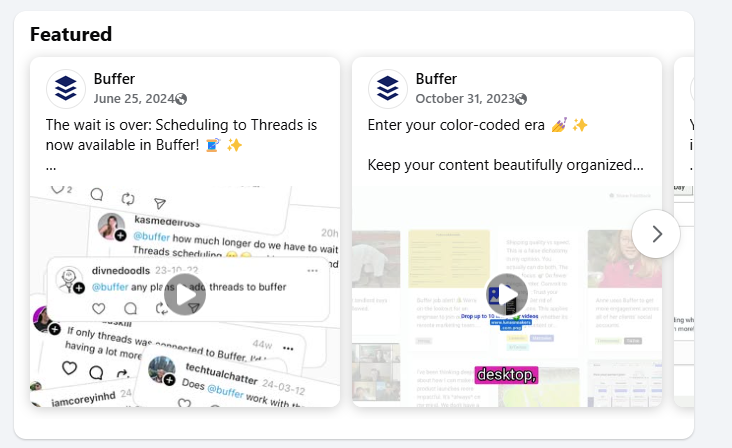
- Featured Posts: Curate a "highlight reel" of your best content to greet new visitors.
- Action Buttons: Use clear CTAs like "Book Now" or "Sign Up" to drive conversions.
- SEO-Friendly Bio: Utilize niche-specific keywords in your "About" section to ensure your page appears in search results.
- Visual Identity: High-quality profile and cover photos are the first impression; ensure they reflect your brand’s aesthetic.
The Content Engine: Strategies for 2026
Success on Facebook today is about "showing up." A stagnant page is a signal to both the algorithm and your potential audience that the brand is inactive.
2. Consistency as a Growth Lever
Consistency does not necessarily mean posting five times a day. It means creating a rhythm that you can sustain without burning out. Whether you commit to one high-quality post a week or daily updates, the key is reliability. Algorithms reward creators who provide consistent value, as it keeps users on the platform longer.
Tactics for Sustainable Consistency:
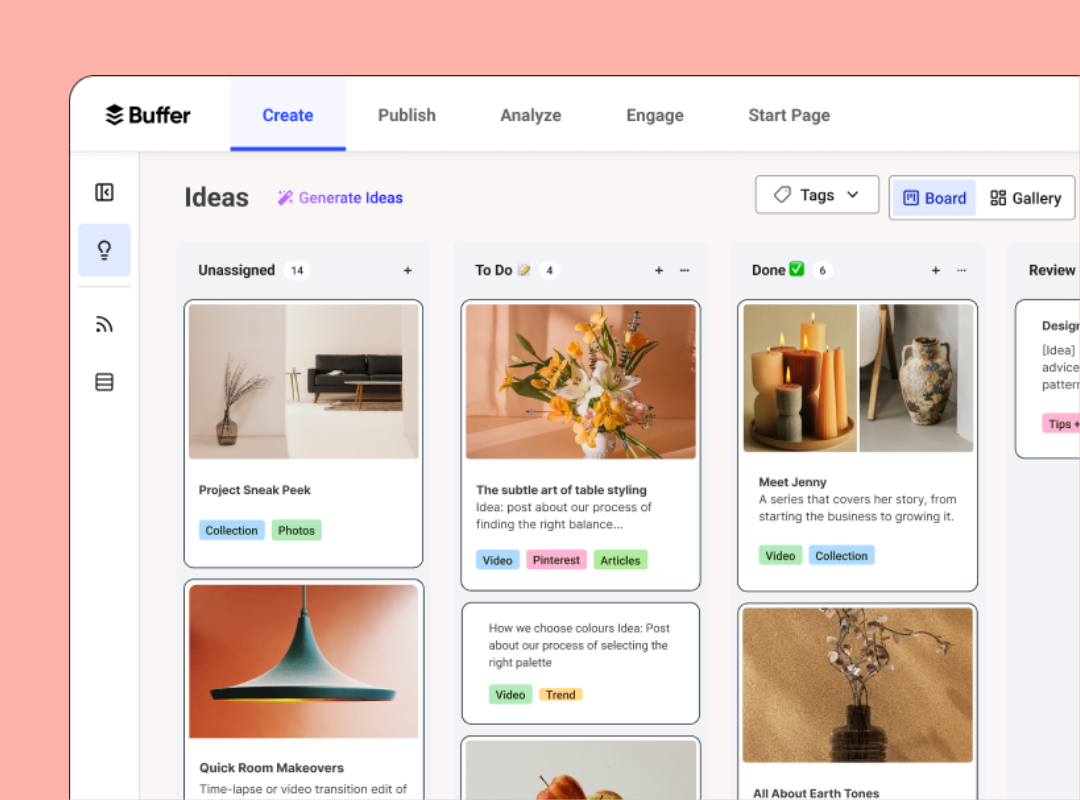
- Content Calendars: Use a dedicated content calendar to map out your strategy. This allows you to balance your content mix (educational, promotional, and entertaining) and eliminates last-minute panic.
- The Power of Repurposing: Do not reinvent the wheel for every post. Take a high-performing blog post and turn it into a carousel; break a long-form video into three bite-sized Reels. This maximizes the mileage of your best ideas.
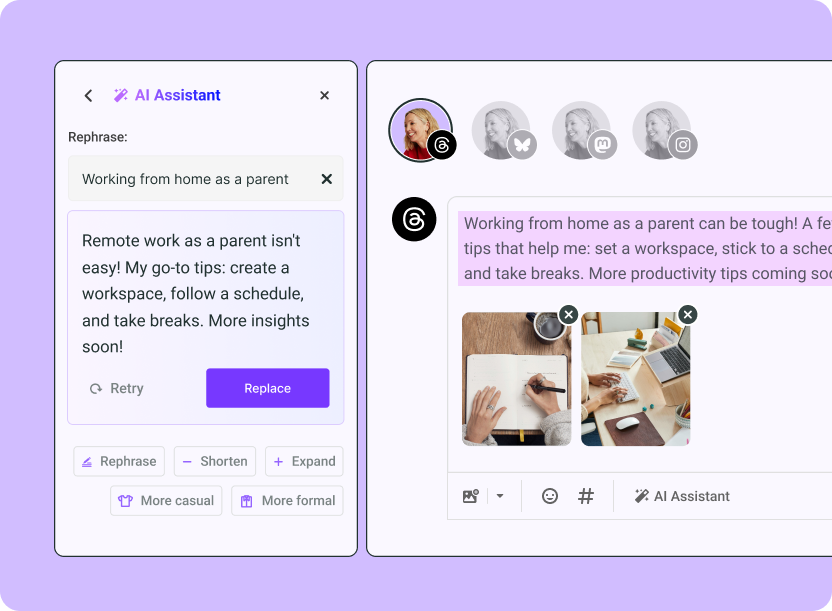
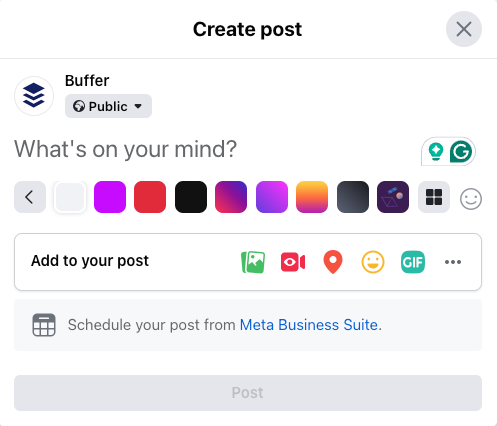
- Batching and Scheduling: Tools like Buffer allow you to plan your content in advance, ensuring your page stays active even when you are away from your desk.
3. Mastering the Algorithm with Visuals
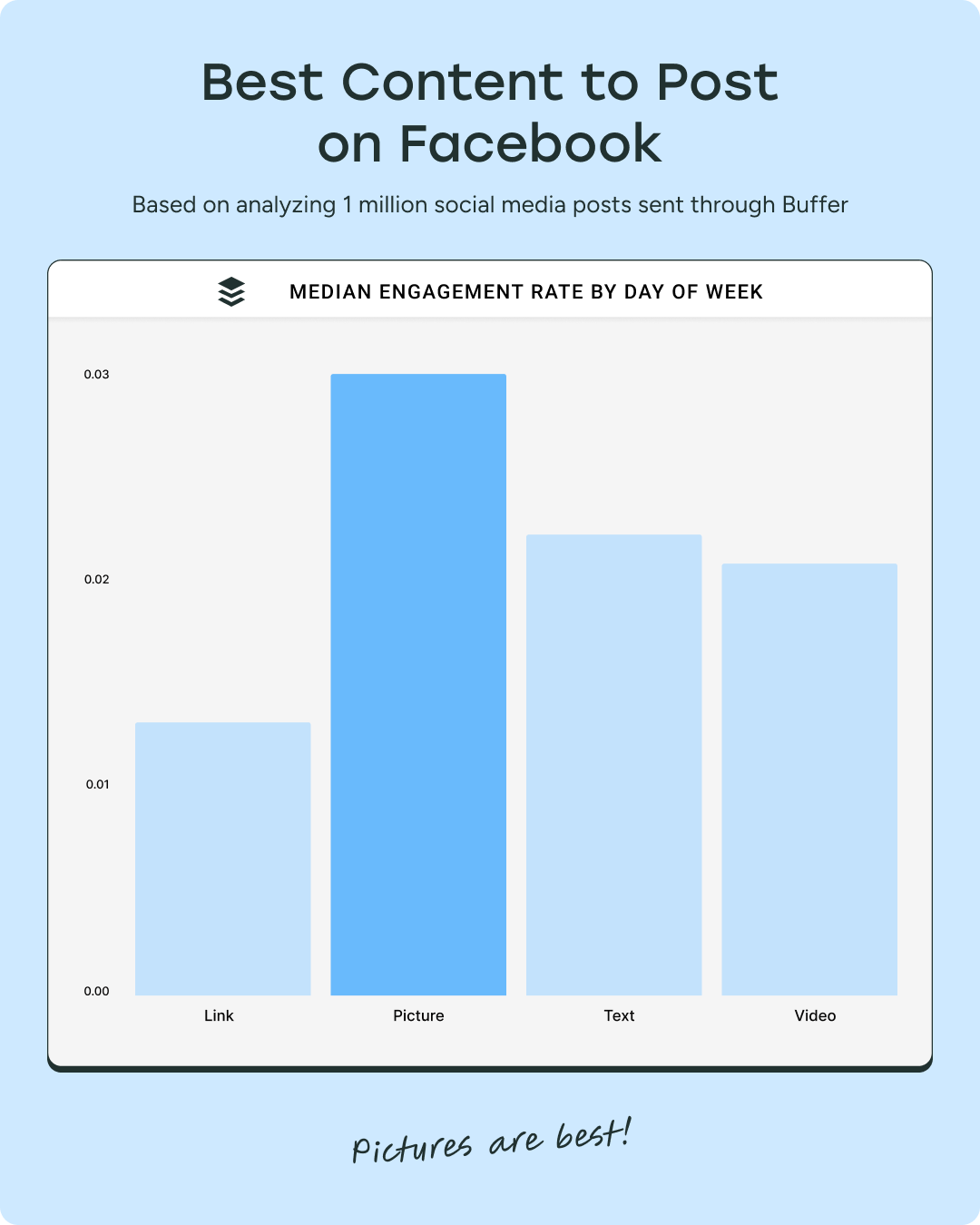
Data analyzed from millions of posts shows that images remain the primary driver of engagement. Photos consistently outperform text-based posts by nearly 35%. However, the frontier of growth in 2026 is undoubtedly Facebook Reels.
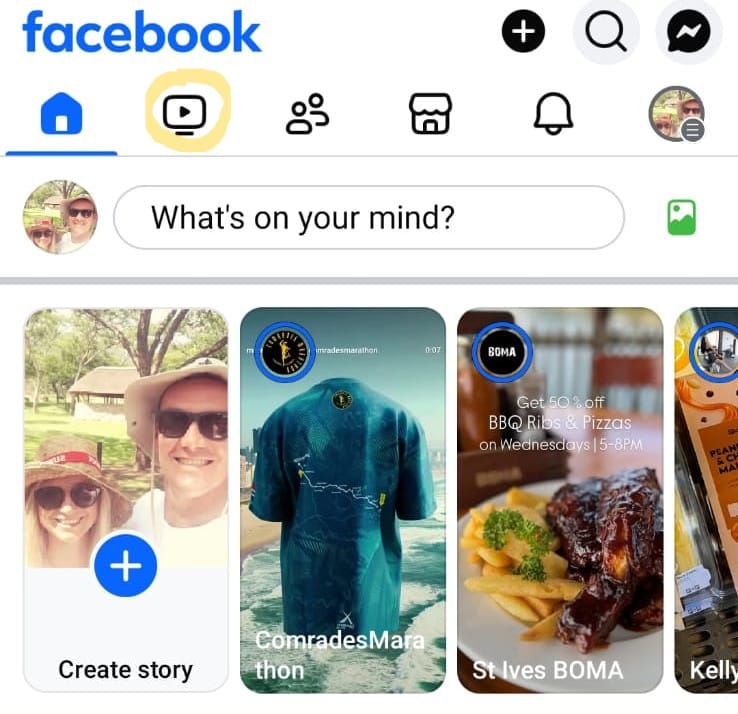
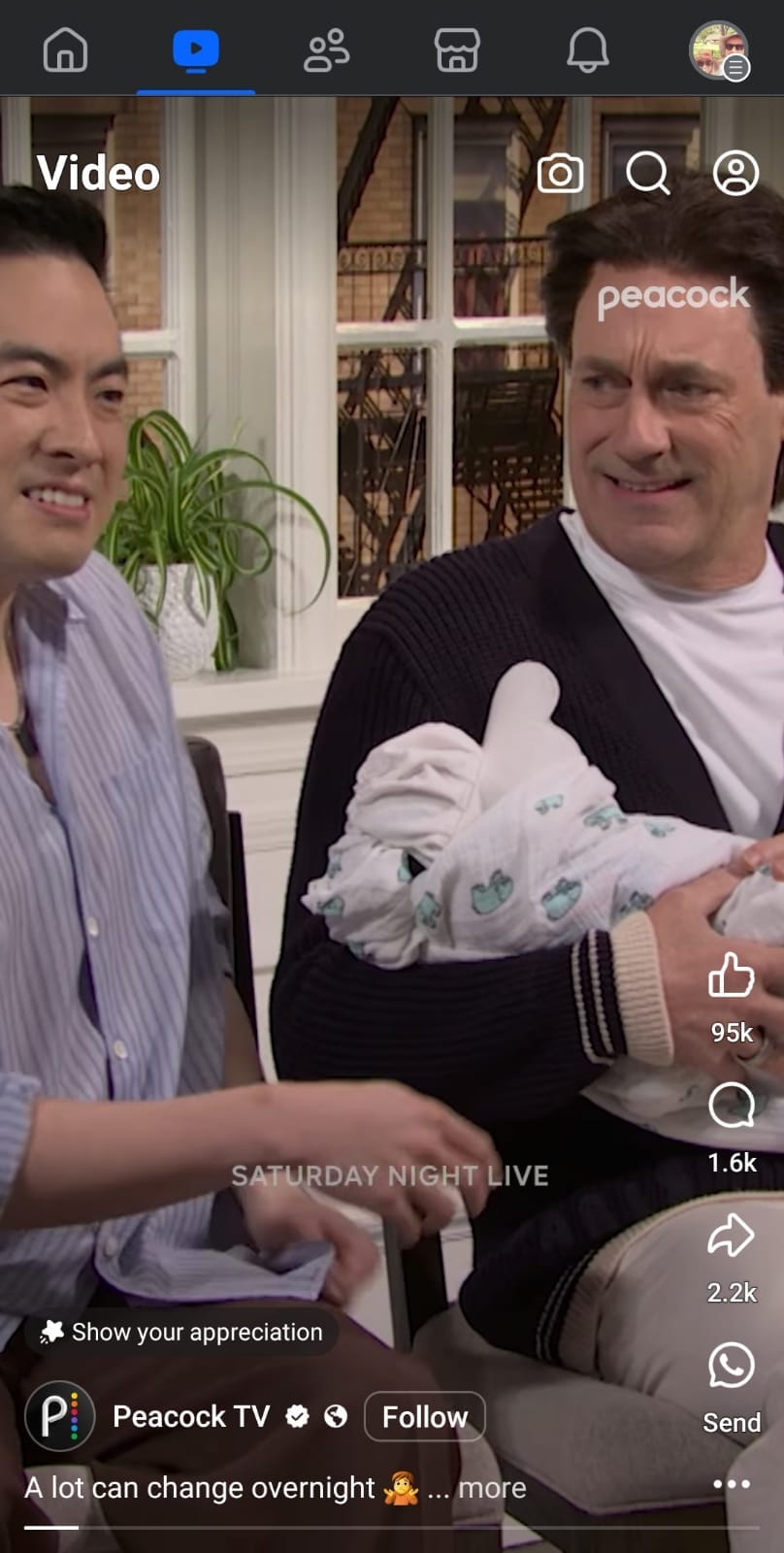
Reels operate on a discovery-based algorithm similar to TikTok or Instagram. This means your content is being served to people who don’t follow you yet. By creating short-form, 9:16 vertical video content, you tap into the "recommended" feed, providing an organic bridge to new audiences.
Leveraging Meta’s Advanced Ecosystem
To truly accelerate your growth, you must move beyond standard posts and experiment with the full suite of Facebook’s native tools.
4. Stories, Live, and Events
- Facebook Stories: Ideal for low-pressure, behind-the-scenes content. Polls and quizzes in Stories are excellent for boosting engagement signals.
- Facebook Live: When you go live, Facebook often prioritizes your notification to followers. It is one of the most effective ways to build trust and authority through real-time interaction.
- Facebook Events: Often overlooked, Events are a goldmine for organic discovery. When a user marks themselves as "Interested" or "Going," it often appears in their friends’ feeds, effectively acting as free, social-proof marketing.
Engagement: The Human Element
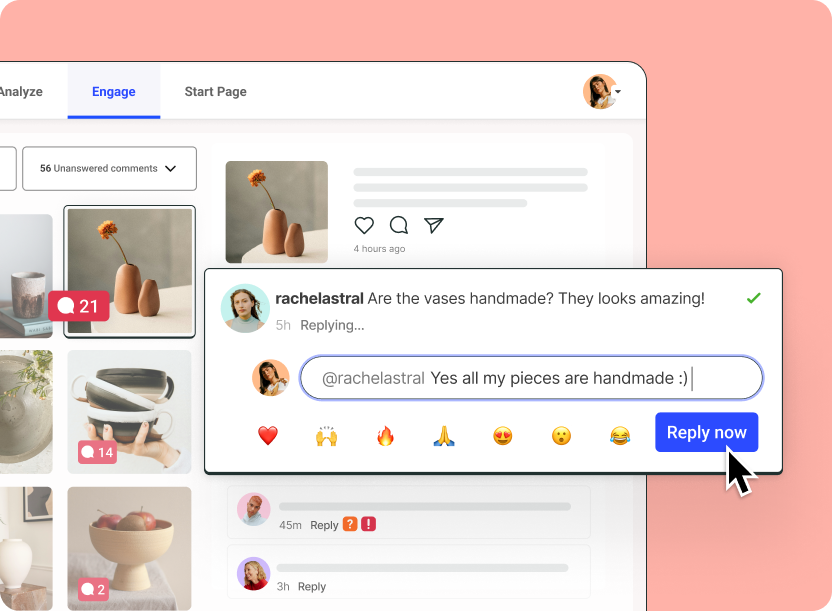
Growing a following is not just about broadcasting; it is about conversation. Responding to comments is not merely polite—it is a strategic necessity. When you respond to comments, you are signaling to the algorithm that your post is fostering discussion.
Pro-tips for Engagement:
- Ask Open-Ended Questions: Encourage your audience to share their opinions in the comments.
- Use the "Community" Mindset: Acknowledge your top fans and engage with their content as well.
- Speed Matters: Aim to respond to initial comments quickly to generate early momentum for your post.
Data-Driven Decision Making
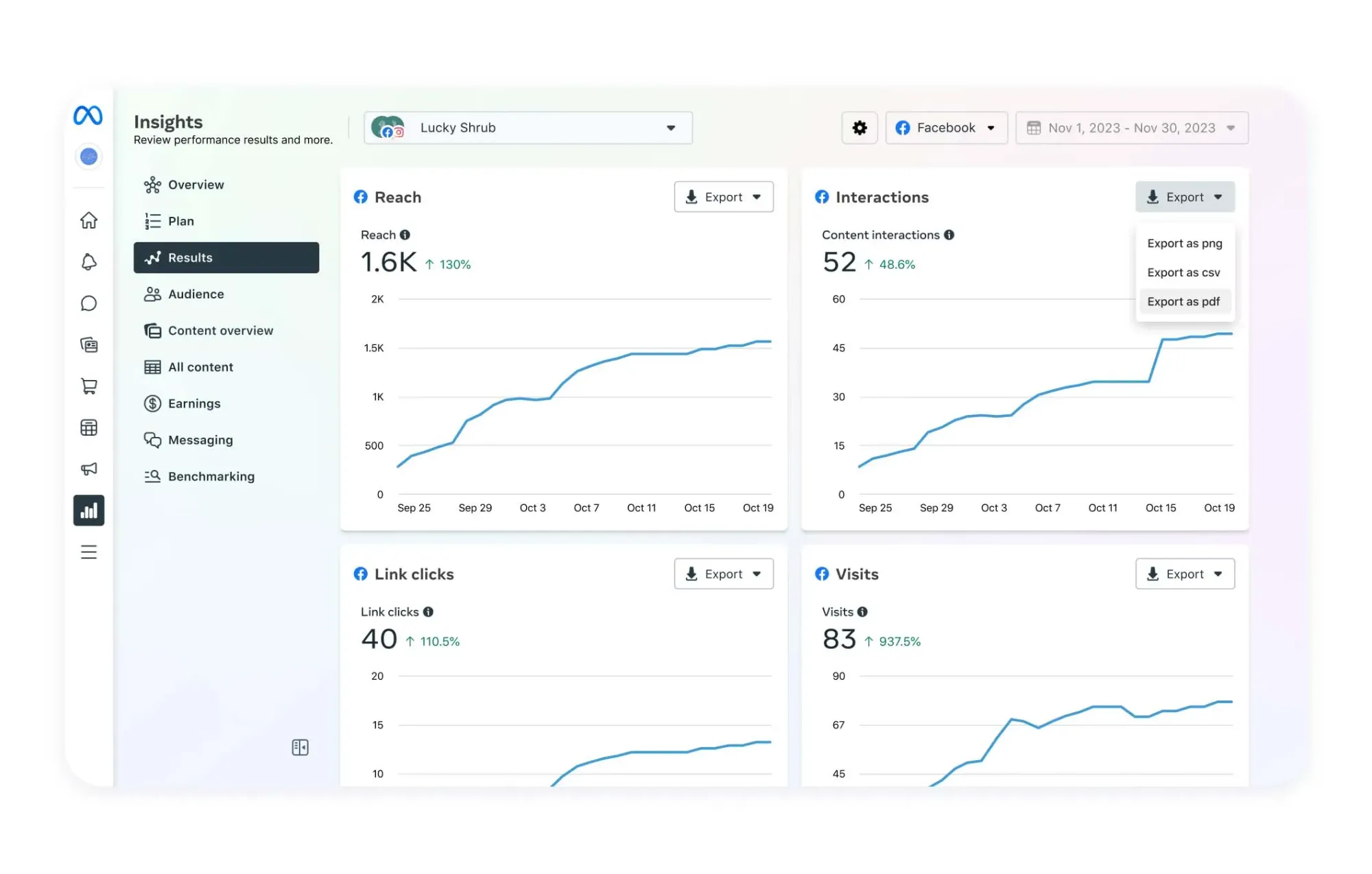
The final pillar of growth is analysis. You cannot improve what you do not measure. Facebook Insights is a powerful, free tool that reveals exactly who your audience is and what they care about.
Key Metrics to Monitor:
- Organic Reach: How many non-followers are seeing your content?
- Engagement Rate: Are people liking, sharing, and commenting?
- Follower Growth Trends: Which posts correlate with a spike in new follows?
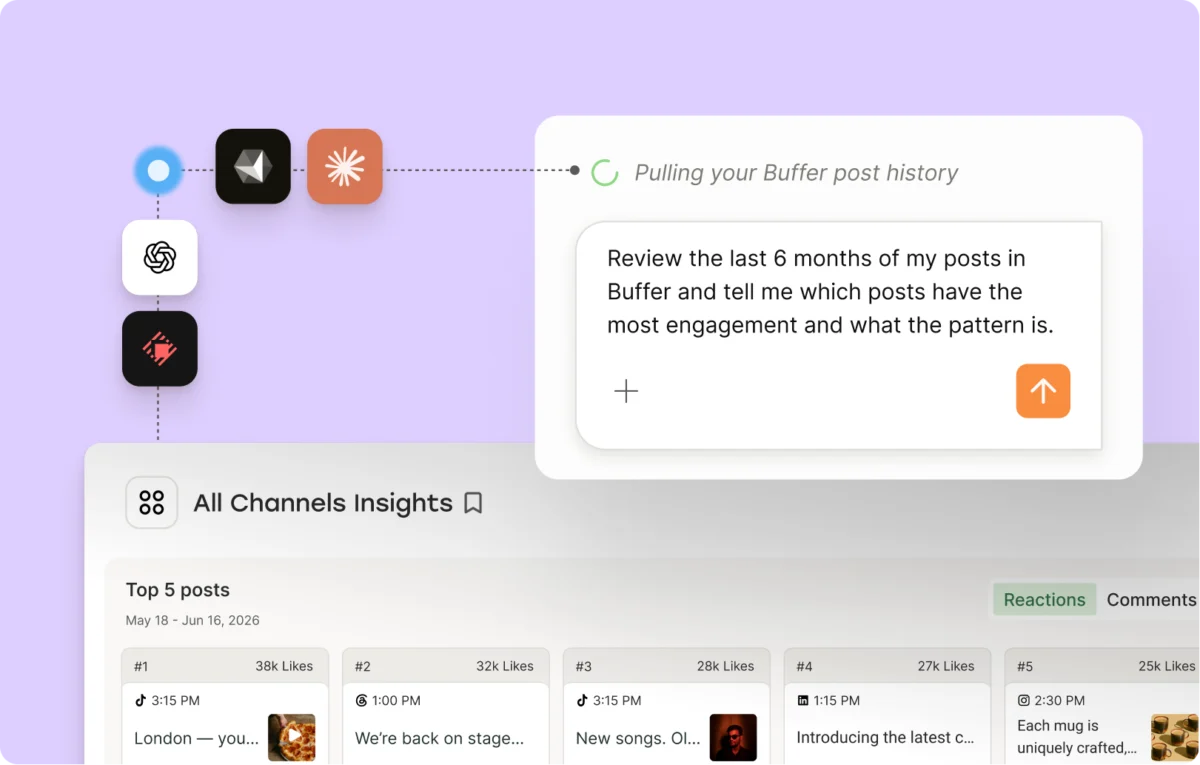
By utilizing tools like Buffer’s analytics, you can aggregate these insights across multiple platforms, identifying the "sweet spot" for your content strategy. If you see that your educational "how-to" videos consistently drive more follows than your promotional sales posts, it is time to pivot your content calendar to favor education.
Navigating the Future: A Long-Term Perspective
Growing your Facebook presence is a marathon, not a sprint. In 2026, the platform is arguably more competitive than ever, but the rewards for those who master its nuances are significant. By aligning your strategy with Facebook’s goal—connecting people with content they find meaningful—you ensure that your brand stays relevant.
Summary of Best Practices:
- Optimize your Page for search and conversion.
- Prioritize video (Reels) for new audience discovery.
- Maintain consistency through scheduling tools.
- Foster community by actively engaging in the comments section.
- Analyze your data monthly to refine your approach.
Remember, every post is an opportunity to build a connection. While the digital landscape shifts, the fundamental human desire for connection and information remains constant. If you remain authentic, provide value, and stay disciplined, your Facebook following will naturally follow.
Frequently Asked Questions (FAQ)
What is the difference between a Profile and a Page?
A personal profile is for individual use, while a Page is a professional space for businesses, creators, and public figures. Only Pages provide advanced analytics, ads management, and a dedicated "Follow" button.
Do I need a large budget to grow?
No. While ads can speed up the process, organic growth is entirely possible through consistent, high-value content, Reels, and active community engagement.
How often should I post?
There is no "one size fits all" frequency. The best frequency is one that you can sustain for the long term. Start with three times a week and increase as your capacity allows.
What is the best time to post?
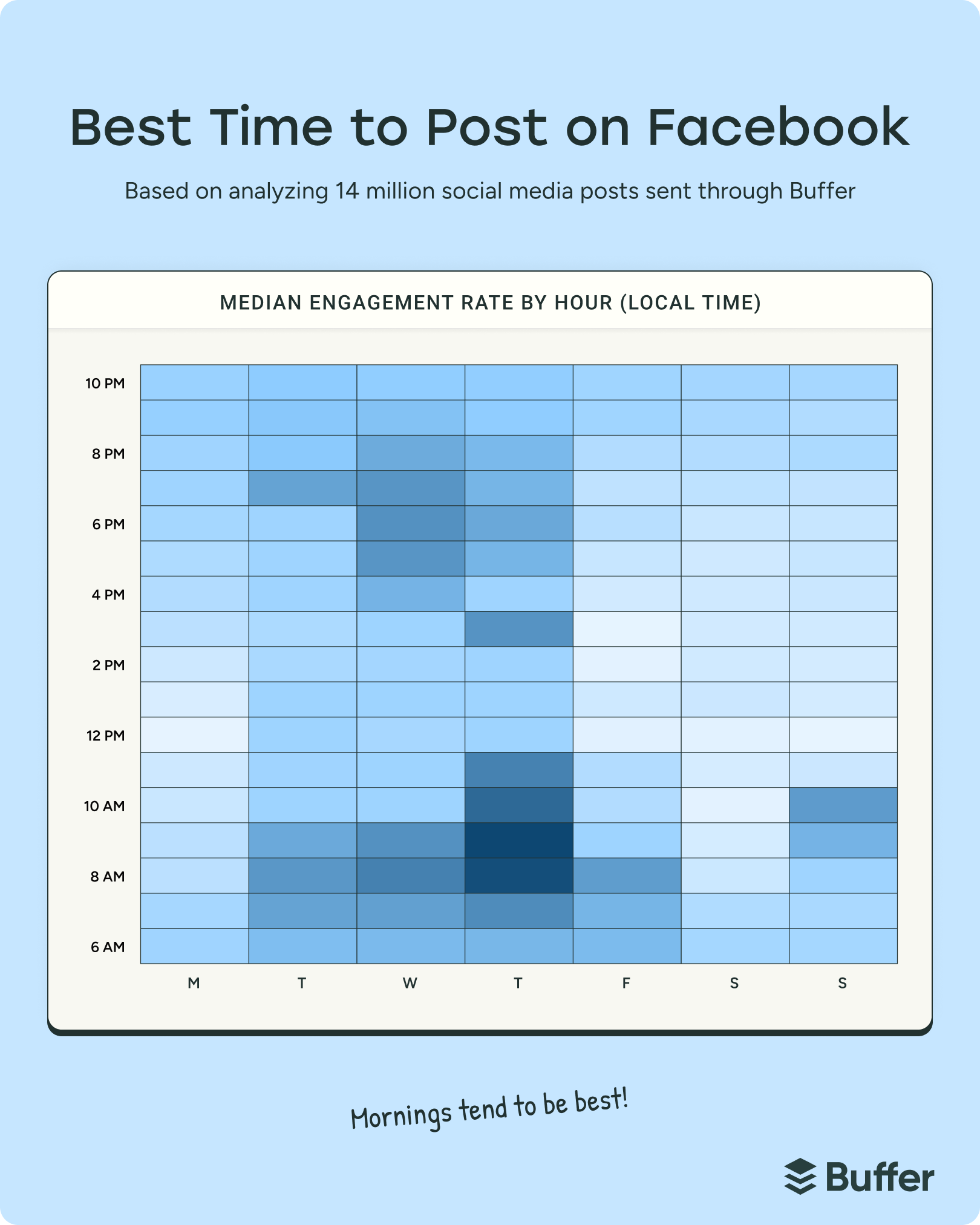
Generally, weekday mornings (especially Thursday at 9 a.m.) show strong engagement. However, use your Facebook Insights to see when your specific audience is most active.

 Nana Wu
 Azzam Bilal Chamdy
 Raul Delapena Setiawan
 Reynand Wu
 Sagoh
Sagoh


 Ali Ikhwan