
 Reynand Wu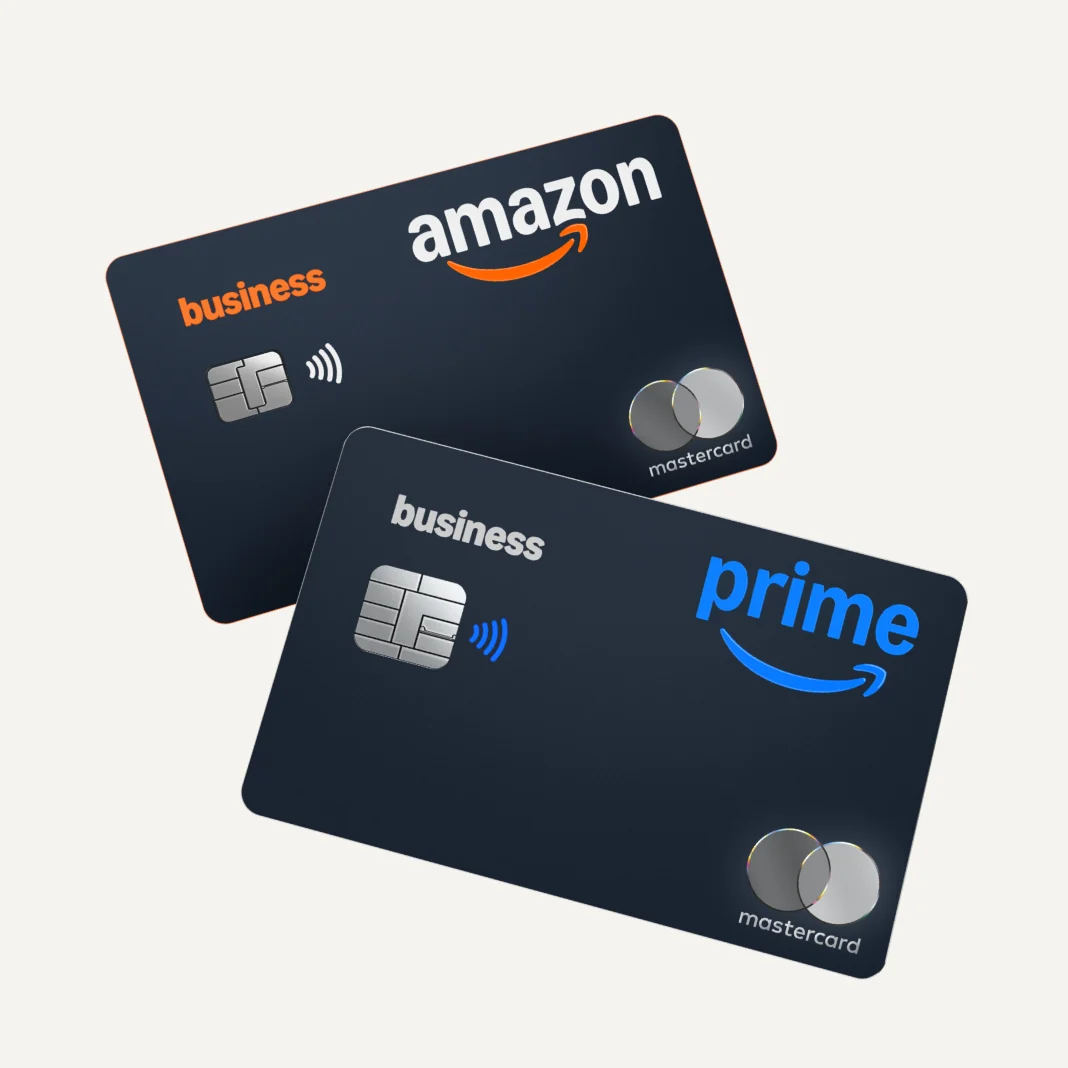
In a significant move that reshapes its financial services ecosystem, Amazon.com Inc. has officially overhauled its business credit card program. As of May 13, 2026, the retail giant has transitioned its new credit card applicants to a partnership with U.S. Bank and Mastercard. This pivot marks the end of a long-standing collaboration with American Express, which had served as the primary issuer for Amazon’s business cards since 2018.
The launch of the new Prime Business Card and the Amazon Business Card is not merely a change of banking providers; it is a fundamental recalibration of how Amazon intends to integrate purchasing, payment processing, and spend management for its massive B2B client base. By leveraging U.S. Bank’s regional strength and Mastercard’s global payment infrastructure, Amazon is positioning its B2B marketplace to become an all-encompassing financial hub for organizations ranging from small startups to Fortune 100 corporations.
Chronology: From American Express to a New Financial Horizon
The relationship between Amazon and American Express was a hallmark of the company’s initial push into the dedicated business-to-business credit market. Launched in 2018, that partnership helped Amazon establish a foothold in the corporate purchasing sector. However, as the demands of the digital economy shifted toward greater flexibility, lower friction, and more sophisticated spend controls, Amazon began evaluating its options.
- 2018: Amazon and American Express launch their co-branded business credit cards, targeting small-to-mid-sized businesses with a focus on rewards and procurement efficiency.
- Early 2026: Reports begin to circulate regarding a potential shift in Amazon’s financial partnerships as the retailer seeks to integrate deeper, AI-driven spend management tools.
- May 13, 2026: Amazon formally announces the launch of its new credit card suite powered by U.S. Bank and Mastercard, effectively closing the door to new American Express applicants.
- August 14, 2026: The scheduled date for existing American Express cardholders to receive their replacement cards from U.S. Bank, ensuring a seamless transition of account data and accumulated rewards.
For the millions of businesses currently utilizing the American Express-issued cards, the transition is designed to be largely invisible. Amazon has confirmed that existing rewards balances will carry over, and current cards will remain functional throughout the transition period.
Supporting Data: The Scale of Amazon Business
To understand why Amazon is investing so heavily in its credit infrastructure, one must look at the staggering scale of the Amazon Business ecosystem. As a dominant force in the digital economy, Amazon holds the No. 1 spot in Digital Commerce 360’s Top 2000 Database, a comprehensive tracking index of North American retailers. Furthermore, it ranks No. 3 in the Global Online Marketplaces Database, reflecting its massive third-party gross merchandise value (GMV).
- Market Reach: Amazon Business now serves more than 8 million organizations globally.
- Client Quality: The platform is utilized by 97 of the Fortune 100 companies.
- Economic Impact: The platform generates more than $35 billion in annualized gross sales, a figure that continues to climb as the company integrates more vertical services like B2B grocery delivery and AI-driven procurement assistance.
This vast network represents a captive audience for financial services. By offering a proprietary card, Amazon is capturing the "flow of funds," gaining valuable data on business spending habits while reducing the transaction fees associated with third-party payment gateways.
Official Responses and Strategic Rationale
The impetus for this shift, according to leadership, was a direct response to customer feedback. Shelley Salomon, vice president of Amazon Business, noted that the company’s business customers were demanding a departure from static rewards programs.
"We heard from our business customers that they wanted more rewards outside of Amazon, more flexibility in how they pay, and more control over how their teams spend," Salomon stated during the announcement. "The new cards were designed to meet those needs through rewards that automatically adapt to each customer’s spending, interest-free installment options, and built-in spend management tools."
The card’s features reflect a "customer-first" philosophy designed to keep businesses within the Amazon orbit:
- Tiered Rewards: The Prime Business Card offers 5% back on eligible U.S. purchases at Amazon Business, Amazon.com, AWS, and Whole Foods (up to $150,000 annually).
- Broadened Utility: Recognizing that businesses spend heavily outside of Amazon, the new cards offer 2% back on the top three eligible spending categories for non-Amazon purchases, providing a competitive edge against traditional business credit cards.
- Travel Integration: Prime Business Card holders receive 5% back on travel booked via the U.S. Bank Travel Center, a direct attempt to capture corporate travel spend.
Implications: The Rise of the "Procurement Ecosystem"
The introduction of these cards is part of a broader "all-in-one" strategy. Amazon is no longer just a retailer; it is building a comprehensive business-procurement operating system. The new credit cards act as the "connective tissue" between Amazon’s procurement tools and the actual financial settlement of those transactions.
1. AI-Driven Procurement
Amazon has simultaneously rolled out an AI-powered assistant for business and procurement teams. This assistant can now handle complex tasks such as tax-exempt purchasing, approval workflows, and spend anomaly monitoring. When combined with the new credit card’s real-time spend management capabilities, businesses can effectively automate their entire procurement lifecycle—from discovery to payment reconciliation.
2. The U.S. Bank Advantage
For U.S. Bank, the deal is a massive victory, granting them access to Amazon’s massive small-business clientele. With over 1.4 million existing small-business clients, U.S. Bank is well-positioned to upsell additional banking services. The partnership is a symbiotic relationship: Amazon gets a sophisticated, agile financial partner, and U.S. Bank gains a dominant position in the high-growth B2B ecommerce payment space.
3. Financial Flexibility
The inclusion of 0% APR installment options (for up to 12 months) on eligible Amazon purchases is a strategic move to help cash-strapped businesses manage large capital expenditures or inventory replenishment without the burden of high-interest rates. While users lose rewards on these specific installment purchases, the liquidity benefit is a significant value proposition for small-to-mid-sized enterprises.
4. Security and Global Reach
By migrating to the Mastercard network, Amazon has significantly bolstered its security posture. The new cards incorporate AI-powered fraud monitoring, tokenization, and comprehensive cybersecurity tools. Furthermore, with acceptance at more than 100 million locations worldwide, the cards provide the global utility necessary for businesses with international operations.
Conclusion: A New Standard for B2B Payments
The transition from American Express to U.S. Bank and Mastercard is a definitive statement about the future of B2B commerce. As Amazon continues to weave artificial intelligence, logistical dominance, and financial services into a single, seamless user experience, it creates a "moat" that is increasingly difficult for competitors to cross.
For the business customer, the benefits are clear: reduced administrative overhead, more granular control over team spending, and rewards that actually align with modern business operations. For the broader retail and banking sectors, this move serves as a warning—the traditional separation between the online marketplace and the corporate credit issuer is vanishing. In its place, Amazon is erecting a digital financial infrastructure that is designed to capture, manage, and facilitate every dollar of business spend, cementing its role as the backbone of modern global commerce.
As the August 14 full-scale rollout approaches, the industry will be watching closely to see how effectively the transition occurs and whether other major B2B marketplaces will attempt to replicate this integrated "finance-as-a-service" model. One thing is certain: the evolution of Amazon Business is far from over.



 Iffa Jayyana
 Raul Delapena Setiawan

 Sagoh
Sagoh
 Azzam Bilal Chamdy
 Ali Ikhwan