Nana
Nana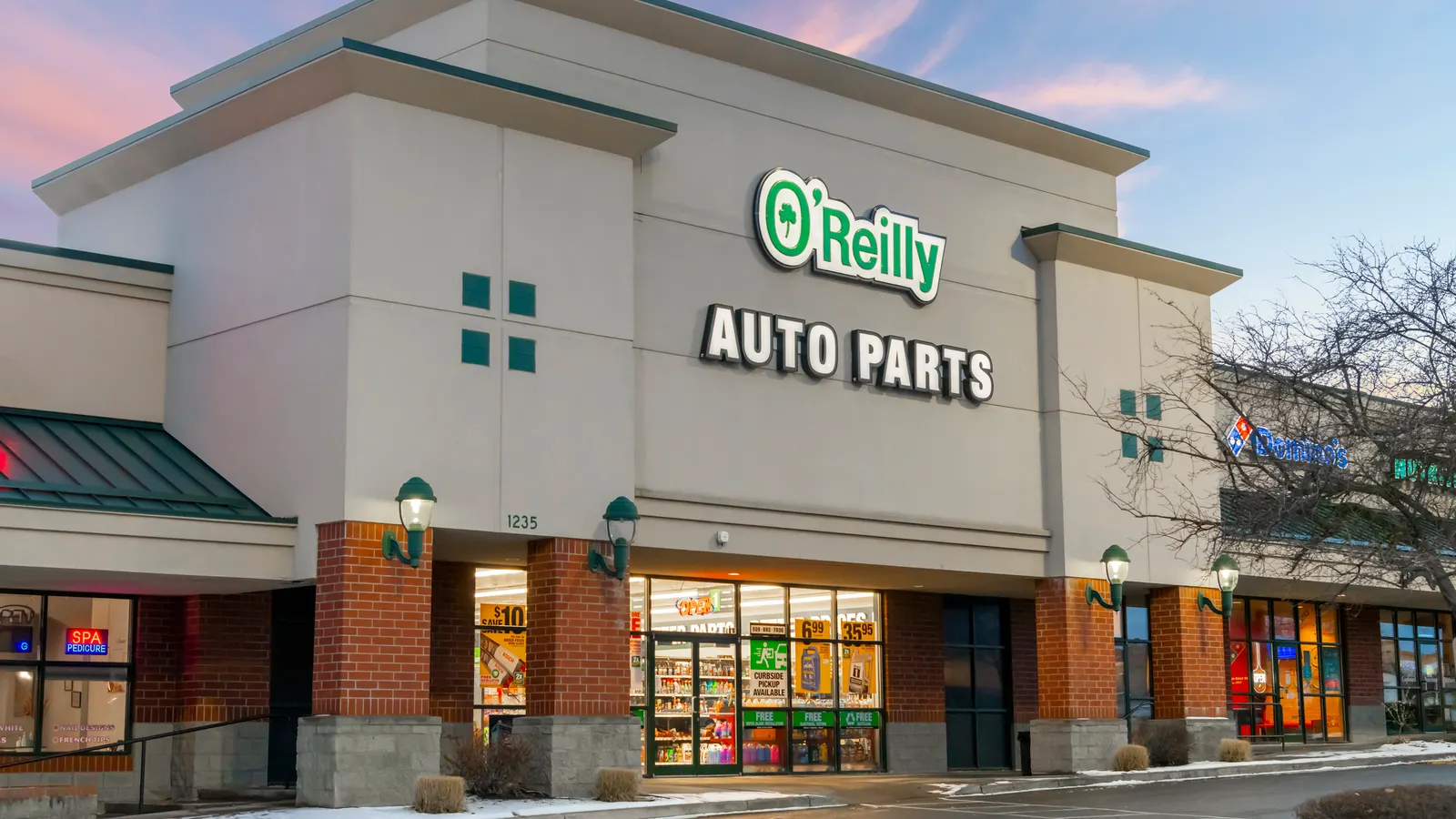
By Kelly Stroh | May 15, 2026
In an era defined by geopolitical instability and shifting trade landscapes, major retailers are increasingly retreating to a foundational strategy to protect their margins and inventory levels: the expansion of private-label portfolios. O’Reilly Auto Parts, a titan in the automotive aftermarket sector, has emerged as a bellwether for this trend. During its recent earnings call on April 30, the company articulated a clear vision for navigating modern supply chain hurdles, emphasizing that its store-branded products are no longer just a budget-friendly alternative for consumers—they are a critical hedge against global disruption.
The Strategic Shift: Prioritizing Control and Sourcing
As supply constraints become a recurring feature of the post-pandemic global economy, O’Reilly Automotive has turned its focus toward its internal brand portfolio. President Brent Kirby highlighted that this strategic pivot is designed to improve sourcing flexibility and deepen product control. By shifting a larger share of its inventory toward store-branded SKUs, O’Reilly is effectively decoupling itself from the potential vulnerabilities of relying solely on third-party branded manufacturers.
The core advantage, according to Kirby, lies in the elasticity of the company’s supply chain. "The great thing about that private brand portfolio is it does give us that sourcing capability that is much broader," Kirby noted. "We can source from multiple suppliers, the same SKU, quality in the box, form, fit and finish." This multi-vendor approach ensures that if one manufacturing partner or regional hub faces a shutdown—whether due to labor strikes, raw material shortages, or logistical bottlenecks—O’Reilly can pivot to an alternative supplier without sacrificing the integrity of the product.
Chronology of a Resilient Strategy
O’Reilly’s current posture is the culmination of years of proactive supply chain management. The transition can be viewed through the following phases:
- 2023-2024: The Foundation of Supplier Health. Recognizing the volatility in the global shipping sector, O’Reilly initiated a comprehensive audit of its supplier base. This involved rigorous assessments of shipping performance, financial stability, and quality control metrics. By vetting their partners, they established a hierarchy of reliability.
- 2025: Buffering Against Trade Policy. As international trade tensions escalated, O’Reilly leveraged its supplier relationships as a shield against potential tariffs. By diversifying its geographic sourcing, the company mitigated the impact of sudden duties on imported goods.
- Early 2026: Navigating Geopolitical Headwinds. In the first quarter of 2026, the company faced immediate concerns regarding the escalation of conflicts in the Middle East. With specific focus on the supply of motor oil, the company’s merchandising teams proactively engaged with global oil suppliers to secure inventory and mitigate pricing volatility before it reached the store shelf.
Supporting Data: The Private Label Boom
O’Reilly is not acting in a vacuum. The retail industry at large is witnessing a massive migration toward private labels, driven by both supply chain necessity and shifting consumer demand.
According to data published by the Private Label Manufacturers Association (PLMA) using Circana statistics, private label product sales in the United States reached record highs in 2025, with sales volume climbing 3.3% compared to 2024. This growth trajectory suggests that the "private label" stigma has evaporated, replaced by a consumer perception that store brands offer equivalent quality at a more stable price point.
This trend is mirrored in other sectors. Costco, for instance, has effectively used its Kirkland Signature brand as a strategic anchor. During the last fiscal year, Costco executives noted that they were leaning heavily into their private label to circumvent tariff-impacted goods, launching over 30 new SKUs to ensure that their members faced minimal price hikes. For O’Reilly, mirroring this agility is not merely a competitive tactic; it is an operational imperative to ensure that the "form, fit, and finish" of a part remains consistent regardless of the geopolitical environment.
Official Responses and Executive Outlook
During the April 30 earnings call, Brent Kirby was candid about the challenges posed by international trade and geopolitics. He described the current environment as one defined by "challenging situations" that have persisted for an "extended period of time."
Despite these external pressures, O’Reilly reported that its performance in the first quarter of 2026 remained steady. Kirby confirmed that the company has not seen any material impact on its operations, nor has it found it necessary to adjust its full-year financial outlook. This resilience is directly attributed to the company’s "merchandise teams," who are actively working in real-time to insulate the business from price shocks in raw materials, particularly in the chemicals and oil sectors.

The retailer’s relationship with its suppliers has evolved into a partnership model. By sharing data and projections, O’Reilly helps its suppliers plan their own production cycles more effectively, creating a "symbiotic security" that protects the entire chain from the "bullwhip effect"—a phenomenon where small fluctuations in demand lead to massive inefficiencies in the supply chain.
Implications: The Future of Retail Supply Chains
The implications of O’Reilly’s strategy are profound for the broader retail landscape. As global trade remains fragmented, the "just-in-time" delivery model of the 2010s is increasingly being replaced by a "just-in-case" philosophy.
1. Diversification as Risk Mitigation
O’Reilly’s success demonstrates that reliance on a single geographic region for manufacturing is a major liability. By maintaining the ability to source a single SKU from multiple suppliers, the company has created a redundant network that can survive localized crises.
2. The Quality Perception Shift
For decades, private labels were viewed as the "economy" choice. Today, as retailers exercise tighter quality control over these products, they are increasingly viewed as "premium-value" offerings. This shift allows retailers to maintain higher margins while keeping prices attractive to the end consumer, creating a virtuous cycle of customer loyalty.
3. Geopolitical Preparedness
The ability to monitor and react to events like the regional conflicts in the Middle East is no longer a task for only the largest multinational corporations. Retailers of all sizes are finding that they must maintain a "geopolitical desk" that monitors how conflicts, port closures, and trade sanctions influence the cost of everything from steel to synthetic motor oil.

4. Sustaining the "Shield"
The strategy of using private labels as a "tariff shield" is likely to become a permanent feature of the automotive aftermarket. As international trade agreements continue to be renegotiated or challenged, the companies that thrive will be those that have the structural flexibility to change their sourcing geography at a moment’s notice without confusing their customer base or lowering the quality of their parts.
Conclusion: A Blueprint for the Future
O’Reilly Auto Parts’ commitment to its private brand portfolio represents a sophisticated evolution of retail management. By treating its own brand not just as a product line, but as a strategic tool for supply chain stability, the company has insulated itself from the volatility that has plagued other sectors.
As we move through 2026 and beyond, the success of this strategy will likely serve as a blueprint for other retailers. The ability to guarantee "form, fit, and finish" while navigating a world of trade barriers and regional instability is the new gold standard in supply chain management. O’Reilly’s results prove that in the modern economy, control over one’s own brand is the ultimate insurance policy against the unpredictable nature of global commerce.

 Sagoh
Sagoh
 Ali Ikhwan
 Raul Delapena Setiawan
 Reynand Wu
 Azzam Bilal Chamdy