
 Lina Irawan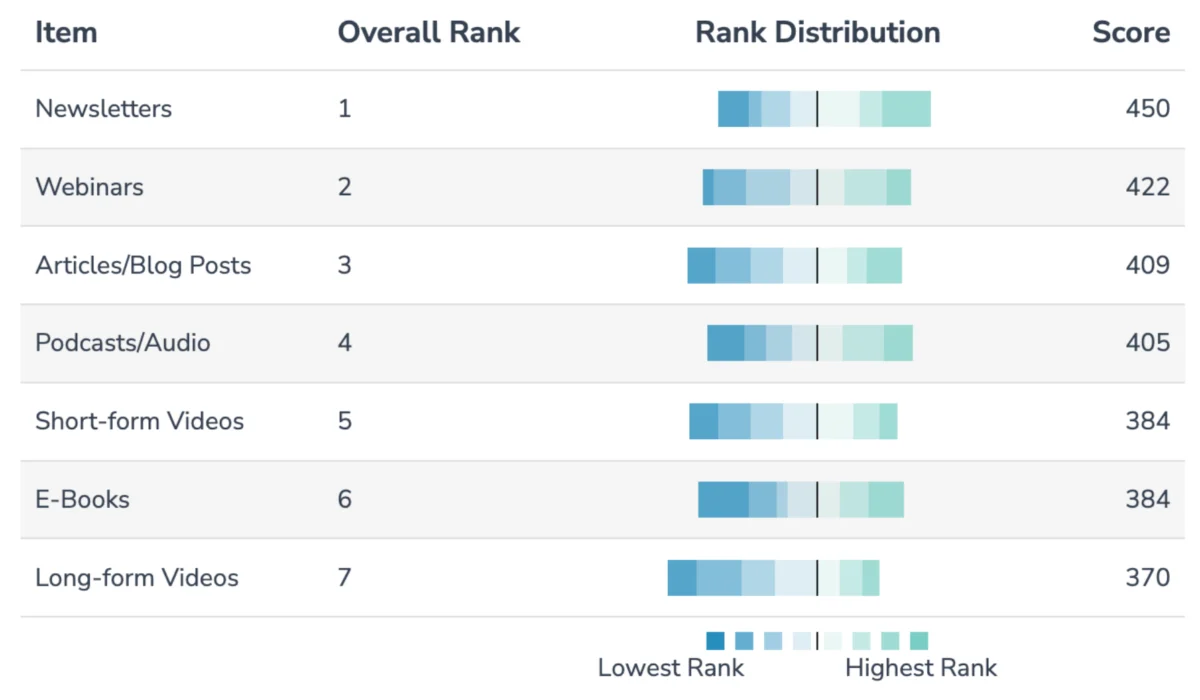
In the modern digital landscape, marketing leaders are not suffering from a lack of information; they are drowning in it. Every day, the average professional is besieged by a relentless deluge of industry reports, AI-generated think pieces, emerging frameworks, and "must-read" case studies. This flood of data has created a paradoxical crisis: while the demand for high-level insight is at an all-time high, the time available to consume it has reached an all-time low.
As Convince & Convert (C&C) discovered through their latest annual audience survey, the solution to this problem isn’t producing more content—it is creating better, more effective filters. This realization has triggered a major strategic pivot for the consultancy, as they transition their long-standing newsletter from the brand "ON" to a new, insight-driven format titled The Trendline.
The Core Problem: The Signal-to-Noise Ratio
For years, the gold standard for corporate newsletters was the "link list"—a curated compilation of blog posts, podcast episodes, and white papers. While this model functioned in the early days of content marketing, it has become increasingly ineffective.
The core issue is a shift in consumer behavior. Marketing leaders no longer want to be sent on a digital scavenger hunt; they want synthesis. They are looking for intellectual partners who can digest the complexity of the current market and present the "so what" upfront.
Data from the C&C survey confirms this shift. When asked to rank their preferred methods for staying informed about marketing trends—weighing options like short-form video, webinars, blogs, and podcasts—respondents consistently ranked newsletters as their primary choice. In fact, newsletters were nearly twice as likely to be ranked first than any other medium. This underscores a crucial, often overlooked reality: in an era of rapid-fire content, the email inbox remains the last bastion of focused, intentional learning.
A Chronology of the Shift: From "ON" to "The Trendline"
The decision to rebrand and restructure was not an overnight impulse but a calculated response to evolving audience needs.
- The Diagnostic Phase: Over the past year, C&C observed that their previous newsletter, "ON," while informative, relied too heavily on a format organized by content medium (e.g., "Latest Podcast," "New Blog Post"). This forced the reader to do the heavy lifting of determining which content was actually relevant to their strategic goals.
- The Strategic Pivot: Recognizing that authority is built through utility, the team at C&C analyzed their internal metrics and audience feedback. They identified that their readers were seeking "debriefs"—concise, expert-led summaries that explain why a development matters, rather than just reporting that it happened.
- The Rebrand: The transition to The Trendline signifies more than just a name change. It marks a shift from being a content distributor to becoming an intelligence hub. By adopting a more topical, insight-heavy structure, C&C is betting that high-quality curation will foster deeper trust and engagement than high-volume promotion.
The Data Behind the Strategy
The internal research conducted by Convince & Convert serves as a blueprint for any organization looking to optimize its communication strategy. The survey results were clear: audiences are experiencing content fatigue.

The "link-out" model—where the email serves merely as a gateway to another site—is losing its efficacy. If a reader has to click three links to understand the core message of a piece, they are significantly more likely to abandon the journey.
This is why The Trendline is designed to provide value within the email itself. The strategy assumes that if you can deliver a "quick win"—a new idea, a provocative question, or a strategic insight—within the inbox, you become a trusted consultant rather than just another sender. The engagement metrics shift from simple open rates to "substantive interaction," such as replies, shares, and participation in polls like the new "Sound Off" feature.
Official Perspective: The Philosophy of "The Trendline"
The team behind The Trendline emphasizes that this evolution is a direct result of listening to the audience’s "pain points."
"Marketing leaders don’t need more content in their inboxes," explains the leadership team at C&C. "None of us do, really. We want to be entertained, inspired, and feel smarter."
The philosophy behind the new format is rooted in three key pillars:
- Strategic Lens: Every story is filtered through the expertise of the C&C team, asking not just what happened, but why it matters to a marketing leader.
- Compact Utility: Content is edited to be consumed in minutes, respecting the reader’s time while maximizing the density of useful information.
- Active Engagement: By incorporating interactive elements like the "Sound Off" poll, the newsletter creates a two-way dialogue, turning the communication from a monologue into a community conversation.
Implications for Modern Email Marketing
The move to The Trendline provides a roadmap for other brands navigating the changing content landscape. The implications for marketing leaders are profound:
1. The Quality Bar is Higher Than Ever
What worked five years ago is essentially invisible today. Brands that rely on automated, low-value newsletters that aggregate links without context will find their unsubscribes climbing. The market is demanding a "curator-in-chief" approach.

2. Value Must Be Delivered Upfront
The "click-through" is no longer the sole metric of success. If you can provide a complete, useful insight in the email body, you build more brand equity than if you force the user to visit your website. Trust is built by saving your audience time, not by stealing it to boost page views.
3. Audience Research is Non-Negotiable
The shift at C&C was driven by specific survey data. Many brands guess what their audience wants, but few ask. The most successful communication strategies are built on a deep understanding of the specific professional challenges their readers face. If you are selling to CMOs, your content must reflect the high-level pressure of their day-to-day existence.
4. Structure Matters
By moving away from a medium-based hierarchy (podcasts vs. blogs) to a topical, insight-based structure, The Trendline ensures that the most important information is presented first. This hierarchy is essential for high-level decision-makers who need to triage their information flow.
The Future of Brand-Owned Media
The shift in strategy at Convince & Convert highlights a broader trend: the return to owned media. In a world of volatile social media algorithms, the newsletter remains the only reliable channel for direct, intimate access to an audience.
However, this access is a privilege that must be earned. By evolving The Trendline to prioritize strategic synthesis over link aggregation, C&C is positioning itself to stay relevant in an increasingly crowded market.
For other marketing leaders, the lesson is clear: Stop acting like a broadcaster and start acting like a filter. As the digital landscape continues to evolve, the brands that win will not be the ones that shout the loudest or publish the most. They will be the ones that help their audience make sense of a chaotic world—one email at a time.
As the industry continues to pivot toward this high-value, curated model, the distinction between "marketing content" and "business intelligence" will continue to blur. Those who can provide that intelligence will find that they have not just subscribers, but a loyal, attentive, and engaged community.


 Ammar Sabilarrohman
 Sagoh
Sagoh
 Raul Delapena Setiawan
 Reynand Wu

 Azzam Bilal Chamdy
 Ali Ikhwan