
 Lina Irawan
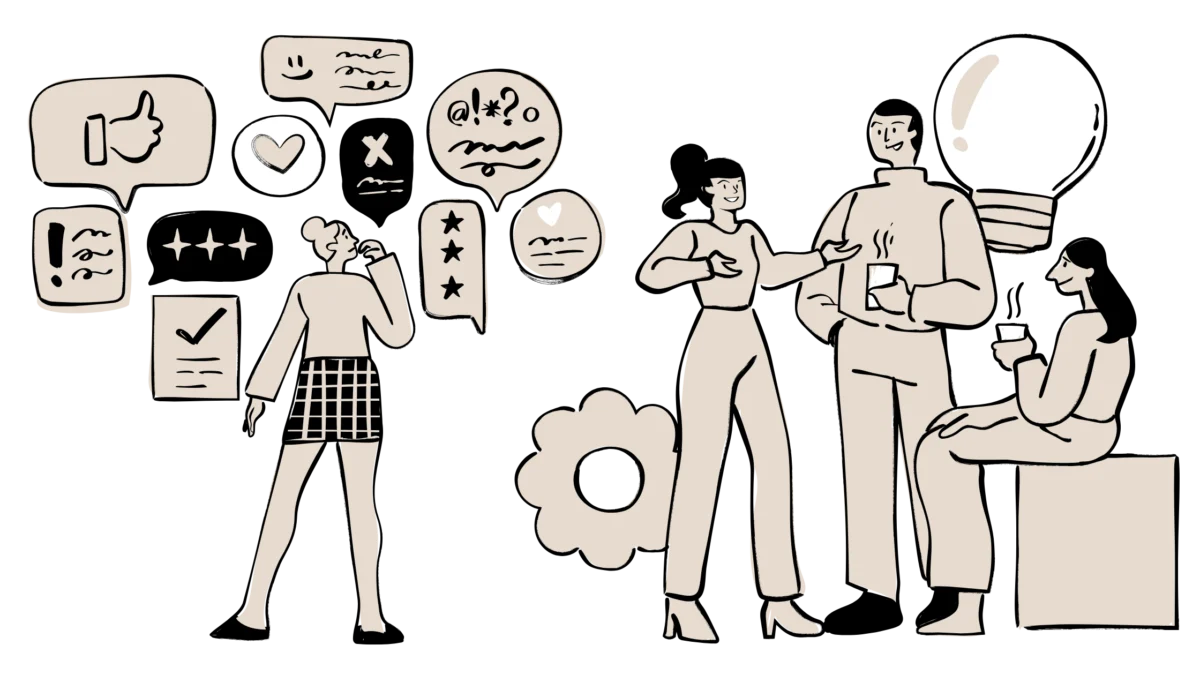
Every legendary email campaign shares a singular, immutable trait: it evokes a profound human response. While many marketers obsess over pixel-perfect layouts, A/B testing CTA button colors, or crafting the perfect subject line, they often overlook the fundamental engine driving digital commerce—the human brain.
To transform your email strategy from a source of inbox clutter into a high-revenue channel, you must move beyond tactical execution and delve into behavioral psychology. Behind every open rate, click-through metric, and conversion lies a human being navigating a series of subconscious micro-decisions. They are constantly asking themselves: Do I trust this brand? Is this relevant to my life? Am I missing out on something vital?
When you align your messaging with these deep-seated psychological triggers, you stop sending "promotions" and start delivering "opportunities."
The Core Principle: Logic Follows Emotion
Before dissecting the specific levers of influence, one must accept a foundational truth in neuromarketing: People do not make decisions based on logic; they make them based on emotion and then justify those decisions with logic afterward.
When a subscriber opens your email, they are not conducting a rational audit of your value proposition. They are reacting to invisible, evolutionary forces. By tapping into these forces, you bypass the defensive barriers consumers raise against traditional advertising.
The Four Pillars of Psychological Conversion
1. Urgency: The Catalyst for Decisive Action
Urgency is the psychological antidote to procrastination. In a world of infinite distraction, the "I’ll look at this later" mentality is the primary killer of conversion rates.
The Mechanics of Urgency
Human beings are wired to prioritize immediate survival and opportunity. When you frame an offer with a clear, authentic deadline—"Ends tonight," "Final hours," or "Last chance"—you trigger a sense of immediacy that forces the brain to shift from passive browsing to active decision-making. The longer a prospect waits, the more room they have to manufacture doubt. Urgency acts as a deadline that shrinks the window for hesitation.
The Authenticity Requirement
There is a dangerous caveat: Artificial urgency is a brand-killer. If your "final sale" runs every single day of the year, your audience will quickly identify the pattern and learn to ignore it. True urgency must be tied to a tangible event—a product launch, a seasonal shift, or a genuine inventory constraint. When the urgency is real, the conversion rates follow.
2. Scarcity: Elevating Perceived Value
If urgency is about time, scarcity is about volume. It is the economic principle of supply and demand applied to human psychology. When something is perceived as limited, exclusive, or difficult to obtain, our brains automatically reclassify it as more valuable.
Why Less is More
Scarcity creates a "fear of missing out" (FOMO) that is inherently more compelling than the desire to possess. When you indicate that a product is in low supply, you aren’t just telling the customer to hurry; you are telling them that they belong to a select group of people who will actually get their hands on the item. This shifts the internal narrative from "Should I buy this?" to "How can I secure this before it’s gone?"

3. Social Proof: The Trust Multiplier
In the digital marketplace, the greatest barrier to conversion is risk. Social proof is the psychological signal that mitigates this risk by providing evidence that others have already walked this path and emerged satisfied.
The Herd Instinct
Evolutionarily, we look to the group to validate our choices. If hundreds of other people have purchased a product and left positive feedback, our brains interpret that as a signal of safety. Integrating user-generated content, real customer reviews, and testimonials into your email flow acts as a powerful shortcut through the sales cycle. A single, authentic photo from a customer often carries more weight than a multi-million-dollar studio campaign because it is perceived as unbiased reality.
4. Personalization: Breaking the Pattern
The average inbox is a graveyard of generic, templated marketing messages. Most brands treat their entire list as a monolith, sending the same copy to every subscriber. This is a fatal mistake in the modern age of hyper-relevance.
The "Why Me?" Factor
True personalization goes beyond simply using a subscriber’s first name in the subject line. It is about answering the implicit question: "Why are you showing me this specific offer right now?" Whether it is based on past purchase history, browsing behavior, or specific segment interests, relevance is the ultimate tool for engagement. When an email feels like it was curated specifically for the recipient, the psychological barrier to interaction drops significantly.
Practical Application: Anatomy of a High-Converting Email
To illustrate these principles, consider an email for a hypothetical high-performance footwear brand, "PadelLab."
- Subject Line: "Your next match just got faster (limited sizes left)"
- The Hook: "Hi FirstName, you’ve been checking out our performance padel shoes lately, so we wanted to give you the heads-up." (Personalization)
- The Value Prop: "Our new Velocity Pro 2.0 is built for players who want maximum grip and a smoother slide."
- Social Proof: "Early customers are already calling them a game-changer: ‘The stability is unreal. I’ve never moved this confidently at the net.’ – Mark R."
- Urgency & Scarcity: "We’re running low on popular sizes after the first 72 hours. We’re giving our subscribers early access for the next 24 hours only."
- The Call to Action: "See the Velocity Pro 2.0 before your size disappears."
By weaving these four elements together, the brand transforms a transactional update into an essential piece of communication that the reader feels compelled to act upon.
Implications for the Modern Founder
The implications for businesses are clear: the future of email marketing lies in behavioral automation. Relying on manual, batch-and-blast emails is an outdated strategy that ignores the complexities of the customer journey.
Founders must look to integrated platforms like Omnisend, which allow for dynamic, behavior-based triggers. By leveraging tools that can automatically insert social proof blocks based on past purchases or personalize content based on browsing history, founders can scale their marketing efforts without sacrificing the "human" touch that drives conversions.
Summary of Strategic Implementation
- Audit your current flow: Identify where you are relying on generic messaging rather than behavior-triggered content.
- Integrate Social Proof: Ensure that every major product launch or sales campaign includes at least one testimonial or user-generated image.
- Define your scarcity: Be honest about inventory levels and deadlines. If an item is limited, tell the customer why.
- Personalize the journey: Use data segments to ensure that customers only receive content that aligns with their historical preferences.
Final Thoughts
The most successful email marketers of the next decade will not be the ones with the largest budgets, but those with the deepest understanding of human behavior. By blending the core pillars of urgency, scarcity, social proof, and personalization with genuine, thoughtful intent, your email marketing can evolve from a noisy promotion into a valuable, anticipated experience for your customers.
When you master the psychology of the inbox, you don’t just increase your conversion rate—you build a brand that people actually want to hear from.

 Suro Senen
 Neng Nana

 Dwi Wanna

 Asep Darmawan
 Iffa Jayyana

 Basiran

 Lina Hope
