
 Ammar Sabilarrohman
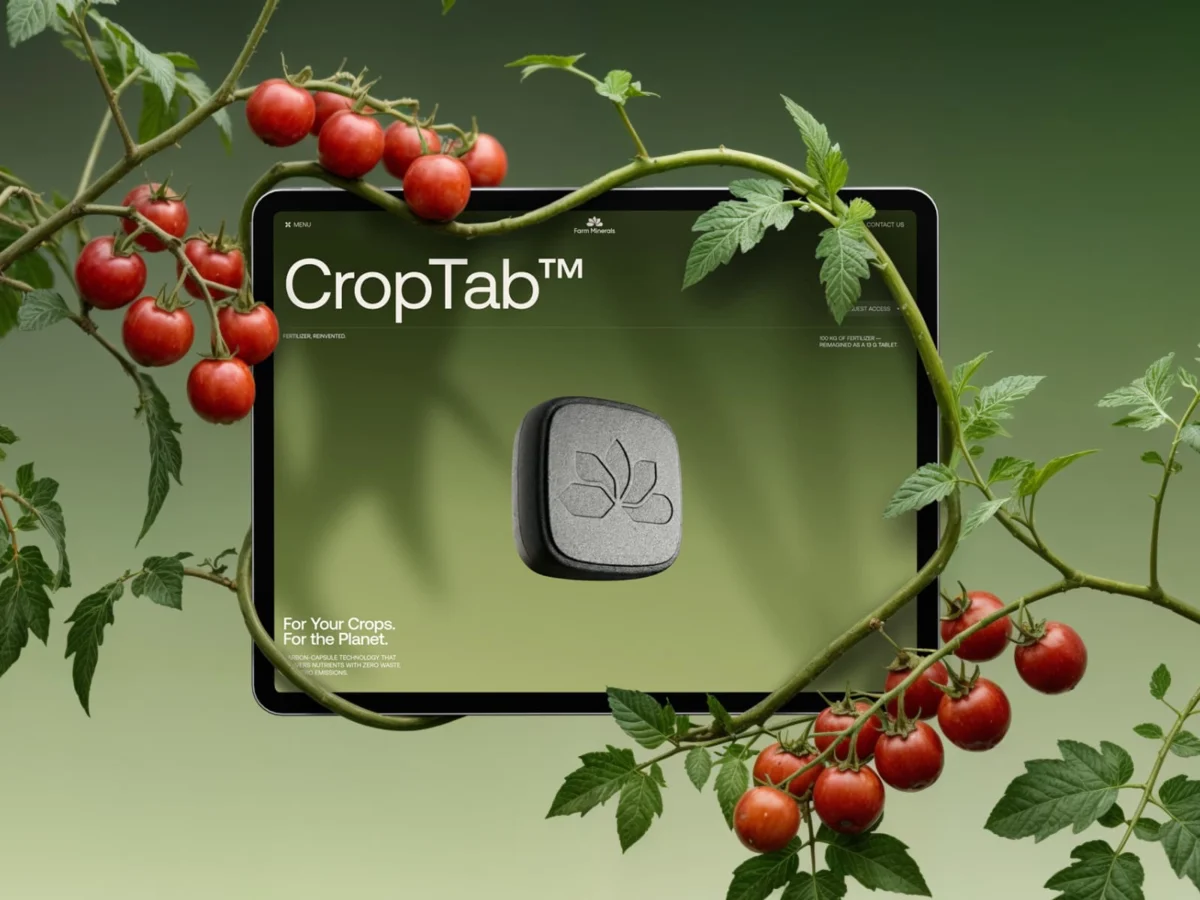
In the rapidly evolving sector of AgriTech, the gap between scientific innovation and field-level adoption is often bridged—or broken—by communication. Farm Minerals, a pioneering company developing emissions-free fertilizers and advanced feed additives, recently found itself at this exact crossroads. Their technology, which introduces nutrients directly into plant cells to maximize efficiency and minimize environmental impact, represented a quantum leap in agricultural science. However, the complexity of the solution threatened to alienate its most critical audience: the farmers, agronomists, and industry partners who prioritize measurable field performance over abstract sustainability claims.
To solve this, Farm Minerals partnered with the digital design studio Adelt. The resulting collaboration produced a website that serves as a case study in how to translate high-stakes scientific breakthroughs into intuitive, trustworthy digital experiences.
The Core Challenge: The Efficiency Gap in Modern Agriculture
Modern agriculture is paradoxically inefficient. Despite the sophisticated machinery and data-driven crop management systems currently in use, the fundamental delivery mechanism for plant nutrition remains deeply flawed. Current industry standards for fertilizer application are marked by staggering levels of waste.
Research indicates that up to 70% of nitrogen applied to fields is lost before it can be absorbed by crops. This nutrient runoff evaporates into the atmosphere, leaches into groundwater, or becomes chemically locked within the soil, rendered inaccessible to the plants it was meant to nourish. For the farmer, this inefficiency creates a vicious cycle: to compensate for the lost 70%, they must apply higher volumes of product, increasing input costs and compounding the environmental footprint of their operations.
Farm Minerals’ technology disrupts this cycle by optimizing nutrient delivery at the cellular level. Yet, the Adelt team identified a critical communication barrier: the "sustainability trap." Many companies in the space rely on vague, abstract narratives about environmental protection that often feel detached from the harsh, bottom-line realities of commercial farming. To succeed, Farm Minerals needed to avoid being perceived as a "futuristic" experiment and instead establish themselves as a practical, high-performance tool for the modern farm.
Chronology: A Progressive Narrative Strategy
The design process at Adelt was not merely about aesthetic appeal; it was an exercise in narrative architecture. Recognizing that a data-heavy technical product could easily overwhelm a user, the team structured the digital experience into four distinct, logical stages: Problem, Explanation, Evidence, and Application.
1. Defining the Problem
The user journey begins by validating the farmer’s daily frustration. Instead of opening with marketing jargon, the site acknowledges the status quo of nutrient loss. By framing the conversation around the inefficiency of current fertilizers, Adelt immediately establishes empathy and shared context with the visitor.
2. Scientific Explanation
Once the problem is established, the site pivots to the solution. Here, the challenge was to explain the proprietary delivery mechanism without relying on dry, overly academic diagrams. Adelt used a balance of motion and clear, concise text to demystify how Farm Minerals’ technology reaches the plant cell, ensuring the user understands the how without getting lost in the why.
3. Presenting the Evidence
In the agricultural sector, "proof" is the primary currency. The third stage of the narrative shifts toward data. By presenting measurable outcomes and field performance metrics, the design team moved the conversation from speculative innovation to demonstrated utility. This transition was crucial for building trust with researchers and agronomists.
4. Real-World Application
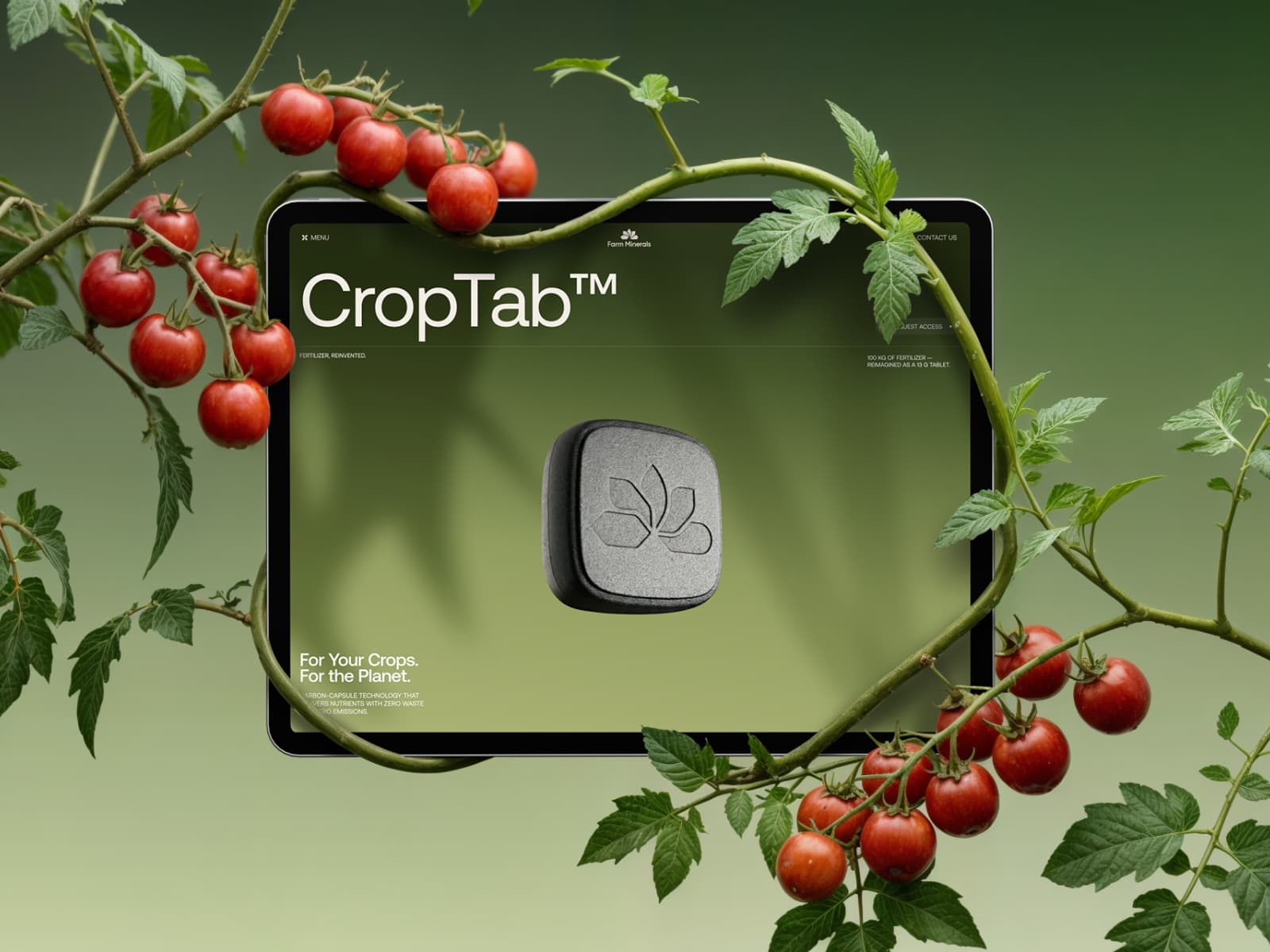
The final stage bridges the gap to the physical world. By showcasing the product—the "CropTab"—in real-world settings, the website reinforces that this is a tangible solution ready for the field, not a concept waiting in a lab.
Supporting Data and Design Philosophy
The success of the platform rests on a deliberate "restraint-first" design philosophy. In an industry where trust is earned through precision, Adelt opted for a visual language defined by generous negative space, a disciplined typography hierarchy, and purposeful motion.
The Power of Product Visualization
One of the most significant design hurdles was the microscopic nature of the technology. To avoid the sterility of scientific diagrams, Adelt centered the visual storytelling on the physical product: the CropTab. By photographing the tablet within the context of actual soil, crops, and agricultural environments, they transformed an abstract scientific process into a tangible, manageable commodity. This "grounding" of the technology was essential for stakeholders who needed to see how the product fits into their existing equipment and workflows.
Technological Implementation
The project relied on a robust technical stack to ensure that the user experience remained as fluid as the brand’s messaging:
- Webflow: Served as the primary development platform, allowing for a scalable CMS that could house complex scientific data while maintaining a bespoke, premium aesthetic.
- GSAP (GreenSock Animation Platform): Used to choreograph subtle, meaningful transitions. Animations were implemented not as distractions, but as narrative guides that help the user process information in chunks.
- Global CDN Delivery: Given the high-fidelity imagery and video assets, Webflow’s hosting architecture ensured that the experience remained lightning-fast, regardless of the user’s location or connectivity strength.
Official Perspective: The "Reality-First" Approach
The philosophy guiding this collaboration is best summarized by the team’s guiding principle: “You can introduce complex science—as long as the story stays grounded in reality and the visuals and animations help translate it.”
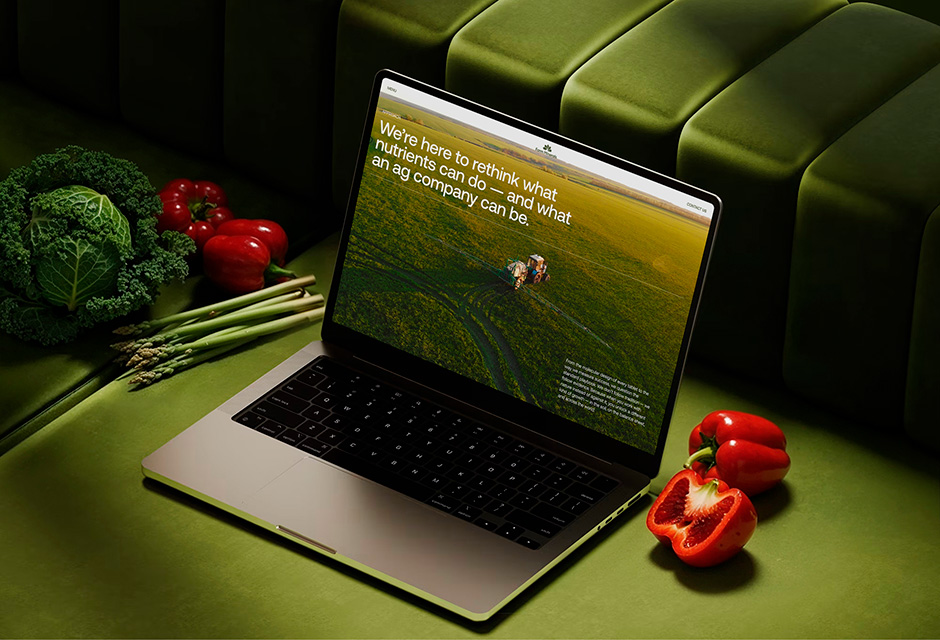
This sentiment reflects a shift in the broader B2B and AgriTech landscape. As companies attempt to solve global challenges like food security and climate change, the ability to communicate technical value becomes a competitive advantage. Adelt’s work for Farm Minerals demonstrates that when design is treated as a strategic tool rather than an afterthought, it can bridge the chasm between complex scientific theory and widespread practical adoption.
Implications for the Future of AgriTech
The implications of this project reach far beyond a single website launch. It sets a new benchmark for how mission-driven companies in conservative, high-stakes industries should engage their digital audiences.
For the agricultural sector, the success of the Farm Minerals platform proves that stakeholders are hungry for innovation, provided that innovation is communicated with transparency and scientific rigor. It challenges other companies to move away from generic "green" messaging and toward performance-based storytelling that respects the intelligence and the operational constraints of the farmers they serve.
Furthermore, it underscores the role of the digital agency as a translator. In the case of Adelt and Farm Minerals, the agency did not just build a website; they acted as a bridge between the laboratory and the field. By stripping away the noise and focusing on a clear, step-by-step narrative, they successfully positioned a complex, science-heavy product as a standard-setting tool for the next generation of agriculture.
As we look toward the future, the integration of digital storytelling into the R&D cycle of AgriTech firms will likely become standard. If a company cannot clearly articulate the "why" and the "how" of their technology, even the most groundbreaking scientific advancement risks failing to reach the people who need it most. Through this project, Adelt has provided a blueprint for that success—a testament to the fact that when technology is explained with clarity, the path to widespread adoption becomes much shorter.


 Rifan Muazin

 Layla Zulfa
 Lina Hope
 Iffa Jayyana

 Basiran
