Sagoh
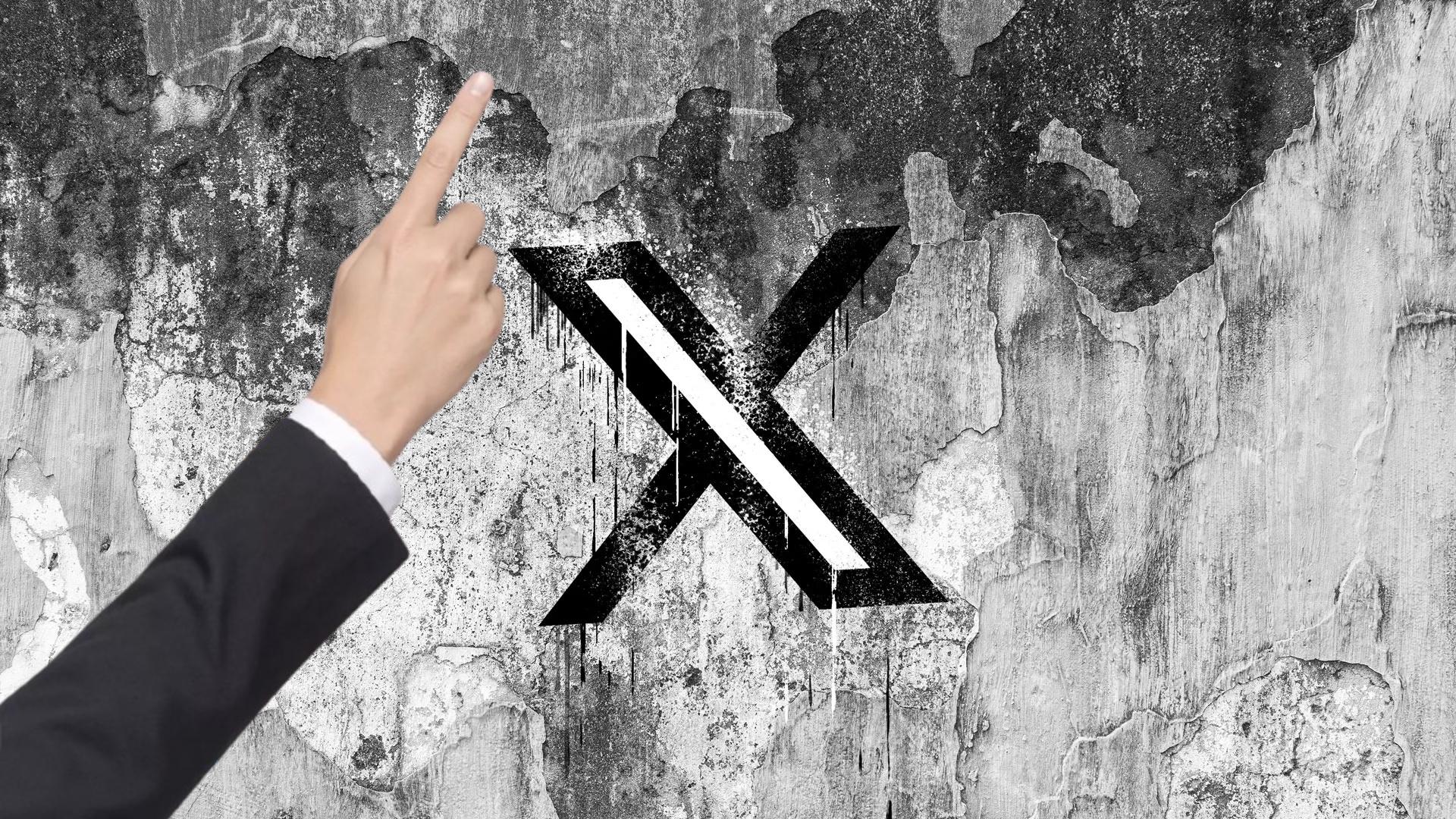
In the ever-evolving landscape of social media, platform developers are constantly seeking new ways to nudge users toward monetization. From subtle color changes on "subscribe" buttons to persistent pop-ups asking for premium verification, these tactics are the bread and butter of modern tech companies. However, X (formerly Twitter) has recently introduced a feature so jarring that users are calling it a "digital jump scare."
As of late October 2026, a mysterious, disembodied hand has begun appearing on users’ screens, physically pointing toward the "Promote" button while they are in the middle of drafting posts. The move, which some have likened to a Halloween prank gone wrong, has sparked a firestorm of criticism across the platform, raising questions about user experience, aggressive growth tactics, and the direction of the company under new leadership.
The Anatomy of an Unwanted Nudge
The experience, as described by numerous users over the last 24 hours, follows a specific pattern. As a user begins to type out a tweet, an animated hand suddenly emerges from the edge of the interface, hovering over or pointing directly at the "Promote" button. This button allows users to pay to boost their content’s reach, effectively turning a standard social post into an advertisement.
For most users, the intrusion is not merely an annoyance; it is a disruptive element that breaks the flow of creation. Unlike the standard, static banners that populate most social media interfaces, this animated, intrusive hand is designed to be impossible to ignore. In a digital environment where users value speed and minimalist interaction, the appearance of a persistent, pointing hand has been met with immediate backlash.
"If I wanted jump scares, I would’ve watched a horror movie instead," wrote user Ershad Kaleebullah in a viral post, noting that the animation appeared conveniently while he was typing the words "engagement farming."
A Chronology of the "Hand"
The phenomenon began to gain widespread traction on October 26, 2026. Within hours of the first reports, the platform was flooded with screenshots and screen recordings of the feature in action.
- October 26, 2026 (Early Morning): Reports of the "pointing hand" begin to surface on X. Users initially express confusion, questioning whether the platform has been compromised by malware or if the feature is a temporary glitch.
- October 26, 2026 (Mid-day): As the frequency of the sightings increases, the realization sets in that this is a deliberate UI choice by X. The tone of the conversation shifts from confusion to annoyance and satire.
- October 26, 2026 (Evening): High-profile users and industry observers begin to weigh in. The consensus among the power-user community is one of frustration, with many labeling the move as "anti-user."
- October 27, 2026: The conversation transitions to speculation regarding the internal culture at X, with many users questioning who authorized such an intrusive design choice during the transition period of new product leadership.
The "Nikita-Coded" Legacy
The timing of this interface update is particularly noteworthy, coming on the heels of significant leadership changes at the company. Dylan Abruscato, president of the TBPN podcast, was among the first to label the tactic as "the most Nikita-coded thing I’ve ever seen."
This is a direct reference to Nikita Bier, the former head of product at X, who became known for his aggressive, high-growth-at-all-costs product philosophy. During his tenure, which lasted nearly a year, Bier was credited with implementing several controversial features designed to boost engagement and monetization numbers, often prioritizing short-term metrics over long-term user satisfaction.
Bier stepped down from his role in August 2026, leaving behind a legacy of "growth-hacking" that continues to influence the platform’s development roadmap. Whether this hand animation was a final project approved before his departure or an attempt by the current team to emulate his high-intensity style remains a subject of intense debate among industry analysts.
New Leadership: Peter Sellis Takes the Helm
The arrival of the pointing hand coincides with the appointment of Peter Sellis as X’s new head of product. Sellis, a seasoned veteran with a background at industry giants like Snap and Discord, announced his arrival on the platform on October 26, 2026.
In his introductory statement, Sellis expressed his commitment to the vision of X’s owner, Elon Musk, specifically citing the mission to "extend human consciousness to the stars." His comment, "it’s time to make shitposting multiplanetary," suggests a continuation of the platform’s current chaotic, high-engagement strategy.
While Sellis has not yet addressed the "pointing hand" controversy, his appointment signals a transition period where the product team is likely eager to demonstrate quick wins in revenue generation. For a new leader, the pressure to prove that the platform’s monetization tools are working is immense, which may explain the deployment of such an aggressive "nudge."
Implications for User Experience and Ad Revenue
From a business perspective, the strategy is transparent: X is attempting to convert free users into paying advertisers by making the "Promote" feature as visible as possible. However, the psychological impact of such a tactic is questionable.
The Risk of Alienation
When a platform moves from subtle, contextual suggestions to intrusive, "in-your-face" animations, it risks damaging the trust it has with its core user base. Users who are already paying for the platform or who provide the content that makes the site valuable may feel treated as targets rather than customers.
The "Scare" Factor
There is also the ironic reality that the tactic might be self-defeating. If a user is "jump-scared" by an animation while attempting to write, their impulse might be to close the app or abandon the post entirely. As noted by critics on the platform, even users who might have considered paying to promote a post are being "scared off" by the aggressive nature of the prompt.
The Balancing Act
Social media platforms exist in a precarious balance between monetization and user experience. While ads and promotional prompts are necessary for revenue, they must exist within a framework that respects the user’s focus. The "pointing hand" crosses a line that many users feel is disrespectful of their time and space.
Official Responses and Future Outlook
As of late October 26, 2026, X has not issued an official statement regarding the purpose or the future of the pointing hand animation. When reached for comment, the company did not immediately provide clarification.
Industry experts suggest that the feature will likely undergo A/B testing to determine its effectiveness. If the data shows that the hand leads to a significant increase in clicks on the "Promote" button, the company may choose to keep it, regardless of the vocal backlash. Conversely, if the negative sentiment leads to a drop in user retention or a decrease in overall time spent on the platform, it is likely to be quietly rolled back.
For now, users of X are left to deal with the unexpected guest in their drafting window. The situation serves as a stark reminder of the power dynamics between platform owners and the user community. In an era where user interface design is increasingly used as a tool for behavioral manipulation, the "pointing hand" stands as a case study in how far companies are willing to go to squeeze revenue out of every interaction.
Whether this is a temporary Halloween-themed stunt or a permanent shift toward more aggressive, invasive interface design remains to be seen. What is clear, however, is that the user base is watching closely, and the honeymoon period for the platform’s new leadership is already being tested by the very people they are trying to monetize.
As the company moves forward under Peter Sellis, the broader question remains: Can X achieve its goal of becoming an "everything app" while simultaneously pushing away the very users it relies on for content? The answer to that question may be found in the next few weeks of user behavior data, and perhaps, in whether or not that disembodied hand finally decides to retreat from the screen.

 Muslim
 Azzam Bilal Chamdy
 Pevita Pearce

 Basiran