
 Muslim
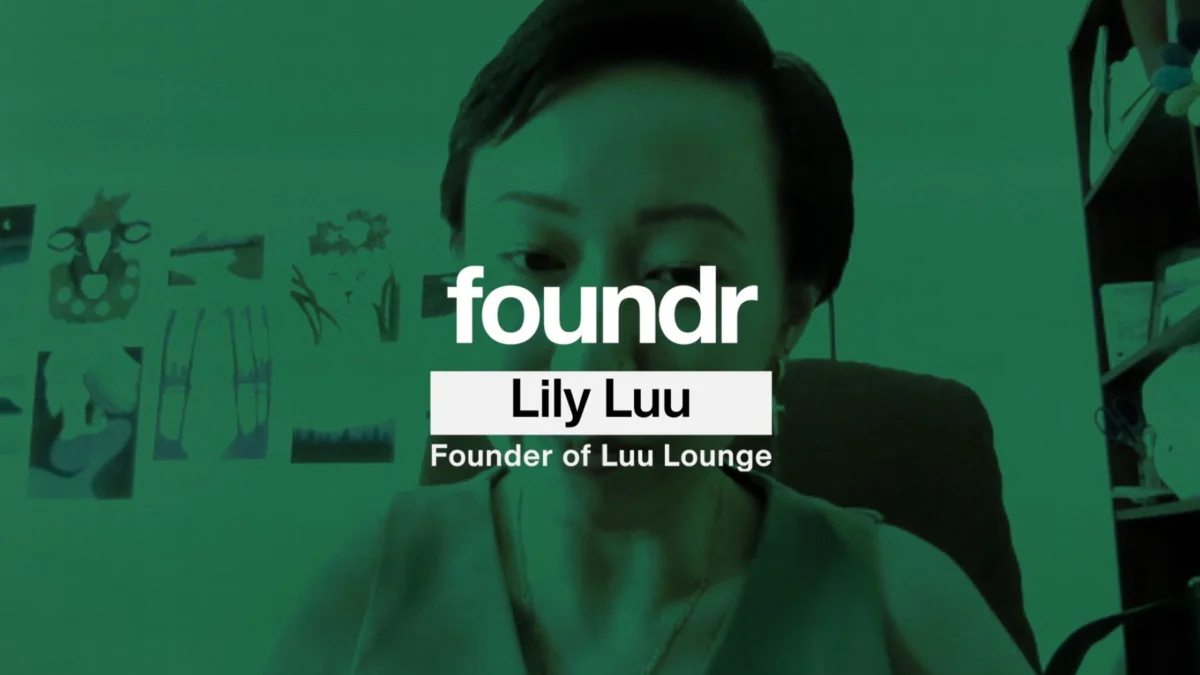
In the modern era of entrepreneurship, the "side hustle" has evolved from a hobby into a sophisticated engine of commerce. For many, the dream of launching a brand is tempered by the reality of a demanding full-time career. Lily, a professional working in the high-pressure world of electric vehicle (EV) infrastructure, recently defied the odds by building a successful custom clothing brand—not through massive capital investment or quitting her day job, but through relentless problem-solving and the strategic use of automated marketing infrastructure.
Her journey serves as a blueprint for the modern "solopreneur": a study in time management, technical agility, and the power of building in public.
The Genesis: Solving a Personal Pain Point
The spark for Lily’s business did not emerge from a boardroom brainstorming session or a trend-chasing focus group. It was born out of the mundane, daily struggle of pet ownership. As a professional juggling a standard Monday-to-Friday schedule in the energy sector, Lily also manages a household with three dogs.
"I have three dogs, and I was always just covered in fur all the time," Lily explains. "I pretty much thought to myself: how could I make clothes where the hair just doesn’t stick—or I could easily wipe it away?"
This simple, persistent frustration became the catalyst for her brand. Unlike many apparel startups that white-label existing products, Lily chose the arduous path of textile innovation. She committed over a year to R&D, working to source and develop a proprietary, pet-hair-resistant fabric. This commitment to quality and functional design would later become the brand’s primary value proposition, differentiating her in a saturated market.
Chronology of a Viral Launch
Building a brand while maintaining a full-time career requires a level of operational discipline that few possess. Lily’s timeline was characterized by a "build in public" philosophy, a strategy that allowed her to cultivate a captive audience before her first product was even finished.
Phase 1: The Research and Development (Year 1)
For twelve months, Lily operated in the shadows of the manufacturing world. The difficulty of finding a manufacturer willing to produce small batches of custom, technical fabric was significant. During this period, she utilized her spare time—evenings and weekends—to vet suppliers, test prototypes, and refine the brand’s aesthetic.
Phase 2: Building in Public
Recognizing the power of social proof, Lily turned to TikTok to document the trials and tribulations of her journey. By sharing the technical challenges of fabric development, she humanized the brand and attracted a community of fellow pet owners who shared her frustration. This transparency transformed her followers from passive observers into a loyal, invested base of potential customers.
Phase 3: The First Drop
When the time finally came to launch, the results were staggering. The anticipation built through her social media presence culminated in a retail event that exceeded expectations. The first drop sold out in mere hours, proving that the demand for functional, stylish, pet-hair-resistant clothing was not just a hunch, but a viable market niche.
The Technical Hurdle: Mastering Email Marketing
As her audience grew, Lily encountered a common bottleneck: the transition from a social media personality to an e-commerce operator. She realized that relying solely on social algorithms for customer communication was risky. She needed a direct line to her audience via email and SMS.
Initially, Lily attempted to navigate the complexities of industry-standard tools like Klaviyo. However, she quickly found that the platform’s learning curve was at odds with her limited time. As a full-time professional, she required a system that offered efficiency, intuitive design, and robust automation.
"I was kind of going in circles with it, and things weren’t looking how I wanted them to look," she recalls. "I felt like I was being punished for growing."
The Shift to Omnisend
The turning point in her operational strategy was the migration to Omnisend. For a founder with a 40-hour-a-week commitment to the EV sector, the transition provided immediate relief. The platform allowed her to build sophisticated, high-converting automations with a "set it and forget it" functionality.
By automating her welcome series, launch announcements, and post-purchase follow-ups, Lily was able to regain control over her schedule. She no longer had to spend her limited free time manually crafting campaigns. Instead, she could focus on the strategic side of her business—product design and customer experience—while the backend systems handled the heavy lifting of customer retention and conversion.
Data and Implications: The Power of Automation
The data behind Lily’s success underscores a vital lesson for entrepreneurs: the value of a segmented, automated list. By the time of her launch, Lily had successfully grown her email list to approximately 3,000 subscribers. This wasn’t just a list of names; it was a targeted group of high-intent individuals who were actively awaiting the launch date.
The Role of SMS and Email Coordination
Lily utilized a dual-channel approach to drive urgency. By coordinating email and SMS blasts, she created a "gated" experience for her early supporters. This approach allowed her to manage inventory more effectively, preventing the server crashes and fulfillment nightmares that often plague high-growth, one-person startups.
Implications for the Modern Founder
Lily’s success has profound implications for the future of work. It demonstrates that:
- Product-Market Fit is King: By identifying a specific, real-world problem (pet hair), she eliminated the need for expensive customer acquisition strategies.
- Tech Stack Selection is Strategic: The choice of tools can either act as a force multiplier or a time-sink. Lily’s transition to a more intuitive platform was a critical business decision, not just a technical one.
- Transparency is a Competitive Advantage: By building in public, she effectively crowdsourced the market research that larger companies pay millions to acquire.
Official Perspective: The "Side-Hustle" Reality
Industry analysts note that Lily’s trajectory is becoming increasingly common among students of modern business curricula. The focus has shifted from "growth at all costs" to "sustainable, automated growth."
"Founders today are operating under a ‘limited time’ constraint," notes a representative from the Foundr community. "The goal is no longer to work harder, but to build systems that work for you. Lily’s use of Omnisend is a textbook example of how the right infrastructure can allow a single individual to compete with much larger, well-funded brands."
Conclusion: A Blueprint for Aspiring Founders
Lily’s story is far from over. As she continues to balance her career in EV infrastructure with the scaling of her clothing brand, the lessons she has learned remain relevant to anyone looking to launch a business.
The combination of a well-defined niche, the courage to build in public, and the utilization of automated marketing tools like Omnisend has created a path for sustainable success. By removing the friction from customer communication, Lily has effectively bought herself the most valuable asset a founder can have: time.
For those inspired by her journey, the barrier to entry has never been lower. With the right tools and a clear vision, the transition from a full-time employee to a brand owner is not just possible—it is increasingly achievable.
For readers looking to replicate this success, building a robust marketing foundation is essential. As an exclusive offer for our community, you can get 50% off your first three months with Omnisend by using the code FOUNDR50 at checkout. Streamline your communications and focus on what you do best: building your business.

 Nila Kartika Wati
 Laily UPN

 Suro Senen
 Azzam Bilal Chamdy

 Asep Darmawan

 Nana Wu

 Nana
