
 Dwi Wanna
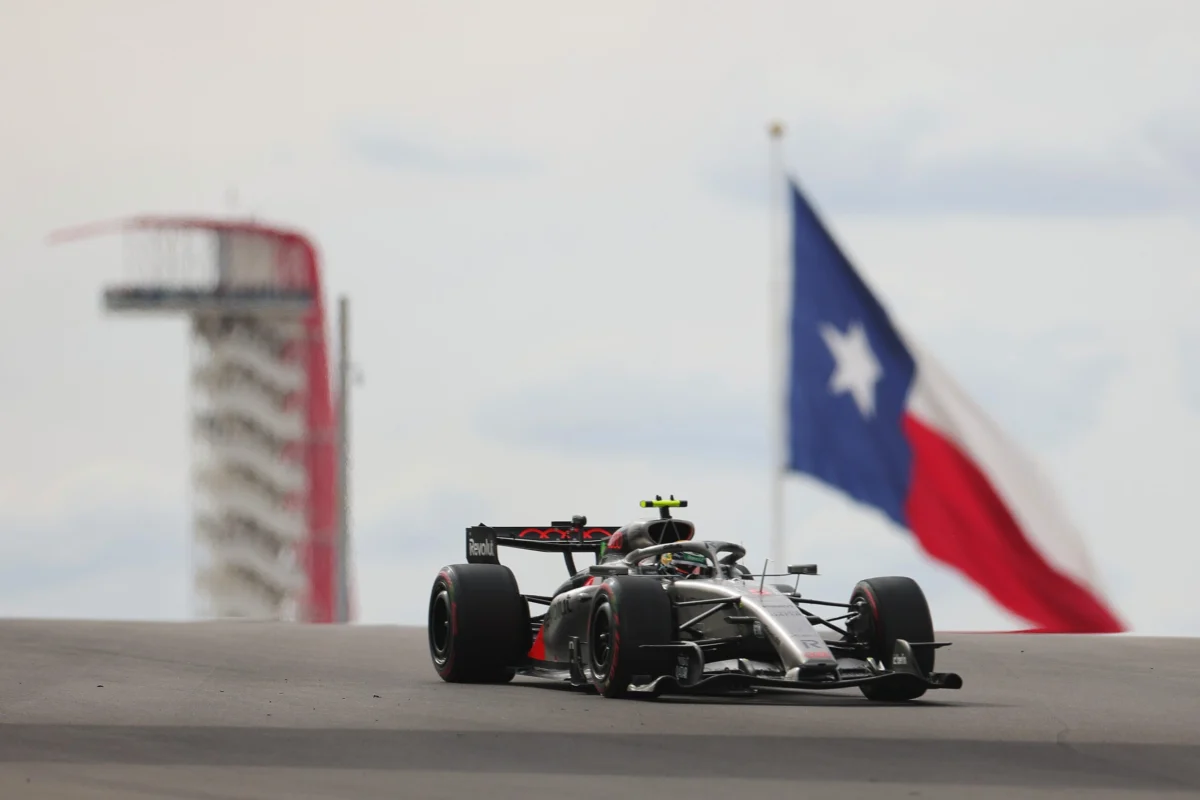
AUSTIN, Texas — As the sun baked the unforgiving asphalt of the Circuit of the Americas (COTA) this past weekend, the Formula 1 circus reminded the world why this track remains the gold standard for American motorsport. In an era dominated by the glitz of Las Vegas and the urban intensity of Miami, Austin stands as a bastion of tradition, a permanent facility designed by motorcycle legend Kevin Schwanz that demands as much from the driver as it does from the engineering team.
For the Audi Formula 1 team, the United States Grand Prix was more than just a race—it was a high-stakes laboratory. In their debut season as an official constructor following the 2024 acquisition of the Sauber outfit, Audi is currently navigating the "valley of death" that all new entrants face: the transition from being a works-supported team to a fully integrated, race-winning powerhouse.
The Evolution of a Modern Classic
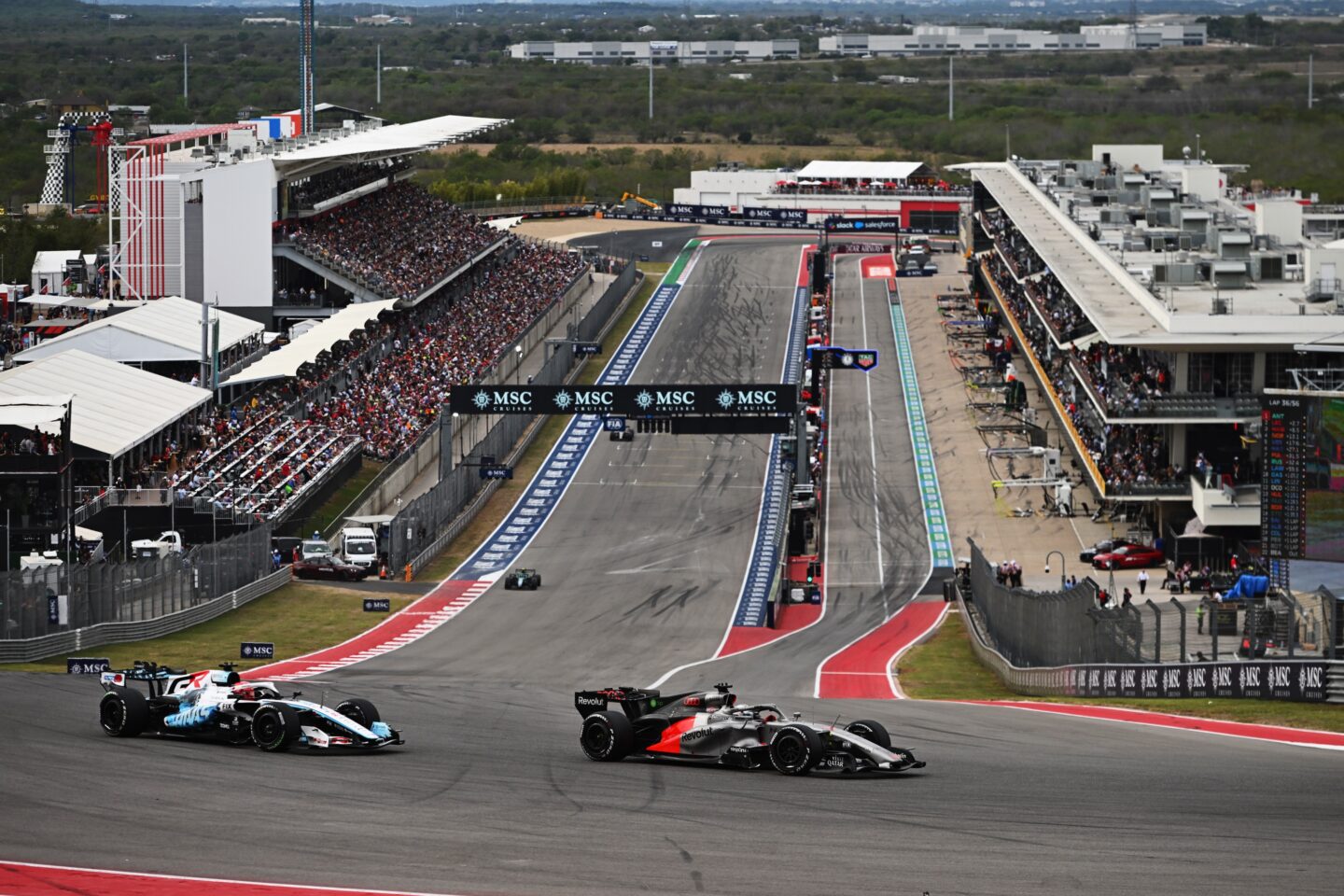
Since the inaugural USGP in 2012, COTA has undergone a metamorphosis. What began as a standalone racing facility on the outskirts of Austin has evolved into a multi-purpose entertainment monolith. Today, the grassy knolls that once offered a raw, natural view of the track are occupied by opulent hospitality structures. A cable car now links the paddock to a luxurious multi-level lounge complete with swimming pools, while the horizon is punctuated by the skeletal steel of rollercoasters.
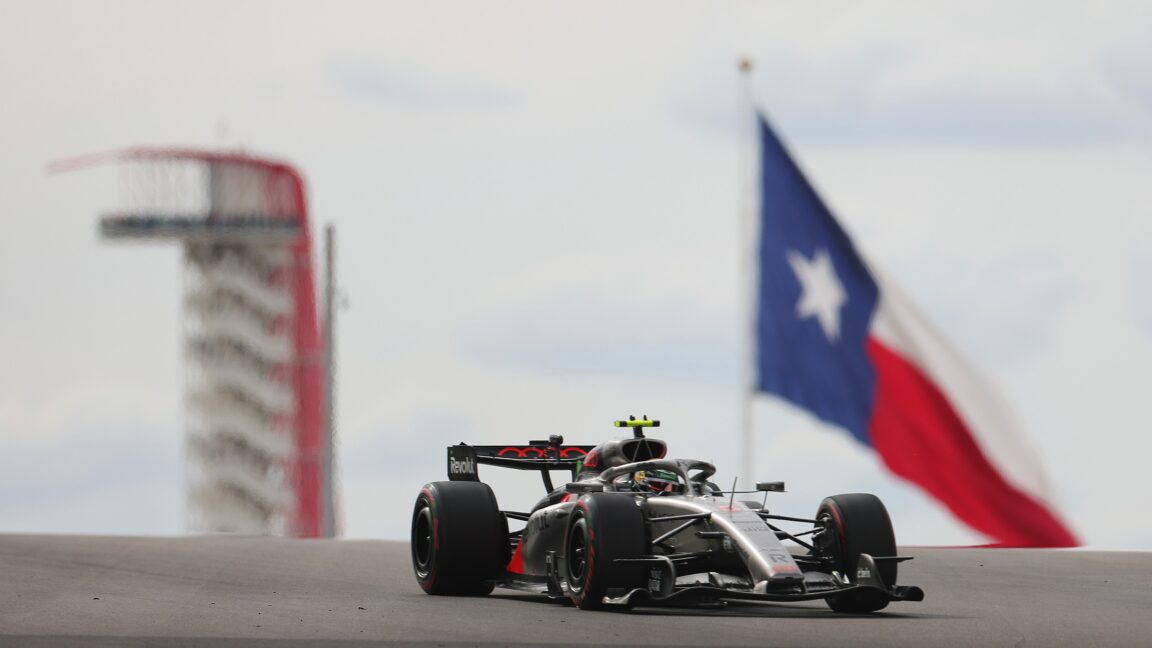
Yet, beneath the veneer of corporate hospitality, the track remains a brutal test of mechanical sympathy. While the layout has remained constant, the surface has not. The natural settling of the earth, coupled with the violent extremes of central Texas weather, has introduced a level of bumpiness that is beginning to rival the legendary, car-breaking concrete of Sebring.
"It’s funny," remarked Allan McNish, the Audi F1 Racing Director and a veteran of the endurance racing wars. "Sebring is bumpy as hell—it hasn’t changed since the 1950s. We used it to test for Le Mans because if a car could survive that beating, it could survive anything. COTA isn’t quite that extreme, but those braking zones are becoming treacherous. It’s like sliding on a carpet—when you jam the brakes on, the surface bunches up. It’s inconsistent, but that’s the sport. It’s the same for everyone; you just have to get on with it."
A Weekend of Technical Calibration
The Audi team arrived in Austin with a clear mission: to validate a new aerodynamic package. Following a preliminary update in Baku, the team utilized the first free practice session on Friday to conduct intensive A/B testing. The goal was to improve performance in both the high-speed "esses" and the technical, lower-speed sections that had plagued the team’s consistency earlier in the year.
"We can’t control the opposition," McNish noted. "What we can control is our roadmap. We are looking toward 2030, not just 2027. We are building the tools and the simulation capabilities to be a top-four team. We know we aren’t there yet, but we are closing the gap."
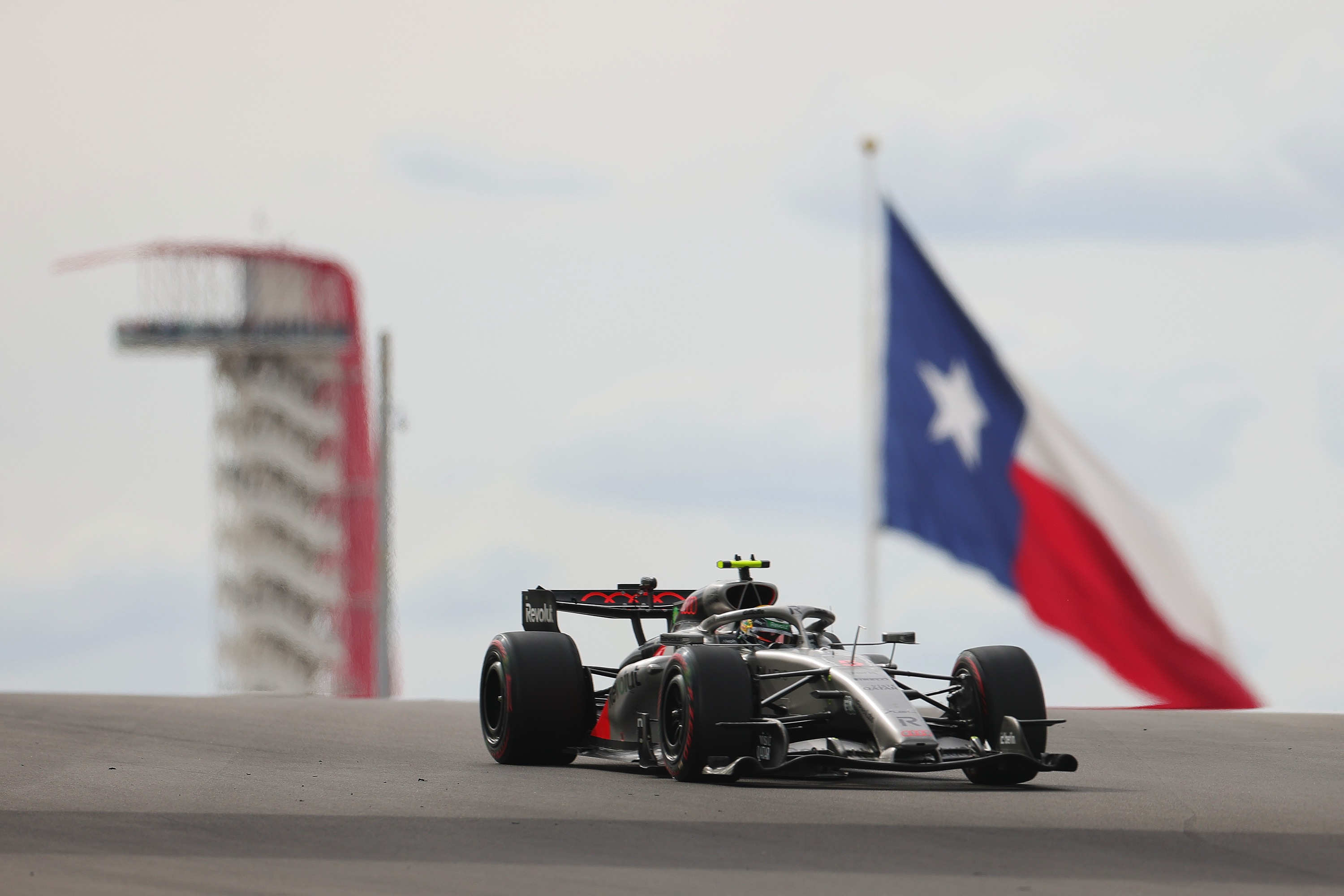
The current Audi R26 chassis shows promise in medium- and high-speed cornering but struggles with straight-line efficiency. This is a deliberate design trade-off, specifically regarding the choice of a larger turbocharger. By prioritizing a robust, reliable power unit in their first year, Audi has sacrificed some top-end speed to avoid the catastrophic failures that have hampered other manufacturers during this engine regulation cycle.
The Myth of the "AI-Driven" Car
One of the most persistent narratives this season has been the supposed reliance on Artificial Intelligence to manage the complex hybrid power units. McNish, however, is quick to temper these reports. The reality, he explains, is far more mechanical and human-centric.
"It’s not AI; it’s adaptive energy management," McNish clarified. "We are working with predetermined profiles in the simulator, but once the race begins, it’s about adaptation. We are managing the internal combustion engine and the electric boost, balancing recuperation against fuel loads and tire degradation. In 2014, when these hybrid regulations were first introduced, it was a ‘brain overload’ for the drivers. Now, we’ve automated the baseline tasks to free up the driver’s bandwidth to actually race."
This shift toward automation is critical. A driver who isn’t distracted by toggling differential settings or energy harvest profiles is a driver who can focus on race craft. However, the lack of historical data for the Audi team—having inherited a car that previously utilized Ferrari power units—means every circuit is essentially a "first date" for the engineers. They are building their knowledge base from scratch, race by race.
Chronology of a Challenging Weekend
The race weekend in Austin proved that the gap between progress and frustration is razor-thin.
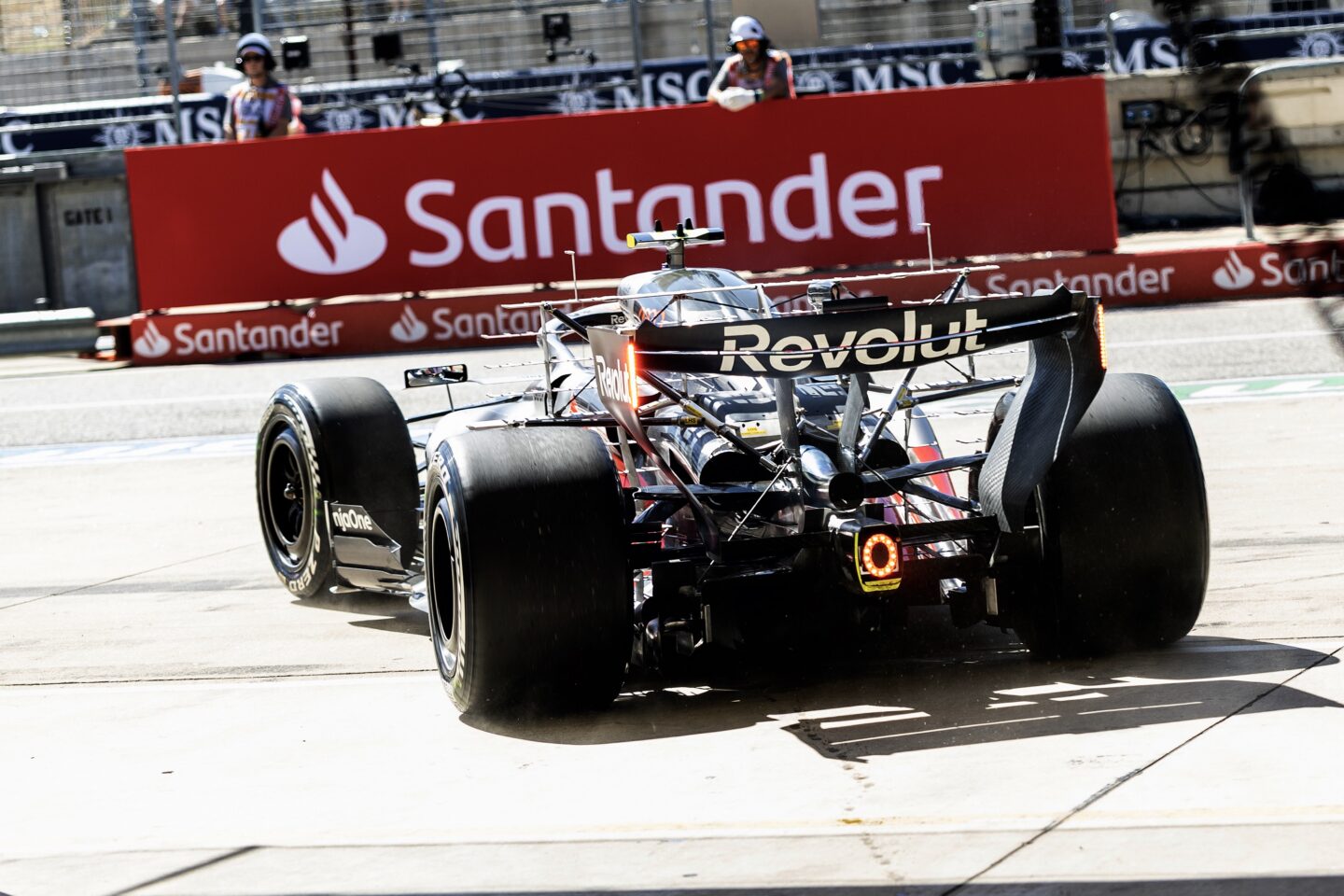
Friday: The team focused on gathering aerodynamic data. The cars were heavily instrumented, with the engineering team analyzing telemetry and even real-time photography from trackside media to ensure the new floor and wing updates were producing the expected downforce.
Saturday: The competitive reality set in. Rookie driver Gabriel Bortoleto faced a significant setback, hit with a 20-place grid penalty due to power unit component changes. This effectively relegated the team to a damage-limitation strategy before qualifying even began.
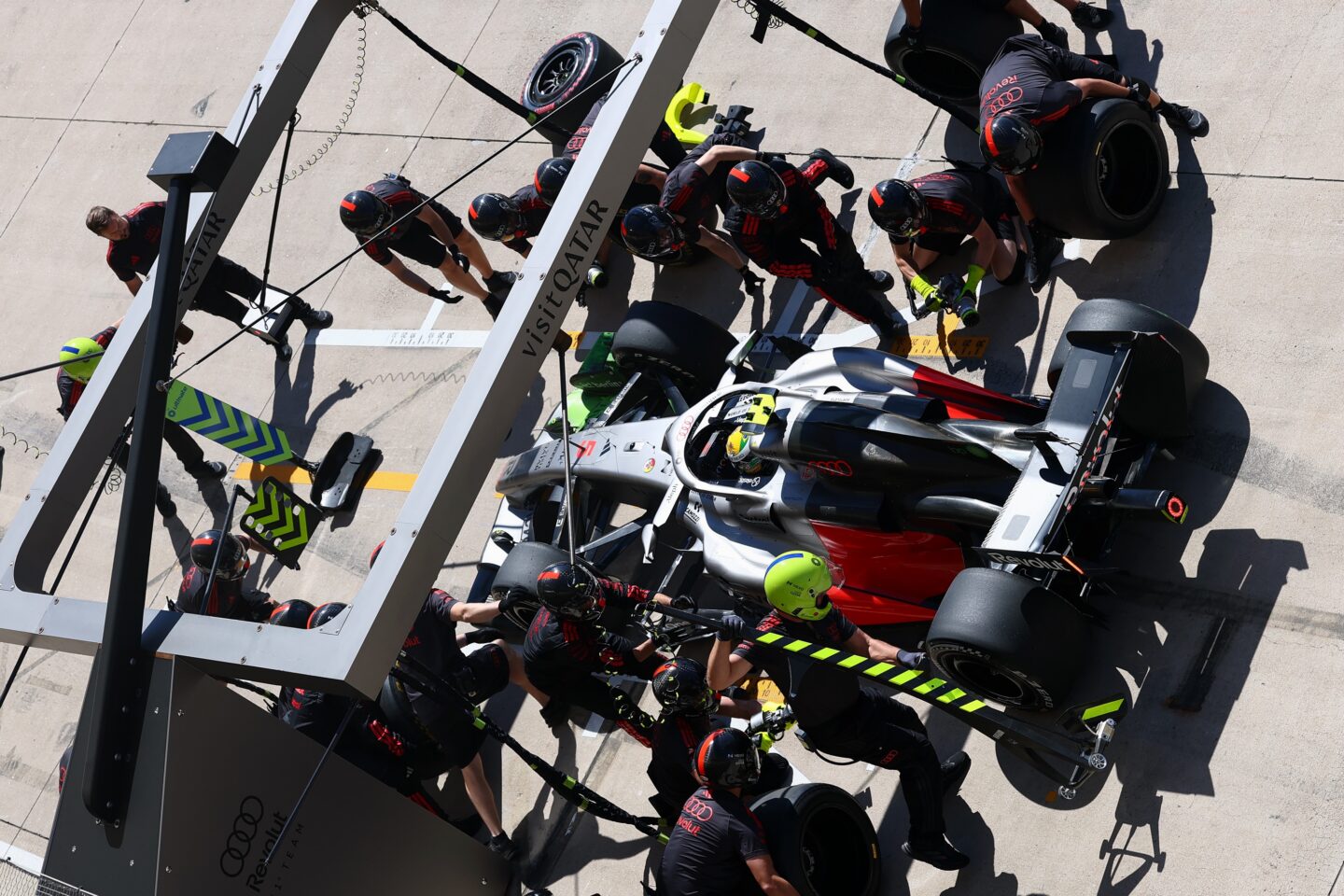
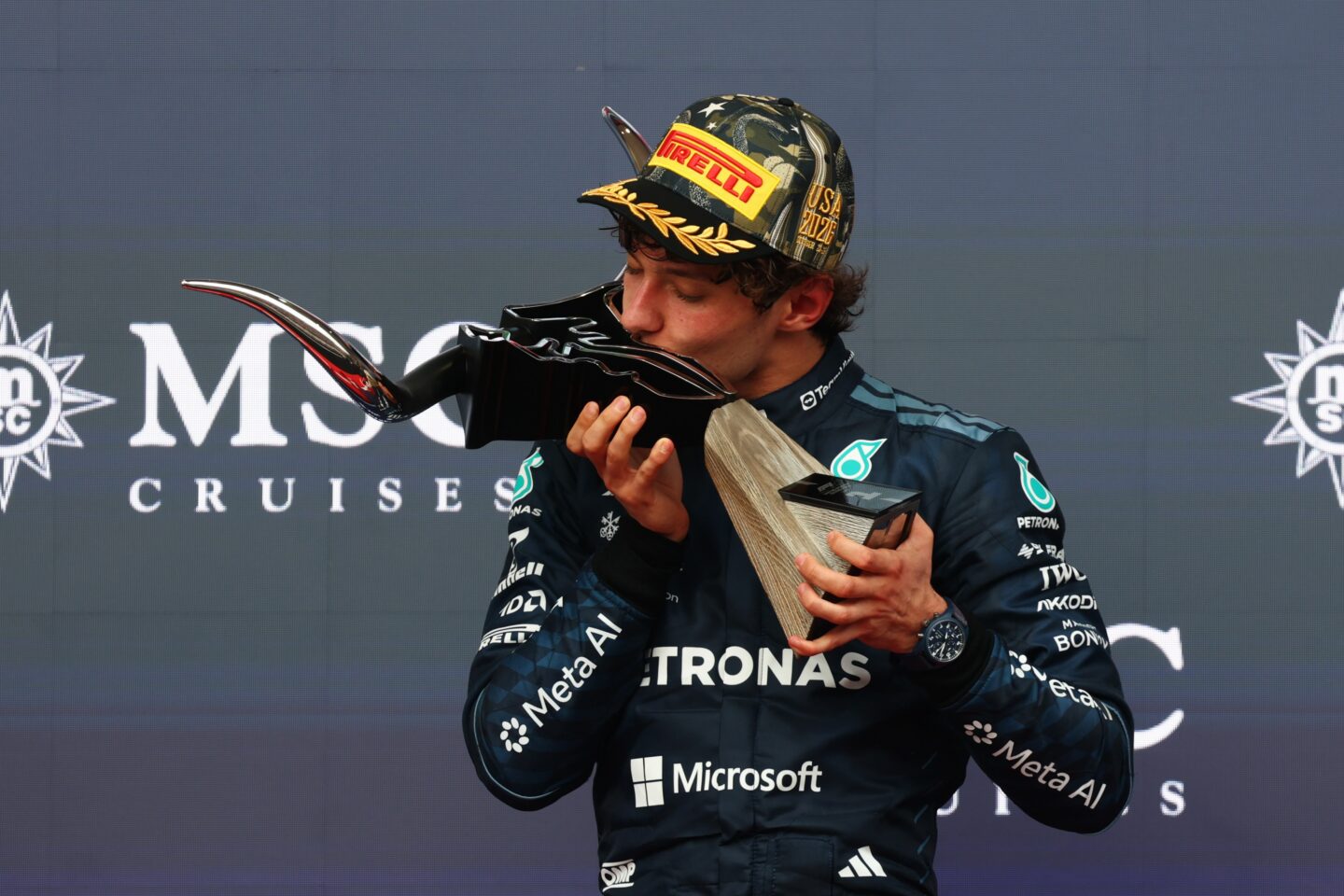
Sunday: The race saw a dominant performance by Andrea Kimi Antonelli, who extended his championship lead and looks poised to become the youngest champion in the sport’s history. For Audi, the race was a story of recovery. Nico Hulkenberg’s race was compromised at the start when the anti-stall system triggered, dropping him to 15th. Despite the setback, he clawed his way back to 11th. Bortoleto, starting from the back, drove a clinical, calculated race to finish 13th.
The Human Factor: Racing from the Pit Wall
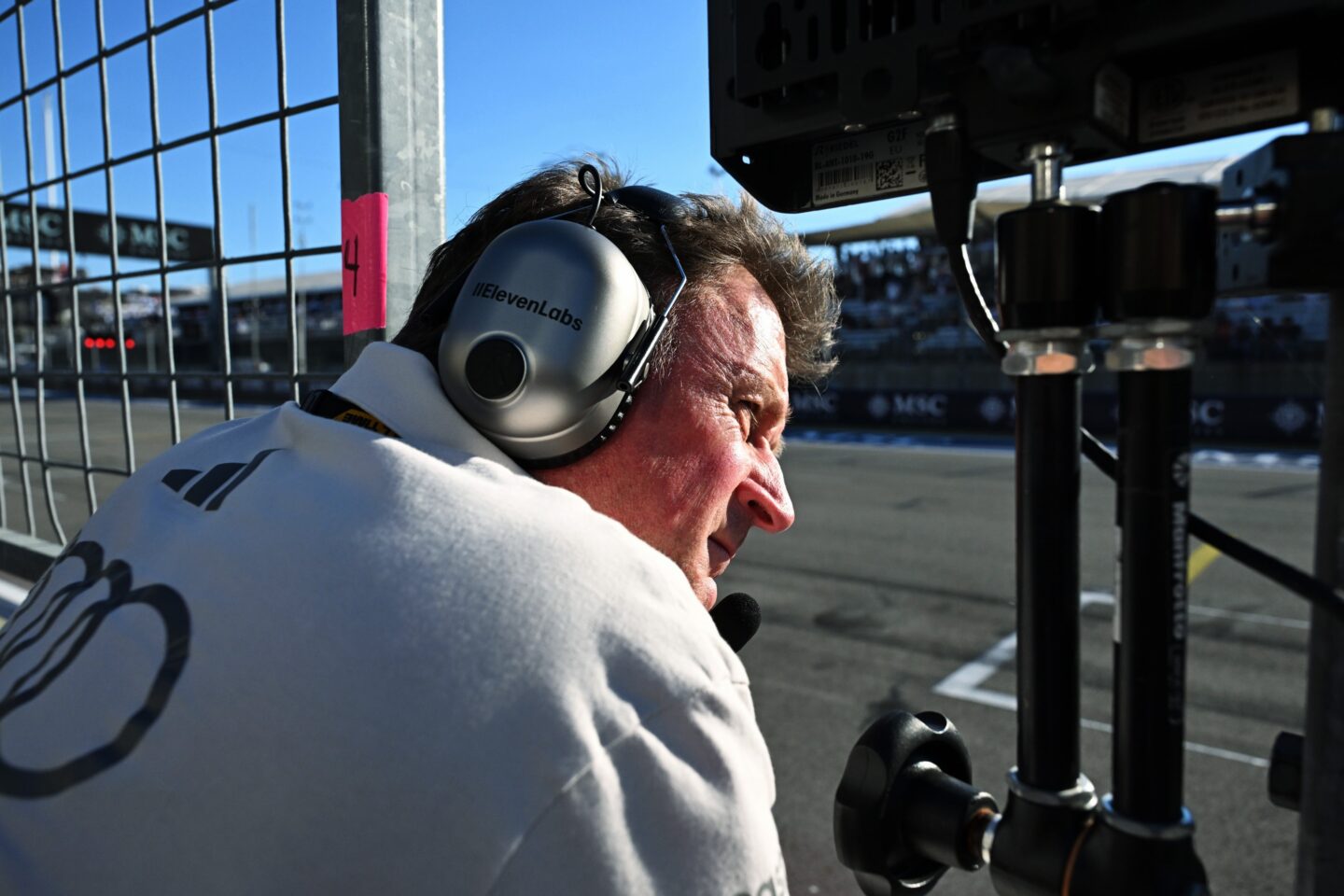
Perhaps the most telling aspect of Audi’s current strategy is the presence of McNish on the pit wall. As a three-time Le Mans winner and former F1 driver, he offers a unique perspective that translates "telemetry speak" into "cockpit reality."
"I live inside the cockpit with them," McNish explained. "I can see when the car is dancing around, and I understand what the driver needs. My style is to live it from the cockpit. When they are struggling with a downshift or the car is moving around on the bumps, I don’t just see the data; I feel it. That allows us to give them the right support."
Implications for the Road Ahead
The United States Grand Prix served as a microcosm of Audi’s broader ambitions. They are not looking for a "quick fix" or a lucky podium. They are methodically building an infrastructure capable of sustained success.
The immediate implication for the team is the need for points. After losing out on crucial championship points in the final laps of the previous two races, the team is under pressure to turn their improving performance into tangible results. With the race in Mexico City on the horizon, the team is already refining their approach to altitude and cooling, variables that will test their simulation accuracy once again.
While the championship is effectively decided in favor of the front-runners, the battle for the midfield remains ferocious. Audi’s performance in Austin—despite the grid penalties and start-line mishaps—showed a car that is capable of racing with the established names.
"We came away without points, but the performance was there," McNish concluded. "We’ve had a car in the points during sprints and in qualifying recently. We are hurting because we aren’t quite there yet, but we are back on the attack in Mexico. We are building for the long term."
For a brand that has conquered the World Endurance Championship, the DTM, and the Dakar Rally, the challenge of Formula 1 is the final frontier. If the grit shown at the Circuit of the Americas is any indication, Audi’s tenure in the sport will be defined not by how they started, but by how relentlessly they pursue the checkered flag. As the sun sets on Austin, the team heads south with a clearer understanding of their car, a sharper focus on their roadmap, and the sobering knowledge that in F1, the only way to gain an advantage is to keep moving forward.


 Azzam Bilal Chamdy
 Asep Darmawan

 Suro Senen
 Nana Wu

 Nana

 Muslim
