
 Nana Muazin
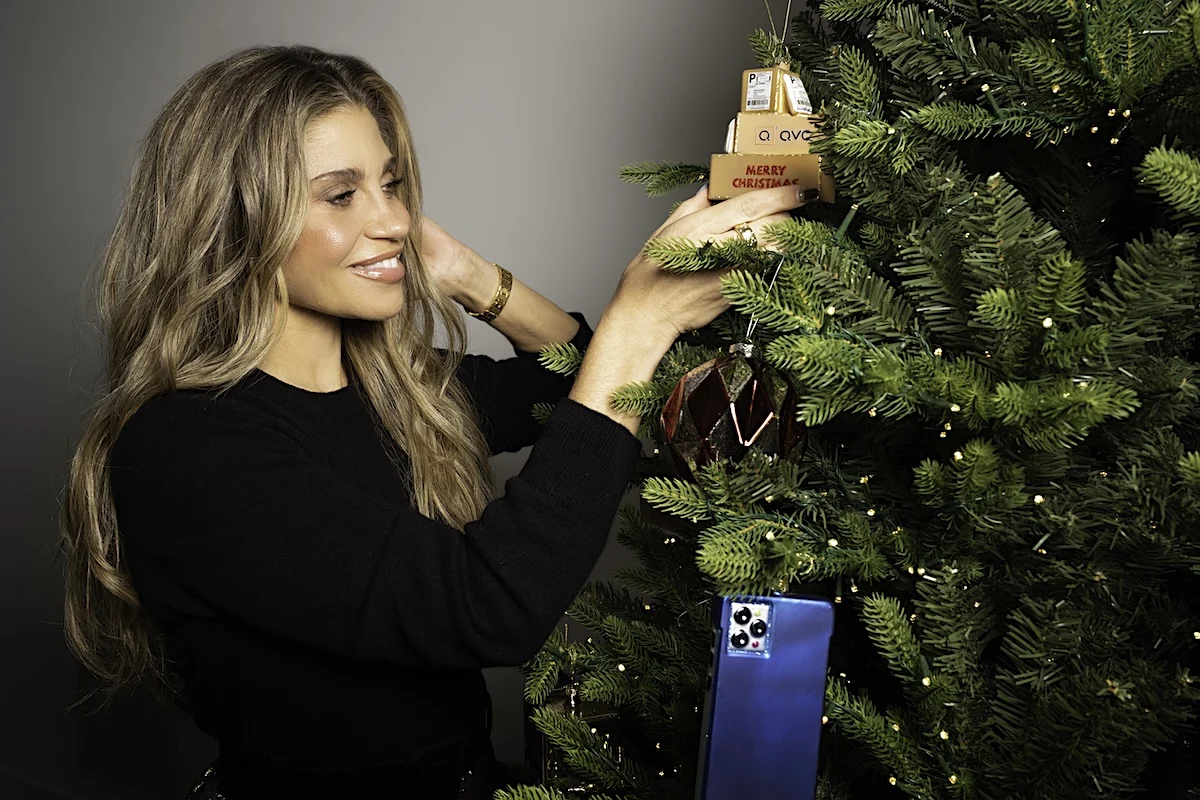
As the retail landscape undergoes a seismic shift toward digital immersion, QVC—the pioneer of television-based home shopping—is marking its 40th holiday season with a bold, multi-channel strategy that bridges the gap between traditional broadcast legacy and the high-octane world of social commerce. Having navigated a tumultuous period of corporate restructuring, the live-shopping giant is betting that its ability to blend trust, storytelling, and real-time engagement will secure its dominance in an era where "channel surfing" has been replaced by "social scrolling."
The Holiday Strategy: A Multi-Pronged Offensive
QVC is approaching this year’s holiday season not merely as a retailer, but as a content powerhouse. The company has curated a high-profile lineup of goods, including premium brands like Le Creuset, KitchenAid, Laura Mercier, and Nespresso. Beyond established household names, QVC is doubling down on exclusive partnerships, unveiling special collections such as Off/Duty by Coco Rocha and RM Studio by Rebecca Minkoff.
To drive urgency and conversion, the company has announced its "Nonstop Holiday Party," a three-day event scheduled for November 6–8. The event will serve as a launchpad for early Black Friday sales, featuring appearances by cultural icons including Martha Stewart, John Legend, and Teri Hatcher. In a nod to its pop-culture roots, QVC has also tapped Boy Meets World star Danielle Fishel to portray Mrs. Claus in an expansive marketing campaign, aiming to infuse the brand with a sense of nostalgic warmth while maintaining a modern, digital-first aesthetic.
Chronology: From Cable Pioneer to TikTok Powerhouse
Founded in 1986, QVC fundamentally changed the U.S. retail landscape by introducing the concept of 24/7 live product demonstrations to living rooms across the nation. For decades, the business model remained largely static, relying on cable television penetration and high-production-value studio sets.
However, the rapid ascent of social media and the decline of traditional cable necessitated a pivot. The company’s digital transformation accelerated significantly in April 2025, when QVC launched a 24/7 live social shopping experience specifically for TikTok Shop. This move was not just a branding exercise but a strategic integration into the platform where Gen Z and Millennial consumers spend the bulk of their time.
By aggressively courting creators and leaning into the "creator economy," QVC and its sibling network, HSN, successfully acquired nearly 1 million new U.S. customers via TikTok Shop within the year. This transition from a single-channel television broadcaster to a cross-platform commerce ecosystem—spanning TV, the QVC app, its website, and social media feeds—marks the most significant operational shift in the company’s four-decade history.
Financial Resilience and Market Position
The journey to this holiday season has been paved with significant financial hurdles. QVC Group, Inc., the parent organization, faced mounting pressures from declining viewership, global supply chain tariffs, and a saturated e-commerce market. These headwinds culminated in a Chapter 11 bankruptcy filing in April 2025.
The company emerged from these proceedings in August, having successfully reduced its debt load by more than $5 billion. This financial restructuring has provided the company with the necessary runway to refocus on growth. According to the company’s Q2 2025 financial disclosures, net revenue for the three months ending June 30 totaled $1.765 billion. While this represents a decrease from the $1.984 billion reported in the same period of the previous year, the company’s leadership maintains that the transition toward social-led commerce will stabilize the revenue stream and attract a younger, more durable customer base.
Insights from the Front Lines: An Interview with Krystyna Taheri
To understand the nuances of this transformation, Modern Retail sat down with Krystyna Taheri, QVC Group’s SVP of social commerce. Taheri provided a candid look at how the company balances the polish of traditional television with the raw, fast-paced nature of TikTok.
The Technical Divide: TV vs. TikTok
"We still do about 60,000 hours a year of live TV," Taheri explained, noting that the company’s expertise in long-form selling remains a core asset. However, the TikTok environment requires a different lexicon. "On TikTok, we do about 200 hours a week of live content. It’s a completely different style of selling. You’re talking 20- to 30-second hooks, versus a seven-to-eight-minute segment on TV."
The production values reflect this disparity. While QVC’s TV studios rely on a full team of robotics and high-end camera operators, their TikTok studios are designed for intimacy. "We have 10 live studios built specifically for TikTok," Taheri said. "We’re filming with mobile devices. The sets are smaller, more focused, and the cuts are much faster. It’s designed to be an immediate, immersive experience."
Talent Management and Algorithmic Selling
Coaching hosts for these different environments is an ongoing experiment. Taheri emphasizes that QVC does not merely push products; it builds relationships. "We pick a mix of hosts—some have established followings, others are new. They go through rigorous training, including weekly tape reviews where they analyze what worked and what didn’t."
The training is intensely analytical. Instead of focusing solely on the final revenue figure, QVC coaches its hosts to monitor engagement metrics like click-through rates and click-to-order rates. "TikTok’s platform is very analytical," Taheri noted. "We teach our hosts that engagement is the precursor to conversion."
One of the most successful aspects of this strategy is the autonomy granted to the hosts. For example, host Paulina launched a show titled "Girly Girl Vibes" based on her own creative instincts. "It’s like an immediate focus group," Taheri said. "By allowing them to build their own formats, we turn the livestream into a community-led experience rather than a one-way sales pitch."
The Demographic Flywheel
Perhaps the most encouraging sign for QVC is the shifting profile of its customer base. While the brand’s core television demographic remains older, the TikTok audience is distinctly different. "We skew older than the average TikTok user, but significantly younger than our TV demo," Taheri noted.
More importantly, the company is seeing a "flywheel effect." New customers who discover the brand through a viral TikTok video often transition to the QVC website or app to explore the broader catalog. By capturing 1 million new customers in a single year, QVC has proven that the brand has relevance beyond its traditional cable footprint.
Implications for the Future of Retail
As QVC heads into the final stretch of the year, its strategy offers a roadmap for legacy retailers struggling to remain relevant. The implications of their approach are threefold:
- The Hybridization of Content: The future of retail is not "either-or" (TV vs. Social) but "both-and." By utilizing the same trusted storytelling principles across different technical formats, QVC is creating a cohesive brand identity that feels at home on both a 60-inch television and a smartphone screen.
- Agility as a Competitive Advantage: The willingness to "aggressively test and learn" has allowed QVC to survive bankruptcy and emerge as a leader in social commerce. Their ability to pivot to 24/7 streaming on TikTok in under a year demonstrates that even legacy corporations can adopt startup-like speed.
- The Importance of "Mega Lives": QVC’s plan for eight- to 10-hour "mega lives" during the holiday season suggests that the future of major shopping events like Black Friday is moving away from static discounts toward event-based, experiential commerce.
Ultimately, QVC’s 40th year is defined by a realization that while technology changes, the psychology of the shopper does not. Whether it is a seven-minute segment on a home kitchen set or a 30-second TikTok hook, the core goal remains the same: to foster trust, provide a compelling demonstration, and create a reason for the customer to act now. As QVC navigates the remainder of 2025, their success will likely serve as a litmus test for whether a heritage brand can truly capture the attention of a new, digitally native generation.

 Siti Muinah

 Asep Darmawan
 Iffa Jayyana

 Suro Senen

 Pevita Pearce

 Basiran
 Azzam Bilal Chamdy

 Nila Kartika Wati
