
 Azzam Bilal Chamdy
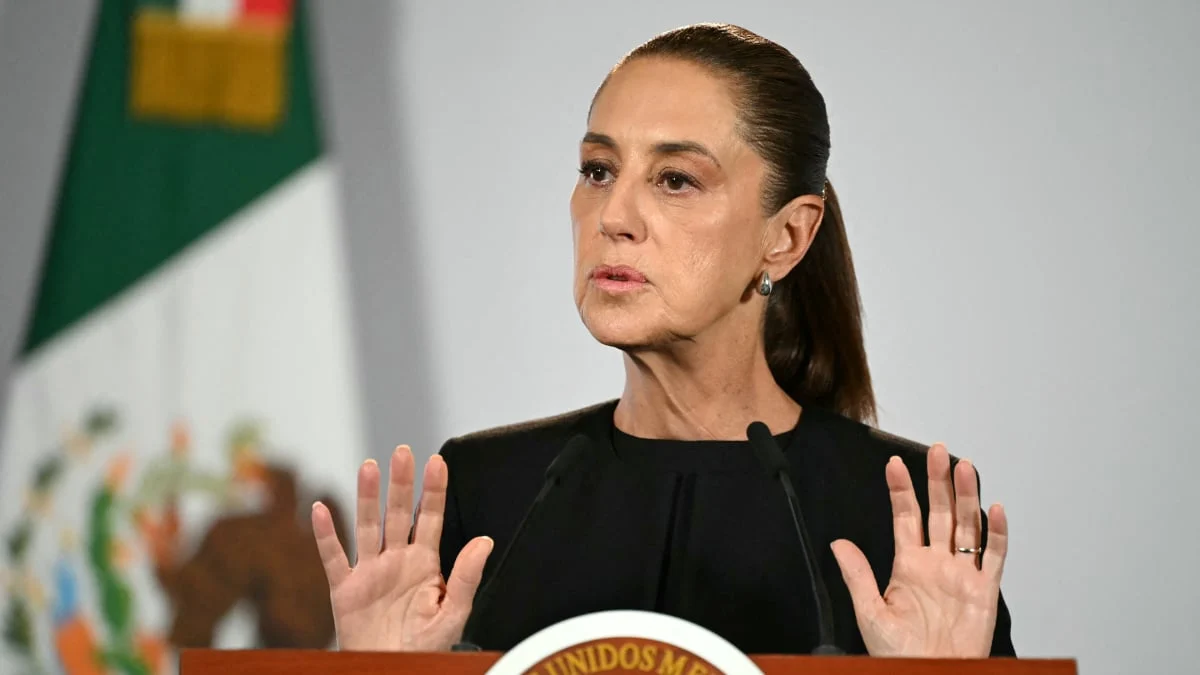
In a landmark move that signals a significant shift in how sovereign nations regulate the digital sphere, Mexican President Claudia Sheinbaum signed a presidential decree on October 14, 2026, aimed at fundamentally altering the online landscape for the nation’s youth. The directive, which mandates that social media and streaming platforms immediately restrict the dissemination of violent, extremist, and harmful content to minors, arrives in the wake of a harrowing act of violence that shook the Mexican public.
The decree is not merely a suggestion for corporate compliance; it is a stern regulatory framework that demands the implementation of robust age-verification systems and granular parental controls. With a one-month deadline for compliance, President Sheinbaum has issued an ultimatum to the world’s most powerful tech conglomerates: secure the digital environment for Mexican children, or face the prospect of severe, fast-tracked legislative penalties.
The Catalyst: A Tragedy in Torreón
The impetus for this sweeping executive action can be traced back to a devastating incident earlier this month in Torreón, Coahuila. Two former students launched a targeted attack at a local secondary school, resulting in the murder of a vice principal and injuries to several students.
Subsequent investigations by local and federal authorities revealed a chilling digital trail: the perpetrators had been radicalized by extremist content and violent imagery consumed on social media platforms. The incident served as a grim confirmation of what many child development experts have warned for years—that the algorithmic amplification of violent, self-destructive, and extremist narratives can have real-world, lethal consequences.
A Chronology of Regulatory Intervention
The path to this week’s decree was paved by a series of escalating measures aimed at reclaiming the cognitive environment of Mexican youth from the pervasive influence of the digital age.
- September 2026: President Sheinbaum announced a sweeping reform of the national public education system. This included a “bell-to-bell” ban on cellular devices and strict limitations on tablet usage in classrooms. The move was intended to reduce distractions and curtail the pervasive influence of cyberbullying during school hours.
- Early October 2026: The tragic shooting in Torreón took place, instantly elevating the issue of online safety from a pedagogical concern to a matter of national security.
- Mid-October 2026: The Mexican government conducted a series of high-stakes meetings with representatives from global tech giants, including Meta, TikTok, and Google.
- October 14, 2026: President Sheinbaum formally signed the presidential decree, legally binding social media and streaming companies to protect minors from content that promotes hate speech, sexual exploitation, suicide, self-harm, and eating disorders.
The Scope of the Decree: What the New Law Demands
The decree is broad in its ambition, targeting not only the content itself but the mechanisms that serve it to young users. According to reports from Mexico News Daily, the mandate covers a wide spectrum of illicit and harmful content, including:
- Extremist and Violent Content: Prohibiting the recommendation or display of materials that incite or celebrate violence.
- Psychological and Physical Harm: Restrictions on content promoting self-harm, eating disorders, and suicide.
- Cyber-Harassment: Strengthening safeguards against bullying and the sexual exploitation of minors.
- Algorithmic Accountability: The decree forces platforms to alter their recommendation engines, ensuring that they are not actively feeding harmful or extremist content to users under the age of 18.
- Technical Compliance: Companies are now required to implement verifiable age-gate technology and intuitive, robust parental controls that allow guardians to monitor and limit digital exposure.
President Sheinbaum has made it clear that this is a temporary grace period. She has pledged that should these tech giants fail to meet the one-month deadline, her administration will immediately fast-track secondary legislation specifically designed to impose punitive fines and operational restrictions on non-compliant entities.
Global Context: The Growing Wave of Digital Protectionism
Mexico’s actions place it at the forefront of a growing international movement to tame the “Wild West” of the internet. As concerns regarding the mental health impacts of social media on adolescents reach a fever pitch, nations across the globe are experimenting with various forms of regulation.
Australia recently made history by becoming the first country to pass a complete ban on social media for children under the age of 16. In the United States, the response has been more fragmented. While several states and local districts have implemented school-based phone bans—echoing the strategy Sheinbaum adopted in September—the U.S. federal government has yet to pass comprehensive, nation-wide legislation regarding the algorithmic practices of Big Tech.
The disparity between these approaches highlights a fundamental debate in modern governance: should the responsibility for online safety rest with the parents, the platforms, or the state? By choosing a top-down, state-led regulatory approach, Mexico is firmly placing the burden of responsibility on the platforms themselves, arguing that the social cost of inaction is too high for the government to remain a bystander.
Official Responses and Corporate Silence
The lead-up to the decree involved direct consultations between the Mexican government and the executives of major tech firms. Despite these meetings, the industry’s response has been marked by a notable, collective silence. As of the time of writing, Meta, Google, and TikTok have not issued formal statements regarding how they intend to comply with the new Mexican mandate.
This silence is not entirely unexpected. Tech giants often view such localized mandates as a potential “slippery slope” that could set a precedent for more aggressive regulation in other jurisdictions. However, the sheer size of the Mexican market—and the specific threat of punitive, fast-tracked legislation—creates a powerful incentive for these companies to comply, or at least to enter into a period of intensive negotiation with the Sheinbaum administration.
The Efficacy Debate: Can Regulation Truly Work?
While child safety advocates have largely hailed the decree as a necessary, long-overdue intervention, the policy has not been without its critics. Skeptics point to the technical difficulties of enforcing such mandates.
The core of the criticism lies in the efficacy of age verification. Historically, users have found ways to circumvent age-gating through the use of VPNs, falsified identification, or simple dishonesty regarding birth dates. Furthermore, some privacy advocates argue that the implementation of mandatory age verification requires platforms to collect more data on users, potentially creating new privacy risks for the very children the law is meant to protect.
Moreover, there is the question of the “algorithm shift.” If platforms are forced to hide certain content from minors, there is a risk that the algorithms will simply become more opaque, or that extremist content will move to encrypted messaging apps and decentralized platforms that are far harder for the government to monitor or regulate.
Implications for the Future of Digital Governance
The Mexican decree is a test case for the digital age. If the Sheinbaum administration succeeds in forcing these platforms to sanitize the content served to minors, it will provide a blueprint for other nations struggling to balance the economic benefits of digital connectivity with the profound social costs of unchecked online harm.
The implications are far-reaching:
- For Tech Companies: The era of “move fast and break things” is being replaced by an era of strict compliance and state-mandated safety standards. Companies must now weigh the cost of developing specialized, regional versions of their platforms against the risk of losing access to the Mexican market.
- For Parents: The law provides a new layer of protection, but it also places a premium on digital literacy. Parental controls are only as effective as the adults who use them.
- For Public Policy: Mexico is signaling that the internet is no longer a separate, borderless domain exempt from the laws of the land. It is an infrastructure that interacts with the physical world, and when that interaction leads to tragedy, the state has both the right and the duty to intervene.
As the one-month countdown begins, the eyes of the global tech industry and civil rights advocates alike are fixed on Mexico. The outcome of this mandate will likely influence the trajectory of social media regulation for years to come, proving whether governments have the power to protect their youth from the digital storms they have allowed to gather in the pockets of every student across the country.


 Jia Lissa

 Layla Zulfa

 Iffa Jayyana

 Suro Senen
 Pevita Pearce

 Basiran


 Nila Kartika Wati
