
 Iffa Jayyana
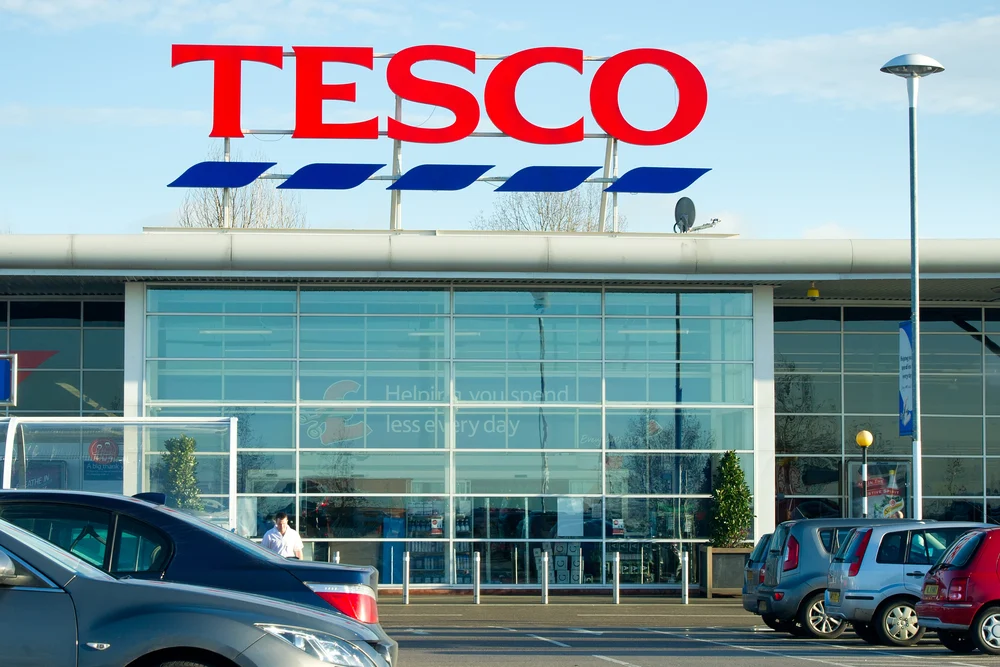
In a significant legal blow for the UK’s largest retailer, Tesco has been refused permission to appeal to the Supreme Court in a protracted and high-stakes equal pay dispute. The decision effectively draws a line under the supermarket giant’s attempt to challenge how courts assess the duties of its workforce, marking a decisive victory for more than 16,000 current and former shop floor employees.
The refusal, handed down on September 29, cements a Court of Appeal judgment from May 2026, which upheld an Employment Tribunal’s methodology for comparing the roles of customer assistants—predominantly female—against those of warehouse staff, who are largely male. As the legal dust settles on this procedural battle, the focus now shifts back to the substance of the claims, which allege that the retailer’s pay structures have historically disadvantaged women by failing to recognize the "equal value" of shop floor work compared to distribution center roles.
The Chronology: A Multi-Year Legal Marathon
The legal odyssey currently engulfing the UK grocery sector did not materialize overnight. It is the culmination of years of mounting tension regarding pay transparency and gender-neutral job evaluation.
- The Origins: The litigation was spurred by the disparity in pay between store staff and distribution staff. While store employees—often women—are typically paid less, claimants argue that their roles require a level of skill, responsibility, and effort comparable to their counterparts in the warehouses.
- The Tribunal Battle: In July 2025, a critical turning point occurred when an Employment Tribunal ruled that it could utilize Tesco’s own internal documentation—such as training manuals, handbooks, and operational guides—to define the requirements and expectations of the jobs in question. Tesco vehemently challenged this, arguing that these documents were not necessarily representative of the day-to-day reality of the work.
- The Court of Appeal (May 2026): Tesco took the matter to the Court of Appeal, seeking to overturn the tribunal’s reliance on these internal materials. The court dismissed the appeal, ruling that an employer’s own documentation serves as a legitimate and robust benchmark for job duties unless there is clear, overriding evidence to the contrary.
- The Supreme Court Denial (September 2026): In a final attempt to seek clarity on the point of law, Tesco applied for permission to appeal to the Supreme Court. On September 29, the application was refused, signaling that the highest court in the land saw no legal grounds to overturn the lower court’s reasoning.
The Core Dispute: Defining "Equal Value"
At the heart of this case is the interpretation of what constitutes "work of equal value." Under the Equality Act 2010, employees are entitled to equal pay for work that is rated as equivalent in terms of effort, skill, and decision-making.
Tesco’s defense strategy had largely hinged on the argument that store work and warehouse work are fundamentally different, and that internal training documents were being over-interpreted by the tribunal to force an artificial equivalence. By attempting to restrict the court’s ability to use these internal materials, Tesco hoped to make it more difficult for claimants to establish the necessary evidence to support their "equal value" claims.
The judiciary’s rejection of this approach is a major tactical setback for the retailer. By allowing the use of internal operational documents, the courts have significantly lowered the evidentiary barrier for the 16,000 workers. This "evidence-led" approach allows claimants to hold the supermarket to its own stated standards. If Tesco’s own training materials suggest that a shop assistant is expected to handle inventory, manage safety protocols, and maintain customer service standards at a high level, the court is now empowered to accept those definitions as the reality of the role.
The Legal Landscape: Perspectives from Both Sides
The legal firm Leigh Day, which represents the claimants, has characterized the Supreme Court’s refusal as a watershed moment for workers’ rights.
Kiran Daurka, an employment partner at Leigh Day, stated following the ruling: “This is a significant outcome for the 16,000 Tesco workers we represent and brings Tesco’s challenge on this issue to an end.” Daurka emphasized that the decision does more than just move the case forward; it reinforces a principle of proportionality in employment law. “The courts have confirmed that tribunals can rely on employers’ own training and operational materials when assessing job duties, helping equal pay claims to be decided fairly, proportionately, and without unnecessary obstacles.”
For the claimants, this is not just about the monetary settlement—though the potential back-pay figures are astronomical—it is about the systemic recognition of the value of retail labor.

Tesco, conversely, has maintained throughout the proceedings that its pay structures are fair and that the roles in question are distinct, requiring different skills and operational environments. While the company has not yet issued a detailed statement on the long-term impact of this specific refusal, the supermarket has consistently stated that it intends to defend its position throughout the ongoing litigation process.
Implications: A Looming Crisis for the Retail Sector
The implications of this ruling extend far beyond the Tesco boardroom. The retail sector is currently witnessing a "perfect storm" of equal pay litigation. With Asda, Sainsbury’s, and Morrisons all facing similar legal challenges, the Tesco decision sets a powerful, industry-wide precedent.
1. Financial Exposure
If the claimants are successful in their wider case, the financial liability for major retailers could run into the billions. Back-pay, interest, and the necessity to equalize pay structures moving forward represent a significant hit to profit margins that are already thin due to inflation and the rising cost of living.
2. Operational Transparency
Retailers will likely face increased scrutiny regarding their job evaluation processes. The reliance on internal documentation as a legal "smoking gun" means that HR departments will be under immense pressure to ensure that job descriptions and training materials are meticulously crafted to reflect the nuanced differences in roles—or risk having those very documents used against them in court.
3. The Future of Retail Wages
This litigation is accelerating the conversation around the "retail pay gap." Even if these cases are settled out of court, the pressure is mounting on the industry to conduct independent, gender-neutral job evaluations to preemptively address pay disparities before they reach the tribunal stage.
Conclusion: A New Standard for Equal Pay
The refusal of the Supreme Court to hear Tesco’s appeal is a signal that the legal system is increasingly unwilling to tolerate procedural hurdles in equal pay cases. By validating the use of an employer’s own documents as a primary source of evidence, the courts have ensured that the path toward justice is more accessible for thousands of workers.
As the wider litigation continues, the focus will turn from procedural arguments to the substantive comparison of roles. The 16,000 claimants in the Tesco case, and thousands more across the UK retail sector, are now watching closely. For the retailers involved, the era of relying on complex legal maneuvers to delay or dismiss these claims is rapidly drawing to a close.
The battle for pay equality is no longer a peripheral issue; it has moved to the center of the UK’s labor relations landscape. Whether through court-ordered settlements or negotiated agreements, the retail industry is entering a new phase of transparency and accountability—one where the value of labor is determined not by historical pay gaps, but by the tangible skills and responsibilities documented by the employers themselves.
As these cases progress, the retail sector must prepare for a future where pay equity is not an aspiration, but a fundamental operational requirement. The Tesco decision has not resolved the final question of liability, but it has fundamentally changed the terms of engagement, placing the power firmly back into the hands of those who seek fair pay for the work they perform every day.


 Muslim
 Raul Delapena Setiawan

 Lina Irawan

 Pevita Pearce

 Suro Senen

 Ammar Sabilarrohman
