
 Rifan Muazin
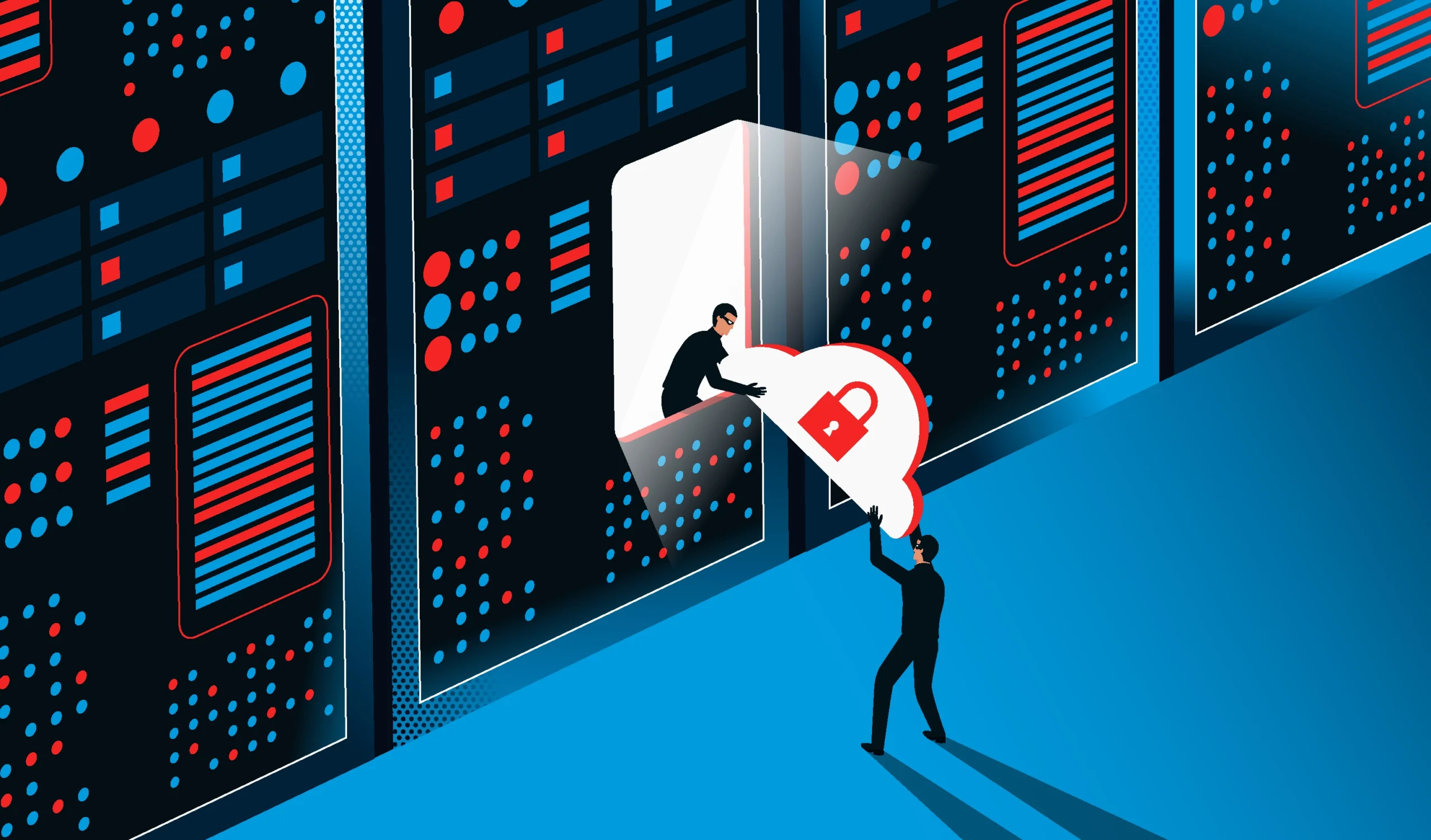
In a stark reminder of the vulnerabilities inherent in the interconnected software supply chain, ConnectWise, a prominent provider of IT management software for managed service providers (MSPs), has been embroiled in a significant security incident. A sophisticated threat actor successfully exploited a highly sensitive credential associated with the company’s Cloud Backup service—formerly known as SkyKick—granting them unauthorized, persistent access to hundreds of Microsoft 365 environments.
The breach, which came to light following a wave of malicious activity observed late last week, has left hundreds of customers in a state of operational limbo. As ConnectWise works to remediate the vulnerability and restore services, the incident serves as a cautionary tale regarding the dangers of over-privileged service principals and the systemic risks posed by third-party application integrations.
The Scope of the Compromise
The incident centers on a compromised API secret, which allowed attackers to masquerade as the ConnectWise Cloud Backup application within the Microsoft 365 ecosystem. Because the application is designed to function across multiple tenants, this specific credential acted as a "skeleton key," permitting the threat actor to request access tokens for any tenant where the application was installed, entirely bypassing traditional end-user authentication mechanisms.
According to cybersecurity firm Huntress, which has been tracking the incident closely, the attackers were not merely passive observers. By late Saturday, Huntress researchers had identified malicious sign-in activity originating from the attackers’ infrastructure across nearly 1,000 Entra (formerly Azure AD) tenants. Of those, more than 300 sign-ins appeared successful, with at least 162 confirmed compromises where the attackers gained deep, unauthorized access to sensitive data.
The impact was broad, affecting critical M365 components including Exchange Online, Microsoft Teams, SharePoint Online, and the Partner Center. Security researchers note that in several instances, the attackers performed reconnaissance via the Microsoft Graph API and actively moved to establish persistent backdoors by adding new credentials to existing service principals, ensuring that their access would remain intact even if the primary integration were disabled.
Chronology of the Attack
The timeline of the breach underscores the speed at which modern supply chain attacks can escalate.
- October 15: Microsoft Threat Intelligence observed the first wave of broad, successful sign-ins from a malicious IP address targeting various service principals.
- October 17, 05:00 UTC: ConnectWise began implementing technical mitigations to block the malicious access.
- Late Friday, October 17: Security researchers at Huntress and Todyl began detecting anomalous sign-in patterns, identifying the use of an automated tool to facilitate the unauthorized access.
- Saturday, October 18: As the scale of the compromise became clear, ConnectWise made the decision to temporarily suspend several of its core services, including Cloud Backup, SaaS Security, and Cloud Management, to contain the threat.
- Post-October 18: The company transitioned into a reactive posture, focusing on forensic investigation, environment sanitization, and the issuance of guidance to affected partners.
Technical Implications: Why This Breach Matters
The severity of this incident lies in the "privilege escalation" capability inherent in the compromised application. In standard cloud environments, third-party apps often request permissions to perform administrative tasks. When those permissions are overly broad, a single compromised credential can provide a foothold that spans an entire organization.
Jonathan Semon, a principal security operations analyst at Huntress, highlighted that the automated nature of the attacks allowed the threat actor to operate with alarming efficiency. "Because it’s a multi-tenant application, anyone holding that credential can request access tokens in any tenant where the application is installed, without any action by the customer," Semon explained.
Furthermore, the attackers demonstrated a clear intent to maintain long-term access. By elevating their own privileges within the target tenants and injecting new, unauthorized credentials into those environments, the hackers ensured that they could maintain a "silent" presence even after the initial compromised application was disabled or remediated by IT staff. This "persistence" phase is a hallmark of sophisticated state-sponsored or high-tier cybercriminal groups.
Official Responses and Remediation
ConnectWise has remained relatively tight-lipped regarding the precise "root cause" of the credential theft, declining to provide specific details on how the attackers obtained the API secret. In an official advisory, the company stated, "ConnectWise is continuing its investigation and remediation following unauthorized access to application identities associated with ConnectWise Cloud Backup."
The company has urged its partners to be vigilant. In its communication, ConnectWise emphasized that while they have observed no successful threat activity in their monitored environments since the October 17 mitigations, this does not absolve individual partners of responsibility. Each customer must audit their own M365 tenants for signs of unauthorized access, particularly looking for new, unexpected service principals or modified credentials.
Microsoft, for its part, has provided intelligence on the patterns observed, noting that the attackers utilized the Graph API to perform reconnaissance and identify sensitive files and email data. Both Microsoft and security researchers have shared "Indicators of Compromise" (IoCs) to assist in the remediation process.
The Broader Landscape of Managed Service Provider Risks
This incident highlights a growing trend: the targeting of the MSP ecosystem. Because MSPs manage the IT infrastructure for hundreds, or even thousands, of small-to-mid-sized businesses (SMBs), they represent a "force multiplier" for attackers. By compromising a single vendor—like ConnectWise—a threat actor can potentially gain access to the downstream environments of hundreds of clients simultaneously.
The cybersecurity community has long warned of this systemic risk. In recent years, several high-profile attacks have targeted remote monitoring and management (RMM) software, exploiting the deep administrative access these tools require to function.
Lessons for the Industry:
- Principle of Least Privilege: Organizations must rigorously audit the permissions granted to third-party applications. If an app does not need "Global Admin" or broad "Mail/File Read" access, it should be restricted.
- Continuous Monitoring: Relying on automated alerts is insufficient. Companies must maintain a "threat hunting" posture, specifically looking for anomalous service principal creation and unusual API sign-in patterns.
- Incident Response Readiness: As evidenced by the ConnectWise shutdown, businesses must have an incident response plan that accounts for the sudden loss of mission-critical vendor services.
- Credential Hygiene: The use of hardware-backed security keys and conditional access policies—which restrict access to applications based on geographic location or device health—remains the strongest defense against the type of automated, credential-based attack seen in this incident.
Conclusion: A Long Road to Recovery
As of this writing, ConnectWise has not provided a firm timeline for the full restoration of its services. For the hundreds of affected customers, the immediate priority remains the painstaking process of incident response: reviewing logs, purging unauthorized credentials, and verifying the integrity of their data backups.
The ConnectWise breach is a sobering reminder that in a cloud-first world, the security of an organization is only as strong as the weakest link in its software supply chain. While ConnectWise continues its internal investigation, the industry at large is left to grapple with the reality that as software becomes more interconnected, the potential for catastrophic, one-to-many compromises continues to grow. For now, the affected businesses remain in a state of high alert, awaiting further clarity on the extent of the data exfiltration and the long-term impact on their operational security.

 Reynand Wu

 Dwi Wanna

 Lina Irawan

 Pevita Pearce

 Suro Senen

 Muslim

 Ammar Sabilarrohman
 Raul Delapena Setiawan
