
 Suro Senen
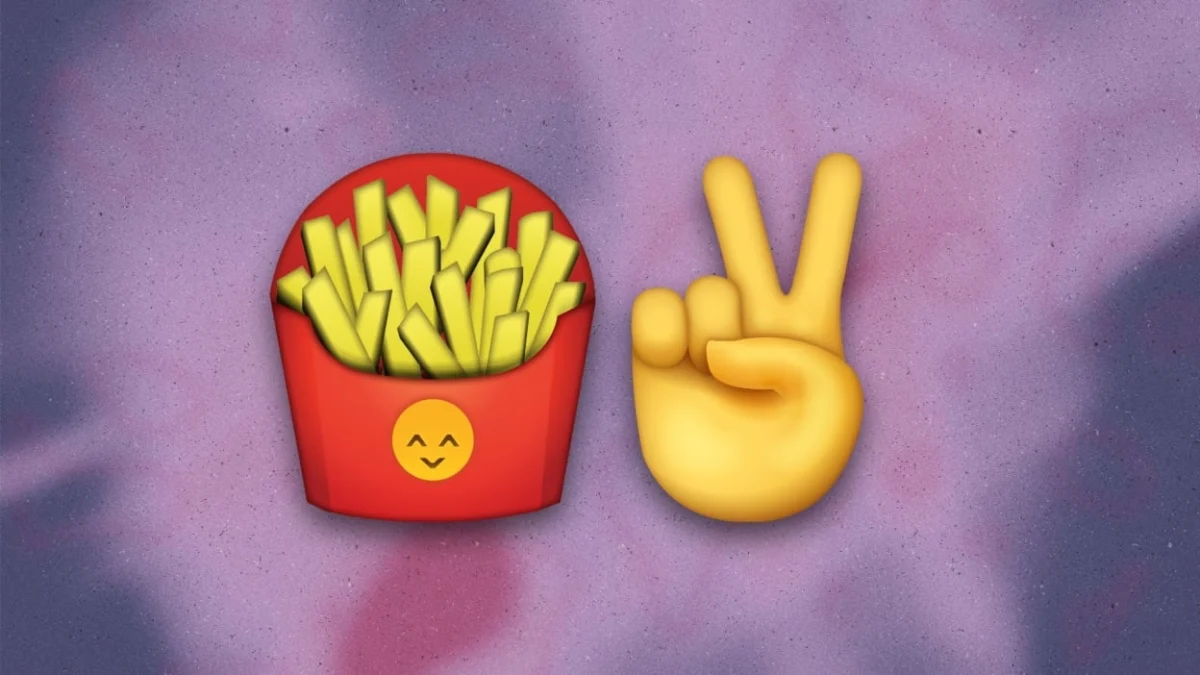
If you have spent any time in the comment sections of TikTok or Instagram Reels lately, you may have noticed a curious trend. Amidst the usual flurry of fire emojis and laughing faces, a new, seemingly benign symbol has begun appearing with increasing frequency: the French fries emoji (🍟).
For the uninitiated, it might seem like a harmless declaration of hunger or a casual nod to fast-food cravings. However, in the rapidly evolving lexicon of Gen Alpha, the fries emoji is anything but appetizing. It has been transformed into a sharp, dismissive shorthand for mockery, effectively functioning as the digital equivalent of telling someone to "wrap it up" or, more bluntly, to shut up.
This evolution from a snack icon to a stinging social critique is the latest example of how digital culture functions in 2026—where complex phrases are ruthlessly distilled into single, cryptic symbols that serve as markers of "in-group" status.
The Anatomy of the Insult: What 🍟 Actually Means
To decode the usage of the fries emoji, one must look at the context in which it appears. When dropped alone in a comment thread, the emoji acts as a pejorative, branding the creator of the content as "cringe," "corny," or someone who is trying far too hard to be relevant. It is a visual eye-roll, a way to signal that the viewer finds the content embarrassing or outdated.
The meaning shifts significantly when paired with the peace sign emoji (✌️). The combination—🍟✌️—is a direct, non-verbal reference to the viral phrase, "Just put the fries in the bag, bro." It is a cold, dismissive command. It suggests that the person speaking is irrelevant, oversharing, or delivering an unsolicited monologue that nobody asked for. By using this combination, the sender is effectively telling the recipient: "Your opinion is worthless; return to your station."
This shift marks a departure from traditional emoji usage, which typically serves to clarify tone or express emotion. Instead, Gen Alpha is using these symbols as structural tools to gatekeep conversations and police "cringe" behavior in real-time.
A Chronology of the "Fries" Phenomenon
To understand how a humble potato product became a weapon of social media warfare, we must trace its lineage through the recent history of internet memes.
The Origins: "Put the Ketchup in the Bag" (2022)
The conceptual roots of the insult trace back to 2022, when the phrase "just put the ketchup in the bag, bro" began circulating on Facebook. At its inception, it was a relatively niche way to mock someone who was perceived as being overly dramatic or self-important. It implied that the person’s status or intellect was no higher than that of a fast-food worker, and that they should focus on their menial tasks rather than sharing their thoughts.

The TikTok Explosion (2024)
By 2024, the meme underwent a linguistic evolution. As it migrated to the faster-paced, visual-heavy environment of TikTok, "ketchup" was replaced by "fries." This version—"Just put the fries in the bag, bro"—exploded in popularity. It became the go-to retort for TikTok users seeking to devalue a creator’s argument. Whether someone was providing an unasked-for life lesson or simply speaking for too long, the phrase became a standardized way to cut them down to size.
The Emoji Reduction (2025–2026)
As with all internet trends, efficiency is the ultimate goal. Typing out a full sentence is cumbersome for a generation that prioritizes speed and aesthetic minimalism. Thus, the phrase was reduced to its symbolic essence: the French fries emoji. By late 2026, the transition was complete. The emoji is now a fully realized, recognizable insult that requires no text to convey its biting message.
The Sociological Implications: Language and Hierarchy
The rise of "fries slang" is more than just a passing trend; it is a fascinating case study in how Gen Alpha is reshaping digital discourse.
The Efficiency of Symbols
Digital communication is trending toward the "hieroglyphic." Because Gen Alpha is growing up in an environment where content is consumed at breakneck speeds, the ability to communicate a complex, insulting sentiment with a single character is highly valued. This creates a "linguistic barrier" between generations; if you don’t know the meme, the comment simply looks like a random food emoji, leaving the older observer bewildered while the younger cohort shares an inside joke.
The Darker Side of the Meme
While the emoji usage might seem playful, its origins are rooted in a problematic classist trope. The insult relies on the inherent disparagement of service-industry labor. By using the "fries" command, the user is weaponizing the concept of a low-wage job as a punchline. The implication is that the target of the insult is "lesser" or that their existence is purely utilitarian.
Internet anthropologists have noted that this irony is often lost on younger users. For many, the phrase has become completely detached from the reality of working in a fast-food restaurant. It is now a "floating signifier"—a term that carries a specific vibe or attitude that has completely abandoned its original, more derogatory intent.
Expert Analysis: The "Cringe" Policing
We spoke with digital culture analysts who emphasize that this trend is part of a broader "policing of authenticity" currently happening on social media.
"Gen Alpha is hyper-aware of ‘cringe,’" says one social media researcher. "They are incredibly sensitive to performative behavior. The fries emoji is a tool for the audience to exert control over the creator. It’s a way of saying, ‘We are the ones who decide what is authentic and what is just noise.’"

This phenomenon mirrors the "gatekeeping" culture of the late 2010s, but it is vastly more efficient. In the past, someone might have left a paragraph-long comment explaining why a video was embarrassing. Today, a 🍟 emoji suffices. It is a democratization of judgment, allowing any viewer to instantly diminish a creator’s authority with a single tap.
Official Responses and Platform Dynamics
Platforms like TikTok and Instagram have not issued official statements regarding the use of the fries emoji, as it remains a piece of evolving, organic slang. However, moderators on these platforms are increasingly faced with the challenge of distinguishing between "harmless" food emojis and targeted harassment.
While using a fries emoji is unlikely to trigger an automated safety filter, the cumulative effect of hundreds of users spamming the symbol on a creator’s post can effectively "shadow-ban" the content by skewing its engagement metrics. When a comment section is flooded with 🍟, the algorithm often interprets the video as controversial or poorly received, leading to lower reach. In this sense, the emoji is not just a rhetorical insult—it is a functional tool of de-platforming.
Looking Ahead: The Future of Emoji Slang
As we move deeper into the latter half of the decade, the speed at which these linguistic shifts occur is only increasing. The fries emoji is likely to have a finite shelf life. As soon as the "cool" factor of the meme wears off—or as soon as it is adopted by older generations (Gen Z or Millennials)—it will inevitably be replaced by a new, equally cryptic symbol.
For now, the fries emoji stands as a testament to the power of the meme. It represents the intersection of pop culture, social hierarchy, and the ever-shrinking attention span of the digital age.
So, what should you do if you find yourself on the receiving end of a barrage of fries emojis? The best advice from those in the know is simple: ignore it. Responding to the insult, or even acknowledging the confusion, is often seen as the ultimate "cringe" move. In the world of Gen Alpha, silence is often the only way to avoid the dreaded label of being a "fries-worthy" creator.
Ultimately, the transformation of the French fry from a symbol of joy to a symbol of rejection reminds us that in the digital world, nothing is ever just what it seems. Language is fluid, memes are fleeting, and if you aren’t paying close attention, you might just find yourself being told to head back to the kitchen—one emoji at a time.

 Asep Darmawan
 Evan Lee Salim

 Muslim

 Basiran
 Reynand Wu
 Layla Zulfa

 Nana
