
 Ali Ikhwan

In the hyper-competitive landscape of modern e-commerce, the inbox has become a battlefield. Brands compete for fleeting seconds of attention, bombarding subscribers with discount codes, abandoned cart reminders, and aggressive product launches. Most email marketing programs are designed with a singular, narrow objective: conversion. While driving sales is undeniably essential for survival, many businesses are discovering that this transactional approach is ultimately a ceiling on their growth.
The most resilient brands—those that thrive despite market volatility or the rise of cheaper alternatives—have shifted their focus. They have realized that while a customer buys a product, a community member buys a vision. By leveraging email not as a megaphone for sales, but as a bridge for connection, these brands are turning passive subscribers into vocal advocates.
The Paradigm Shift: List vs. Community
To understand the evolution of digital marketing, one must first distinguish between a "list" and a "community." A list is a static database—a collection of email addresses harvested through pop-ups and lead magnets. It is a metric of reach. A community, conversely, is a living ecosystem of individuals who feel a sense of belonging and shared purpose with your brand.
The gap between these two concepts is not defined by the sophistication of your CRM or the frequency of your newsletters; it is defined by intent. Most e-commerce strategies are trapped in a "funnel mindset," where every touchpoint is optimized for the next stage of a transaction. While this infrastructure is necessary to maintain cash flow, it is insufficient for building long-term loyalty. When a brand treats its inbox as a relationship channel first and a revenue channel second, it creates a flywheel effect: deeper relationships lead to higher engagement, which in turn leads to more predictable and sustainable revenue.
Chronology of Connection: Moving Beyond Automation
The history of email marketing has largely been a march toward automation. In the early 2010s, the focus was on bulk blasts. By the mid-2010s, it shifted to behavioral triggers—the "Welcome Series," "Browse Abandonment," and "Win-Back" campaigns. While these automated flows are the bedrock of modern digital commerce, they have also rendered the inbox impersonal.
Today, the most successful brands are intentionally breaking the "automation-only" cycle. They are reintroducing the "human element" into the digital experience. This shift often follows a specific progression:
- The Transactional Foundation: The brand masters basic automated flows to ensure no revenue is left on the table.
- The Values Alignment: The brand begins to articulate its "why"—the reason it exists beyond profit—through content-led emails.
- The Insider Initiative: The brand starts granting "early access" or "behind-the-scenes" glimpses, rewarding subscribers for their loyalty.
- The Conversational Era: The brand begins treating emails as a two-way street, inviting feedback, questions, and replies, effectively dismantling the wall between the business and the consumer.
The Anatomy of an Insider Experience
Building a community does not require an expensive loyalty program or a gated, members-only portal. It requires a fundamental shift in how you frame your communications. To make your subscribers feel like insiders, you must treat them as partners in your business journey.
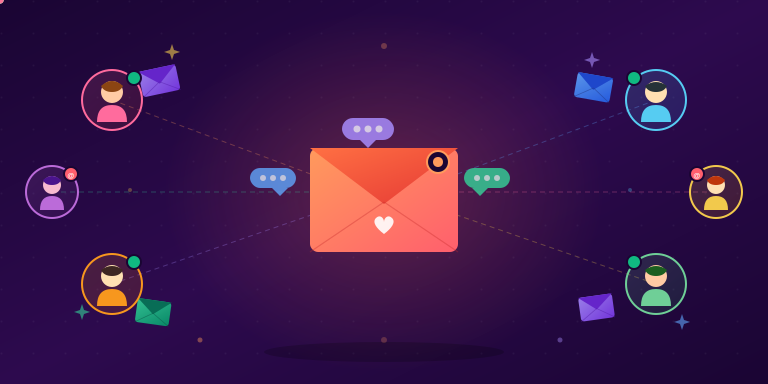
Transparency as a Competitive Advantage
Instead of a sterile announcement that a new product has launched, take your audience through the development cycle. Share the challenges faced during prototyping, the failed iterations that preceded the final product, and the rationale behind specific design choices. This level of radical transparency humanizes the brand and invites the customer into the problem-solving process.
The Power of Founder-Led Communication
There is a growing fatigue toward "corporate-speak"—slick, overly produced emails with high-gloss imagery. Ironically, the most effective engagement often comes from plain-text, founder-led emails. When a founder writes in their own voice, discussing their genuine passion or struggles, it builds an emotional resonance that no marketing agency can replicate. This personal touch acts as a psychological anchor, keeping the brand top-of-mind even when there is no sale to be made.
Cultivating Two-Way Dialogue
The traditional e-mail marketing model is fundamentally one-directional: the brand speaks, and the customer receives. Community-building, however, requires a dialogue.
Asking, Not Just Telling
The simplest, most underutilized tactic in e-commerce is the direct question. At the end of an informational email, asking, "What is the one thing you’re still trying to figure out regarding [category]?" or "What should we create next?" transforms the subscriber from a recipient into a participant.
The Art of the Reply
When a subscriber takes the time to write back, the brand’s response is the most critical touchpoint in the relationship. While this does not scale to the level of 50,000 subscribers without support, it is highly effective for smaller and mid-sized brands. A genuine, human response to an email inquiry can turn a casual shopper into a brand evangelist who will defend your company, leave detailed reviews, and recommend your products to their peers.
Establishing a Recognizable Brand Voice
Identity is the glue that holds a community together. If your emails could be sent by any of your competitors without the reader noticing the difference, you have failed to establish a voice.
To build a recognizable identity, a brand must answer difficult questions: What do you stand for? What are you actively pushing back against? What will you refuse to do, even if it’s profitable? When these beliefs are woven consistently through every piece of communication—whether a product launch or a piece of educational content—subscribers feel they "know" the brand. This familiarity breeds the trust necessary for long-term retention.
Data-Driven Community Metrics
How do you measure the health of a community? While conversion rates and Average Order Value (AOV) remain essential, they do not tell the whole story. To track the growth of your community, you must look at qualitative and behavioral metrics:
- Reply Rate: The ultimate indicator of engagement. If no one is replying, your content is likely not fostering a conversation.
- Forward Rate: A high forward rate indicates that your content is so valuable or insightful that your subscribers are willing to "vouch" for you to their personal network.
- Referral Growth: Tracking how many new subscribers cite a friend or existing customer as their source of discovery. This is the hallmark of a self-sustaining community.
- Unsubscribe Patterns: Analyze why people leave. If you see spikes after promotional emails but stability after value-driven content, it is a clear signal that your list values your insights more than your discounts.
Strategic Implications for Modern Founders
The implication for founders is clear: the most sophisticated automation is no match for a human connection. You do not need a massive audience to build a community; you need a consistent voice and a genuine willingness to engage.
The technical heavy lifting—segmentation, automated flows, and data analytics—should be handled by robust platforms like Omnisend. By offloading the transactional "heavy lifting" to a tool that manages your funnel efficiently, you reclaim the time needed to build actual relationships. Utilizing infrastructure that provides deep insights into audience behavior allows you to scale the "human" side of your business, ensuring that your growth is not just rapid, but durable.
Conclusion
The future of e-commerce belongs to those who view their email list not as a collection of leads to be processed, but as a community to be cultivated. In an era of increasing digital noise and algorithmic unpredictability, the inbox remains the one place where you have direct, unmediated access to your customers.
By treating your subscribers as insiders, listening to their feedback, and maintaining a consistent, authentic voice, you move beyond the transaction. You build a brand that people don’t just buy from—they stay with, talk about, and trust. That is the ultimate competitive advantage in the modern economy.
For those looking to build a more connected, community-focused brand, Omnisend offers the tools to streamline your automation while maintaining the space for genuine relationship building. Foundr readers can access an exclusive 50% discount on their first three months by using the code FOUNDR50 at Omnisend.


 Azzam Bilal Chamdy
 Nila Kartika Wati

 Iffa Jayyana
 Nana Wu

 Ammar Sabilarrohman
 Sagoh
