Ammar Sabilarrohman
The media landscape is undergoing a period of profound transition as autumn 2026 brings a wave of high-profile departures, intensifying legal confrontations between news organizations and the government, and significant structural realignments within major networks. From the departure of legendary international anchors to the expansion of digital audio ventures and the cutting of newsroom staff, the industry is grappling with both existential challenges and the necessity of modernization.
The End of an Era: Christiane Amanpour Leaves CNN
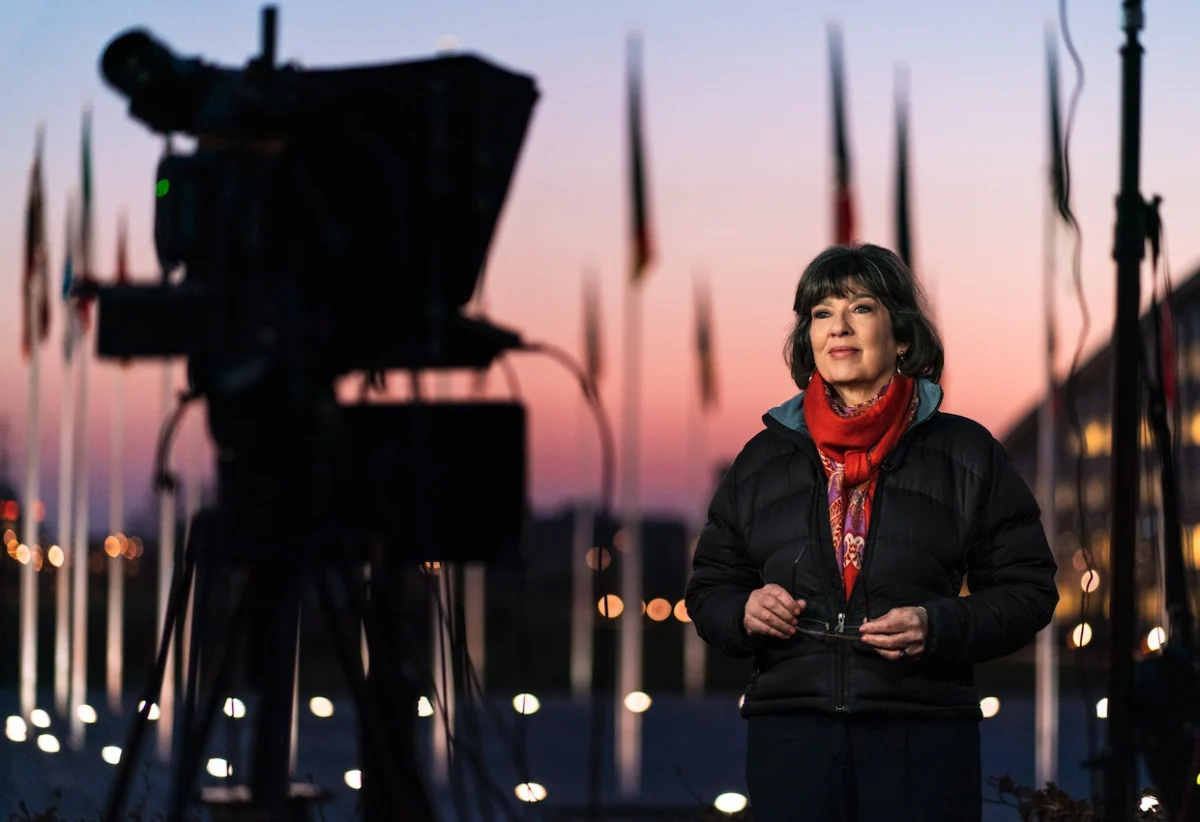
The most significant shift in the broadcasting world is the departure of Christiane Amanpour, the chief international anchor for CNN. After a tenure spanning 43 years—a lifetime in the fast-paced world of cable news—Amanpour announced on Monday that she would be parting ways with the network in June 2027.
Chronology of the Exit
Amanpour’s announcement was made during the closing minutes of her self-titled CNN International program. She described the decision as one arrived at after months of "sleepless nights" and careful deliberation. The transition will be a gradual one: her daily show, which is simulcast on PBS, will continue in its current format until the end of the calendar year. Beginning in 2027, the program will shift to a weekly cadence until her formal exit in the summer.
Official Responses and Industry Impact
CNN CEO Mark Thompson addressed the network’s staff in a memo, acknowledging that leadership had been in talks with Amanpour regarding her future for several months. "I’m very sorry to see her go, but I’ve come to accept that this is the right time for her, both personally and professionally," Thompson wrote. While the specific motivations for her departure remain private, the loss of an anchor of her stature marks a significant turning point for CNN’s global branding.
Simultaneously, CNN is navigating the exit of senior global affairs analyst Bianna Golodryga. After seven years with the network, Golodryga confirmed her departure via social media, citing an "opportunity I couldn’t pass up." Reports indicate she is in advanced discussions with Politico for a high-level global affairs role and may maintain a contributor position at CBS News, where she previously served.
Legal Briefs: Press Freedom and Executive Accountability
The relationship between the American news media and the federal government is increasingly strained, characterized by two major legal fronts that could set lasting precedents for the industry.
The Air Force One Dispute
CNN has escalated its conflict with the White House over travel access. The network has threatened further legal action if the administration continues to exclude CNN reporters from the designated TV pool on Air Force One. Ted Boutrous, acting as outside counsel for the network, characterized the exclusion as a retaliatory measure. "These efforts to retaliate and discriminate against CNN based on the content of its news coverage are mistaken, counterproductive, and unlawful," Boutrous stated in a formal letter to the Justice Department.
Confidential Sources and the Supreme Court
While CNN fights for travel access, Fox News is taking a different legal stand at the Supreme Court. The network is petitioning the high court to intervene in a case involving journalist Catherine Herridge. At issue is the protection of confidential sources and the validity of a civil contempt order that had imposed $800-per-day fines. Fox News argues that forcing journalists to divulge their sources undermines the First Amendment and threatens the viability of investigative journalism. The network remains steadfast, asserting that a failure to protect such sources will result in a "chilling effect" on the public’s right to know.
The BBC Lawsuit and Presidential Deposition
In a separate, high-stakes legal matter, U.S. Magistrate Judge Enjoliqué Lett has issued a firm deadline for former President Trump. The president is ordered to appear for a deposition by December 11 in a $10 billion lawsuit filed against the BBC. Having repeatedly delayed the proceedings, the president now faces the threat of severe sanctions—up to and including the dismissal of his legal claims—should he fail to comply with the court’s order.
Strategic Realignment: Audio Expansion and Editorial Standards
As traditional cable viewership fluctuates, networks are looking to the "on-demand" economy to capture younger, digitally native audiences.
CBS News’ Podcast Pivot
CBS News has launched a strategic expansion of its podcasting division, leveraging its top-tier on-air talent to drive engagement.
- "Great Questions with Tony Dokoupil": Hosted by the CBS Evening News anchor, this series aims to dissect complex news cycles and long-form investigative topics. It will debut on October 26, airing twice weekly.
- "Straight Up": A second, weekly podcast hosted by Vlad Duthiers and Kelly O’Grady, focusing on trending stories and cultural phenomena.
Editorial Accountability and "Walk-Backs"
The rigor of editorial standards was highlighted this week when CBS News chief legal correspondent Jan Crawford publicly apologized for a tweet criticizing a town hall appearance by Michigan Democratic Senate candidate Abdul El-Sayed. Crawford deleted the post, stating explicitly that it was a "violation of CBS News standards." This incident serves as a reminder of the heightened sensitivity regarding the perceived political bias of on-air talent in the current climate.
The Business of News: Leadership and Austerity
The operational side of the industry is equally volatile. CBS News has appointed Jon Tower as the permanent executive producer of CBS Mornings. Tower, who served as the interim lead, is tasked with the critical mandate of revitalizing the show’s ratings following the return of Norah O’Donnell to the program.
Meanwhile, international media is facing harsh economic realities. The BBC has announced it will eliminate over 100 positions in the coming months, a move projected to save $7.4 million. Rachel Jupp, the newly appointed director of BBC News, warned that while these cuts are necessary to address immediate funding reductions, they may not be sufficient, hinting at potential future downsizing.
Implications for the Industry
The combination of these events—Amanpour’s departure, the ongoing legal battles with the executive branch, and the aggressive shift toward podcasting—illustrates a media industry in flux.
- Talent Mobility: The movement of senior journalists like Golodryga and the eventual retirement of icons like Amanpour suggest a thinning of the "old guard" of cable news. Networks will be forced to cultivate a new generation of faces to maintain institutional authority.
- Regulatory Tensions: The conflict over Air Force One and the Supreme Court case regarding source confidentiality signal a period of renewed friction between the Fourth Estate and the government. These legal outcomes will likely define the parameters of press freedom for the next decade.
- Digital Necessity: The move into podcasting and the restructuring of newsroom headcounts reflect a broader industry pivot toward fiscal sustainability and audience-led content strategies. As traditional revenue streams from linear television contract, the ability to pivot to digital audio and lean operational models will be the primary metric of success for global networks.
As the industry closes out 2026, the focus remains on whether these institutions can maintain their commitment to objective, investigative journalism while navigating the financial and political pressures of a rapidly evolving digital world.


 Reynand Wu

 Iffa Jayyana


 Sagoh


 Azzam Bilal Chamdy

 Ali Ikhwan