
 Evan Lee Salim
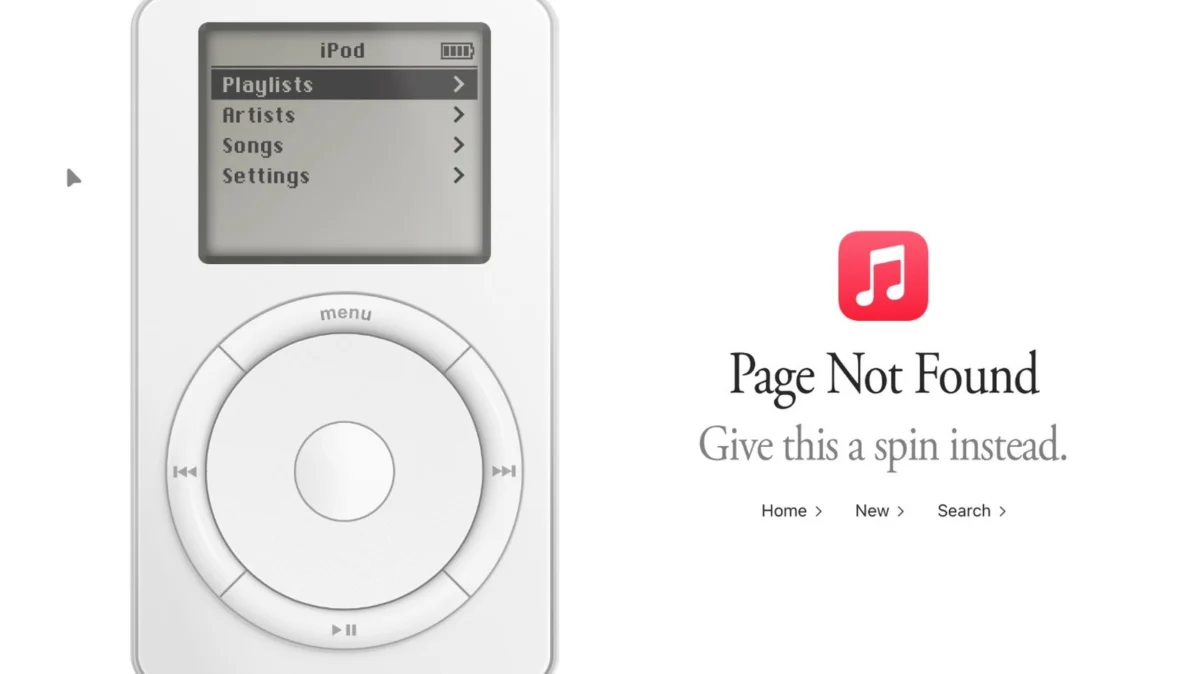
For a generation of music lovers, the distinct click-click-click of a plastic wheel remains the definitive soundtrack of the early 2000s. It was a tactile, mechanical symphony that signaled the beginning of the digital music revolution. Today, that sensation—and the device that brought it to the masses—is being celebrated in a way only Apple knows how. To mark the 25th anniversary of the iPod, the tech giant has tucked a fully functional, interactive, and undeniably charming Easter egg into its Apple Music web portal, inviting users to take a digital stroll down memory lane.
The 404 Surprise: A Portal to the Past
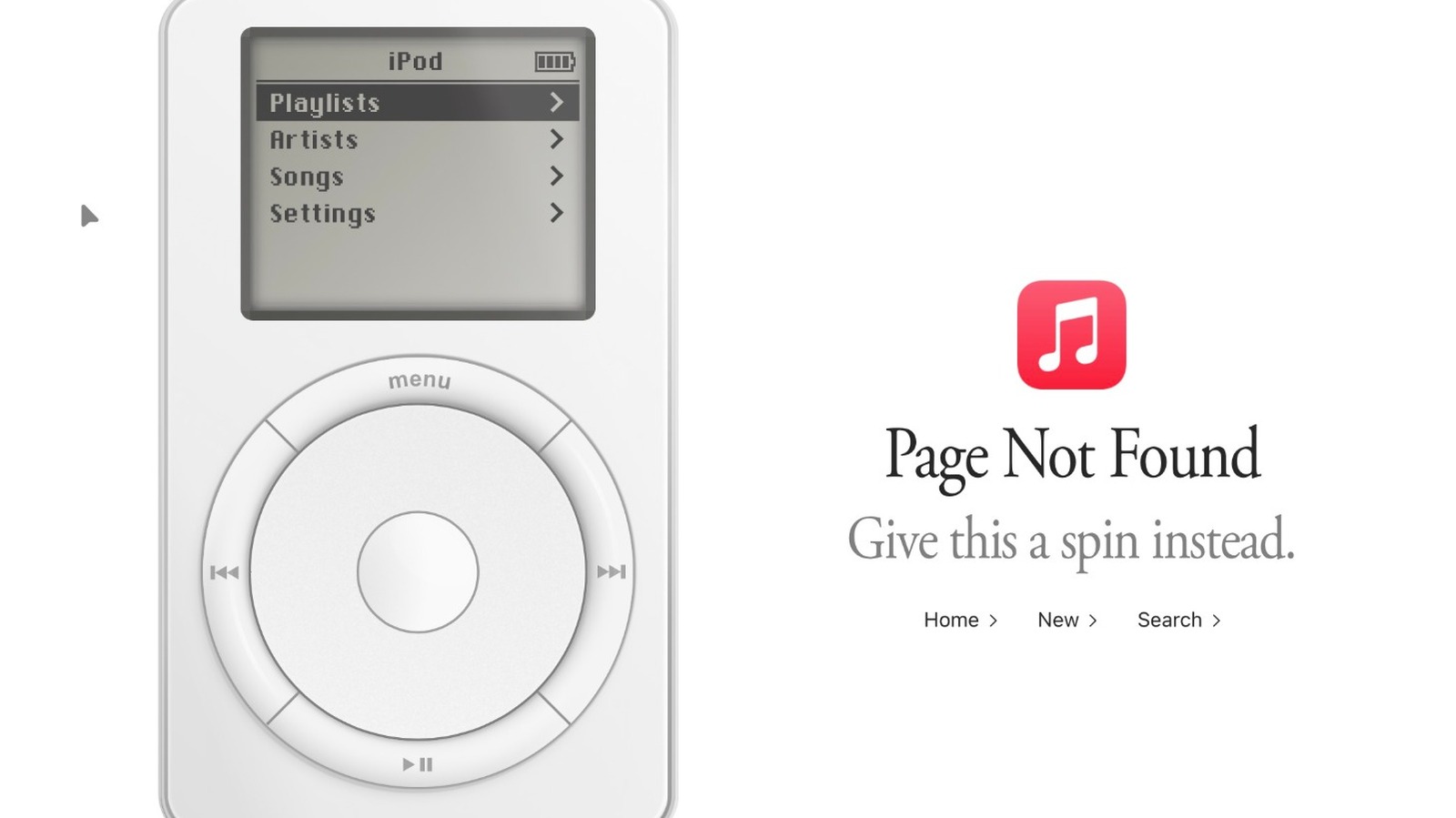
The celebration is not hosted on a flashy landing page or a grand announcement from Cupertino. Instead, Apple has opted for a subtle, clever tribute: it is hidden on the site’s "404 Page Not Found" error page. By navigating to a non-existent URL on the Apple Music website, users are greeted with the familiar, stark white screen, but with a twist. Beneath the standard error message, a prompt reads: "Give this a spin instead."
What follows is an immersive, interactive simulation of the original, first-generation iPod. The device sits on the screen, complete with its monochromatic display and the iconic physical click wheel. For those who grew up in the era of wired earbuds and iTunes synchronization, the interface is immediately recognizable. The virtual iPod allows users to navigate a curated library of 1,029 songs, using the mouse or touchscreen to replicate the circular motion that once defined mobile navigation.
A Chronology of the Pocket Revolution
To understand why this digital relic warrants such a tribute, one must look back to October 23, 2001. When Steve Jobs walked onto the stage at Apple’s Town Hall, he famously promised to "put 1,000 songs in your pocket." At the time, the portable music market was dominated by bulky CD players and expensive, low-capacity flash-memory MP3 players that were notoriously difficult to use.
The Timeline of the iPod Evolution:
- 2001: The original iPod launches, featuring a 5GB hard drive, a mechanical scroll wheel, and FireWire connectivity.
- 2004: The iPod Mini introduces the Click Wheel, merging the scroll wheel with integrated buttons.
- 2005: The iPod Nano replaces the hard drive with flash storage, marking the beginning of the end for the original spinning-platter architecture.
- 2007: The iPod Touch is introduced, essentially becoming an iPhone without the cellular radio, signaling the inevitable convergence of music and mobile computing.
- 2022: Apple officially discontinues the final model, the iPod Touch, marking the end of the standalone player era.
For 21 years, the iPod was not just a product; it was the vehicle through which Apple transitioned from a niche computer company into the world’s most valuable consumer brand. It fundamentally changed the music industry, leading to the collapse of the album-centric model and the birth of the digital single-track ecosystem.
Supporting Data: Why the iPod Still Matters
The success of the iPod was not merely anecdotal. It was a quantitative phenomenon that reset consumer expectations. By 2007, Apple had sold over 100 million units. By the time the line was officially retired in 2022, that number had grown to hundreds of millions, cementing the iPod’s status as one of the most successful pieces of consumer hardware in history.
The Easter egg, while seemingly a simple novelty, highlights the depth of this legacy. The virtual library included in the simulation features a collection of tracks that feel ripped directly from the early 2000s zeitgeist. Artists like Eminem, blink-182, and the Baha Men populate the menus, serving as a reminder of the specific cultural moment the device occupied.
Furthermore, the simulation includes the legendary "Brick" game—a Breakout clone that served as a secret time-waster for millions of commuters. By holding the center button on the virtual "About" screen, users can trigger the game, proving that Apple’s attention to detail extends to the smallest of nostalgic features. While the virtual tracks are limited to 90-second previews, the experience is fully functional for anyone with a browser, requiring no active Apple Music subscription to access.
Implications for Modern Interface Design
The existence of this digital iPod raises interesting questions about the nature of modern user interface (UI) design. In an era where "flat" design, haptic feedback, and minimalist, gesture-based interfaces dominate, the iPod’s click wheel stands as a masterclass in physical-digital synergy.
Tech analysts argue that the iPod’s success was largely due to the "delight" factor—a core tenet of Apple’s design philosophy. By requiring a physical action to achieve a digital result, the iPod created a sense of ownership and intimacy between the user and the machine. The virtual Easter egg allows a new generation of users—those who have only known touchscreens and voice assistants—to experience the tactile satisfaction of mechanical scrolling.
It also serves as a brilliant marketing tool. By associating the modern Apple Music brand with the foundational legacy of the iPod, Apple reinforces the narrative of continuity. It suggests that while the delivery method has evolved from 5GB hard drives to cloud-based streaming, the core mission—to make music discovery effortless and joyful—remains the same.
Official Responses and Public Reception
While Apple has remained typically quiet regarding the "why" behind this specific feature, the reception from the tech community and long-time fans has been overwhelmingly positive. Social media platforms have been flooded with screenshots of the virtual device, with users debating the merits of various iPod models and sharing stories of their first experience with the "1,000 songs" promise.
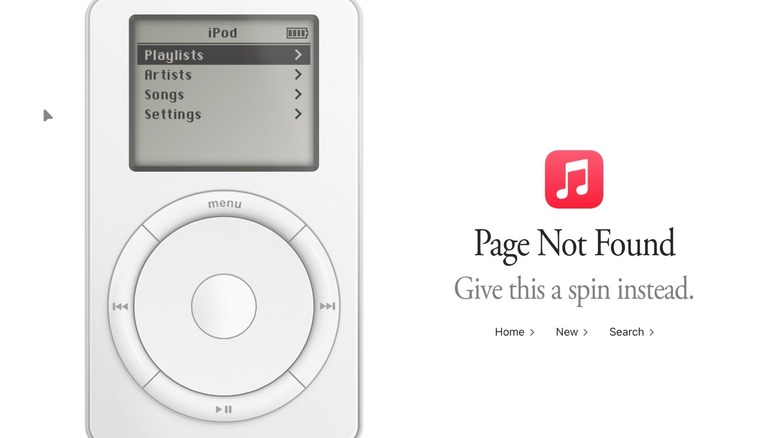
Designers have lauded the simulation for its fidelity. The responsiveness of the wheel, the clicking sounds, and the specific typeface used in the UI are all period-accurate. Even the slight "bugginess" reported by some users on desktop browsers is being viewed as a charming nod to the imperfections of early 2000s software.
"It’s a masterclass in legacy preservation," said one industry analyst. "Most companies try to hide their old, clunky tech. Apple, by contrast, turns its history into an interactive playground. It’s a way of saying, ‘We haven’t forgotten where we came from, and we know you haven’t either.’"
Conclusion: The Enduring Legacy of the Click Wheel
As we look back on 25 years of the iPod, it is clear that its impact extends far beyond the hardware itself. The iPod gave us a new way to curate our personal lives, turning music libraries into extensions of our identity.
Apple’s hidden tribute is more than just a 404 page; it is a bridge between the analog past and the digital present. It reminds us that technology is at its best when it feels human, when it invites interaction, and when it isn’t afraid to be a little bit playful. So, if you find yourself feeling nostalgic for a time before algorithms and cloud syncing, take a moment to visit the Apple Music site. Dust off the virtual click wheel, queue up a track from 2001, and remember what it felt like to have the world of music in your pocket for the very first time.


 Reynand Wu

 Sagoh

 Raul Delapena Setiawan


 Azzam Bilal Chamdy

 Ali Ikhwan
