
 Ali Ikhwan
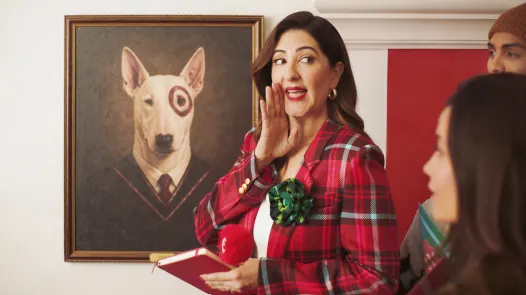
As the retail landscape faces a pivotal end-of-year stretch, Target is betting big on a creative, high-concept approach to reclaim its status as the premier destination for holiday shoppers. The Minneapolis-based retail giant has officially unveiled its "Academy of Giftology," an expansive, multi-channel campaign designed to solve the perennial stress of holiday shopping while simultaneously driving forward a corporate turnaround plan that has been gaining steady momentum.
Debuting in early November, the campaign marks a departure from recent marketing iterations, moving away from past viral sensations—like the controversial “Hot Santa” mascot—to embrace a more narrative-driven, service-oriented brand identity. By positioning itself not just as a retailer, but as an authority on the art of giving, Target is attempting to pivot the conversation from price-based competition to value-added experience.
Main Facts: The Academy Concept
At the core of the 2026 holiday push is the fictional “Academy of Giftology.” This whimsical, school-themed initiative features a roster of specialized “faculty” members tasked with guiding consumers through the complexities of gift-giving. The campaign’s creative conceit is designed to resonate with shoppers who are increasingly fatigued by generic consumerism and are instead seeking meaningful, curated presents.
The academy includes several distinct departments tailored to specific shopping personas:
- The Kidology Lab: A hub dedicated to showcasing trending toys, designed to simplify the overwhelming process of shopping for children.
- The Department of People Who Want Nothing: A humorous yet functional wing focused on identifying gifts for those notoriously difficult friends and family members who insist they do not need anything.
The campaign is being executed through a high-production-value visual language that permeates every touchpoint of the brand. From streaming and linear television spots to immersive social-first content, the "Giftology" branding is designed to feel cohesive. Crucially, Target has extended this digital concept into its physical retail stores. Shoppers will find the academy’s aesthetic—characterized by sophisticated plaid gift-wrapped decor and organized "curriculum" signage—integrated into the brick-and-mortar experience, ensuring that the digital narrative feels tangible.
Chronology of the Campaign Launch
The roadmap for Target’s 2026 holiday push was carefully orchestrated to maximize impact across the Q4 shopping season.
- Early October: Target held an exclusive preview event for press and retail analysts to unveil the "Academy of Giftology," setting the stage for a narrative-first holiday season.
- Early November: The campaign officially launches across broadcast, streaming, and social media platforms.
- Mid-November: The "Giftology" toy-focused ad spots begin their primary rotation to capture the high-intent parent demographic. These spots explicitly highlight Target Circle loyalty perks, including up to 25% off popular products, to incentivize early-bird shopping.
- November through December: A rolling release of "department-specific" ads will occur, with the brand utilizing creator-led social content as a continuous pulse to keep engagement high throughout the weeks leading up to the holiday peak.
- Post-Holiday: The brand will assess the efficacy of its "Club Target" gamified creator model to determine future marketing spend for the 2027 fiscal year.
The Creative Engine: A Hollywood Approach
Target’s ambition for this year’s campaign is underscored by its decision to recruit top-tier talent from the entertainment industry. The retailer enlisted Lucia Aniello, the co-creator and executive producer of the hit series Hacks, to direct the campaign’s content.
The casting choices further reflect a desire to blend humor with helpfulness. Actor and comedian D’Arcy Carden takes center stage as the “Chief Giftologist,” serving as the primary guide for the Academy. She is joined by an ensemble cast that brings the fictional institution to life:
- Pat Regan: Serving as the "Last-Minute Gift Guidance Counselor," focusing on the frantic needs of procrastinating shoppers.
- Jasmine Ashanti: Appearing as the "Head of Giftonomics," an expert role aimed at educating consumers on how to find high-value items without compromising on quality.
- Leith Burke: Tasked with the role of "Giftletics Coach," adding a high-energy, motivational spin to the shopping process.
The campaign is supported by an original musical score, "Gift It Your All," composed by Joshua Moshier and performed by Kotomi, which provides a sonic identity that sets this year’s ads apart from standard holiday jingles. The creative development was a collaborative effort between the indie agency Mythology and production house Hungry Man.
Supporting Data and Strategic Implications
For Target, the success of this campaign is not merely a branding exercise; it is a critical component of a broader corporate turnaround. Following a period of inconsistent financial performance, the retailer is under pressure to prove that its merchandising strategy and guest experience improvements are yielding results.
The Role of Physical Stores
Target Chief Brand Officer Michelle Mesenburg emphasized that the store remains the "most important marketing vehicle" for the company. Despite the rise of e-commerce, Target’s data suggests that the physical store remains the primary space where guests feel most immersed in the brand. By aligning in-store visuals with the "Academy" content, Target is betting that a seamless omni-channel experience will increase dwell time and basket size.
The Creator Economy
Target is leaning heavily into a sophisticated creator strategy. The "Club Target" program, which exited beta in May, is a cornerstone of this effort. By gamifying the experience for small and mid-sized creators on platforms like TikTok and Instagram, Target is building a decentralized army of brand ambassadors. This approach allows the retailer to move beyond top-tier celebrity influencers and tap into the high-engagement, high-trust communities built by smaller creators.
"We’re able to amplify the person that has 20 million followers along with the neighbor next door," said Mark Weinstein, Target’s recently appointed Chief Marketing and Guest Experience Officer. Weinstein, who brings a wealth of experience from his tenure at Hilton, is focused on the synergy between the retailer’s own "founder brands"—such as those incubated by Khloe Kardashian—and the influencers who promote them.
Official Responses and Industry Outlook
The departure from the "Kris K." character—the "hunky Santa" that became a social media phenomenon in previous years—signifies a shift in Target’s appetite for viral marketing. A spokesperson confirmed that the character would not be returning for 2026, marking a pivot toward more narrative-dense and character-driven storytelling.
Industry observers note that this shift is a calculated move to avoid the volatility of viral trends, which can often distract from the core retail message. By investing in the "Academy of Giftology," Target is attempting to build a long-term "equity" that can be renewed in future seasons, rather than relying on a singular meme-worthy moment that may not have staying power.
Implications for the Future of Retail
The 2026 holiday season will serve as a proving ground for several of Target’s strategic bets.
- The Value Equation: By emphasizing "Giftonomics," Target is directly addressing the inflation-conscious consumer. If the retailer can successfully position itself as a place to find "better" gifts rather than just "cheaper" ones, it may see a significant lift in high-margin categories.
- Platform Diversification: The heavy shift toward TikTok and YouTube indicates a long-term change in where the retailer expects its future customers to live. As the demographic shifts toward younger, digitally native shoppers, the ability to integrate affiliate links and social commerce seamlessly into content will be the difference between a campaign that is "watched" and one that "sells."
- Loyalty Integration: By embedding Target Circle perks directly into the messaging of the toy-focused advertisements, the company is demonstrating a clear focus on customer retention. Encouraging shoppers to sign up for loyalty benefits early in the season provides the retailer with valuable data that can be used to optimize marketing spend during the critical December sprint.
Ultimately, the Academy of Giftology represents a mature, confident evolution of Target’s marketing machine. By weaving together high-production entertainment, community-driven influencer strategies, and an unwavering commitment to the physical shopping experience, Target is attempting to transform the "chore" of holiday shopping into an educational, entertaining, and ultimately, rewarding journey for the consumer. Whether this will be enough to solidify its turnaround remains to be seen, but the company’s focus on long-term brand building suggests a clear and disciplined vision for the future.

 Reynand Wu

 Iffa Jayyana

 Raul Delapena Setiawan


 Sagoh


 Azzam Bilal Chamdy

