Iffa Jayyana
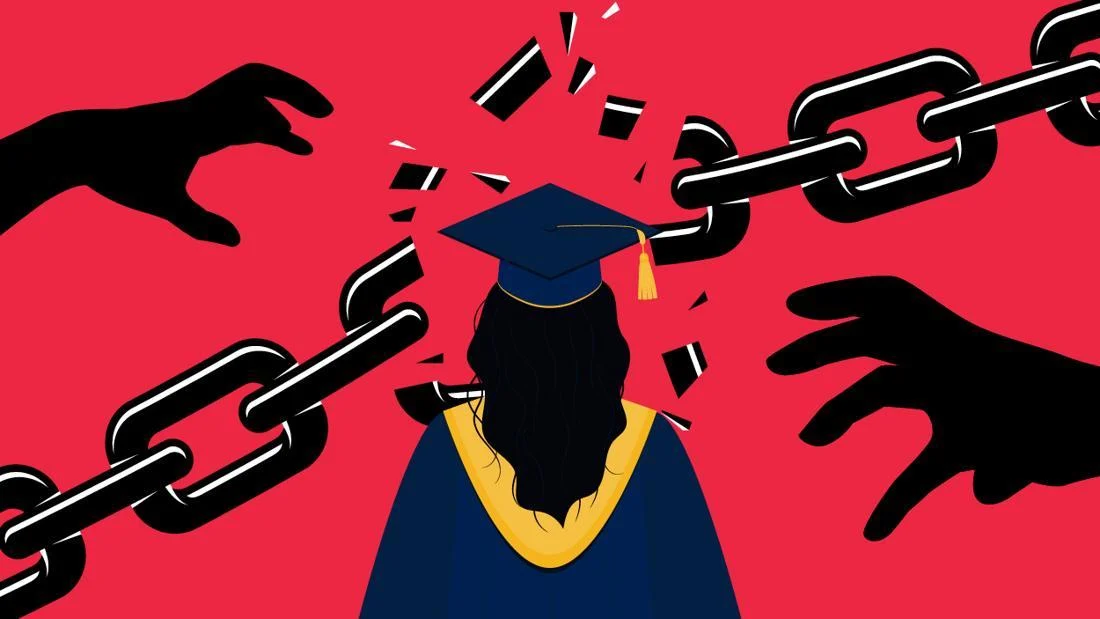
Jakarta, Indonesia – Universitas Pasundan (Unpas) in Bandung has been plunged into a crisis of trust and academic integrity following grave allegations of sexual harassment against several of its lecturers, implicating a dozen or more female students. The unfolding scandal has ignited widespread outrage, prompting hundreds of students from the Faculty of Law to stage a powerful protest, demanding accountability and an end to alleged impunity within the institution. As the details emerge, the case underscores persistent challenges in safeguarding students within academic environments and the critical need for robust mechanisms to address and prevent sexual violence.
Main Facts: A Campus Confronts Its Dark Underbelly
The allegations surfaced on Saturday, October 10, 2026, when initial reports of sexual misconduct by Unpas lecturers began circulating on social media platforms. These disturbing claims quickly escalated, drawing the attention of the student body’s representative council. Within days, the Badan Eksekutif Mahasiswa (BEM) of the Faculty of Law Unpas acted as a crucial conduit, consolidating multiple individual testimonies into a formal collection of complaints.
By Friday, October 16, 2026, the BEM FH Unpas confirmed receiving no fewer than 13 distinct reports of alleged sexual harassment. These reports collectively pointed to approximately four to six lecturers as the suspected perpetrators. The sheer volume of complaints and the number of alleged abusers sent shockwaves through the university community, leading to an immediate and vocal student response.
In a display of solidarity and resolve, hundreds of students from the Faculty of Law Unpas converged in a mass demonstration, vehemently rejecting the continued presence of the accused lecturers within the university’s hallowed halls. Their collective voice served as a powerful demand for justice, transparency, and the immediate safeguarding of student welfare.
Responding to the escalating crisis, Unpas’s leadership, through its Vice Rector I, Prof. Cartono, issued a strong condemnation of all forms of sexual violence and announced the impending non-activation of the implicated lecturers. Concurrently, the legislative branch of the Indonesian government, represented by Lalu Hadrian Irfani, Deputy Chairman of Commission X of the House of Representatives (DPR RI), weighed in, calling for a thorough, transparent, and objective investigation, emphasizing the imperative of victim protection and non-discriminatory legal action. The case has thus quickly transcended the boundaries of a campus issue, drawing national attention and highlighting systemic vulnerabilities within higher education institutions.
Chronology of Events: From Whispers to Public Outcry
The timeline of the Unpas sexual harassment allegations reveals a rapid escalation from initial social media reports to widespread public and institutional engagement.
Saturday, October 10, 2026: The Spark Ignites on Social Media
The first whispers of misconduct began to spread across various social media platforms. Students, likely fearing reprisal or unsure of formal channels, turned to digital spaces to share their experiences and suspicions regarding certain lecturers at Universitas Pasundan. While initially fragmented, these online posts collectively painted a worrying picture, suggesting a pattern of inappropriate behavior. This digital dissemination served as a critical catalyst, bringing previously isolated incidents into a broader, albeit informal, public domain.
Early to Mid-October 2026: BEM FH Unpas Takes the Helm
Recognizing the gravity and potential scale of the allegations, the Badan Eksekutif Mahasiswa (BEM) of the Faculty of Law Unpas stepped forward. Under the leadership of its General Chairman, Dhean Salvez Ilhammy, the student body organization initiated a crucial process of information gathering and victim support. The BEM actively encouraged students who had experienced or witnessed harassment to come forward, providing a more formal and confidential channel for reporting than social media. This proactive approach was instrumental in consolidating individual accounts and lending credibility to the nascent claims. The BEM’s role evolved from merely observing social media chatter to becoming a central facilitator for student aspirations and a repository for sensitive testimonies.
Friday, October 16, 2026: Student Mobilization and Official Responses
The culmination of the BEM’s efforts became starkly evident on this pivotal day.
- Morning/Afternoon: Hundreds of students from the Faculty of Law Unpas converged on campus grounds, staging a significant protest. Their demonstration was a powerful, unified rejection of the accused lecturers, demanding their removal and accountability. The protest served not only as a public expression of anger and frustration but also as a direct challenge to the university administration to take decisive action.
- Later in the day: BEM FH Unpas General Chairman, Dhean Salvez Ilhammy, publicly confirmed the alarming statistics: "For the last [update], we have received 13 reports, and there are approximately 4 to 6 alleged perpetrators," as quoted by detikJabar. This official confirmation from the student body underscored the severity and scale of the problem.
- Concurrently: The Unpas administration, represented by Vice Rector I Prof. Cartono, issued a stern statement to detikNews. He affirmed the university’s unwavering stance against all forms of sexual violence, harassment, intimidation, and abuse of power within the academic environment. Crucially, Prof. Cartono announced the university’s intent to "non-activate" the implicated lecturers, signaling immediate administrative action.
- Same Day: The national legislature, through Lalu Hadrian Irfani, Deputy Chairman of Commission X DPR RI, responded to the burgeoning scandal. Speaking to Antara, Irfani called for a thorough, transparent, and objective investigation, emphasizing the need for legal action without favoritism and robust protection for victims and witnesses. He also highlighted the dual responsibility of the campus to impose administrative sanctions and for the legal system to pursue criminal charges.
The swift progression of events from initial online whispers to coordinated student action and official institutional and governmental responses within a week highlights the immediate and profound impact of these allegations on Unpas and the broader community. The rapid mobilization of students and the prompt, albeit initial, reactions from authorities demonstrate a growing awareness and intolerance for sexual harassment in academic settings.
Supporting Data: The Alarming Scale and Student Resolve
The specific figures emerging from the Unpas scandal paint a deeply troubling picture and underscore the urgent need for intervention. Dhean Salvez Ilhammy, the General Chairman of BEM FH Unpas, confirmed the disturbing scope of the allegations, stating, "For the last [update], we have received 13 reports, and there are approximately 4 to 6 alleged perpetrators." This statistic is particularly alarming for several reasons:
- Number of Victims: Thirteen female students reporting sexual harassment is a significant number for a single faculty within a university. It suggests a potentially pervasive issue rather than isolated incidents, indicating a systemic problem that may have gone unchecked for some time. Each report represents an individual who has allegedly suffered a profound violation within an environment that should be safe and conducive to learning.
- Number of Alleged Perpetrators: The involvement of "approximately 4 to 6" lecturers points to a network or culture of misconduct rather than just one rogue individual. This raises serious questions about the oversight mechanisms, reporting channels, and overall ethical climate within the Faculty of Law at Unpas. The implication is that multiple figures in positions of authority may have exploited their power.
- The "Irony" of the Faculty of Law: Salvez articulated a profound sense of disillusionment and "irony" regarding the location of these alleged abuses. "This is very ironic," he lamented, "because we study here to uphold justice, to uphold the law, but within it, behind it, these legal values are being undermined by individuals who are themselves within the Faculty of Law." This sentiment reflects a deep betrayal of trust. Students who are learning the principles of justice and legality are confronted with its antithesis by the very people entrusted to educate them. This paradox not only damages the victims but also erodes the fundamental principles and reputation of the institution designed to cultivate legal professionals.
The student protest itself, involving hundreds of Fakultas Hukum Unpas students, was a powerful testament to their collective resolve. It wasn’t merely a spontaneous outburst but, as Salvez noted, "a form of facilitating student aspirations." This highlights the organized and deliberate nature of the demonstration, driven by a clear purpose: to amplify the voices of the victims, hold the alleged perpetrators accountable, and press the university for decisive action. The sheer volume of participants underscored the widespread concern and the deep-seated desire for a safe and just academic environment. The students’ willingness to openly challenge figures of authority, despite potential academic or social repercussions, demonstrates a formidable commitment to ethical principles and a zero-tolerance stance against sexual harassment. Their actions serve as a vital warning to institutions that silence and inaction will no longer be tolerated in the face of such grave injustices.
Official Responses: University Vows Action, Legislature Demands Justice
The gravity of the allegations at Universitas Pasundan has elicited strong condemnations and promises of action from both the university administration and the national legislative body, underscoring the broad societal implications of the crisis.
University’s Stance: Zero Tolerance and Immediate Measures
Prof. Cartono, Vice Rector I of Unpas, swiftly addressed the escalating situation, conveying the university’s firm stance against such egregious acts. His statement, reported by detikNews, was unequivocal: "Universitas Pasundan condemns all forms of sexual violence, harassment, intimidation, and abuse of power in the academic environment, including any future criminalization." This declaration serves as a crucial affirmation of the university’s commitment to upholding a safe and respectful learning atmosphere, at least in principle.
Crucially, Prof. Cartono announced the university’s intention to "non-activate" the lecturers implicated in the allegations. While the precise details of "non-activation" may vary, it typically signifies an immediate suspension from all teaching, research, and administrative duties. This administrative measure is a critical first step, intended to:
- Protect Potential Victims: By removing the accused individuals from their positions of power, the university aims to prevent further potential harm to students and ensure a safer environment during the investigation period.
- Facilitate Impartial Investigation: The temporary removal of the lecturers minimizes their ability to interfere with internal investigations or intimidate witnesses.
- Signal Seriousness: It sends a clear message to the university community and the wider public that Unpas is taking the allegations seriously and is committed to addressing them, rather than simply dismissing them.
The "non-activation" is likely the precursor to a more comprehensive internal investigation, which would involve gathering evidence, interviewing all parties involved, and determining the appropriate disciplinary actions in accordance with university regulations and potentially national laws. The university’s statement also implicitly acknowledges the potential for these allegations to lead to criminal proceedings, demonstrating a recognition of the dual administrative and legal pathways that such cases often follow.
Legislative Oversight: Demands for Transparency and Victim Protection
The allegations at Unpas have also caught the attention of the national government, with the House of Representatives (DPR RI) stepping in to demand a thorough and just resolution. Lalu Hadrian Irfani, Deputy Chairman of Commission X DPR RI (which oversees education, sports, and history), emphasized the need for a comprehensive and unbiased investigation. Speaking to Antara, Irfani articulated several critical demands:
- Thorough and Objective Investigation: He insisted that "whoever is involved must be objectively investigated." This demand for objectivity is paramount to ensure that the investigation is not swayed by personal connections, institutional reputation, or the status of the accused individuals.
- No "Tebang Pilih" (Selective Justice): Irfani’s powerful assertion that "There should be no favoritism and no attempts to protect the alleged perpetrators, whoever they are and whatever their position" directly addresses a common fear in such cases—that powerful individuals might be shielded from accountability. This principle of non-discrimination is fundamental to establishing trust in the justice system.
- Protection for Victims and Witnesses: Recognizing the immense vulnerability of those who come forward, Irfani stressed the importance of "ensuring victims receive protection." This includes safeguarding their identities, preventing retaliation, and providing necessary psychological and legal support to ensure they can participate in the investigation without further trauma or fear.
- Dual Sanctions: Administrative and Criminal: Irfani clearly outlined the dual nature of accountability required. He urged the campus to impose severe administrative sanctions, including "termination of employment for the lecturers involved." Simultaneously, he demanded that "the criminal legal process must proceed in accordance with statutory provisions," separating the university’s internal disciplinary actions from the state’s criminal justice system. This ensures that even if an individual is terminated by the university, they can still face criminal charges if their actions constitute a crime.
- Oversight by Kemdiktisaintek: Finally, Irfani called upon the Ministry of Higher Education, Science, and Technology (Kemdiktisaintek – as per the original text, though current is Kemendikbudristek) to actively monitor the handling of the case. This oversight is crucial to ensure that the investigation process at Unpas adheres to established protocols, remains transparent, and ultimately delivers justice. It also underscores the national government’s role in ensuring the integrity and safety of educational institutions across the country.
The combined responses from Unpas leadership and the DPR RI signify a robust commitment, at least publicly, to addressing the sexual harassment allegations. These statements lay the groundwork for a multifaceted approach involving internal disciplinary actions, external criminal investigations, and continuous governmental oversight, all aimed at achieving justice for the victims and restoring trust in the academic environment.
Implications: A Broader Call for Accountability and Systemic Change
The sexual harassment scandal at Universitas Pasundan extends far beyond the immediate individuals involved, carrying profound implications for the victims, the institution, the broader Indonesian higher education landscape, and societal norms surrounding gender-based violence. This incident serves as a stark reminder of persistent vulnerabilities within academic settings and the urgent need for comprehensive systemic reform.
Impact on Victims: Trauma, Trust, and the Path to Healing
For the 13 female students who have bravely come forward, the implications are deeply personal and potentially long-lasting. Experiencing sexual harassment by those in positions of power, particularly educators, can inflict severe psychological trauma, including anxiety, depression, post-traumatic stress disorder (PTSD), and a profound sense of betrayal. Their academic journeys may be disrupted, their trust in authority figures shattered, and their ability to feel safe within an educational environment compromised.
The university and external support systems must prioritize the well-being of these victims. This entails providing immediate and ongoing access to professional counseling, mental health services, and legal aid. Crucially, the institution must ensure that victims are protected from any form of retaliation, intimidation, or further victimization during the investigative and legal processes. Their voices must be heard, respected, and central to the pursuit of justice, fostering an environment where healing and recovery are possible. The ability of the university to support these students effectively will be a critical measure of its commitment to true justice.
Institutional Accountability: Rebuilding Trust and Fostering a Safe Environment
For Universitas Pasundan, the scandal presents a significant challenge to its reputation and integrity. Beyond the immediate disciplinary actions against the accused lecturers, the university must undertake a thorough self-assessment of its internal policies, reporting mechanisms, and campus culture. This includes:
- Reviewing and Strengthening Policies: Examining existing sexual harassment policies to ensure they are clear, comprehensive, accessible, and compliant with national laws.
- Enhancing Reporting Mechanisms: Creating multiple, confidential, and easily accessible channels for reporting harassment, ensuring that students feel safe and supported when coming forward.
- Training and Awareness Programs: Implementing mandatory, regular training for all faculty, staff, and students on sexual harassment prevention, consent, bystander intervention, and the appropriate use of power dynamics.
- Clear Disciplinary Procedures: Establishing transparent and consistently applied disciplinary procedures for cases of misconduct, ensuring that sanctions are proportionate and effective.
- Culture Change: Actively working to dismantle any culture of silence, impunity, or victim-blaming that may exist within the institution. This requires visible leadership, consistent messaging, and a genuine commitment to fostering an environment of respect and equity.
Failure to address these systemic issues comprehensively could lead to lasting damage to Unpas’s credibility, deterring future students and faculty and undermining its academic mission. Rebuilding trust will require sustained effort, transparency, and demonstrable commitment to change.
Broader Implications for Higher Education in Indonesia: A Call to Action
The Unpas case is not an isolated incident but rather indicative of broader challenges within Indonesia’s higher education sector. Similar allegations have surfaced in other universities, highlighting a systemic vulnerability to abuse of power and inadequate protection for students. This incident should serve as a wake-up call for:
- National Policy Review: The Ministry of Higher Education, Science, and Technology (Kemdiktisaintek) must actively review and strengthen national guidelines and regulations for preventing and handling sexual harassment in all universities.
- Standardized Protocols: There is a need for standardized, clear, and enforceable protocols that all universities must adopt, ensuring consistency in how such cases are investigated and adjudicated.
- Data Collection and Transparency: Encouraging universities to transparently report on sexual harassment cases and their outcomes, which can help identify patterns, evaluate the effectiveness of policies, and foster greater accountability.
- Empowering Student Bodies: Recognizing and supporting the vital role of student organizations like BEM in advocating for student rights and holding institutions accountable.
Legal and Ethical Dimensions: Upholding Justice and Academic Integrity
The demand from the DPR RI for both administrative and criminal processes underscores the dual nature of accountability. Beyond internal university sanctions, the alleged perpetrators must face the full force of the law if their actions constitute criminal offenses. This ensures that justice is served not only within the academic sphere but also within the broader legal framework, reinforcing the principle that no one is above the law, regardless of their position.
Ethically, the case highlights the profound abuse of power inherent in the lecturer-student relationship. Educators are entrusted with the intellectual and personal development of their students, and any exploitation of this trust for personal gratification represents a severe breach of professional ethics and academic integrity. The pursuit of justice in this case is crucial for reaffirming the sanctity of the learning environment and the ethical responsibilities that come with teaching.
The Role of Student Activism: A Force for Change
Finally, the courageous actions of the hundreds of Unpas students, led by BEM FH Unpas, demonstrate the indispensable role of student activism in holding institutions accountable. Their collective voice has ensured that these allegations cannot be swept under the rug, forcing both the university and the government to respond. This incident reinforces the power of student movements as critical drivers for social justice and institutional reform within educational settings.
In conclusion, the Unpas sexual harassment scandal is a poignant and disturbing case that demands robust and transparent action. Its resolution will not only determine justice for the victims but also set a crucial precedent for how Indonesian universities address and prevent sexual violence, ultimately shaping the safety and integrity of higher education for generations to come. The eyes of the nation are now fixed on Universitas Pasundan, awaiting a decisive response that champions justice, protects the vulnerable, and rebuilds trust.


 Asep Darmawan

 Basiran

 Reynand Wu

 Sagoh


 Azzam Bilal Chamdy

 Ali Ikhwan