
 Sagoh
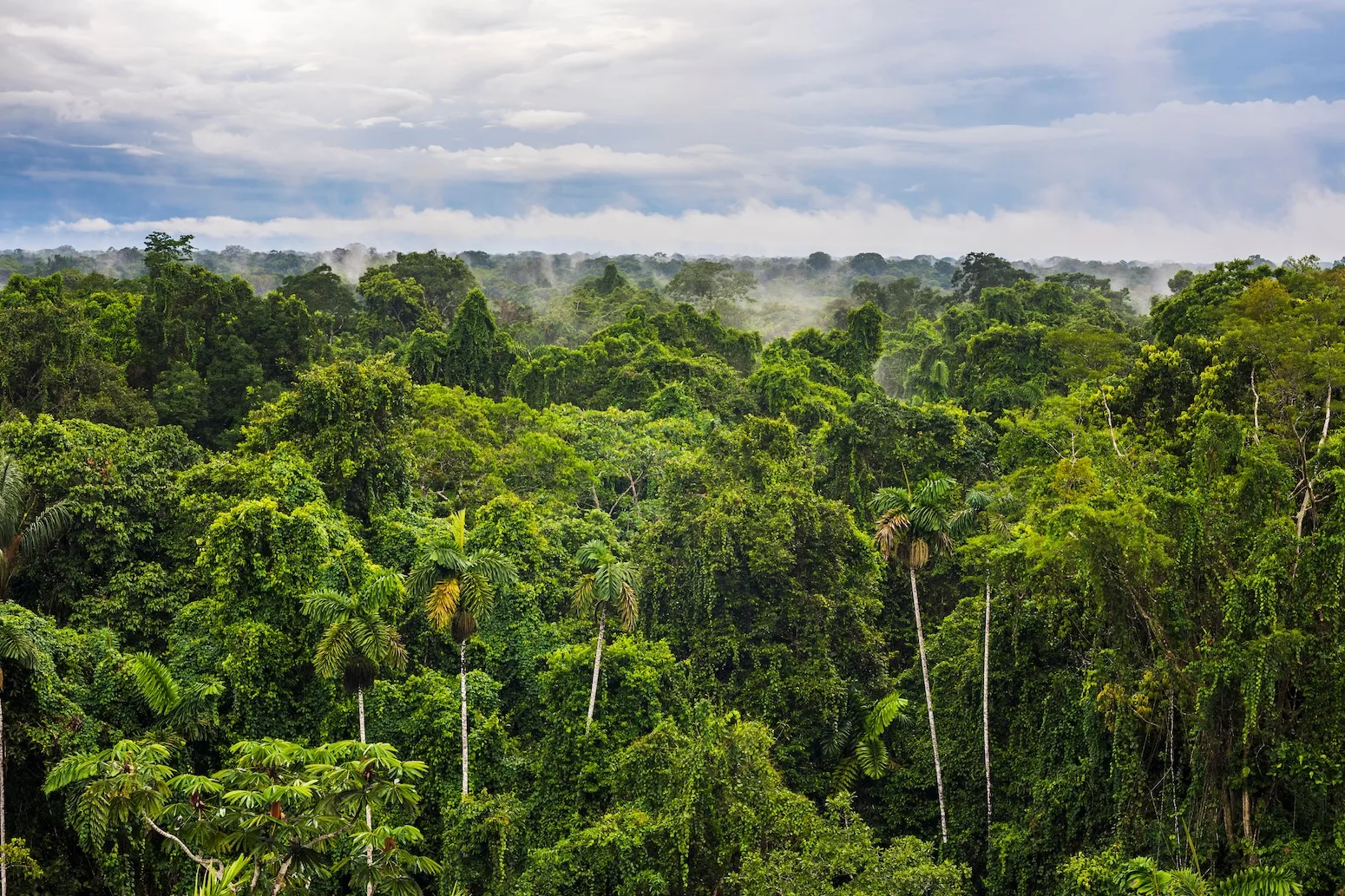
As Brazil approaches a pivotal presidential election, the fate of the Amazon rainforest hangs in the balance. New analysis from Carbon Brief reveals that the leadership of President Luiz Inácio Lula da Silva has effectively kept an area of forest roughly the size of the U.S. state of New Jersey—or the nation of Wales—standing, marking a dramatic reversal from the policies of his predecessor, Jair Bolsonaro.
With polls showing a dead heat between the incumbent, Lula, and challenger Flávio Bolsonaro, the son of the former president, the environmental trajectory of the world’s fourth-largest carbon emitter is once again the subject of intense global scrutiny.
Main Facts: A Tale of Two Administrations
The Amazon, home to nearly 60% of the world’s largest rainforest, has been the primary battleground for Brazilian domestic and environmental policy for the last decade. During the far-right presidency of Jair Bolsonaro (2019–2022), the region saw an unprecedented surge in deforestation, fueled by the weakening of regulatory bodies, slashed federal budgets, and an open rhetoric that empowered illegal land-grabbing, mining, and logging.
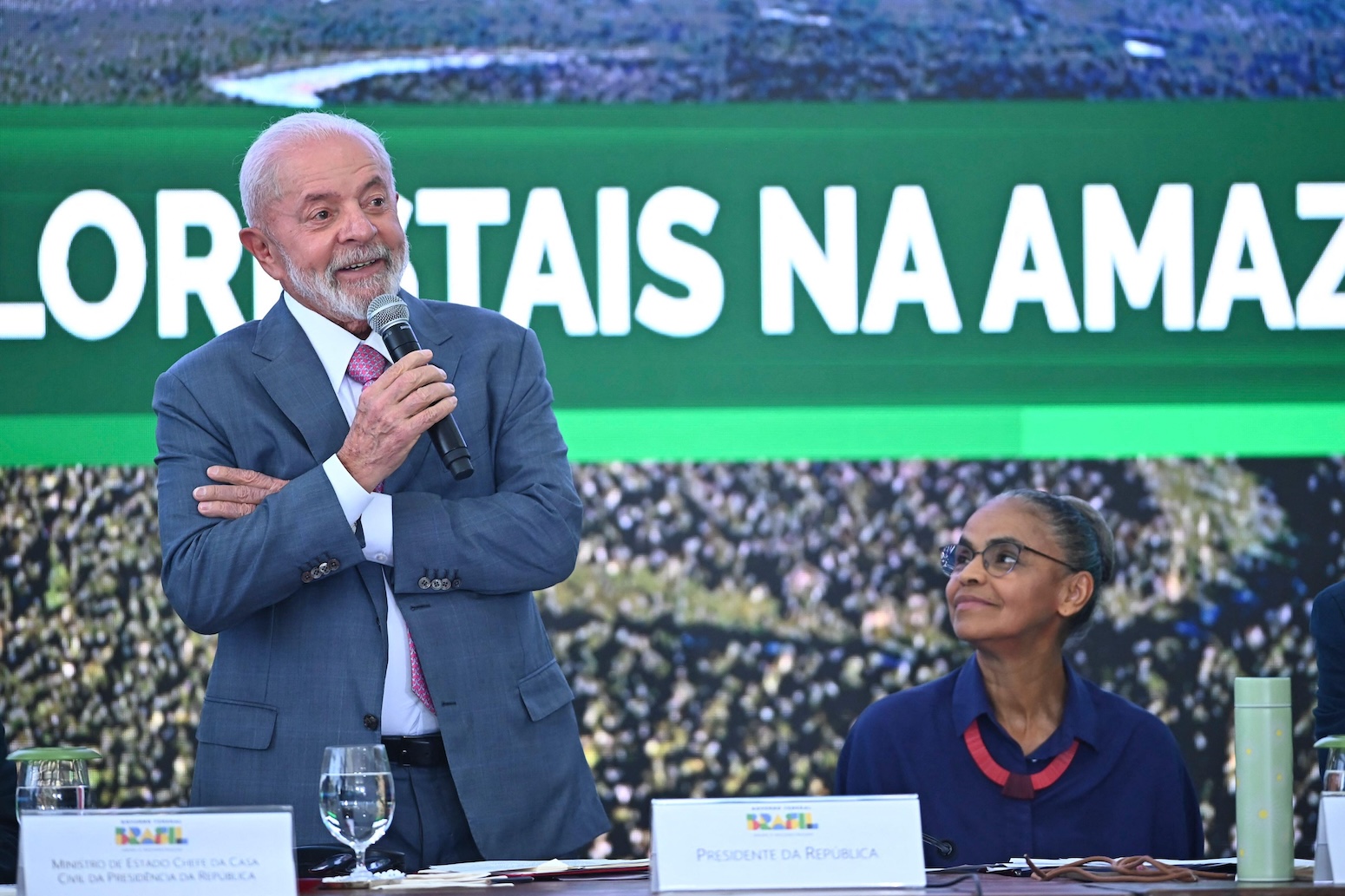
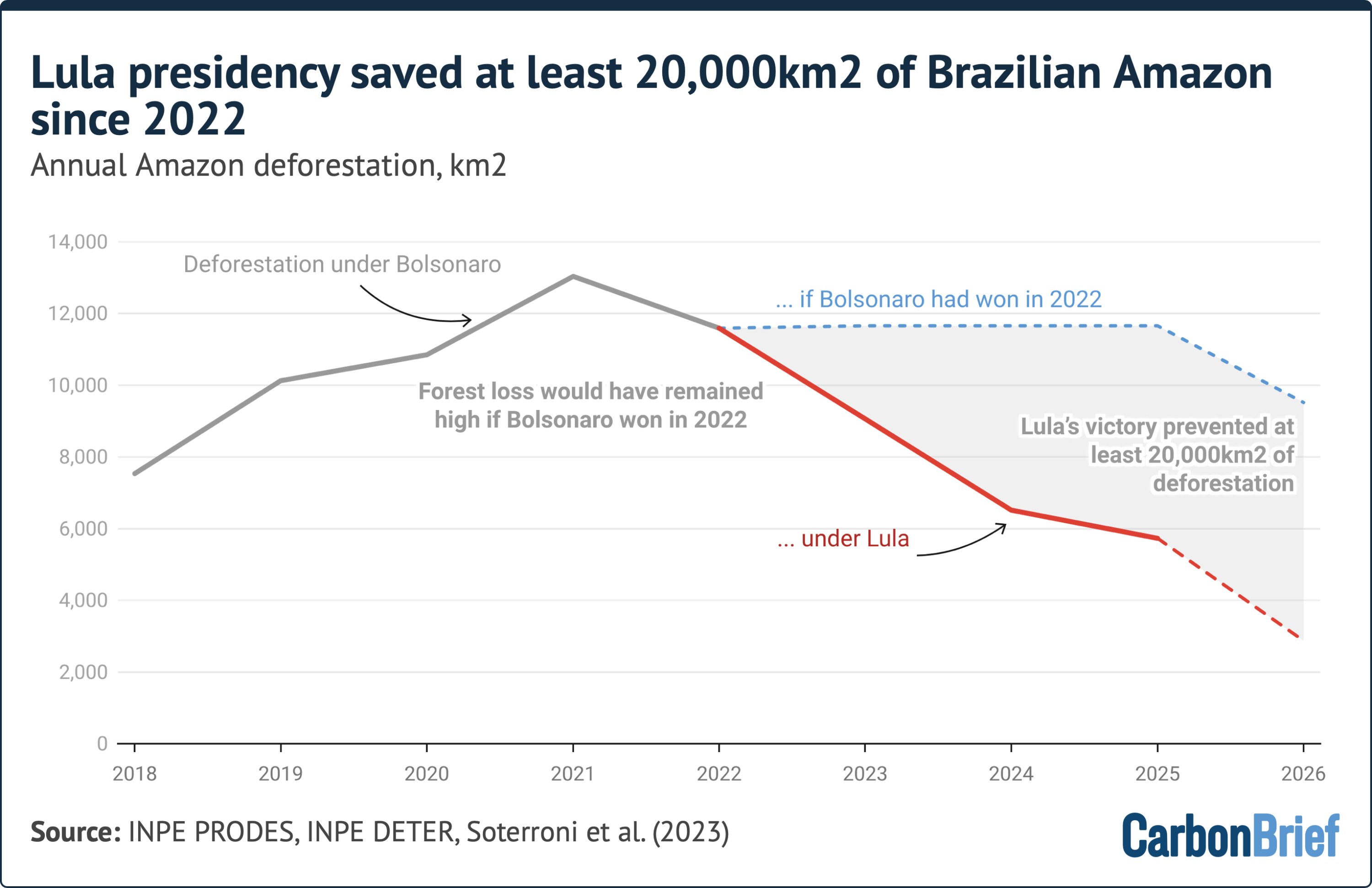
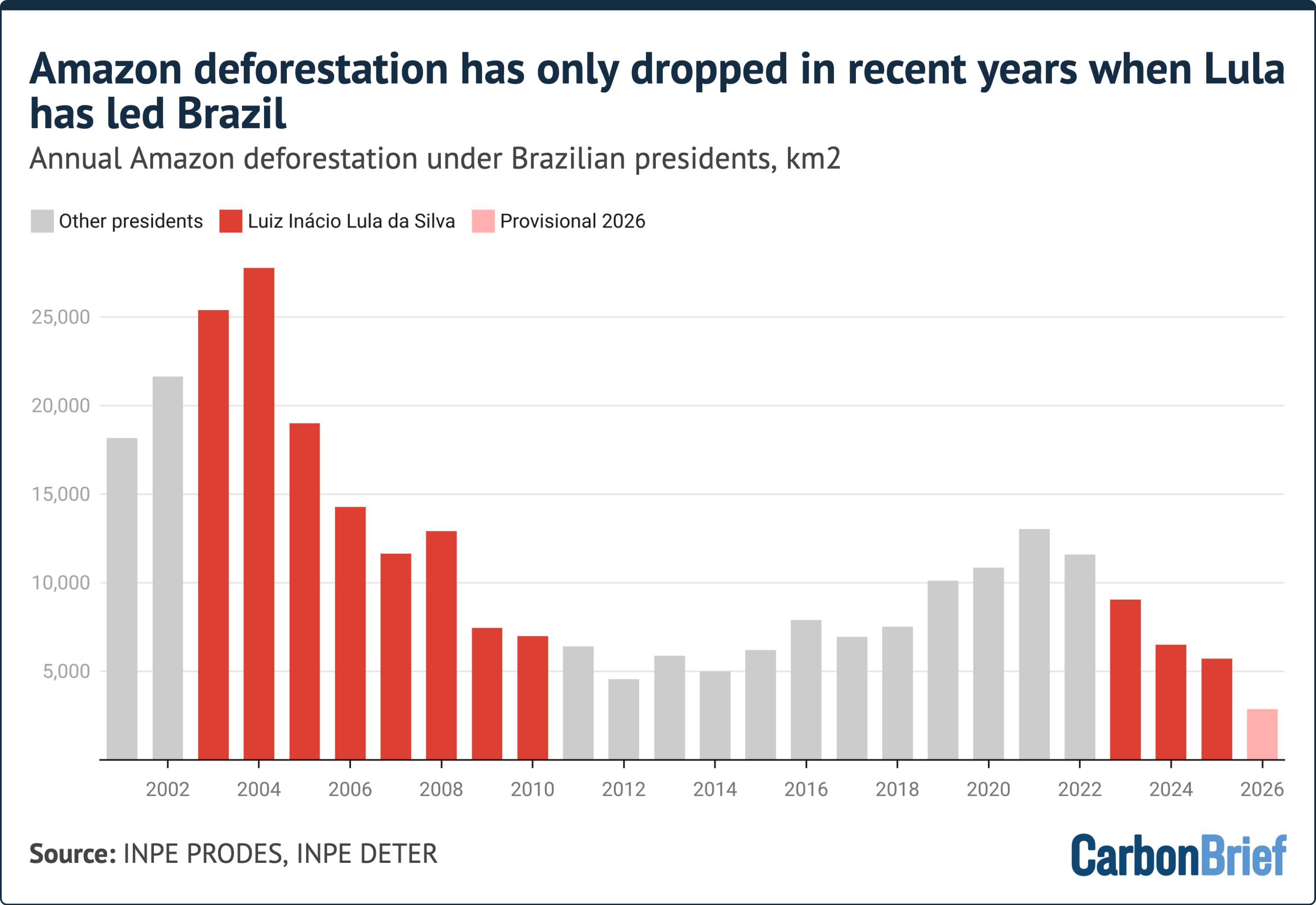
In stark contrast, Lula’s return to power in 2023 signaled a policy shift aimed at curbing these trends. By reinstating the national deforestation action plan and empowering environmental enforcement agencies, his administration oversaw a sharp decline in forest loss. Annual deforestation rates have plummeted from 11,594 km² in 2022 to 5,731 km² in 2025. Preliminary satellite data for 2026 suggests the country is on track to record its lowest level of deforestation since records began in 1988.
However, the political climate remains fragile. With Jair Bolsonaro currently imprisoned for his role in a post-election coup plot, his political legacy is being carried forward by his son, Flávio. The upcoming October 4th election is not merely a choice between two candidates, but a referendum on whether Brazil will continue its path toward "zero deforestation by 2030" or return to a model of aggressive exploitation.
A Chronology of Conservation and Conflict
To understand the current stakes, one must view the history of the Amazon through the lens of recent political cycles:
- 2004–2012: An era of massive progress. Under previous Lula administrations, Brazil successfully reduced deforestation by over 80% through strict law enforcement and satellite monitoring.
- 2019–2022: The Bolsonaro Era. The administration effectively dismantled the "Forest Code," the nation’s flagship environmental legislation requiring landowners to preserve native vegetation. Enforcement agencies like IBAMA were gutted, leading to a surge in illegal activity.
- 2023: The "Brazil is Back" pledge. Lula assumed office, promising to halt deforestation by 2030. His administration prioritized the restoration of environmental policing, led by Minister of the Environment Marina Silva.
- 2025: Political volatility. Despite progress, the Brazilian Congress—dominated by right-wing factions—passed the "devastation bill," a piece of legislation that curtailed federal power to regulate forest clearing, signaling a growing rift between the executive and legislative branches.
- 2026: The Election Year. As the country heads to the polls, the collapse of the Amazon soy moratorium and the rise of right-wing candidates across South America have created a precarious environment for conservationists.
Supporting Data: Modelling the "What If"
The Carbon Brief analysis is built upon sophisticated modelling from an international research team, including experts from the University of Oxford and Brazil’s National Institute for Space Research (INPE). By utilizing the GLOBIOM-Brazil model, researchers compared actual deforestation rates against a "baseline" scenario where the Forest Code was left unenforced—a proxy for the status quo under the previous administration.
The results are sobering. At least 20,000 km² of forest that would have been cleared under a "business-as-usual" Bolsonaro-style scenario remains standing today. Dr. Aline Soterroni, who led the 2023 analysis, notes that this estimate is likely "conservative."
"The reversal seen under Lula shows how quickly deforestation can respond to political will," Dr. Soterroni explains. However, she warns that the "no-enforcement" scenario used in the study does not fully account for the potential for a total explosion of illegal wildcat mining or the systemic collapse of environmental governance that occurred during the 2019–2022 period. Experts like Claudio Angelo of the Climate Observatory argue that a return to that style of governance would likely result in rates "much higher" than even those seen during the first Bolsonaro term.
Official Responses and Political Platforms
The platforms of the two frontrunners offer a stark dichotomy in vision for the Amazon.
The Lula Agenda
Lula’s administration has maintained a clear focus on the "zero deforestation by 2030" goal. His campaign has reaffirmed its commitment to the Paris Agreement and the 2035 climate pledges to cut emissions by 59–67% from 2005 levels. His supporters emphasize that his leadership is the "only thing standing between us and a wide destruction of the Amazon."
The Bolsonaro Platform
Flávio Bolsonaro, a climate skeptic, has centered his campaign on the interests of the agribusiness sector. While he has made a vague pledge to reach "zero illegal deforestation by 2029," analysts are deeply skeptical. Claudio Angelo notes, "The only way you can trust him on this is to think that he is going to revoke the forest code and make all illegal deforestation legal." His track record as a legislator includes active attempts to formally dismantle the forest code, suggesting his presidency would favor the rapid expansion of extractive industries.

Implications: A Continent-Wide Crisis
The significance of the Brazilian election extends far beyond its borders. If Flávio Bolsonaro secures the presidency, he would join a growing bloc of right-wing leaders in Bolivia, Colombia, Ecuador, and Peru who prioritize industrial development over environmental conservation. Experts warn that as much as 95% of the Amazon could soon be under the jurisdiction of governments that view the rainforest as an obstacle to economic growth rather than a vital global climate stabilizer.
Furthermore, the domestic landscape is complicated by the end of the Amazon soy moratorium. With major grain traders withdrawing from this voluntary pact earlier this year, the protection of the forest is increasingly falling solely on the shoulders of the federal government. Research suggests that the end of this moratorium could lead to an additional 14,000 km² of deforestation by 2036.
The Congressional Hurdle
The next president will also face a challenging legislative environment. With half of the Brazilian Congress held by right-leaning parties, the "devastation bill" serves as a warning of what is to come. If the presidency and the congress align under a pro-extractive agenda, the environmental progress of the last three years could be erased in a matter of months.
As Dr. Patricia Pinho of the Amazon Environmental Research Institute puts it, "I don’t think we can afford four years of increasing deforestation and violence against Indigenous peoples."
Conclusion
The election on October 4th is a defining moment for the planet. While the data proves that policy and political will can successfully arrest the destruction of the Amazon, the fragility of these gains is clear. The choice facing Brazilian voters is not just between two candidates, but between a future that values the ecological integrity of the planet and one that risks the irreversible collapse of the world’s most important carbon sink. As the polls tighten, the global community watches, knowing that the "greenest" policies in the world are only as permanent as the next ballot cast.


 Raul Delapena Setiawan

 Laily UPN

 Reynand Wu



 Azzam Bilal Chamdy

 Ali Ikhwan
