
 Raul Delapena Setiawan
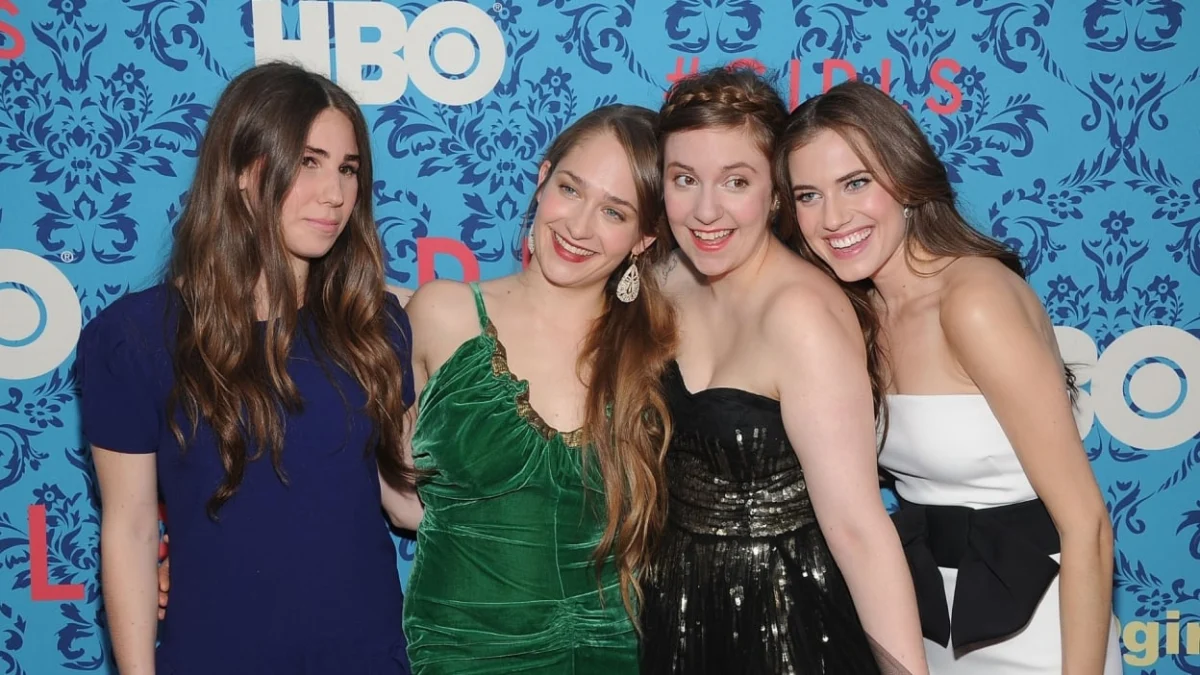
When Lena Dunham’s Girls first graced HBO in 2012, it didn’t just premiere a television show; it ignited a cultural firestorm. For six seasons, the series served as a polarizing, unflinching, and often uncomfortable mirror for the millennial experience. Now, nearly a decade after the credits rolled on the original series, HBO has officially announced a five-episode limited revival, set to bring Hannah, Marnie, Jessa, and Shoshanna back into the fold.
As fans prepare to return to the chaotic, hyper-specific world of these four women, the question isn’t just where they are—it’s how they have evolved, or perhaps, devolved, in the age of social media, algorithmic anxiety, and the shifting landscape of adulthood.
The Genesis of the Revival: A Look Back and Ahead
The original Girls was a lightning rod. It was lauded for its authentic, if cringe-inducing, depiction of early-twenties entitlement and condemned for its narrow perspective. However, it was undeniably influential. It launched careers, redefined the "dramedy" genre, and cemented a specific aesthetic of Brooklyn life that remains a cultural touchstone.
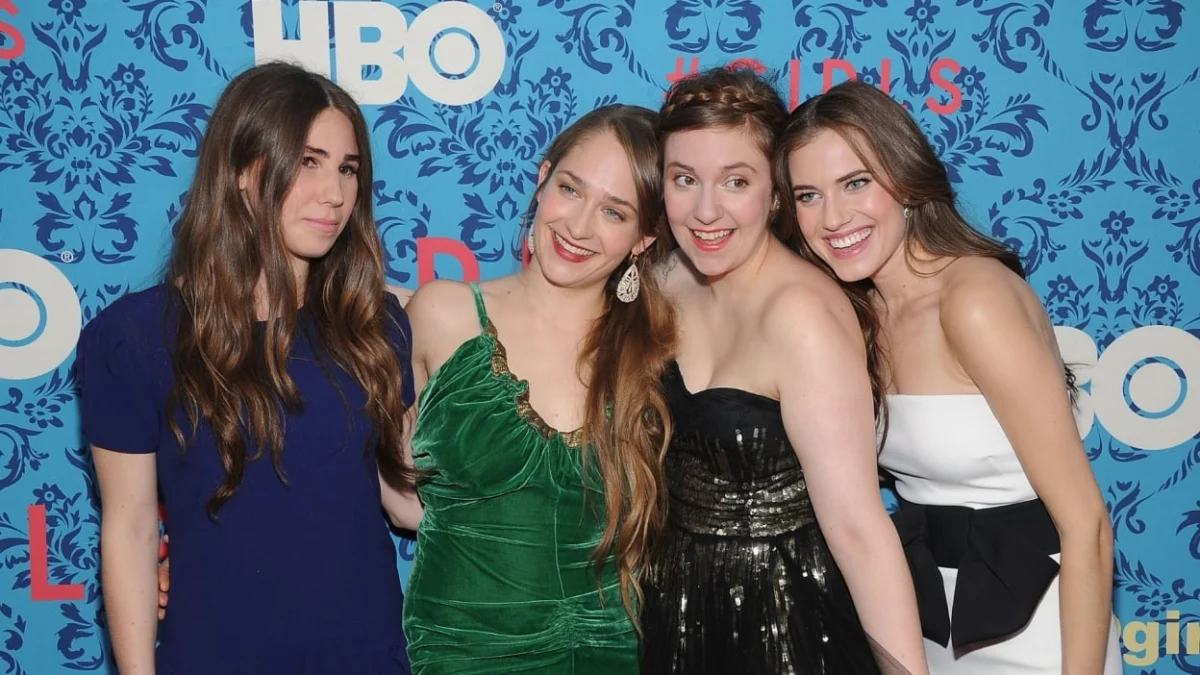
The announcement of the five-episode revival has sparked intense speculation. With the original cast—Dunham, Allison Williams, Jemima Kirke, and Zosia Mamet—all returning, the series faces the daunting task of justifying its comeback while maintaining the raw, abrasive energy that defined its initial run.
A Chronology of the ‘Girls’ Era
- 2012: Girls premieres on HBO, immediately becoming the most discussed show in pop culture.
- 2014: The series continues to push boundaries with its frank portrayal of mental health, career instability, and toxic relationships.
- 2017: The series finale airs, leaving the characters in fragmented, uncertain states of independence.
- 2026: HBO officially confirms a five-episode limited event series to catch up with the protagonists.
Character Evolutions: Where Are They Now?
The beauty of Girls was always its commitment to character flaws. These women weren’t meant to be role models; they were meant to be real, which often meant being selfish. As we look toward the 2026 return, we have to consider how their archetypal traits have manifested in their mid-thirties.
The Wellness Grifter and the Mommy Influencer
Jessa, once the bohemian wildcard, seems perfectly positioned for the modern "wellness industrial complex." One can easily imagine her curating a pseudo-spiritual retreat in the Hudson Valley, complete with overpriced tinctures and questionable healing certifications.
Marnie, on the other hand, likely found her calling in the performative nature of social media. A "divorced mommy influencer" persona fits her desperate need for validation and her history of curated perfection. Her transition into the podcasting sphere—perhaps titled Becoming Marnie—would be a logical, albeit excruciatingly funny, step for a character defined by her inability to know who she actually is.

The Professional Pivot: From Startup Girl to Literary Rival
Shoshanna was always the most ambitious of the group. Having matured from a naive NYU student into a corporate titan, she is the most likely to have successfully navigated the "girlboss" era. Her pivot into a multimillion-dollar startup founder, complete with LinkedIn-speak and Forbes profiles, offers a sharp contrast to Hannah’s likely struggle to adapt to the digital economy.
Hannah, meanwhile, remains the show’s anchor. Her journey through the late 2010s and early 2020s would surely involve the pitfalls of modern internet culture—viral shame, the pressure of Substack, and the exhaustion of trying to be "the voice" in an era where everyone has a megaphone.
The Cultural Landscape of the Revival
The 2026 iteration of Girls will exist in a vastly different New York City than the one depicted in 2012. The neighborhoods are more expensive, the bars have turned into boutiques, and the "Brooklyn aesthetic" has been commodified to the point of parody.
The Impact of Social Media and Digital Decay
The revival has the potential to tackle the specific brand of digital fatigue that characterizes our current era. Hannah, who once obsessed over her own artistic importance, would logically clash with a generation of creators who prioritize aesthetics over substance. A narrative thread involving Hannah being "canceled" or mocked on TikTok—and failing to understand why—is almost a requirement for the show’s DNA.
The Generational Divide
One of the most compelling aspects of the proposed revival is the encounter with Gen Z. Watching these millennial women, who once felt like the vanguard of adulthood, now viewed as "cringe" by younger cohorts would be a masterclass in irony. The inclusion of new, younger characters—perhaps acting as mirrors or antagonists to our leads—could highlight the inevitable obsolescence that comes with aging in a youth-obsessed culture.
Supporting Data and Industry Context
The decision to revive Girls is part of a broader trend in the television industry, where nostalgia-driven limited series act as low-risk, high-reward projects for streaming platforms. However, Girls is different. It wasn’t a sitcom; it was a character study.
According to industry analysts, "Prestige nostalgia" is currently the primary driver for HBO’s subscription retention strategies. By revisiting the world of Girls, the network isn’t just banking on the original fanbase; it is attempting to bridge the gap between legacy viewers and a new audience that may have discovered the series through streaming discovery.

Official Responses and Creative Direction
Lena Dunham has remained characteristically vocal about the show’s legacy. In recent interviews, she has emphasized that the revival is not an attempt to "fix" the characters or provide a clean, happy ending. Instead, it is an investigation into what happens when the "formative years" of your twenties collide with the crushing realities of mid-thirties responsibility.
HBO’s creative team has noted that the tone will remain "uncomfortably intimate." They are not looking to soften the edges of the writing; if anything, the show aims to lean into the inherent messiness of these women’s lives.
Implications: Can Lightning Strike Twice?
The return of Girls raises a significant question: Is there still room for these characters in a world that has grown far more cynical since 2017?
The potential for this revival to succeed lies in its willingness to lean into the discomfort. If the show attempts to make the characters more "likable," it will likely fail. The brilliance of Girls was its refusal to provide the audience with a hero. If the revival can capture the same level of self-delusion, longing, and accidental hilarity, it has the potential to be a defining piece of 2026 television.
Key Narrative Threads to Watch:
- The Aging Crisis: How do they cope with the realization that they are no longer the target demographic of their own city?
- The Digital Reckoning: How does Hannah’s intellectual pretension survive the era of short-form video?
- The Relationship Dynamics: Have they grown into a healthier support system, or are they still orbiting each other out of a shared, toxic history?
As we wait for the five-episode premiere, the anticipation is palpable. Whether it turns out to be a nostalgic victory lap or a sobering look at the passage of time, one thing is certain: we are all still, for better or worse, watching to see what the girls do next. They promised to be the voice of a generation; it turns out they were just the first ones to show us that the generation was, and remains, entirely, beautifully broken.

 Reynand Wu
 Iffa Jayyana



 Sagoh


 Azzam Bilal Chamdy

 Ali Ikhwan
