
 Muslim
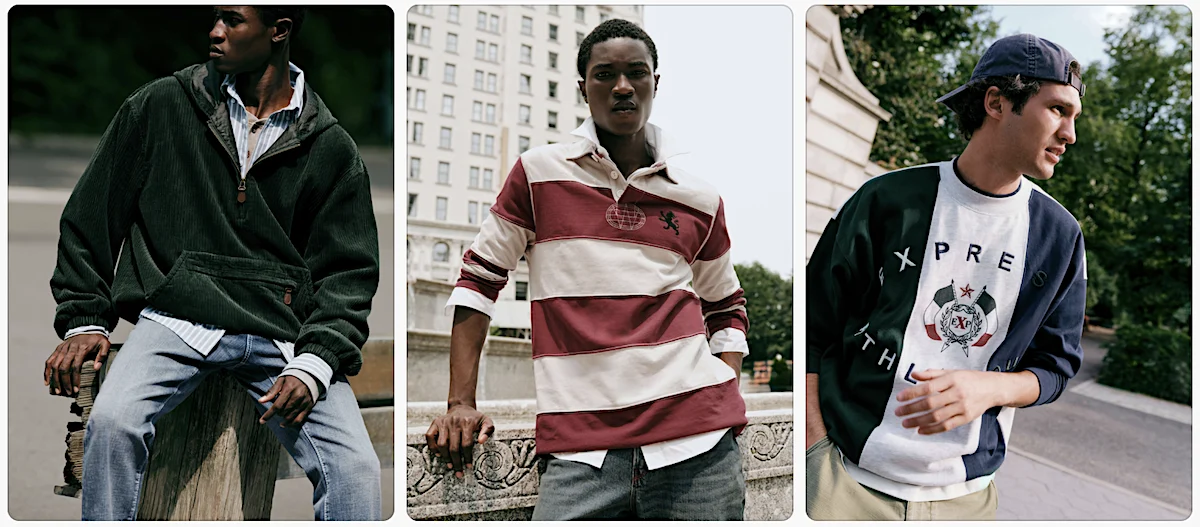
In the fast-paced world of global retail, the prevailing wisdom has long been "out with the old, in with the new." Yet, as we navigate the mid-2020s, a striking paradigm shift has taken hold. For some of the world’s most recognizable fashion houses and heritage brands, the path forward is being paved by looking directly into the rearview mirror.
From the luxury runways of Paris to the accessible staples of suburban shopping malls, brands are systematically excavating their archives to relaunch iconic collections. This is not merely a cycle of trend-chasing; it is a strategic maneuver designed to capture the hearts, minds, and wallets of a generation defined by its complex relationship with history and consumption.
The Main Facts: A Return to the Vault
The archival movement has moved beyond mere "vintage-inspired" capsules; it has become a full-scale institutional strategy. In 2025, the luxury house Chloé made waves by reintroducing its iconic Paddington bag—a quintessential accessory of the early 2000s—under the guidance of creative director Chemena Kamali. The move was met with immediate fervor, proving that the appetite for Y2K-era prestige remains insatiable.
Simultaneously, broader market players have followed suit. In April, Banana Republic collaborated with the nonprofit organization The Explorers Club to reissue adventure-oriented pieces from its deep archives. Similarly, Giorgio Armani debuted "Archivio" in the spring of 2026, a curated selection of 13 men’s and women’s looks painstakingly remade from the brand’s back catalog to resonate with contemporary aesthetics.
These re-releases represent a conscious effort by brands to solidify their "brand DNA." By pulling from their own history, these companies are asserting their authority in an era of mass-produced fast fashion, reminding consumers that their products are not just disposable trends, but artifacts with a lineage.
A Chronology of the Archival Wave
To understand the current obsession with the past, one must look at the timeline of the industry’s pivot:
- 2024 (The Foundation): Brands began testing the waters with small-scale graphic tee reissues and limited-edition collaborations, testing the receptivity of Gen Z to heritage branding.
- Early 2025: Chloé leads the high-fashion charge with the Paddington bag reissue, signaling that luxury nostalgia is back in vogue.
- September 2025: Express launches "Express Archives," a comprehensive collection pulling from both its own history and that of its defunct menswear brand, Structure.
- March 2026: Vera Bradley pivots toward archival prints, creating a buzz with a bespoke collection of 50 bags that sold out in under 30 seconds.
- April 2026: Giorgio Armani formalizes the trend with the launch of the "Archivio" collection, bridging the gap between high-art fashion and retail accessibility.
- Ongoing (2026-Present): The integration of archival aesthetics into mainstream product development has become a permanent feature of seasonal roadmaps for brands like Crocs and beyond.
Supporting Data: The Gen Z “Anemoia” Effect
Why is this happening now? The answer lies in the psychological state of the primary consumer base: Generation Z. According to data from Pacsun’s recent Youth Report, a significant portion of young consumers are experiencing a phenomenon known as "anemoia"—a profound longing for a past they never actually lived.
This sentiment is fueled by a saturation of digital culture and the homogeneity of fast fashion. When everything is available at the click of a button, individuality becomes the ultimate currency.
"I can’t tell you how embarrassing it is to go to a party and walk in and see four people with the exact same shirt," remarked 18-year-old Hannah Schwartz during the Shoptalk Fall conference. This rejection of mass-market uniformity is driving a demand for pieces that carry a sense of "provenance."
The trend is also bolstered by pop culture. Shows like Love Story, which lean heavily into the aesthetic signifiers of the 1990s, have created a halo effect for brands like Calvin Klein and Tommy Hilfiger. Young shoppers are not just buying clothes; they are curating a version of history that feels more authentic than the algorithmic trends of the present.
Official Responses: How Brands are Managing the Reissue
For brands, the challenge is balancing the "old" with the "new." It is not enough to simply copy-paste a design from 1995; the garment must perform like a 2026 product.
Joe Berean, Chief Marketing Officer at Express, emphasizes that the brand’s "Archives" collection—featuring staples like the ’98 Utility Cargo Pant—uses the original silhouettes but integrates modern fabric technologies, such as advanced stretch in denim.
"We see customers dressing this way on the street," Berean says. "It’s self-referential for us. To see them now come back, and to see this new generation of customers embracing them, excited us." Express has even turned to menswear influencers like Jon Alan and Grant Solis to demonstrate how to style these pieces for a modern wardrobe, ensuring the clothes feel relevant rather than costumey.
Vera Bradley has taken a similar approach to its turnaround strategy. Chief Brand Officer Melinda Paraie notes that the brand’s recent success with limited-edition, archive-inspired bags is rooted in the "collectible" nature of the items. "Our customer loves collecting, and the bags sold out in under 30 seconds," she reports, noting that the buyers were primarily new, younger customers who saw the preppy prints as unique fashion statements rather than relics of their mothers’ closets.
Crocs, meanwhile, has leaned into its "Crocband" silhouette to bridge the gap between its sporty, retro roots and modern footwear trends. Lori Foglia, Chief Product Officer at Crocs, notes that the brand only dips into the archives when a design aligns with a specific cultural shift—in this case, the movement toward slimmer, more low-profile silhouettes.
Implications: The Future of the "New"
The rise of the archive collection has several profound implications for the retail industry:
1. The Death of Disposable Fashion?
While fast fashion is unlikely to disappear, the archival trend signals a pivot toward "slow fashion" within the mainstream. By emphasizing the history and construction of a garment, brands are attempting to move the conversation from "how cheap is this?" to "what is the story behind this?"
2. Sustainability Through Longevity
When a brand decides to re-release a classic piece rather than inventing a new one, it often avoids the environmental cost of excessive trend-cycle production. If consumers buy a "reissued" classic that they intend to keep for years, the industry may see a slight decline in the churn-and-burn consumption model.
3. The Curator-Consumer
The role of the consumer is changing. Today’s shopper acts more like a curator. They are hunting for specific prints from 1982 or specific cargo fits from 1998. This allows brands to leverage their intellectual property—their own history—as a distinct competitive advantage against new-to-market brands that lack a backstory.
4. Authenticity as a Business Metric
"Any reissue or revamp has to be authentic with our brand DNA," says Crocs’ Foglia. This sentiment, echoed by Vera Bradley and Express, suggests that the future of fashion branding is not in inventing new logos, but in deepening the relationship with the brand’s existing heritage.
Conclusion
As we look toward the remainder of the decade, it is clear that the "Archive Renaissance" is more than a fleeting aesthetic preference. It is a fundamental shift in how brands value their own history. By treating their back catalogs as living, breathing assets, fashion companies are successfully tapping into the emotional hunger of a new generation.
Whether it is a 20-year-old bag from Chloé or a reimagined polo shirt from Express, the message is the same: the most exciting place to look for the future of style is exactly where it has been all along. In a world of endless digital noise, the past—reimagined and refined—is proving to be the most compelling story a brand can tell.


 Reynand Wu
 Iffa Jayyana

 Raul Delapena Setiawan


 Sagoh

 Azzam Bilal Chamdy

 Ali Ikhwan
