
 Neng Nana
By Kelly Stroh | October 14, 2026
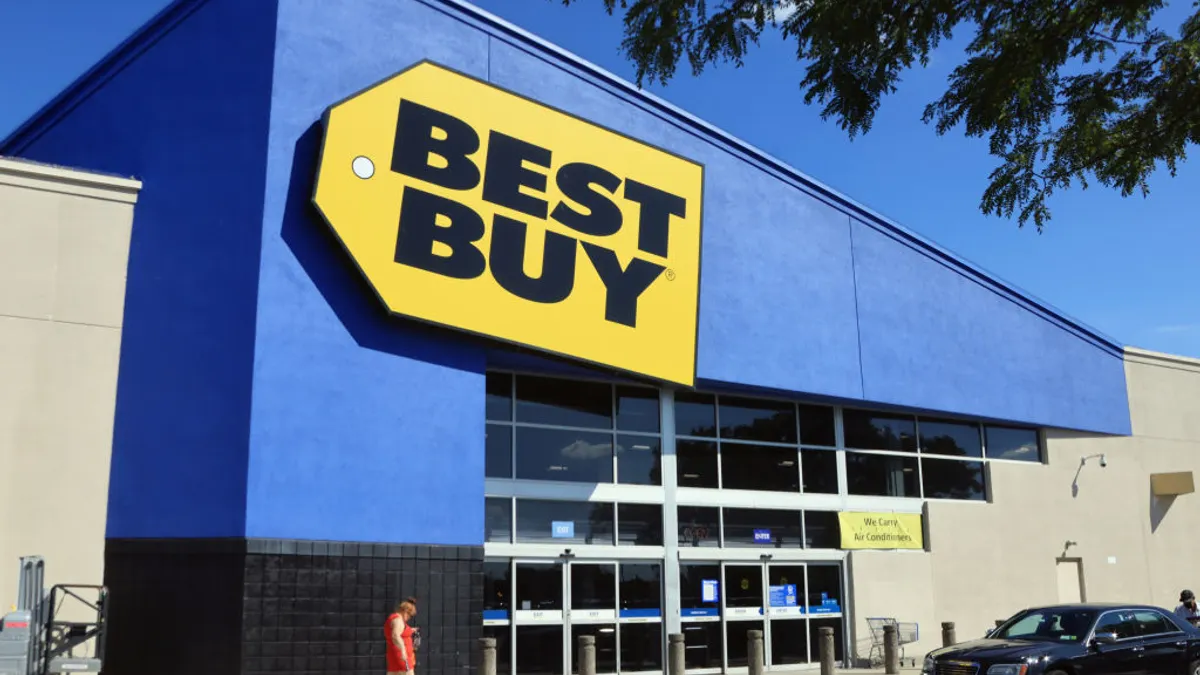
Best Buy is intensifying its commitment to sustainable logistics, marking a significant shift in its warehouse operations. According to the retailer’s newly released FY26 Corporate Responsibility and Sustainability Report, the company has deployed a fleet of battery-powered yard switchers at two of its California distribution centers. This move represents a strategic pivot toward electrification, aiming to eliminate tailpipe emissions in the critical "yard management" phase of its supply chain.
As the retail industry faces increasing pressure to reduce its carbon footprint, Best Buy’s latest initiative serves as a litmus test for the operational viability of electric heavy-duty machinery. By replacing traditional, diesel-guzzling yard trucks—the workhorses that move shipping containers and trailers between loading docks and storage areas—Best Buy is looking to modernize its facilities while mitigating rising environmental compliance costs.
The Shift Toward Zero-Emission Logistics
The decision to pilot electric yard switchers is not merely an environmental gesture; it is a calculated business maneuver. In California, where environmental regulations are among the strictest in the nation, warehouses are under constant scrutiny to reduce their localized pollution output.
Electric yard switchers offer a dual benefit: they provide a zero-emissions alternative to diesel engines while simultaneously reducing long-term maintenance overhead. Diesel yard trucks are notoriously expensive to maintain due to the complexity of their internal combustion engines and the regulatory costs associated with particulate matter emissions. Battery-electric alternatives, while carrying a higher upfront capital expenditure, require less maintenance due to fewer moving parts and offer significantly lower energy costs per mile operated.
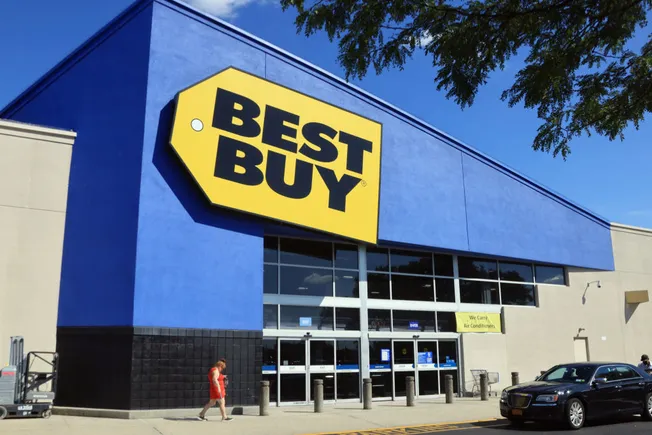
According to the report, the pilot program is currently gathering granular data on battery performance, range, and charging logistics. Best Buy is using this data to calculate the "total cost of ownership," a critical metric that will determine whether the company rolls out similar electric equipment across its broader North American supply chain network in the coming years.
Chronology: A Multi-Year Sustainability Trajectory
Best Buy’s journey toward a greener supply chain did not happen overnight. The current pilot program is the latest in a series of strategic sustainability investments spanning half a decade.
- 2021: The company marked a major milestone when its Chino, California, distribution facility became the first of its 29 supply chain locations to achieve "zero-waste" certification.
- 2025: The retailer continued its momentum, reporting a successful recycling cycle of 4.2 million pounds of expanded polystyrene (EPS), a significant reduction in landfill contributions.
- Early 2026: Best Buy solidified its commitment to renewable energy by installing a massive solar field at its distribution center in Dinuba, California. This facility, located in the state’s Central Valley, now generates nearly 6 million kilowatt-hours of electricity annually.
- October 2026: The official announcement of the electric yard switcher pilot confirms that the company is moving beyond energy sourcing and into the direct electrification of its heavy machinery fleet.
This trajectory demonstrates a transition from internal waste management to energy generation, and finally, to the direct decarbonization of transportation and logistics assets.
Supporting Data and Operational Impact
The environmental efficacy of Best Buy’s initiatives is backed by measurable results. The company’s focus on circularity—specifically the repurposing of EPS—highlights how a retailer can turn waste into a resource. By operating EPS densifiers at its distribution centers, Best Buy converts bulky, non-biodegradable foam into dense pellets. These are then shipped to manufacturing partners who transform the material into foam blanks, a sustainable alternative to virgin petroleum-based foams.
The consistency in this effort is notable: in both FY25 and FY26, Best Buy processed 4.2 million pounds of EPS. This stable performance indicates that the infrastructure for circularity is now fully integrated into the company’s standard operating procedures.

Furthermore, the solar field at the Dinuba facility provides a blueprint for future energy independence. By generating its own power, Best Buy reduces its reliance on the grid and hedges against volatile utility prices. When combined with the electric yard switchers, the company is effectively creating a closed-loop system where solar-generated electricity could eventually power the charging infrastructure for the electric fleet.
Industry Implications and Future Outlook
The broader retail sector is watching Best Buy’s experiment with keen interest. As e-commerce demand continues to fluctuate and consumer expectations for "green" delivery grow, retailers are finding that their supply chains are the most significant contributors to their overall carbon footprint.
The Challenges of Scaling
While the benefits are clear, the path to full-scale adoption is not without hurdles. The primary challenge remains the infrastructure required to support a 100% electric fleet. Charging station availability, grid capacity at older warehouse facilities, and the high cost of lithium-ion battery technology are all factors that could throttle the pace of transition.
Furthermore, the lack of official details regarding the specific California warehouses involved or the projected timeline for a national rollout suggests that Best Buy is maintaining a cautious approach. The company did not respond to requests for comment by the time of publication, which is common for organizations currently in the "learning phase" of a pilot program.
Regulatory tailwinds
California’s aggressive push toward zero-emission zones (ZEZs) acts as a powerful catalyst. As state regulators continue to squeeze out diesel vehicles, companies that proactively invest in electric yard equipment will likely face fewer operational disruptions than those that wait for mandates to force their hands. Best Buy’s proactive stance may provide them with a competitive advantage, as they build institutional knowledge on how to manage electric fleets before such moves become a regulatory necessity rather than a voluntary initiative.

Conclusion: A Blueprint for the Future
Best Buy’s FY26 report paints a picture of a company transitioning from a traditional retailer into a sophisticated operator of a sustainable supply chain. The combination of solar energy, aggressive waste reduction, and the pilot of electric yard switchers creates a compelling roadmap for other electronics retailers to follow.
The ultimate success of these initiatives hinges on the data currently being harvested at those two California sites. If the yard switchers prove to be as reliable and cost-effective as the internal data suggests, it is highly probable that the signature yellow-and-blue branding will soon appear on electric logistics vehicles across the country.
As the industry moves toward 2030 sustainability targets, Best Buy is positioning itself as a leader rather than a laggard. By tackling the most difficult aspects of its supply chain—such as heavy equipment emissions and industrial waste—the retailer is proving that environmental stewardship can exist in harmony with operational efficiency. While the road ahead involves significant technical and financial commitments, the foundation laid in California provides a clear indication of the future of retail logistics: cleaner, quieter, and increasingly reliant on the power of the sun and the efficiency of the battery.

 Sagoh
 Ali Ikhwan

 Raul Delapena Setiawan

 Reynand Wu



 Azzam Bilal Chamdy

