
 Nana Wu
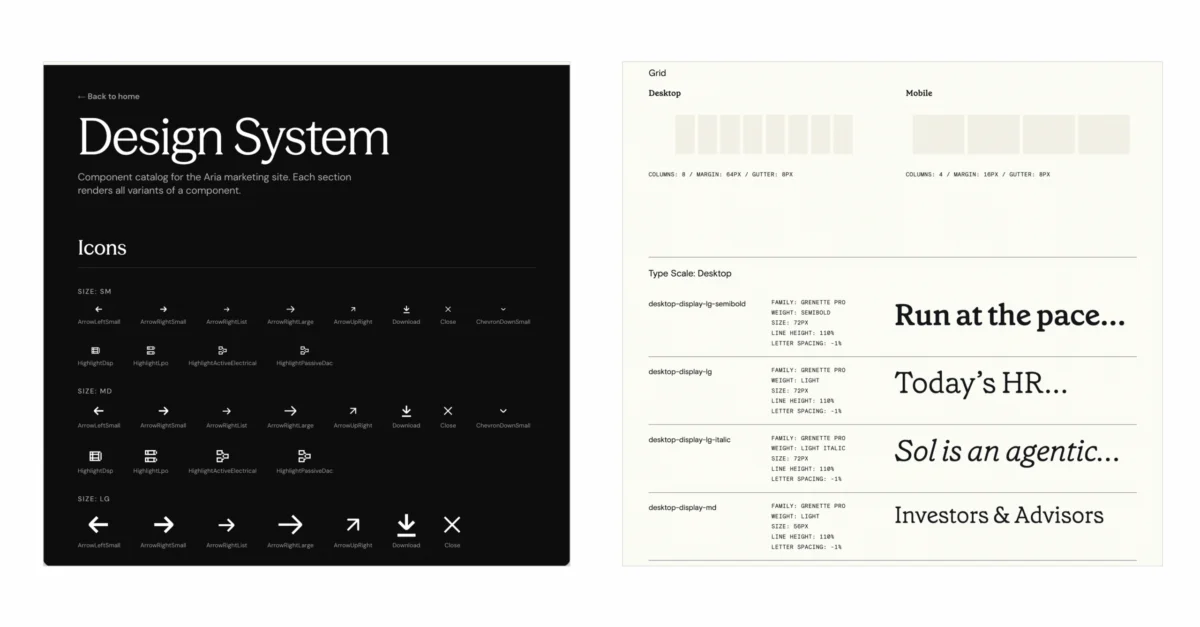
For over two decades, the life cycle of a design system has followed a predictable, often tragic, trajectory. Design teams pour months of labor into crafting meticulous style guides, exhaustive component libraries, and polished documentation sites. Yet, as soon as the development team begins shipping code, the gap between the "source of truth" and the live product begins to widen. Within months, the design system—once a beacon of brand consistency—becomes a historical artifact, describing a product that no longer exists.
Luke Wroblewski, a seasoned veteran of product design and web development, suggests that the industry is finally on the cusp of breaking this cycle. The traditional solution—throwing more human resources at the problem through centralized design reviews and dedicated design-ops teams—is being supplanted by a more efficient, automated mechanism: the AI steering layer.
The Chronology of Design Governance
To understand why the design system is undergoing a metamorphosis, one must look at how we arrived at the current state of digital product development.
The Era of Static Documentation (2000–2015)
In the early 2000s, design systems were primarily "pattern libraries" delivered as static PDF documents or wiki pages. Designers would hand off specs to developers, who would attempt to replicate them in code. This era was defined by constant manual reconciliation—human eyes checking every pixel to ensure the implementation matched the vision.
The Age of Tokenization and Figma (2015–2023)
The advent of robust design tools like Figma introduced "design tokens"—named variables for colors, spacing, and typography. This allowed for better synchronization between design and development. However, the reliance on human adherence remained. If a developer decided to "tweak" a margin or pick a slightly different shade of blue, the system’s integrity was compromised. The "source of truth" lived in Figma, but the reality lived in the codebase.
The Rise of the AI Steering Layer (2024–Present)
We have now entered the era of the AI-augmented workflow. With the proliferation of LLM-based coding agents, the paradigm has shifted. We no longer need to convince humans to read documentation; we need to instruct agents to follow a set of constraints. By embedding design principles directly into the "steering layer" of an AI agent, organizations can ensure that every line of code generated—whether by a marketer, a PM, or an engineer—remains strictly aligned with the core design language.
Supporting Data: Moving from Theory to Execution
The shift toward AI-driven design systems is not merely speculative; it is currently being deployed in production environments. Projects such as Intent, Sol, and Aria serve as the architectural blueprint for this new methodology.
The Intent Project: A Case Study in Automation
The Intent website serves as a primary example of how this integration functions. Instead of relying on a human-readable PDF, the project utilizes an AGENTS.md file. This file acts as a system prompt for any AI agent tasked with modifying the site. It explicitly instructs the agent to:
- Reuse existing theme classes and CSS variables: This prevents the duplication of design tokens.
- Consult the global stylesheet: The agent is forced to reference the "source of truth" (the CSS) rather than hallucinating new values.
- Respect the Responsive Grid: The agent must adhere to defined breakpoints, ensuring that layout changes remain consistent across mobile and desktop.
The results are significant. When a stakeholder requests a new button, the agent does not invent a new aesthetic; it retrieves the existing Button component from the code. It automatically applies the correct padding, border-radius, and dark-mode adaptations because those rules are baked into the component library that the agent consumes.
The Figma-to-Code Pipeline
A critical component of these modern systems is the automation of the sync process. By utilizing a Figma Model Context Protocol (MCP) connection, design specs are automatically translated into code. This eliminates the "hand-off" friction that historically plagued design-to-development workflows. While agents are capable of writing changes back to Figma files, the industry trend is moving toward the code itself becoming the definitive, immutable source of truth.
Official Perspectives: The Role of Collaborative Steering
"Collaborative steering" is the philosophy that design leadership should focus on defining the constraints, while AI agents handle the execution. In this model, a design lead and a front-end lead define the fundamental design tokens—the grid, typography scales, color palettes, and component behaviors—once.
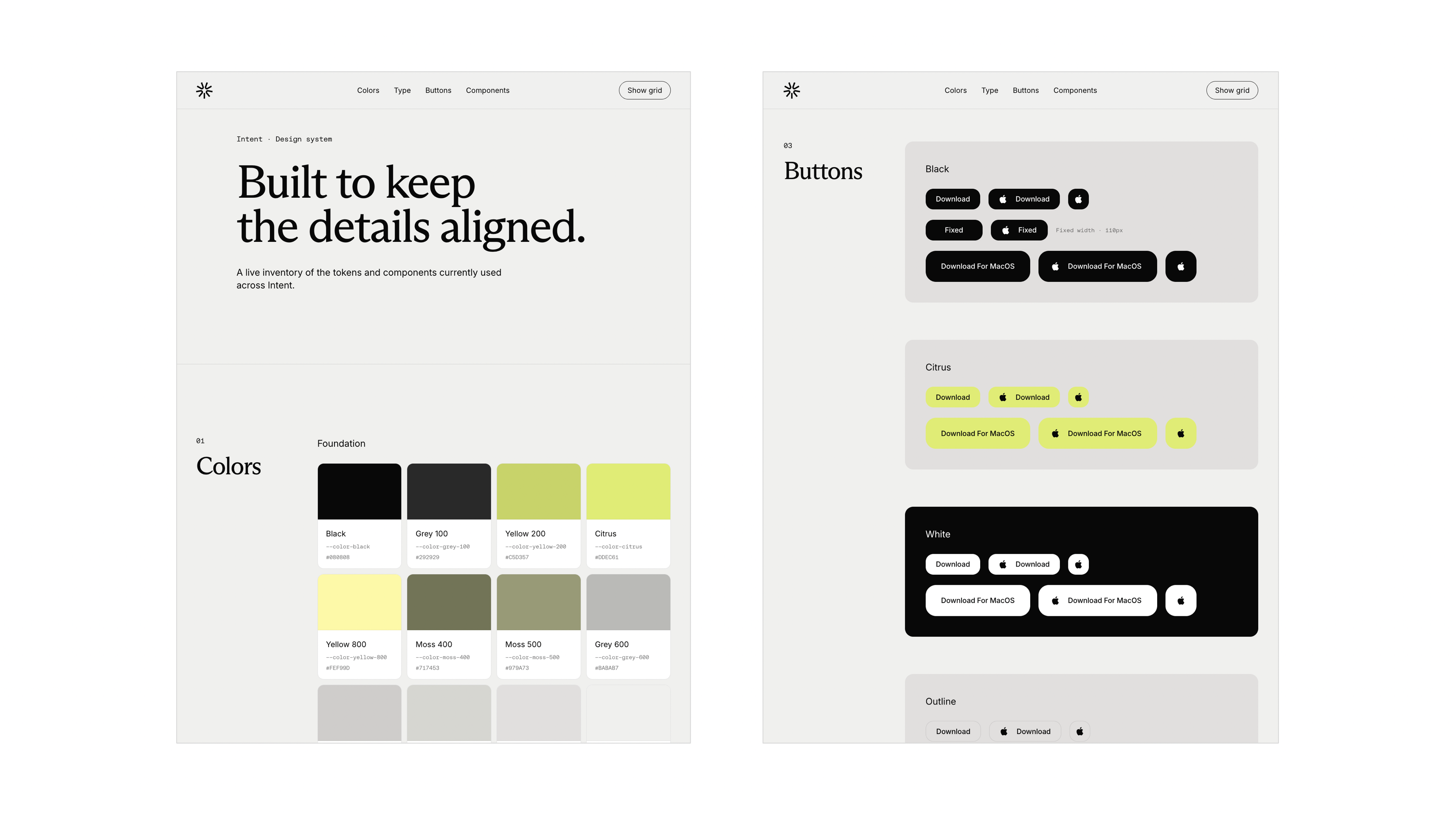
From there, the agents act as the guardians of that perimeter. As Luke Wroblewski notes, the most common failure point in legacy design systems was the human element: the reluctance of team members to consult documentation before making a change.
"Design teams have spent years trying to get people to actually read their design system documentation," Wroblewski writes. "Agents read it every single time."
By moving the design system into a machine-readable format that agents ingest by default, the burden of governance is lifted from the human lead. The team can continue to ship features at high velocity, and the site maintains its structural and visual integrity because the agents are "snapped to" the defined constraints.
Implications for the Future of Product Design
The shift toward an AI steering layer carries profound implications for the structure of design teams and the nature of product development.
1. The Death of "Design Police"
Traditionally, design systems teams spent a significant portion of their time acting as internal regulators—reviewing pull requests and auditing existing pages for drift. With an AI steering layer, this becomes an automated process. Governance is enforced at the point of generation, not through retrospective review. This frees designers to focus on high-level architecture and user experience research rather than policing CSS variables.
2. Democratization of Frontend Development
When AI agents are constrained by a robust design system, non-engineers can confidently make contributions to the codebase. A marketer can add a landing page that looks and feels like it was built by a seasoned front-end developer because the agent is prevented from deviating from the established brand language. This lowers the barrier to entry for content creation and site maintenance.
3. The Living Documentation
Documentation is no longer a static site that requires manual updates. Because the design system page is built from the same code that powers the live product, the documentation is always "live." When a developer updates a color variable in the CSS, the design system page updates automatically. There is no longer a "stale" version of the design system.
4. Technical Debt Reduction
One of the most persistent forms of technical debt is the accumulation of "near-duplicate" styles—slightly different blues, inconsistent button heights, and mismatched border radii. Because agents are instructed to prefer existing components and tokens over creating new ones, the system naturally resists the entropy that leads to bloated, inconsistent codebases.
Conclusion
The evolution of design systems is finally aligning with the reality of modern software development. By treating the design system not as a reference guide, but as a mandatory steering layer for AI agents, we can finally achieve the goal that has eluded us for two decades: a product that remains consistent, scalable, and true to its original design intent, even as it evolves at the speed of modern AI.
We are moving away from the era of manual adherence and into an era of algorithmic consistency. For design leads, the task is no longer to document the system; it is to build the system that agents cannot help but obey. In doing so, we ensure that the digital products of tomorrow are not just faster to build, but fundamentally more coherent.


 Sagoh

 Asep Darmawan

 Raul Delapena Setiawan

 Reynand Wu



 Azzam Bilal Chamdy

 Ali Ikhwan
