
 Sagoh
Sagoh
In the current financial landscape, the stock market has once again become a source of pervasive anxiety. As valuations climb to dizzying heights, fueled by the relentless surge of Artificial Intelligence (AI), many investors find themselves caught in a cycle of apprehension. Are we witnessing the precursor to a catastrophic bubble, or is this simply the latest evolution of human productivity?

For those who have diligently built their retirement portfolios, the fear is palpable. Yet, history suggests that the market’s propensity to surprise—and eventually reward—the patient investor remains unchanged. By analyzing the current "AI bubble" through the lens of historical context and psychological self-awareness, we can move past the paralyzing fear of the unknown.

The Chronology of Market Anxiety: From 2006 to 2026
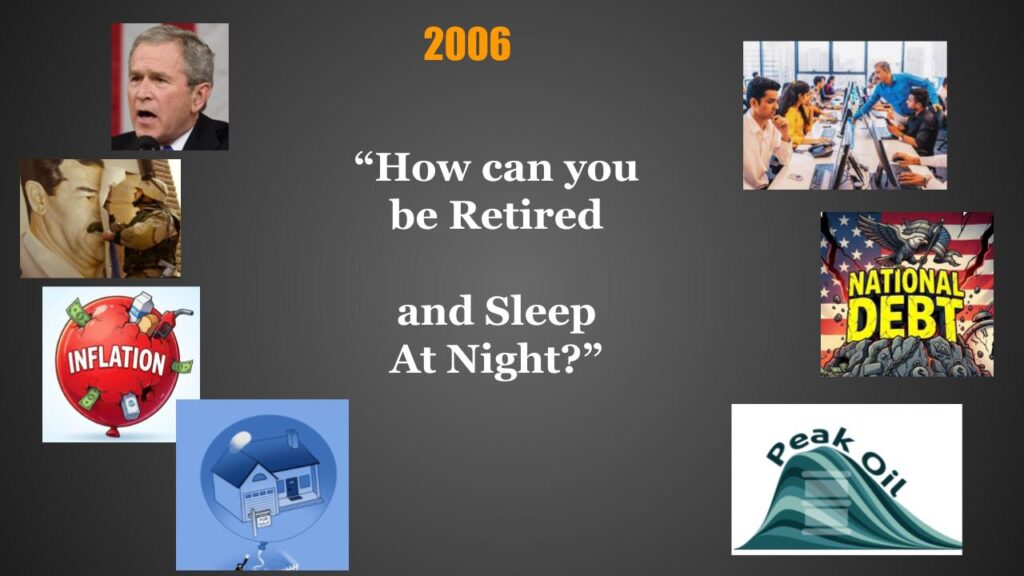
To understand why the current market sentiment is less of a unique phenomenon and more of a recurring human condition, one must look back two decades. In 2006, the concerns dominating dinner table conversations were strikingly similar to those of today. Back then, the world was preoccupied with political instability, the Iraq War, concerns over the US national debt, and the fear that the housing bubble would irreparably shatter the global economy.

At that time, experts warned that the rise of outsourcing to India and China would permanently erode the American standard of living. There was even a widespread panic regarding "Peak Oil," with many predicting that energy scarcity would trigger a global collapse.
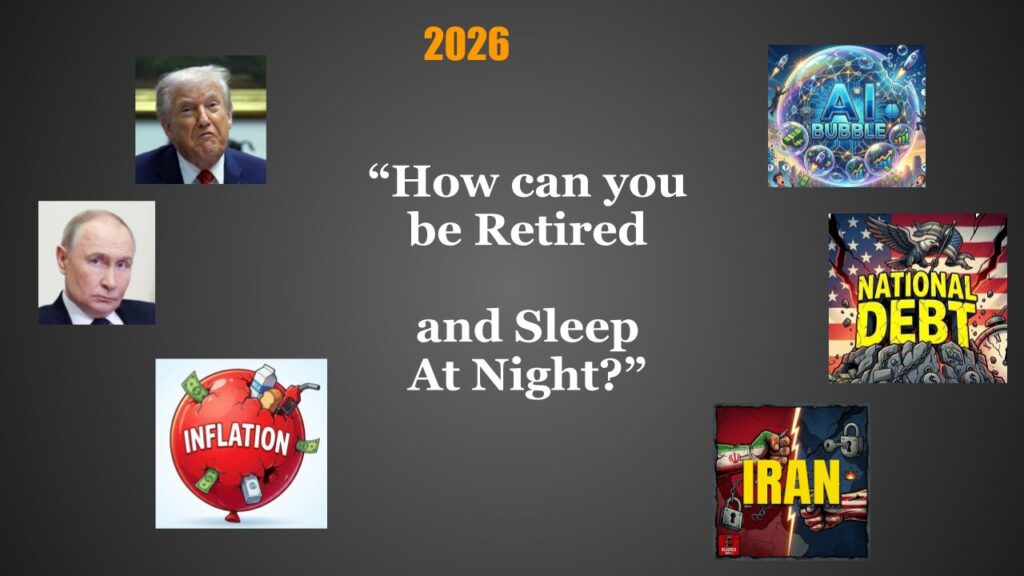
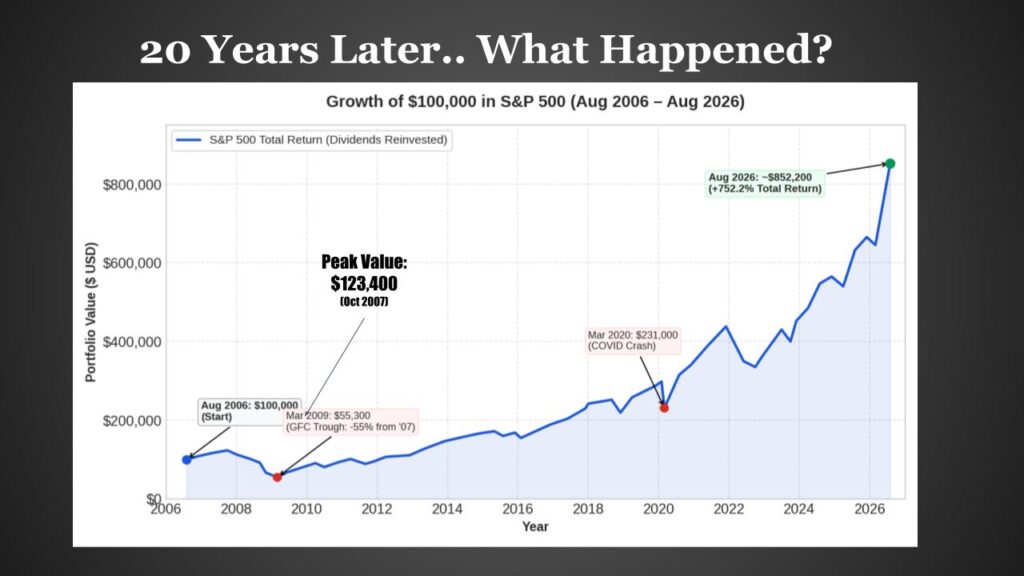
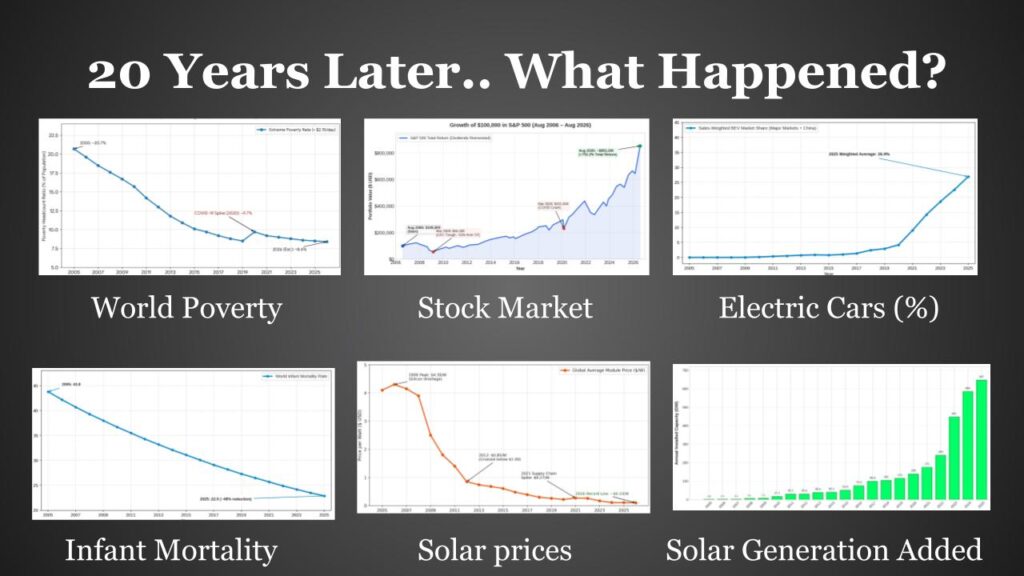
Fast forward to 2026: The players have changed—the concerns are now centered on AI, the Russia-Ukraine conflict, and evolving geopolitical tensions—but the fundamental anxiety remains the same. Yet, the reality of the last twenty years defies the fear-mongers. Despite the Great Financial Crisis of 2008 and the 2020 pandemic-induced downturn, a $100,000 investment made in 2006 would have ballooned significantly by 2026. The world, rather than collapsing, has seen extreme poverty rates cut in half, infant mortality halved, and a revolution in clean energy that has rendered the "Peak Oil" crisis of the mid-2000s obsolete.
The Engine of Prosperity: Productivity Over Speculation
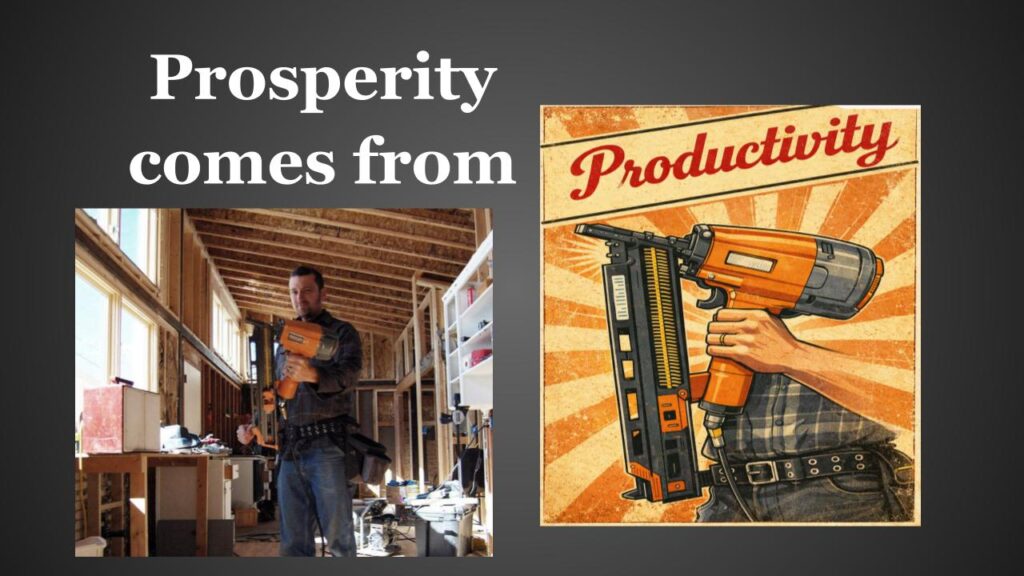
The core mistake made by those driven by fear is the belief that prosperity is dictated by the fluctuations of the stock market. In reality, the stock market is merely a collection of numbers on a screen—a human-made abstraction. True, durable prosperity is rooted in productivity.
When we look beneath the surface of market volatility, we find the real economy: people solving problems, inventing tools, and improving efficiency. The economy is not a static object; it is a dynamic system. When the financial system hits a wall, as it did in 2008, the world does not stop producing. We simply reset the metrics and continue the work of innovation.
Artificial Intelligence is the latest iteration of this productivity engine. Rather than viewing it as a threat to human relevance, it is more accurate to categorize AI as a "Cognitive Nail Gun." Just as a pneumatic nail gun allowed a carpenter to build homes faster and with less physical labor, AI allows for the rapid processing of data, code, and creative tasks. It is a tool that enhances human capacity, lowering the cost of services and creating new industries that we cannot yet fully imagine—much like the mobile app revolution that followed the advent of the smartphone.
Implications for the Modern Investor
The rise of AI brings with it the inevitable displacement of certain roles, a hallmark of every major technological shift since the Industrial Revolution. However, this displacement is the cost of entry for a more efficient, higher-output society. The rewards of these advancements tend to aggregate toward the owners of the technology and the shareholders of the companies implementing these efficiencies. For the average investor, this reinforces the importance of participating in the broader market rather than betting on individual "winners" or fleeing to the sidelines out of fear.
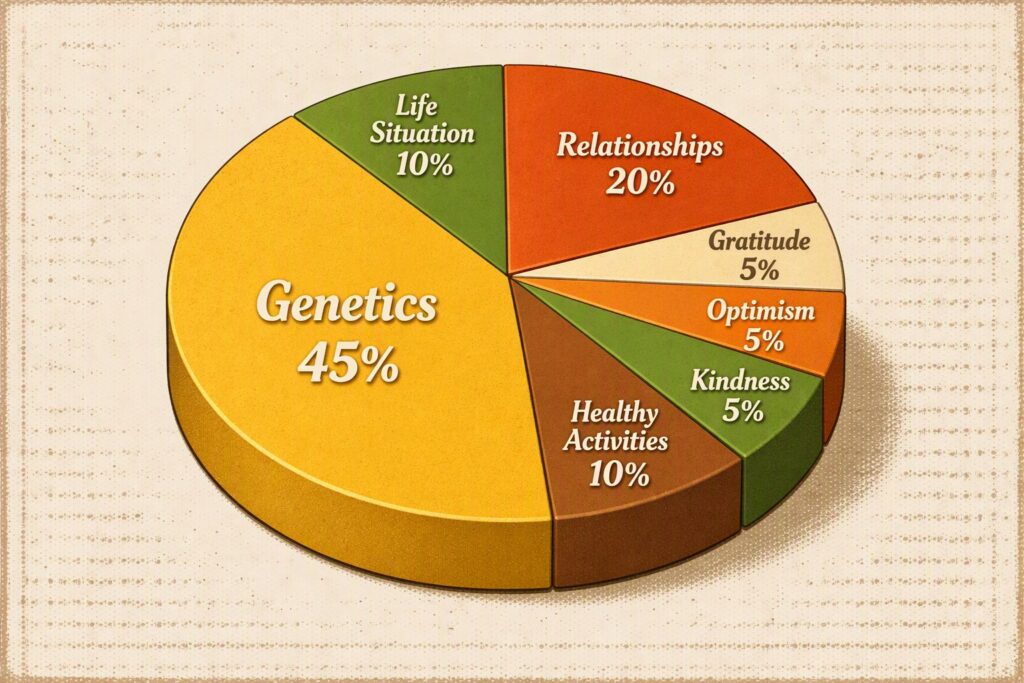
The danger for the individual investor lies not in the market itself, but in the "Danger Detection Machine" within the human brain. We are evolutionarily wired to scan for threats. When we successfully mitigate the threat of physical danger or poverty, our brains—in an attempt to keep us "safe"—begin to fixate on abstract financial worries.
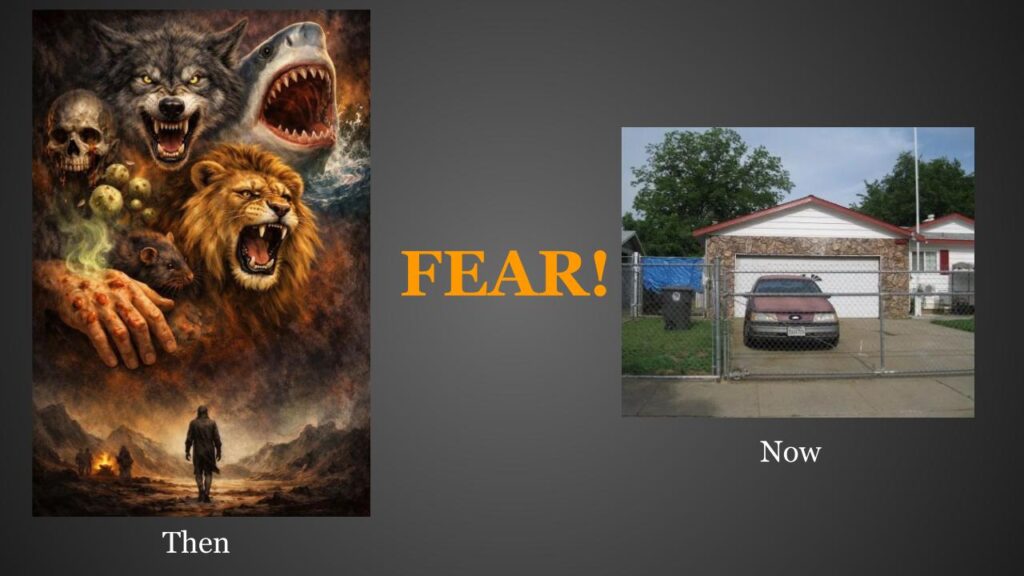
Overcoming the Fear Barrier
To successfully navigate the AI era and secure a stable retirement, one must shift from a reactive state to a proactive one. This involves several critical steps:
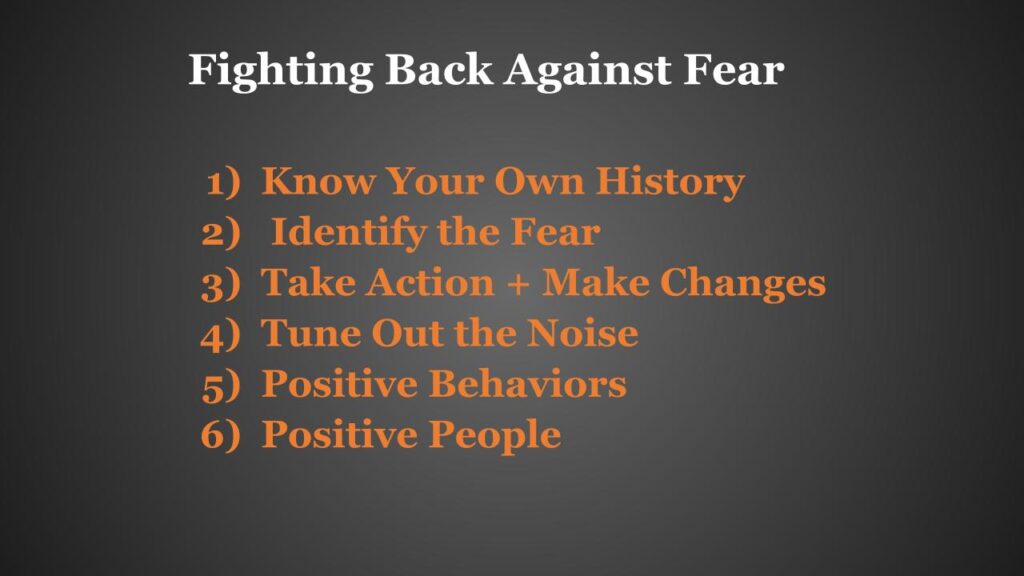
- Understand Your History: Many fears regarding money are rooted in childhood experiences or generational trauma. Recognizing that your current panic may be a reflection of a scarcity mindset inherited from previous generations allows you to separate emotion from financial strategy.
- Action Cures Fear: Fear thrives in ambiguity. By taking concrete steps—whether it is educating yourself on how AI functions, adjusting your budget, or simply staying the course with a diversified portfolio—you replace passive dread with active resilience.
- Optimize Your Mental Diet: The modern 24-hour news cycle is designed to monetize anxiety. By limiting exposure to alarmist headlines and focusing on primary sources or long-term data, you can regain control of your decision-making process.
- Adopt an Experimental Mindset: Treat the future not as a looming threat, but as a series of experiments. Whether you are considering an early retirement or adjusting your asset allocation in response to new tech, view these decisions as reversible, manageable tests rather than life-altering gambles.
The Verdict: Resilience is the Ultimate Hedge
If you find yourself paralyzed by the fear of the next market crash or the implications of AI-driven displacement, remember the lesson provided by the trajectory of the last two decades. The world has consistently trended toward higher standards of living, despite the background noise of perpetual crises.

Prosperity and happiness are rarely found in the absolute perfection of one’s portfolio or the total absence of global risk. They are found in the ability to cultivate resilience—what some might call "Badassity"—and the courage to continue moving forward.

Ultimately, the goal is not to reach a point where there is nothing left to worry about; that point does not exist. The goal is to reach a level of internal clarity where you understand that your ability to adapt, learn, and act is far more powerful than the external forces you cannot control. As the adage suggests, everything you truly want in life lies on the other side of fear. If you were not afraid to pursue your goals, you would already have them. In the age of AI, the greatest competitive advantage is not a predictive algorithm, but a calm, rational, and optimistic mind.

 Azzam Bilal Chamdy
 Nana Muazin
 Layla Zulfa
 Nana
Nana
 Pevita Pearce
 Rifan Muazin

 Iffa Jayyana