
 Nana Muazin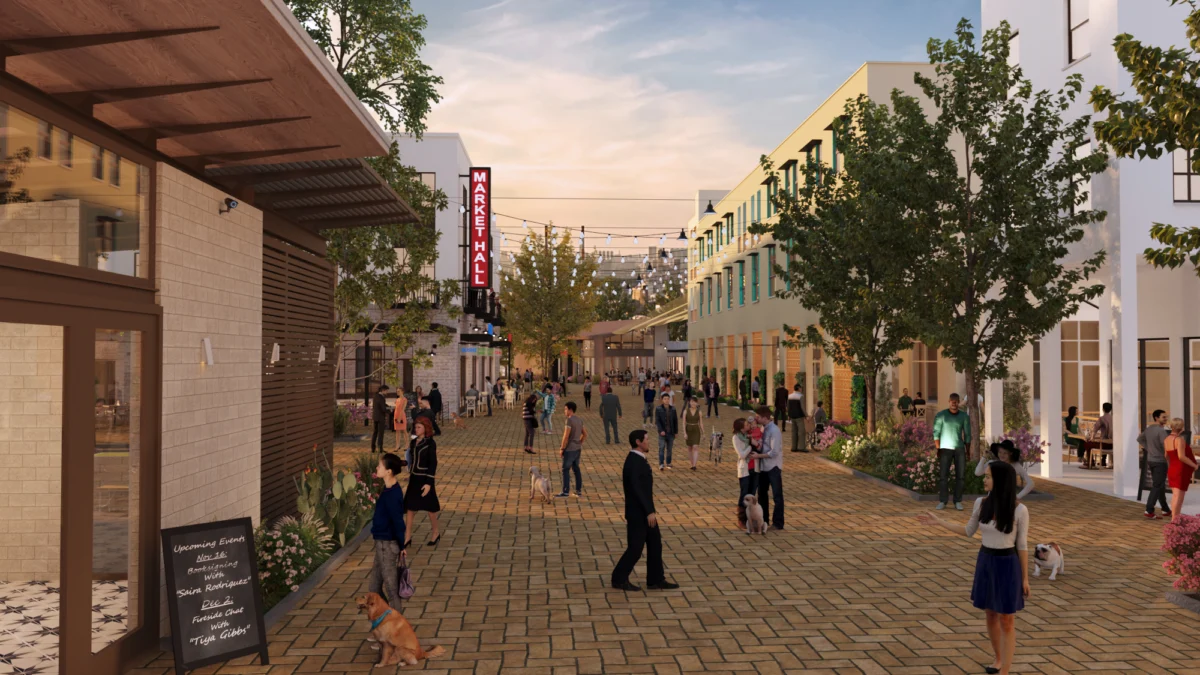
In the landscape of modern lifestyle design, few voices have been as consistent or as influential as Mr. Money Mustache. For years, the platform has championed the intersection of personal finance, physical health, and the psychology of happiness. Yet, behind the tips on frugality and investment lies a singular, overarching thesis that transcends individual habits: the way we build our cities is the single most important factor in determining the prosperity, health, and joy of the human population.
The argument is simple yet radical: we must shift our urban development model away from car-centric sprawl and toward human-centric, walkable design. This transition is not merely an aesthetic choice or an environmental crusade; it is an economic imperative that promises a lifestyle dividend of unprecedented scale.
The Economic Case for Human-Centric Urbanism
The financial implications of our current urban planning are staggering. By prioritizing the automobile, we have effectively taxed our own existence. When cities are designed around the movement and storage of cars, the cost is not just measured in gasoline or insurance premiums, but in the lost opportunity of the land itself.
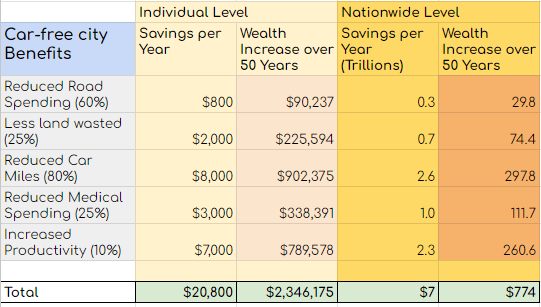
Data suggests that transitioning to a people-first urban model could offer a lifetime benefit exceeding $2 million per adult. On a national scale, this shift could boost the wealth of the United States by approximately $7 trillion annually—a figure that, compounded over five decades, exceeds the current total estimated wealth of the entire planet.
This wealth is not created out of thin air; it is reclaimed from the "wasted space" currently dedicated to asphalt. A typical large intersection, for instance, consumes roughly 1.5 acres of land. In a car-centric model, this space is transient, used only for the brief moments a vehicle passes through. In a human-centric model, that same footprint could house 200 people in resort-like comfort, complete with essential services, green spaces, and community amenities.
Chronology of a Failed Status Quo
To understand why our cities look the way they do, one must look at the institutional inertia of the 20th century. For decades, city councils and urban planners have operated under a mandate of "status quo preservation." Development committees, often influenced by legacy corporate interests and NIMBY (Not In My Backyard) sentiment, have prioritized the comfort of the driver over the connectivity of the citizen.
- The Mid-Century Pivot: Post-WWII urban planning in the U.S. began the mass migration toward suburbs, effectively decoupling residential living from commercial and social hubs.
- The Asphalt Era: The subsequent decades saw the entrenchment of massive parking requirements and highway-first infrastructure, which effectively "locked in" car dependency.
- The Modern Realization: In recent years, a growing movement of urbanists and developers—including the team behind Culdesac Tempe—have begun to demonstrate that this model is not just flawed; it is financially fragile.
The Culdesac Experiment: A Blueprint for the Future
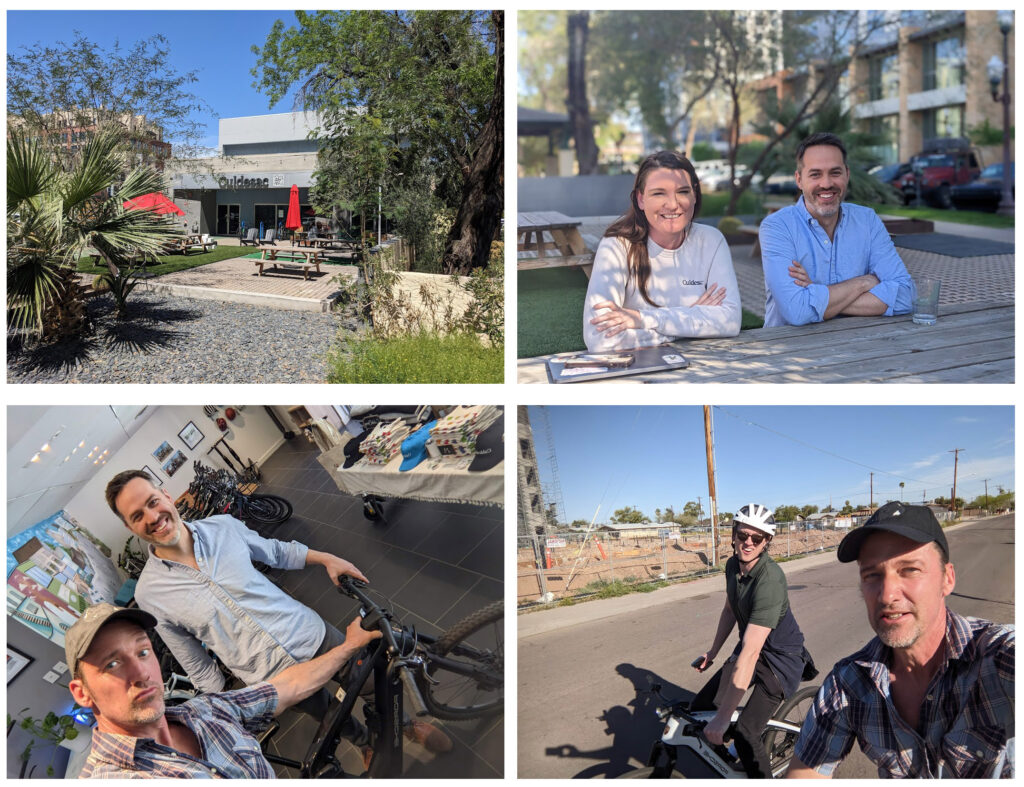
The most significant development in this movement is the emergence of projects like Culdesac Tempe, the first ground-up, car-free neighborhood built in the United States. Spanning 17 acres, this 1,000-person community serves as a proof-of-concept that high-density, car-free living is not just viable, but highly desirable.
During a recent site visit, the potential of this model became clear. Unlike traditional housing developments, where land is dominated by parking garages and surface lots, Culdesac utilizes that space for pedestrian plazas, climbing gyms, grocery stores, and communal gardens. By integrating these amenities directly into the living space, the necessity for a car is removed at the source.
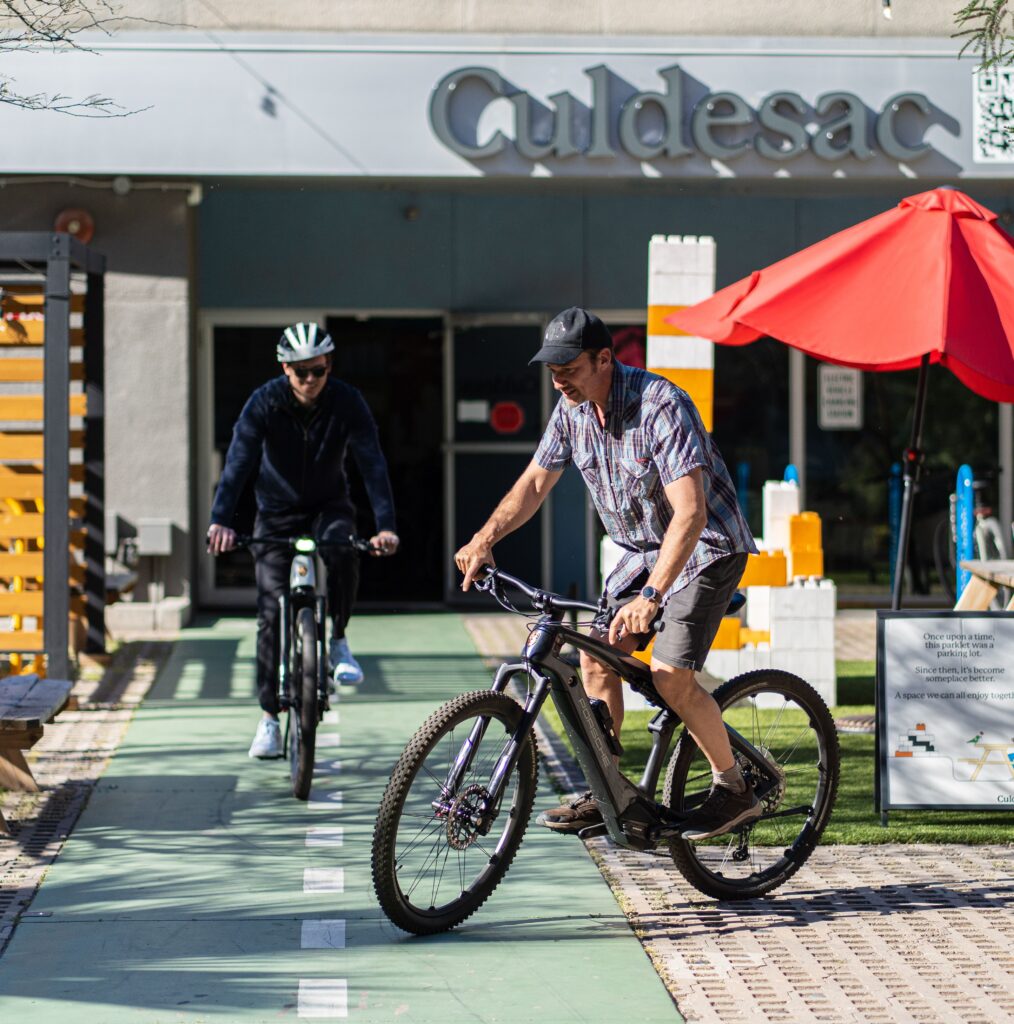
The neighborhood is strategically located near light rail infrastructure and major universities. Residents are provided with annual transit passes, and the local fleet includes rideshare electric vehicles for those rare occasions when a trip to the mountains or a remote location is required. The result is a lifestyle that is, by design, faster, cheaper, and more socially vibrant than the suburban alternative.
Supporting Data: The Cost of "Car-First" Design
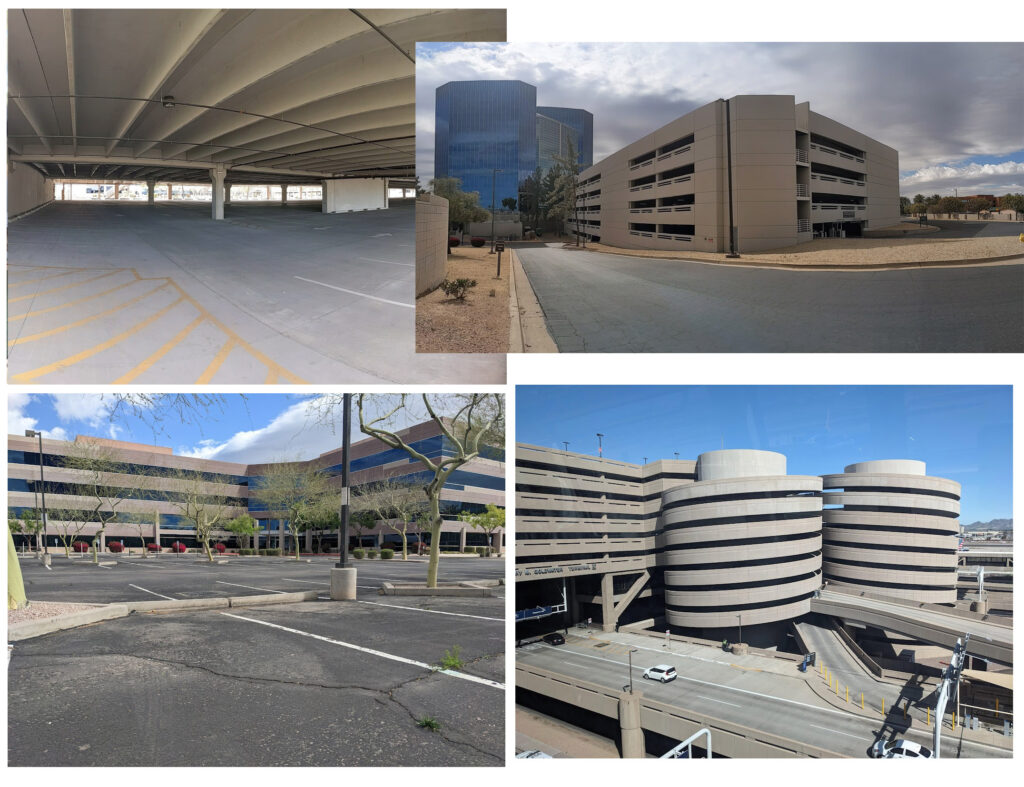
The inefficiency of the car-first model is visible to anyone who looks. In cities like Phoenix, Arizona, massive swaths of prime real estate are permanently dedicated to the storage of stationary vehicles.
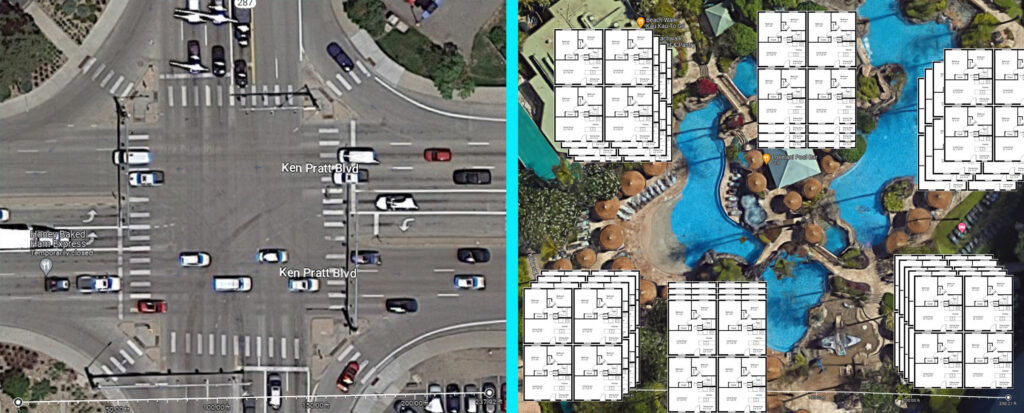
Consider the "space comparison" metric: the physical footprint required to park two compact cars is roughly equivalent to the space needed for a modern, well-appointed two-bedroom apartment. When this is multiplied across every business, apartment complex, and shopping center in the country, the cumulative waste of land is the primary driver of the current housing crisis.
Furthermore, the "smoggy haze" of the status quo prevents us from seeing that our reliance on cars is a symptom of poor planning, not a human preference. We drive because the design of our cities makes walking, biking, or taking the bus dangerous, loud, and inefficient. By narrowing the gap between home and destination, we don’t just eliminate the need for a vehicle; we create a self-sustaining ecosystem of commerce and interaction.
Official and Industry Responses
The push for car-free urbanism is gaining traction among developers and urban planners who are beginning to recognize the "win-win" nature of the model. Financially, projects that eliminate parking requirements save millions in construction costs, allowing for more affordable and higher-quality housing.
However, resistance remains. Traditional zoning laws, often written in the mid-20th century, strictly mandate minimum parking ratios, forcing developers to build parking whether it is needed or not. The emerging "pro-housing" and "walkable city" coalitions are currently working to reform these municipal codes. As leaders like those at Culdesac prove the commercial viability of these projects, the arguments from "crusty old organizations" become increasingly difficult to justify.

Implications for a New Way of Living
The implications of a shift toward human-centric urbanism extend into every facet of our lives:
- Health and Wellness: By replacing passive driving time with active transit (walking, biking, e-biking), the physical health of the population is naturally improved. The reduction in noise and air pollution also correlates with significant long-term public health savings.
- Social Cohesion: Sprawling car-dependent cities isolate individuals. Dense, walkable neighborhoods facilitate "third places"—the parks, plazas, and cafes where communities form.
- Financial Freedom: The average American household spends a significant portion of their income on vehicle ownership, maintenance, insurance, and fuel. Eliminating the "car tax" effectively gives citizens a permanent raise.
- Environmental Stewardship: High-density, transit-oriented development is the most effective way to reduce the per-capita carbon footprint of a city.
The Path Forward: Advocacy and Action
For those convinced of this vision, the question becomes: how do we facilitate this change? The answer lies in both local advocacy and supporting pioneering projects.
- Zoning Reform: Citizens must attend city council meetings to challenge minimum parking requirements and advocate for mixed-use zoning.
- Support for Innovation: Whether it is supporting new developments or simply choosing to live in walkable neighborhoods, market demand is the most powerful tool for change.
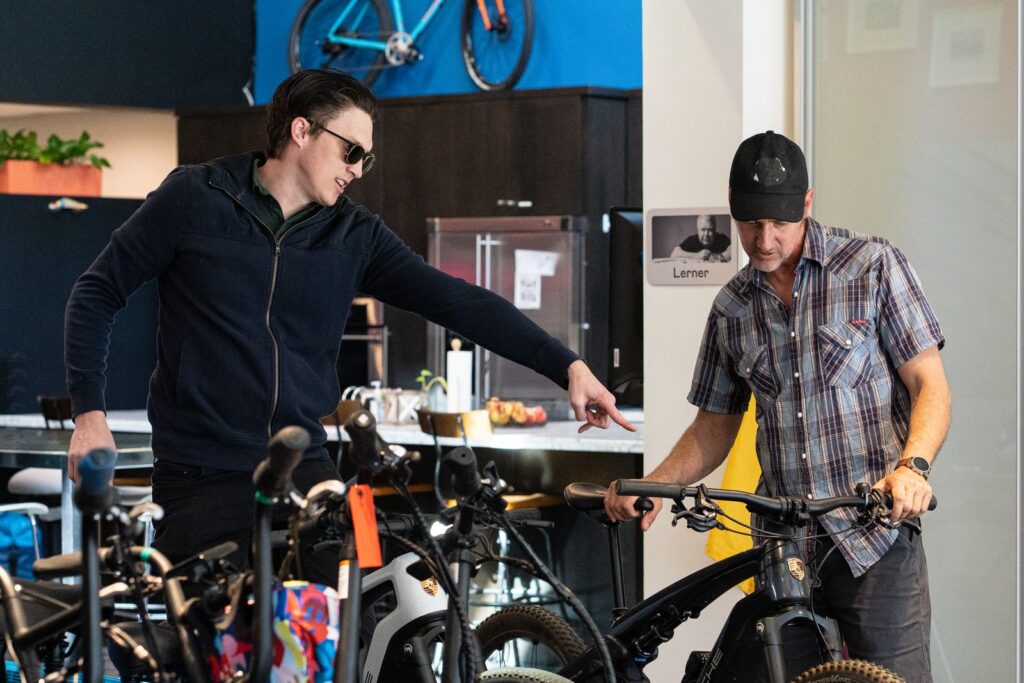
- The "Bike-First" Mentality: For distances under 15 miles, the e-bike is currently the most efficient form of urban transport ever devised. Embracing this technology helps normalize a different vision of traffic.
The comparison is often drawn to a patient suffering from chronic illness caused by a lifetime of poor diet and inactivity. Our cities are currently "suffering" from a design that is fundamentally incompatible with human flourishing. The prescription is to change our environment—not by adding more medication (like wider roads or more lanes), but by changing the fundamental diet of our infrastructure.
As we look toward the future, the success of pilot projects like Culdesac serves as a beacon. The transition to a car-free or car-light world is not a sacrifice of freedom; it is an expansion of it. It is the realization that the most precious resource we have—our space, our time, and our health—should no longer be sacrificed on the altar of the automobile.
Are we ready to reclaim our cities? The infrastructure is waiting, the economics are sound, and the quality of life on the other side is, quite simply, better. The revolution in urban design is not just coming—it is already being built.

 Iffa Jayyana
 Asro
Asro
 Nana Wu

 Jia Lissa
 Neng Nana
 Dwi Wanna
 Siti Muinah