
 Lina Irawan
In the landscape of modern software development, we have long accepted the paradigm of the "canned product"—a finished, rigid application delivered to the user with a specific set of features and an unchangeable workflow. However, a quiet revolution is brewing, led by veteran technologist and former InfoWorld blogger-in-chief Jon Udell. By integrating AI agents directly into the development and execution lifecycle, Udell is proving that software can transcend its role as a static utility to become a dynamic "user innovation toolkit."
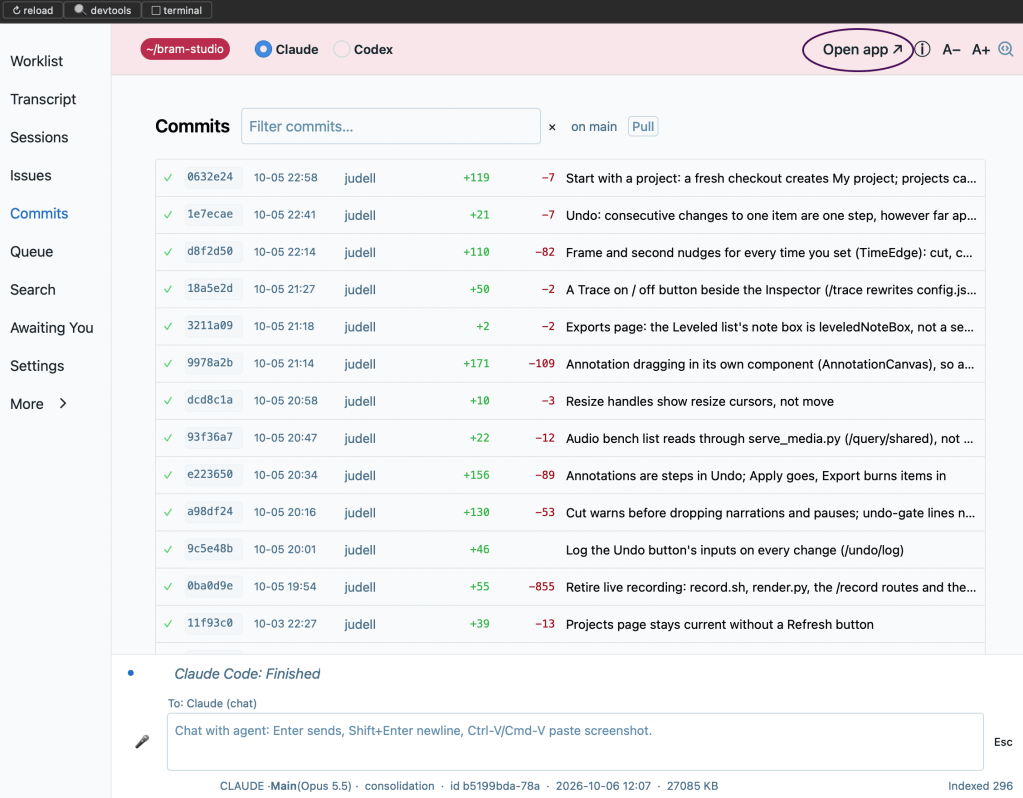
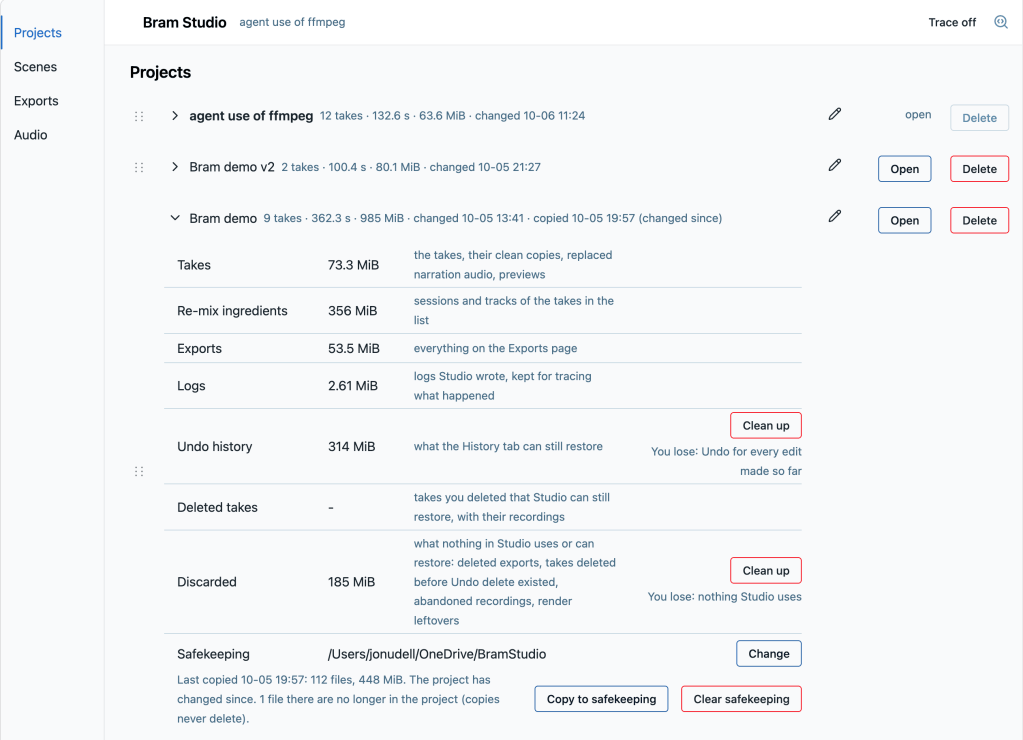
At the heart of this shift is Bram Studio, a new, experimental environment that allows users not just to consume software, but to co-create and refine it in real-time. By leveraging the immense capabilities of LLMs to manipulate underlying frameworks—specifically the industry-standard multimedia processing tool, FFmpeg—Udell has demonstrated that the future of product development lies in the "virtuous cycle" of user modification.
The Genesis of an Editor: From Frustration to Innovation
The story of Bram Studio began, as many innovations do, with a profound sense of user frustration. For years, Udell had been a pioneer in the art of the screencast—the short, narrated video tutorials that define modern technical communication. Yet, he found the existing ecosystem of video editing tools cumbersome, lacking the precise, frame-accurate control required for high-quality technical storytelling.
When faced with the need to document his own project, Bram (a framework for building agentic workflows), Udell found standard editors lacking. Rather than settling for a sub-optimal experience, he embarked on an experiment: could he build the editor he always wanted, using the very tool he was trying to document?

Within days, the first iteration of Bram Studio was born. By launching Bram and pointing it at a target application, Udell essentially turned the software into a self-modifying engine. Unlike traditional software, which hides its internal logic behind compiled barriers, Bram Studio operates from a local repository. This architectural decision is intentional, prioritizing the user’s ability to "look under the hood" and influence the software’s behavior.
Chronology of a Technical Breakthrough
The development of Bram Studio was not a linear path but an iterative series of "agent-driven" pivots:
- Initial Concept: Recognizing the gap in screencasting tools, Udell sought a way to automate annotations, cuts, and audio narration.
- The Bram Integration: By utilizing Bram—a tool designed to manage agent-based workflows—Udell connected his editor to powerful LLMs like Claude Code and Codex.
- The FFmpeg Breakthrough: The agents began utilizing FFmpeg, the "invisible engine of the internet," to handle complex audio-visual tasks that would typically require manual intervention by a human editor.
- Language Portability: Recognizing the friction caused by Python dependencies, Udell utilized LLMs to port core logic into Rust. This transition demonstrated the "fungibility" of modern programming languages; the AI handled the heavy lifting of translation, allowing the software to become a single-binary, portable tool.
- The Automated Screencast: In mid-October 2026, Udell successfully used the tool to record and auto-edit its own debut screencast. By "talking through" the process with the agent, the software parsed the raw footage, identified scenes, and applied professional-grade audio leveling and visual annotations.
The Philosophy of Democratized Innovation
The conceptual framework guiding Udell’s work is rooted in Eric von Hippel’s seminal 2005 work, Democratizing Innovation. Von Hippel argues that manufacturers often miss the mark by delivering fixed solutions to anticipated needs. Instead, the most successful products are those that allow "lead users" to modify them.
Udell’s "North Star" is to move beyond the canned app. If a software product is delivered as a black box, the user is a captive audience. If, however, the product is delivered as a toolkit, the user becomes an innovator.

Why Agents Change the Game
The "judicious use of agents" is the catalyst for this transformation. In a traditional app, if a feature doesn’t work for a specific project, the user is forced to submit a feature request and wait months for a developer to address it. In a user innovation toolkit, the agent serves as an on-demand developer.
When a user interacts with Bram Studio, they aren’t just clicking buttons; they are having a conversation with an agent about the project. If the default audio settings for a screencast are incorrect, the user doesn’t hunt for a settings menu—they tell the agent to "measure the levels and apply a specific filter." The agent then executes the FFmpeg commands required to achieve the desired outcome.
The Invisible Engine: The Power of FFmpeg
To understand the scale of what is happening in Bram Studio, one must appreciate the complexity of the tools being deployed. Claude’s explanation of how it handles audio replacement reveals the depth of the automation:
- Denoising and Normalization: The agent uses
anlmdnandacompressorto clean the audio, ensuring the speech is crisp. - Loudness Measurement: It runs a diagnostic pass (
loudnorm) to ensure the track meets professional standards (targeting -16 LUFS), rejecting takes that contain no audible speech. - Preservation: It archives the original audio in a
media/.narrated/directory, ensuring that edits are non-destructive and reversible. - Splicing: Using a complex
filter_complexchain, the agent seamlessly stitches the new narration into the original video, applying crossfades to ensure a smooth, professional transition.
This is not "macro-based" automation; it is the application of high-level intent to low-level signal processing. By automating these four steps, the agent effectively replaces a human audio engineer.
Implications for the Software Industry
The success of Bram Studio suggests that we are moving toward an era of "Programmable Products." The implications for software vendors and end-users are profound:
1. The Death of the "Canned" Binary
If software can be easily modified by an agent, the value proposition of a static, closed-source application diminishes. Users will increasingly demand transparency and the ability to interact with the underlying code. Companies that resist this shift may find their products obsolete, replaced by more flexible, agent-augmented alternatives.
2. The Rise of the "Lead User"
We are entering a phase where the boundary between "developer" and "user" is blurring. A "lead user"—someone who understands their workflow intimately—can now act as an architect of their own software environment. This creates a virtuous cycle: as users solve their own problems using agentic tools, they can share those solutions back to the community, effectively crowdsourcing the evolution of the software.
3. Language Fungibility and Deployment
Udell’s transition from Python to Rust, facilitated by an LLM, underscores a new reality: the specific programming language used to build a tool is becoming less relevant than the tool’s architecture. If agents can reliably translate, optimize, and port code between languages, developers can focus on architectural design rather than the syntax of specific runtimes.
4. The Future of Technical Support and Documentation
Bram Studio’s ability to auto-generate screencasts by "watching" the user perform a task is a game-changer for corporate training and technical support. Imagine a world where a software product generates its own up-to-date documentation and video tutorials as it evolves. This reduces the "documentation lag" that currently plagues the software industry.
Looking Forward: A Call to Action
As Udell notes, this is only the beginning. Bram Studio is barely a week old, and yet it has already demonstrated a level of capability that traditional editors have struggled to achieve for decades. The potential for this model to be applied to other domains—data analysis, document management, and creative design—is immense.
For software developers, the challenge is clear: stop trying to anticipate every possible use case. Instead, build tools that provide the hooks, the transparency, and the agentic interfaces that allow users to mold the product to their specific reality.
In the future, the best software won’t be the one that provides the most features out of the box. It will be the one that is most "malleable," providing a platform for the user’s own ingenuity. As we watch the evolution of projects like Bram, one thing becomes clear: the age of the user-innovator has finally arrived, and the agents are ready to assist.


 Nana Wu
 Ali Ikhwan
 Asro
Asro
 Jia Lissa
 Neng Nana
 Dwi Wanna
 Siti Muinah